The shelf life of chicken is a critical aspect of food safety and quality that every consumer should understand. Chicken, being a highly perishable protein source, can harbor pathogenic bacteria such as Salmonella and Campylobacter if not handled properly. The shelf life of chicken varies based on several factors, including its form (whole, cut, or ground), storage conditions, and whether it is raw or cooked. Understanding these nuances is essential for preventing foodborne illnesses and ensuring that the chicken consumed is both safe and flavorful.
The USDA provides guidelines indicating that raw chicken can be safely stored in the refrigerator for 1-2 days, while cooked chicken can last 3-4 days under similar conditions. However, these timeframes can be influenced by temperature fluctuations and the initial quality of the meat. By comprehending the implications of chicken shelf life, consumers can make informed decisions about purchasing, storing, and preparing this versatile protein.
When considering the shelf life of chicken, it’s essential to understand proper storage techniques to ensure food safety. For more insights on maintaining cleanliness and hygiene in your home, you might find this article helpful: How to Keep Your Dog’s Paws Clean During Muddy Weather. While it focuses on pet care, the principles of cleanliness can also be applied to food handling and storage practices.
Choosing Fresh Chicken: What to Look For
Selecting fresh chicken is paramount to ensuring both safety and taste. When shopping for chicken, consumers should pay close attention to several key indicators of freshness. First and foremost, the color of the meat should be pale pink with no discoloration or dark spots. The skin should appear moist but not slimy, as excessive moisture can indicate spoilage. Additionally, the chicken should have a mild odor; any sour or off-putting smells are red flags that the meat may be compromised.
Another important factor to consider is the packaging date. Always check for sell-by or use-by dates on the label to ensure that you are purchasing chicken that is within its optimal freshness window. If possible, opt for organic or free-range options, as these tend to have better flavor profiles and may be raised under more humane conditions. By being vigilant about these characteristics, consumers can significantly reduce the risk of purchasing subpar chicken.
Proper Storage Temperatures for Chicken

Maintaining appropriate storage temperatures is crucial for preserving the quality and safety of chicken. The USDA recommends that raw chicken be stored at temperatures below 40°F (4°C) in the refrigerator. This temperature range inhibits bacterial growth and helps maintain the meat’s freshness. For longer-term storage, freezing is an excellent option; chicken should be kept at 0°F (-18°C) or lower to ensure its safety and quality over extended periods.
It is essential to use a reliable thermometer to monitor refrigerator and freezer temperatures accurately. Regularly checking these temperatures can prevent accidental spoilage and ensure that chicken remains safe for consumption. Additionally, avoid overcrowding in the refrigerator or freezer, as this can impede air circulation and lead to uneven cooling.
The Importance of Packaging: Sealed and Airtight

Proper packaging plays a vital role in extending the shelf life of chicken. When purchasing chicken, it is advisable to choose products that are vacuum-sealed or tightly wrapped in plastic. This type of packaging minimizes exposure to air, which can lead to oxidation and spoilage. If purchasing chicken from a butcher or deli, consider asking for it to be wrapped in butcher paper or vacuum-sealed for optimal freshness.
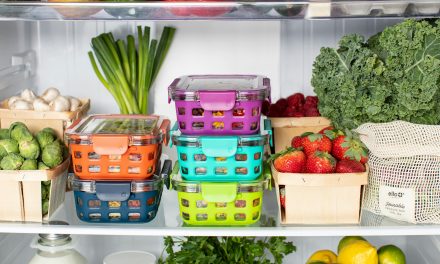
For home storage, transferring chicken to airtight containers or resealable plastic bags can further enhance its longevity. Removing as much air as possible before sealing helps prevent freezer burn, which can negatively affect texture and flavor. By prioritizing effective packaging methods, consumers can significantly prolong the freshness of their chicken.
When considering the shelf life of chicken, it’s important to understand how proper storage can significantly extend its freshness. For instance, keeping chicken at the right temperature and using airtight containers can prevent spoilage. If you’re interested in learning more about food safety tips, you might find this article on safe car rides for dogs particularly insightful, as it emphasizes the importance of maintaining a safe environment for your pets, which can also relate to how we handle food. Check it out here.
Using the Freezer: Best Practices for Long-Term Storage
Freezing chicken is an excellent method for extending its shelf life beyond what refrigeration allows. However, there are best practices to follow to ensure that the meat retains its quality during freezing. First, it is advisable to portion chicken into meal-sized servings before freezing; this makes it easier to thaw only what is needed without compromising the entire batch.
Labeling packages with the date of freezing is also essential for tracking storage time. While frozen chicken remains safe indefinitely if kept at 0°F (-18°C), quality may diminish over time. Ideally, whole chickens should be used within one year, while cut pieces and ground chicken should be consumed within 9 months for optimal flavor and texture. Additionally, avoid refreezing thawed chicken unless it has been cooked first; this practice can lead to a decline in quality.
When considering the shelf life of chicken, it’s important to also understand how to properly store other foods to maintain their quality. For instance, if you’re looking to extend the longevity of your meals, you might find it helpful to learn about freezing techniques. A related article on this topic can be found here, where you can discover effective methods for freezing cooked rice and reheating it safely. This knowledge can complement your understanding of food preservation and help you minimize waste in your kitchen.
Thawing Chicken Safely to Maintain Freshness
Thawing chicken safely is crucial for maintaining its freshness and preventing bacterial growth. The safest method for thawing is in the refrigerator, where it can gradually defrost at a controlled temperature. This method may take several hours or overnight, depending on the size of the chicken piece but ensures that it remains at a safe temperature throughout the process.
Alternatively, chicken can be thawed in cold water by sealing it in a leak-proof bag and submerging it in cold water, changing the water every 30 minutes until thawed. This method is faster than refrigerator thawing but requires more attention to ensure safety. Microwaving is another option; however, it may lead to uneven thawing and partially cooked areas that could promote bacterial growth if not cooked immediately afterward.
Avoiding Cross-Contamination in the Kitchen
Cross-contamination is a significant concern when handling raw chicken due to the potential transfer of harmful bacteria to other foods or surfaces. To mitigate this risk, it is essential to use separate cutting boards for raw meat and other food items such as vegetables or fruits. Designating specific utensils for raw chicken preparation can also help prevent cross-contamination.
Additionally, always wash hands thoroughly with soap and water after handling raw chicken. Surfaces that come into contact with raw poultry should be cleaned with hot soapy water or a disinfectant solution immediately after use. By implementing these practices, consumers can significantly reduce the risk of foodborne illnesses associated with improper handling of chicken.
How to Tell if Chicken Has Gone Bad
Identifying spoiled chicken is crucial for ensuring food safety. Several indicators can signal that chicken has gone bad. First, examine the color; fresh chicken should have a pale pink hue, while spoiled meat may appear gray or greenish. The texture is another telltale sign; if the meat feels sticky or slimy to the touch, it is likely no longer safe to consume.
Smell is also an important factor; fresh chicken has a mild odor, while spoiled chicken emits a strong sour or rancid smell. If any of these signs are present, it is best to err on the side of caution and discard the meat rather than risk foodborne illness.
Marinating Tips to Extend Freshness
Marinating chicken not only enhances flavor but can also help extend its freshness when done correctly. Acidic marinades containing ingredients like vinegar or citrus juice can inhibit bacterial growth while infusing flavor into the meat. It is advisable to marinate chicken in the refrigerator rather than at room temperature to prevent bacterial proliferation.
For optimal results, marinate chicken for at least 30 minutes but no longer than 24 hours; prolonged exposure to acidic marinades can lead to a mushy texture due to protein breakdown. Always discard any leftover marinade that has come into contact with raw chicken to avoid cross-contamination.
Using Leftover Chicken: Storage and Safety Tips
Leftover cooked chicken can be a convenient option for quick meals but requires proper storage to maintain safety and quality. Cooked chicken should be refrigerated within two hours of cooking and stored in airtight containers to prevent moisture loss and contamination from other foods.
When reheating leftover chicken, ensure that it reaches an internal temperature of 165°F (74°C) to eliminate any potential bacteria that may have developed during storage. Leftover cooked chicken can typically be safely consumed within 3-4 days when stored correctly in the refrigerator.
Quick Tips for Maintaining Chicken Quality During Transport
Transporting chicken safely from store to home is essential for maintaining its quality and safety. When shopping, place raw chicken in separate bags from other groceries to prevent cross-contamination. If possible, use insulated bags or coolers during transport, especially on hot days when temperatures may rise quickly.
Minimizing time spent outside refrigeration is crucial; aim to get home within an hour after purchasing raw chicken. Once home, promptly store it in the refrigerator or freezer according to your intended use. By following these simple tips, consumers can ensure that their chicken remains fresh and safe for consumption.
In summary, understanding the intricacies of chicken shelf life is vital for ensuring food safety and quality. From selecting fresh poultry at the store to proper storage techniques and safe handling practices in the kitchen, consumers play an essential role in preventing foodborne illnesses associated with this popular protein source. By adhering to best practices regarding storage temperatures, packaging methods, thawing techniques, and cross-contamination prevention measures, individuals can enjoy delicious and safe meals featuring chicken while minimizing waste and maximizing flavor.
FAQs
What is the shelf life of raw chicken in the refrigerator?
Raw chicken can typically be stored in the refrigerator for 1 to 2 days. It is important to keep it at a temperature below 40°F (4°C) to prevent bacterial growth.
How long can cooked chicken be stored in the refrigerator?
Cooked chicken can be safely stored in the refrigerator for 3 to 4 days. Make sure to store it in an airtight container to maintain its quality and prevent contamination.
Can chicken be frozen to extend its shelf life?
Yes, chicken can be frozen to extend its shelf life. Raw chicken can be stored in the freezer for up to 1 year, while cooked chicken can last for about 2 to 6 months when properly wrapped and stored.
How can you tell if chicken has gone bad?
Signs that chicken has gone bad include a sour smell, a slimy texture, and a change in color (such as turning gray or green). If you notice any of these signs, it is best to discard the chicken.
What is the best way to store chicken to maximize its shelf life?
The best way to store chicken is to keep it in its original packaging or transfer it to an airtight container. For longer storage, wrap it tightly in plastic wrap or aluminum foil before placing it in the freezer.