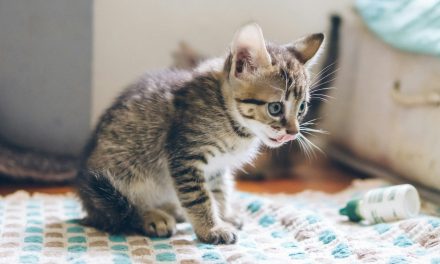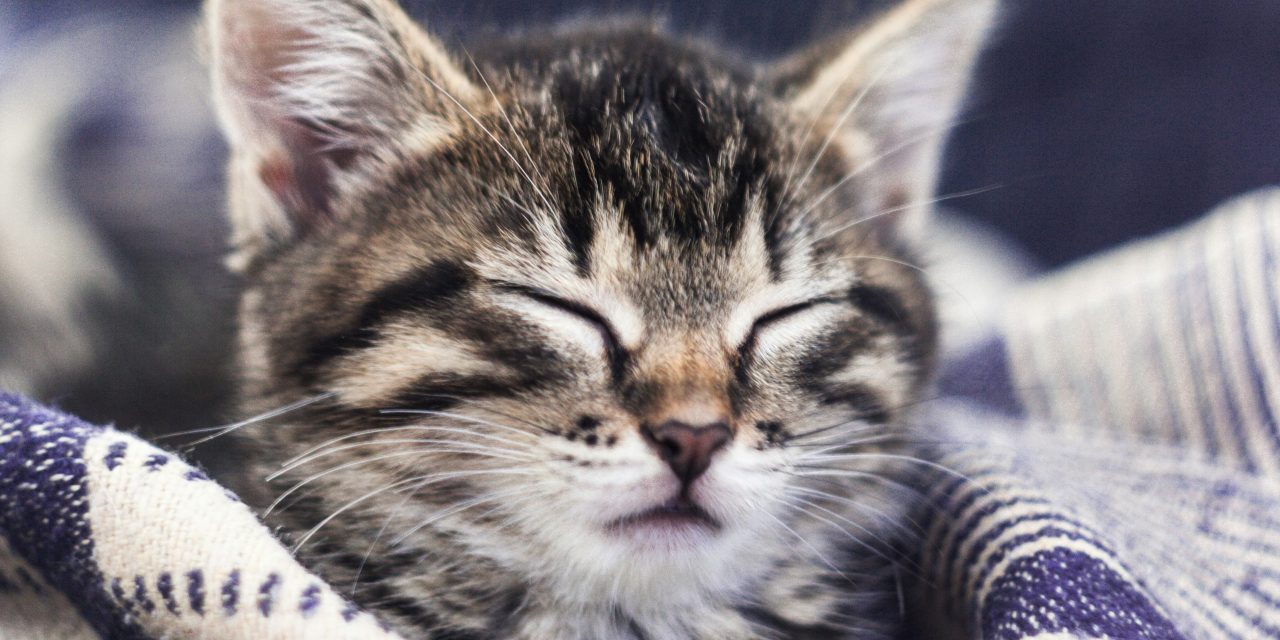
Creating a conducive environment for your feline companion’s recovery after spaying is paramount. The initial step involves designating a quiet, comfortable space where your cat can recuperate without disturbances. This area should be away from the hustle and bustle of daily life, ideally in a room that is warm and cozy. Consider using soft bedding, such as a plush blanket or a cat bed, to provide comfort. Additionally, ensure that the space is free from hazards, such as sharp objects or small items that could be ingested.
It is also essential to prepare the area by removing any potential stressors. Loud noises, other pets, or children can create anxiety for your recovering cat. If possible, keep other pets separated during this period to minimize stress and allow your cat to heal undisturbed. Furthermore, ensure that the litter box is easily accessible and that food and water bowls are placed nearby to encourage hydration and nutrition without requiring excessive movement.
Understanding the Importance of Rest and Limited Activity
Rest is a critical component of your cat’s recovery process following spaying. The surgical procedure involves making an incision in the abdomen, which requires time to heal properly. During this period, it is vital to limit your cat’s activity to prevent strain on the incision site. Engaging in vigorous play or jumping can lead to complications such as dehiscence (wound reopening) or infection.
To facilitate rest, consider providing interactive toys that do not require excessive movement. Soft toys that can be batted around gently can keep your cat entertained while minimizing physical exertion. Additionally, monitor your cat’s behavior closely; if they seem overly energetic or restless, gently redirect them to calmer activities. Establishing a routine that includes quiet time will help reinforce the importance of rest during this healing phase.
Monitoring Your Cat’s Incision Site Daily

Daily inspection of your cat’s incision site is crucial for ensuring proper healing and identifying any potential complications early on. Look for signs of redness, swelling, or discharge, which may indicate infection. The incision should appear clean and dry; any unusual changes warrant immediate veterinary attention.
In addition to visual checks, gently palpate the area around the incision to assess for warmth or tenderness. If your cat exhibits signs of discomfort when you touch the area, it may signal an underlying issue that requires further evaluation. Keeping a log of your observations can be beneficial for discussions with your veterinarian during follow-up appointments.
Managing Pain and Discomfort Safely

Post-surgical pain management is essential for your cat’s comfort and recovery. Your veterinarian will likely prescribe analgesics to alleviate discomfort following the spay procedure. Common medications include non-steroidal anti-inflammatory drugs (NSAIDs) such as carprofen or meloxicam, which help reduce inflammation and pain.
It is crucial to administer these medications precisely as directed by your veterinarian. Overdosing or underdosing can lead to adverse effects or inadequate pain control. Additionally, never give human medications to your cat without veterinary guidance, as many common drugs can be toxic to felines. If you notice signs of persistent pain despite medication, consult your veterinarian for further evaluation and potential adjustments to the treatment plan.
Ensuring Proper Nutrition and Hydration Post-Surgery
Nutrition plays a vital role in your cat’s recovery after spaying. A balanced diet rich in essential nutrients supports healing and helps maintain energy levels. After surgery, your cat may have a reduced appetite; however, it is important to encourage them to eat small amounts of their regular food. If they are reluctant to eat, consider offering wet food or warming their meals slightly to enhance palatability.
Hydration is equally important during this recovery phase. Ensure fresh water is readily available at all times. Dehydration can impede healing and lead to further complications. If your cat shows signs of lethargy or refuses to drink, consult your veterinarian for advice on encouraging hydration or potential interventions.
Preventing Your Cat from Licking or Chewing the Incision
One of the most significant challenges during post-spay recovery is preventing your cat from licking or chewing at the incision site. This behavior can lead to infection or delayed healing. To mitigate this risk, consider using an Elizabethan collar (commonly known as a “cone”) to physically prevent access to the incision area.
Alternative options include soft recovery suits designed specifically for cats, which cover the incision while allowing for more comfort than traditional cones. Monitor your cat’s behavior closely; if they seem particularly distressed by the collar or suit, consult your veterinarian for alternative solutions that may be more suitable for your pet’s temperament.
Recognizing Signs of Infection or Complications
Being vigilant about recognizing signs of infection or complications is crucial during your cat’s recovery period. Symptoms such as increased swelling, redness around the incision site, foul-smelling discharge, or persistent bleeding should prompt immediate veterinary consultation. Additionally, if your cat exhibits signs of fever (elevated body temperature), lethargy, loss of appetite, or unusual behavior, these may indicate underlying issues requiring prompt attention.
Early intervention can significantly improve outcomes and prevent more severe complications from developing. Keeping an open line of communication with your veterinarian throughout the recovery process will ensure that any concerns are addressed promptly.
Administering Medications as Prescribed by the Veterinarian
Following your veterinarian’s instructions regarding medication administration is vital for ensuring a smooth recovery for your cat. In addition to pain management medications, your veterinarian may prescribe antibiotics to prevent infection post-surgery. It is essential to complete the entire course of antibiotics as directed, even if your cat appears to be recovering well.
When administering medications, use treats or food to make the process easier and less stressful for both you and your cat. If you encounter difficulties in giving oral medications, consult your veterinarian for alternative methods or formulations that may be easier to administer.
Scheduling and Attending Follow-Up Veterinary Appointments
Follow-up appointments are an integral part of your cat’s post-spay care plan. These visits allow your veterinarian to assess the healing process and address any concerns you may have regarding your cat’s recovery. Typically scheduled within 7-14 days post-surgery, these appointments provide an opportunity for professional evaluation of the incision site and overall health.
During these visits, be prepared to discuss any observations you’ve made regarding your cat’s behavior, appetite, and activity levels since surgery. This information will assist your veterinarian in determining whether any adjustments to the recovery plan are necessary.
Using a Comfortable Recovery Space to Reduce Stress
Creating a serene recovery environment is essential for minimizing stress during your cat’s healing process. A designated recovery space should be quiet and free from distractions while providing comfort through soft bedding and familiar items such as toys or blankets that carry their scent.
Consider using pheromone diffusers or sprays designed for cats to promote relaxation within the recovery area. These products can help alleviate anxiety and create a calming atmosphere conducive to healing.
Gradually Reintroducing Normal Activities After Recovery
Once your veterinarian has cleared your cat for normal activities, it is essential to reintroduce them gradually to prevent overwhelming them after their period of rest. Start with short play sessions that encourage gentle movement without excessive exertion. Monitor their response closely; if they seem fatigued or uncomfortable, allow them additional time to adjust before increasing activity levels.
As they regain strength and confidence, gradually reintroduce their regular routines while continuing to observe their behavior closely for any signs of discomfort or complications.
In summary, preparing for your cat’s post-spay recovery involves creating a safe environment, monitoring their incision site diligently, managing pain effectively, ensuring proper nutrition and hydration, preventing licking at the incision site, recognizing signs of complications early on, administering medications correctly, attending follow-up appointments regularly, providing a comfortable recovery space, and gradually reintroducing normal activities once cleared by a veterinarian. By following these guidelines diligently, you can help ensure a smooth recovery process for your beloved feline companion.
FAQs
What is spaying and why is it important for cats?
Spaying is a surgical procedure that involves removing a female cat’s ovaries and usually the uterus. It is important because it helps prevent unwanted litters, reduces the risk of certain health issues such as uterine infections and breast tumors, and can help mitigate behavioral problems associated with heat cycles.
What should I expect during my cat’s recovery after spaying?
After spaying, your cat may experience some discomfort, lethargy, and a decreased appetite for the first few days. It’s important to monitor her incision site for any signs of infection, such as redness or swelling. Most cats recover within 10 to 14 days, but it’s crucial to limit their activity during this time to ensure proper healing.
How can I care for my cat after she has been spayed?
Post-operative care includes keeping your cat indoors, providing a quiet and comfortable space for her to rest, and preventing her from licking the incision site. You may need to use an Elizabethan collar to prevent her from accessing the area. Additionally, follow your veterinarian’s instructions regarding pain management and any prescribed medications.
When can my cat return to her normal activities after spaying?
Most cats can return to their normal activities within 10 to 14 days after spaying, but it’s essential to follow your veterinarian’s advice. Avoid allowing her to jump or run excessively during the recovery period to prevent complications. A follow-up appointment may be necessary to ensure proper healing.
Are there any long-term effects of spaying on my cat’s health?
Spaying can have several long-term health benefits, including a reduced risk of certain cancers and infections. However, it may also lead to weight gain if not managed with proper diet and exercise. It’s important to monitor your cat’s weight and adjust her diet accordingly to maintain a healthy lifestyle post-spaying.