Proper storage of fruits, vegetables, and herbs is crucial for maintaining their freshness, flavor, and nutritional value. The degradation of produce can occur rapidly due to factors such as temperature fluctuations, humidity levels, and exposure to ethylene gas. Ethylene is a natural plant hormone released by certain fruits that can accelerate ripening and spoilage in nearby produce. Understanding the science behind these processes allows consumers to make informed decisions about how to store their food effectively.
The consequences of improper storage extend beyond mere inconvenience; they can lead to significant food waste and financial loss. According to the Food and Agriculture Organization (FAO), approximately one-third of all food produced globally is wasted, with fruits and vegetables being among the most perishable items. By implementing proper storage techniques, individuals can extend the shelf life of their produce, reduce waste, and ultimately contribute to a more sustainable food system.
Proper storage of fruits and vegetables is essential for maintaining their freshness and nutritional value. For more insights on how to keep your produce in optimal condition, you might find this article helpful: Dog Dental Wipes vs. Toothbrushes: Which Cleans Better?. While the focus is on dental care, it also touches on the importance of proper maintenance and care, which can be paralleled in the way we handle our food items.
Keep Herbs Fresh with Damp Paper Towels
Herbs are delicate and can wilt quickly if not stored correctly. One effective method for preserving their freshness is to wrap them in damp paper towels. This technique helps maintain moisture levels while preventing excess humidity that can lead to mold growth. To execute this method, simply take your fresh herbs, rinse them gently under cold water, and pat them dry with a clean towel. Next, lay the herbs flat on a damp paper towel, roll it up loosely, and place it in a resealable plastic bag or an airtight container.
This storage method not only keeps herbs vibrant but also enhances their flavor profile when used in culinary applications. Fresh herbs like basil, cilantro, and parsley can last up to two weeks when stored this way. Additionally, consider placing the wrapped herbs in the refrigerator’s crisper drawer, where temperature and humidity levels are optimized for produce storage.
Store Berries in a Vinegar Bath to Prevent Mold

Berries are notorious for their susceptibility to mold and spoilage. To combat this issue, a vinegar bath can be an effective solution. This method involves creating a diluted vinegar solution—typically one part white vinegar to three parts water—and soaking the berries for a few minutes. After soaking, rinse the berries thoroughly under cold water to remove any residual vinegar taste. Pat them dry gently with a clean towel before transferring them to a container lined with paper towels.
The acetic acid in vinegar acts as a natural antimicrobial agent, inhibiting mold growth and extending the shelf life of berries such as strawberries, blueberries, and raspberries. When stored properly in the refrigerator after this treatment, berries can remain fresh for up to a week longer than if left untreated.
Use Airtight Containers for Cut Fruits and Vegetables

Once fruits and vegetables are cut, they become more vulnerable to oxidation and spoilage. To mitigate this risk, utilizing airtight containers is essential. These containers create a sealed environment that minimizes exposure to air, thereby slowing down the oxidation process that leads to browning and loss of flavor. When storing cut produce, ensure that the container is clean and dry before placing the items inside.
For optimal results, consider adding a small piece of paper towel inside the container to absorb excess moisture. This will help prevent sogginess while maintaining the crispness of cut vegetables like carrots and bell peppers. Airtight containers can keep cut fruits and vegetables fresh for several days, making them ideal for meal prep or quick snacks.
When it comes to maximizing the freshness of your produce, understanding proper fruit and vegetable storage techniques is essential. For those interested in enhancing their gardening experience and ensuring their homegrown fruits and veggies stay vibrant, you might find inspiration in a related article that discusses the beauty of Lantana flowers and their role in attracting beneficial insects to your garden. You can read more about it here. By incorporating these flowers into your garden, you not only beautify your space but also create a healthier environment for your plants.
Wrap Leafy Greens in a Clean Kitchen Towel
Leafy greens such as spinach, kale, and lettuce are highly perishable and require special attention during storage. A practical approach is to wrap these greens in a clean kitchen towel before placing them in the refrigerator. The towel absorbs excess moisture while allowing for some airflow, which helps prevent wilting and spoilage.
To implement this method effectively, wash the greens thoroughly and spin them dry using a salad spinner or pat them down with paper towels. Once dry, lay the greens flat on the kitchen towel, fold it over gently, and store them in a perforated plastic bag or an open container in the crisper drawer. This technique can extend the freshness of leafy greens for up to a week.
Proper storage of fruits and vegetables is essential for maintaining their freshness and nutritional value. For those looking to enhance their knowledge on this topic, a related article offers valuable insights into effective methods for keeping produce at its best. You can explore these tips further in this informative piece about puppy care, which, while focused on a different subject, emphasizes the importance of proper care and attention in various aspects of life.
Separate Ethylene-Producing Fruits from Veggies
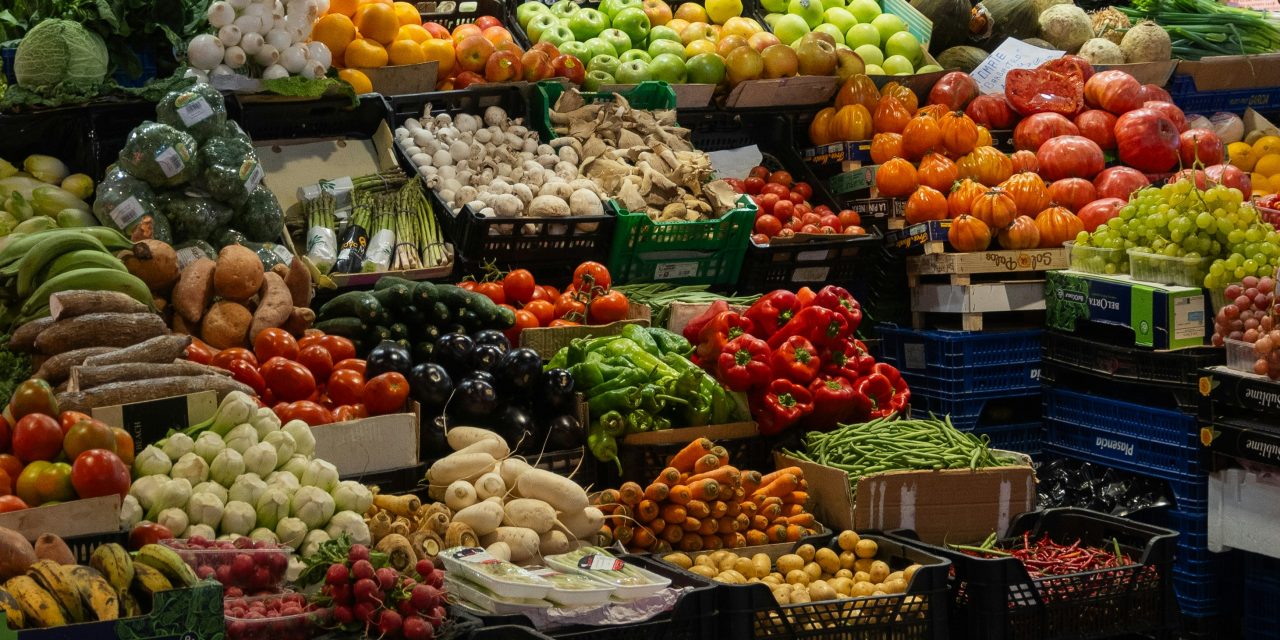
Certain fruits produce ethylene gas as they ripen, which can adversely affect nearby vegetables by accelerating their decay process. To maintain optimal freshness, it is crucial to separate ethylene-producing fruits—such as apples, bananas, avocados, and tomatoes—from ethylene-sensitive vegetables like cucumbers, carrots, and leafy greens.
Designating specific areas in your refrigerator or pantry for these items can help manage their storage effectively. For instance, keep ethylene-producing fruits in a separate bowl on the countertop while storing vegetables in the crisper drawer of your refrigerator. By implementing this separation strategy, you can prolong the shelf life of both fruits and vegetables significantly.
Store Root Vegetables in a Cool, Dark Place
Root vegetables such as potatoes, carrots, onions, and beets thrive when stored in cool, dark environments away from direct sunlight. Exposure to light can trigger sprouting in potatoes and cause other root vegetables to become bitter or spoiled. The ideal storage conditions for these items include temperatures between 45°F to 50°F (7°C to 10°C) with low humidity levels.
Using burlap sacks or cardboard boxes allows for adequate airflow while protecting root vegetables from light exposure. Additionally, avoid storing root vegetables near apples or bananas due to their ethylene production. By adhering to these guidelines, root vegetables can remain fresh for several weeks or even months.
Use Perforated Plastic Bags for Mushrooms
Mushrooms are unique among produce items due to their high moisture content and delicate structure. To preserve their freshness while preventing excess moisture buildup that can lead to spoilage, it is advisable to store mushrooms in perforated plastic bags. These bags allow for airflow while retaining some humidity—ideal conditions for mushrooms.
Before storing mushrooms, avoid washing them until just before use; excess moisture can accelerate spoilage. Place the mushrooms in a perforated bag and store them in the refrigerator’s main compartment rather than the crisper drawer. This method can keep mushrooms fresh for up to a week.
Keep Tomatoes at Room Temperature, Not Refrigerated
Tomatoes are best stored at room temperature rather than in the refrigerator due to their sensitivity to cold temperatures. Refrigeration can alter their texture and flavor profile by breaking down cell walls and inhibiting ripening processes. Instead, place tomatoes on a countertop away from direct sunlight until they reach peak ripeness.
Once ripe, if you cannot consume them immediately, consider using them within a few days or incorporating them into dishes that require cooked tomatoes. By adhering to this storage guideline, you can enjoy tomatoes at their best flavor and texture.
Freeze Overripe Fruits for Smoothies and Baking
When fruits begin to overripe but are still safe for consumption, freezing them is an excellent way to prevent waste while preserving their nutritional value. Overripe bananas, berries, peaches, and mangoes can be frozen for later use in smoothies or baking recipes such as muffins or pancakes.
To freeze fruits effectively, wash them thoroughly and cut them into manageable pieces if necessary. Spread them out on a baking sheet lined with parchment paper to prevent sticking before placing them in the freezer until solid. Once frozen, transfer the fruits into airtight containers or resealable bags labeled with dates for easy identification later on.
Utilize Reusable Produce Bags to Maintain Freshness
In an effort to reduce plastic waste while maintaining produce freshness, reusable produce bags have gained popularity among environmentally conscious consumers. These bags are typically made from breathable materials that allow airflow while keeping fruits and vegetables protected from bruising.
When using reusable produce bags, ensure they are clean before placing fresh produce inside. Store these bags in your refrigerator’s crisper drawer or on your countertop based on the specific storage needs of each item. By adopting reusable produce bags into your storage routine, you not only contribute positively to environmental sustainability but also enhance the longevity of your fruits and vegetables.
In summary, proper storage techniques play an essential role in maintaining the freshness and quality of fruits, vegetables, and herbs. By employing methods such as wrapping herbs in damp paper towels or using vinegar baths for berries, individuals can significantly reduce spoilage rates and food waste. Understanding ethylene production dynamics further aids in optimizing storage conditions for various produce items. Ultimately, these practices contribute not only to better food management but also promote sustainability within our food systems.
FAQs
What is the best way to store fruits and vegetables to prolong their freshness?
The best way to store fruits and vegetables is to keep them in a cool, dry place, ideally in the refrigerator for those that require it. Leafy greens and most vegetables should be stored in the crisper drawer, while fruits like apples and berries can also benefit from refrigeration. It’s important to keep them in breathable bags or containers to prevent moisture buildup, which can lead to spoilage.
Should fruits and vegetables be stored together or separately?
Fruits and vegetables should generally be stored separately. Many fruits emit ethylene gas, which can accelerate the ripening and spoilage of nearby vegetables. For example, storing apples with leafy greens can cause the greens to wilt faster. Keeping them apart helps maintain the freshness of both.
How can I tell if my fruits and vegetables have gone bad?
Signs that fruits and vegetables have gone bad include discoloration, soft or mushy spots, an off smell, and mold growth. For leafy greens, wilting or yellowing leaves are indicators of spoilage. It’s best to discard any produce that shows these signs to avoid consuming spoiled food.
What is the ideal temperature for storing fruits and vegetables?
The ideal temperature for storing most fruits and vegetables is between 32°F and 40°F (0°C to 4°C). This range helps slow down the ripening process and reduces the growth of bacteria and mold. However, some fruits, like bananas and tomatoes, are best stored at room temperature until they ripen.
Can I wash fruits and vegetables before storing them?
It is generally not recommended to wash fruits and vegetables before storing them, as excess moisture can promote mold growth and spoilage. Instead, wash them just before consumption. However, if you do wash them, ensure they are completely dry before storing to minimize moisture-related issues.