Sesame seeds, scientifically known as Sesamum indicum, are tiny, oil-rich seeds that have been cultivated for thousands of years. Originating from Africa and India, these seeds are not only a staple in various cuisines but also hold significant nutritional value. They are rich in essential fatty acids, proteins, vitamins, and minerals, making them a popular choice among health-conscious individuals. The seeds can be consumed raw, toasted, or ground into a paste known as tahini, which is a key ingredient in dishes like hummus and baba ghanoush.
In addition to their culinary applications, sesame seeds are celebrated for their health benefits. They contain lignans, which are compounds that may help lower cholesterol levels and improve heart health. Furthermore, sesame seeds are an excellent source of antioxidants, which combat oxidative stress in the body. Their versatility extends beyond the kitchen; they are also used in traditional medicine for their purported anti-inflammatory and antioxidant properties. As such, understanding how to properly store and maintain the freshness of sesame seeds is crucial for maximizing their benefits.
When considering the shelf life of sesame seeds, it’s important to also think about how to maintain a clean and pest-free environment, as pests can compromise the quality of stored food items. For tips on keeping your home free from unwanted insects, you can refer to this related article on how to keep house flies out of your home. Check it out here: How to Keep House Flies Out of Your Home.
Understanding Sesame Seed Shelf Life
The shelf life of sesame seeds can vary significantly based on several factors, including their form (whole or ground), storage conditions, and whether they are raw or toasted. Whole sesame seeds typically have a longer shelf life compared to ground seeds due to their intact oil content. Generally, whole sesame seeds can last up to 12 months when stored properly, while ground sesame seeds may only remain fresh for about 6 months.
To ensure optimal freshness, it is essential to consider the packaging and storage environment. Sesame seeds are sensitive to light, heat, and moisture, which can accelerate rancidity and spoilage. Therefore, understanding the nuances of their shelf life is vital for both culinary enthusiasts and health-conscious consumers who wish to incorporate these nutritious seeds into their diets without compromising quality.
Factors Affecting Sesame Seed Freshness

Several factors can influence the freshness of sesame seeds, primarily their exposure to environmental elements. Light is one of the most significant contributors to the degradation of sesame seed quality. Ultraviolet rays can break down the oils within the seeds, leading to rancidity. Similarly, heat can accelerate this process; thus, storing sesame seeds in a warm environment can drastically reduce their shelf life.
Moisture is another critical factor that affects freshness. Sesame seeds should be kept dry to prevent mold growth and spoilage. Additionally, the quality of the seeds at the time of purchase plays a crucial role in determining their longevity. Freshly harvested seeds will naturally have a longer shelf life compared to older stock that may have been sitting on shelves for extended periods. Understanding these factors can help consumers make informed decisions regarding the purchase and storage of sesame seeds.
How to Tell if Sesame Seeds Have Gone Bad

Identifying spoiled sesame seeds is essential for maintaining both health and flavor in culinary applications. One of the primary indicators of rancidity is an off-putting odor; fresh sesame seeds have a mild, nutty aroma, while spoiled seeds may emit a sour or bitter scent. Additionally, visual inspection can reveal signs of spoilage; look for discoloration or the presence of mold on the seeds.
Texture is another important factor; fresh sesame seeds should feel firm and slightly crunchy when bitten into. If they feel soft or exhibit an unusual texture, it may indicate that they have gone bad. Lastly, tasting a small amount can provide insight into their freshness; if the flavor is bitter or unpleasant, it is best to discard them. Regularly checking for these signs can help ensure that only high-quality sesame seeds are used in cooking and baking.
When considering the shelf life of sesame seeds, it’s important to understand how proper storage can significantly extend their freshness. For those looking to maintain the quality of various food items, you might find it useful to read about effective reheating techniques in this article on how to reheat leftover chicken without drying it out. By applying similar principles of storage and reheating, you can ensure that your sesame seeds and other ingredients remain flavorful and safe to consume. For more insights, check out the article here.
Proper Storage Conditions for Sesame Seeds
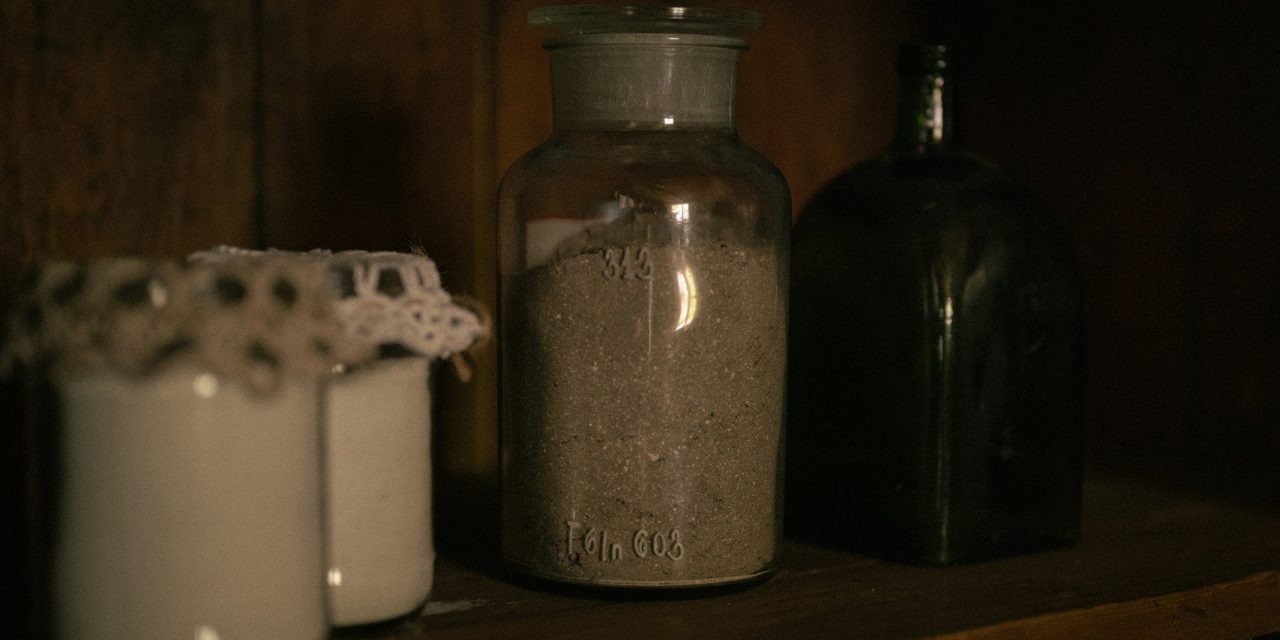
To maximize the shelf life of sesame seeds, proper storage conditions are paramount. Ideally, sesame seeds should be stored in an airtight container to protect them from exposure to air and moisture. Glass jars with tight-fitting lids or vacuum-sealed bags are excellent options for maintaining freshness. It is also advisable to keep these containers in a cool, dark place away from direct sunlight.
Temperature plays a crucial role in preserving the quality of sesame seeds. A stable environment with low humidity is ideal; fluctuations in temperature can lead to condensation inside containers, promoting spoilage. By adhering to these storage guidelines, consumers can significantly extend the longevity of their sesame seeds while retaining their nutritional benefits.
Storing Sesame Seeds at Room Temperature
Storing sesame seeds at room temperature is feasible if certain precautions are taken. When kept in a cool, dry place away from direct sunlight, whole sesame seeds can remain fresh for several months. It is essential to use airtight containers to minimize exposure to air and moisture, which can lead to rancidity.
However, it is important to note that room temperature storage may not be suitable for ground sesame seeds due to their higher oil content and increased susceptibility to spoilage. For those who frequently use whole sesame seeds in cooking or baking, keeping them at room temperature can be convenient as long as they are monitored regularly for signs of spoilage.
Refrigeration Tips for Extending Sesame Seed Shelf Life
Refrigeration is an effective method for extending the shelf life of sesame seeds, particularly ground varieties that are more prone to rancidity. When stored in an airtight container in the refrigerator, whole sesame seeds can last up to 18 months without significant loss of quality. Ground sesame seeds benefit even more from refrigeration; they can remain fresh for up to 12 months when properly stored.
To prevent moisture buildup inside the container while refrigerating, it is advisable to allow the container to reach room temperature before opening it. This practice minimizes condensation that could compromise seed quality. Additionally, labeling containers with purchase dates can help track freshness and ensure that older stock is used first.
Freezing Sesame Seeds: Pros and Cons
Freezing sesame seeds is another viable option for extending their shelf life significantly. When properly packaged in airtight containers or vacuum-sealed bags, whole sesame seeds can last indefinitely in the freezer without losing flavor or nutritional value. This method is particularly beneficial for bulk purchases or when buying seasonal varieties.
However, there are some drawbacks to consider when freezing sesame seeds. The texture may change slightly upon thawing; while this does not affect flavor or nutritional content, it may alter their culinary applications. Additionally, repeated thawing and refreezing can lead to moisture accumulation and spoilage. Therefore, it is advisable to portion out frozen sesame seeds into smaller quantities for convenience.
Packaging Options to Maintain Freshness
Choosing the right packaging is crucial for maintaining the freshness of sesame seeds over time. Airtight containers made from glass or high-quality plastic are ideal as they prevent air exchange and moisture infiltration. Vacuum-sealed bags are another excellent option for long-term storage since they eliminate air entirely.
For those who prefer convenience, resealable bags can also be effective if used correctly; however, it is essential to remove as much air as possible before sealing them shut. Additionally, labeling containers with purchase dates helps keep track of freshness and ensures that older stock is consumed first.
How to Revive Slightly Stale Sesame Seeds
If sesame seeds have become slightly stale but show no signs of spoilage, there are methods to revive their flavor and texture. Toasting them lightly in a dry skillet over low heat can enhance their nutty aroma and restore some crispness. This process should be done carefully; over-toasting can lead to bitterness.
Another option is to incorporate stale sesame seeds into recipes where they will be blended or cooked with other ingredients—such as smoothies or baked goods—allowing them to contribute flavor without being the primary focus. These techniques can help salvage slightly stale seeds while still enjoying their nutritional benefits.
Maximizing Sesame Seed Longevity and Quality
In conclusion, understanding how to properly store and maintain sesame seed freshness is essential for maximizing their culinary potential and health benefits. By considering factors such as light exposure, temperature control, and appropriate packaging options, consumers can significantly extend the shelf life of these nutritious seeds. Whether stored at room temperature, refrigerated, or frozen, following best practices ensures that sesame seeds remain flavorful and beneficial over time.
Regularly checking for signs of spoilage and employing methods to revive slightly stale seeds further enhances their usability in various dishes. By implementing these strategies, individuals can enjoy the rich flavors and health advantages that sesame seeds offer while minimizing waste and maximizing quality in their culinary endeavors.
FAQs
What is the typical shelf life of sesame seeds?
The typical shelf life of sesame seeds is about 6 to 12 months when stored properly in a cool, dry place. If kept in the refrigerator or freezer, they can last up to 2 years.
How can I tell if sesame seeds have gone bad?
Signs that sesame seeds have gone bad include a rancid or off smell, discoloration, or a change in texture. If they taste bitter or stale, it’s best to discard them.
What is the best way to store sesame seeds for maximum freshness?
To maximize freshness, store sesame seeds in an airtight container in a cool, dark place. For longer storage, consider refrigerating or freezing them to prevent rancidity.
Do toasted sesame seeds have a shorter shelf life than raw seeds?
Yes, toasted sesame seeds generally have a shorter shelf life than raw seeds due to the oil content being more exposed to air and heat. They typically last about 3 to 6 months when stored properly.
Can I extend the shelf life of sesame seeds?
Yes, you can extend the shelf life of sesame seeds by storing them in airtight containers, keeping them in a cool, dark place, and avoiding exposure to moisture and heat. Refrigeration or freezing can also help prolong their freshness.