Bringing a newborn kitten into your home is an exhilarating experience filled with joy and responsibility. These tiny creatures, often weighing less than a pound, are bundles of potential and curiosity. As a new pet owner, understanding the early stages of a kitten’s life is crucial for ensuring their health and well-being. This article will guide you through the first week of your kitten’s life, highlighting essential aspects such as their physical development, sensory growth, and the importance of maternal care. By familiarizing yourself with these factors, you can provide the best possible environment for your new furry friend.
The first week is a critical period for kittens, as they transition from the womb to the outside world. During this time, they are incredibly vulnerable and rely heavily on their mother for nourishment and warmth. As you embark on this journey with your new kitten, it is essential to be patient and attentive to their needs. This article will delve into various aspects of a kitten’s early life, offering insights that will help you nurture and support their growth effectively.
The Fragile Beginnings: Size and Weight of a 1-Week-Old Kitten
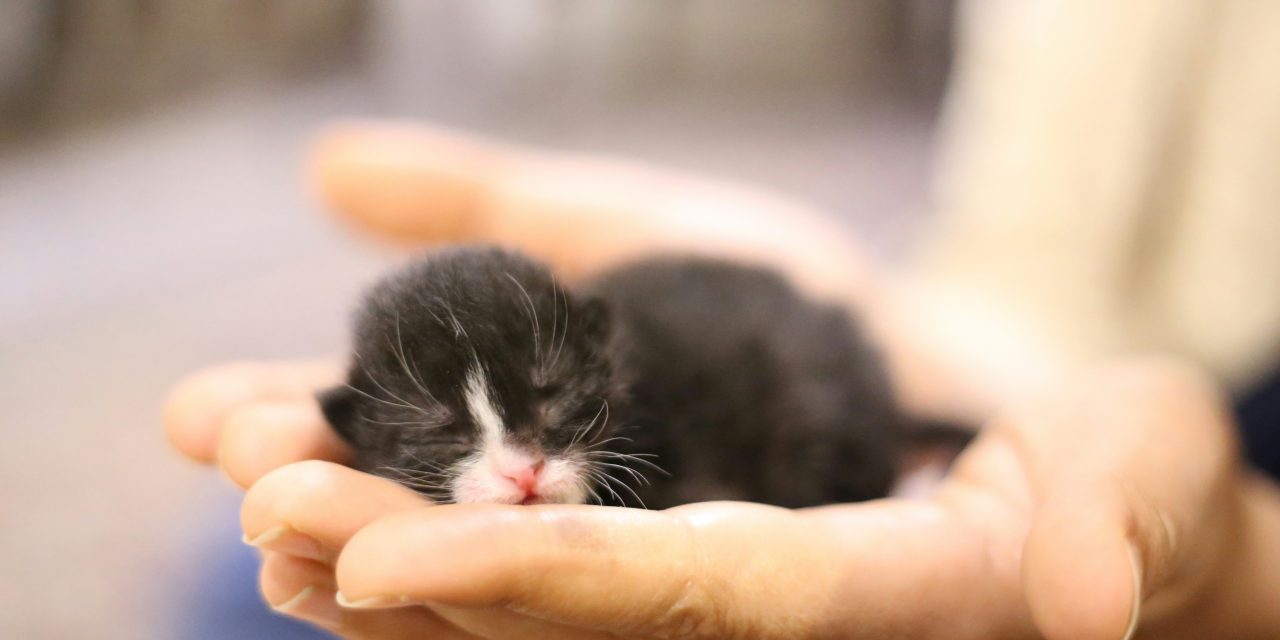
At one week old, kittens are remarkably small and delicate. Typically, they weigh between 8 to 12 ounces (approximately 227 to 340 grams) and measure around 6 to 8 inches (15 to 20 centimeters) in length. Their size can vary based on factors such as breed and overall health, but they are generally no larger than a small apple. This diminutive stature makes them particularly susceptible to environmental hazards, emphasizing the need for a safe and secure living space.
During this initial week, kittens experience rapid growth. They can gain approximately 10 to 15 grams per day, doubling their birth weight by the end of the first week. Monitoring their weight is crucial, as any significant deviation from this growth pattern may indicate underlying health issues. Regular weigh-ins can help ensure that your kitten is thriving and receiving adequate nutrition from their mother.
Eyes Wide Shut: Understanding Your Kitten’s Closed Eyes

Newborn kittens are born with their eyes closed, a protective adaptation that allows them to develop in a safe environment. Their eyelids typically remain sealed for the first 7 to 10 days of life, preventing exposure to light and potential irritants. This period of darkness is essential for the proper development of their ocular structures, including the cornea and retina.
As the first week progresses, you may notice slight changes in your kitten’s eyes. While they remain closed initially, the eyelids will begin to separate gradually around the 7 to 10-day mark. Once opened, kittens will display striking blue eyes that will eventually change color as they mature. Understanding this developmental timeline is vital for setting realistic expectations regarding your kitten’s visual capabilities.
Limited Mobility: How Your Kitten Starts to Move

In their first week, kittens exhibit limited mobility, primarily relying on reflexive movements to navigate their environment. They are unable to walk or stand independently; instead, they scoot around using their front legs while dragging their hindquarters. This movement is essential for finding their mother’s warmth and nourishment.
As they approach the end of their first week, you may observe slight improvements in their mobility. Kittens will begin to push themselves up onto their forelegs and may even attempt short bursts of crawling. This gradual increase in movement is crucial for developing muscle strength and coordination, laying the foundation for future milestones such as walking and playing.
Developing Senses: Hearing and Smell in the First Week
During the first week of life, kittens are primarily reliant on their sense of smell and touch. Their olfactory senses are highly developed at birth, allowing them to locate their mother and identify her scent for nursing. This innate ability plays a vital role in their survival during these early days.
Hearing begins to develop around the second week of life; however, during the first week, kittens are largely unaware of sounds in their environment. As they grow, their auditory capabilities will improve significantly, enabling them to respond to various stimuli. Understanding this sensory development is crucial for fostering a stimulating environment that encourages exploration and interaction as your kitten matures.
The Importance of Mom: Nursing and Nutrition Needs
Maternal care is paramount during the first week of a kitten’s life. Nursing provides essential nutrients that support healthy growth and development. Colostrum, the first milk produced by the mother, is rich in antibodies that bolster the kitten’s immune system during this vulnerable period. Kittens should nurse every 1-2 hours to ensure they receive adequate nutrition.
If a mother cat is unavailable or unable to nurse her kittens, it is crucial to provide an appropriate substitute formula designed specifically for felines. Cow’s milk is not suitable for kittens and can lead to gastrointestinal distress. Consult with a veterinarian for recommendations on commercial kitten milk replacers that can adequately meet your newborn’s nutritional needs.
Sleep Patterns: Why Your Kitten Sleeps So Much
Kittens are known for their extensive sleep patterns during the first week of life, often sleeping up to 90% of the day. This behavior is entirely normal and essential for their growth and development. Sleep allows their bodies to conserve energy while focusing on critical processes such as muscle development and brain maturation.
During sleep, kittens experience rapid eye movement (REM) cycles, which are believed to play a role in cognitive development. As they grow older, sleep patterns will gradually shift, allowing for longer periods of wakefulness and increased activity levels. Understanding these sleep patterns can help you create an environment conducive to rest and recovery for your new furry companion.
Vocalizations: Communicating Through Meows and Purrs
In their first week of life, kittens communicate primarily through vocalizations such as mews and soft cries. These sounds serve as signals to their mother, indicating hunger or discomfort. While they may not produce distinct meows at this stage, their vocalizations are essential for establishing a bond with their mother and littermates.
As they progress beyond the first week, kittens will begin to experiment with different sounds, including purring and more pronounced meows. These vocalizations serve various purposes, from expressing contentment to seeking attention from humans or other animals. Understanding these early communication methods can help you respond appropriately to your kitten’s needs as they grow.
Fur and Appearance: Soft Coats and Unique Markings
Newborn kittens are characterized by their soft fur coats that provide warmth and protection during their early days. Their fur may appear sparse at birth but will gradually fill in as they grow older. The texture can vary significantly based on breed; some kittens may have long silky fur while others possess short dense coats.
Unique markings often emerge during this period as well. Kittens may display various patterns such as tabby stripes or solid colors that become more pronounced as they mature. Observing these changes can be an exciting aspect of watching your kitten grow into its unique appearance.
Early Socialization: Interaction with Littermates and Humans
Socialization begins early in a kitten’s life as they interact with their littermates and mother. These interactions are crucial for developing social skills that will influence their behavior as adult cats. Playful wrestling and grooming behaviors among littermates help establish boundaries and foster healthy relationships.
Introducing human interaction during this early stage can also be beneficial; however, it should be approached with caution. Gentle handling can help acclimate your kitten to human presence while ensuring that interactions remain positive and stress-free. Gradually increasing exposure to different stimuli will aid in developing a well-adjusted adult cat.
Caring Tips: How to Support Your Kitten’s Growth and Health
Supporting your newborn kitten’s growth requires diligence and care during this critical period. Here are several tips to ensure optimal health:
1. **Monitor Weight**: Regularly weigh your kitten to track growth patterns.
2. **Provide Warmth**: Ensure a warm environment; newborns cannot regulate body temperature effectively.
3. **Nutritional Needs**: If nursing is not possible, use a veterinarian-recommended milk replacer.
4. **Gentle Handling**: Interact gently with your kitten to foster trust without overwhelming them.
5. **Veterinary Care**: Schedule a veterinary check-up within the first few weeks to assess health status.
By following these guidelines, you can create a nurturing environment that supports your kitten’s development during this formative stage.
In summary, welcoming a newborn kitten into your home is an enriching experience filled with responsibilities that require attention and care. Understanding their physical development, sensory growth, nutritional needs, sleep patterns, vocalizations, appearance changes, socialization processes, and overall care tips will equip you with the knowledge necessary for fostering a healthy feline companion. By providing love and support during these fragile beginnings, you set the stage for a happy and thriving adult cat in the future.
FAQs
What should a 1-week-old kitten eat?
A 1-week-old kitten should be fed a specialized kitten milk replacer, as they are not yet able to digest solid food. It is important to avoid cow’s milk, as it can cause digestive issues. The milk replacer should be given using a bottle designed for kittens or a syringe, ensuring the kitten is fed every 2-3 hours.
How can I tell if a 1-week-old kitten is healthy?
A healthy 1-week-old kitten should be gaining weight steadily, have a warm body temperature, and exhibit a good suckling reflex when feeding. Their eyes will still be closed, but they should be active and responsive when handled. If the kitten is lethargic, not feeding, or losing weight, it may require veterinary attention.
What is the best way to care for a 1-week-old kitten?
Caring for a 1-week-old kitten involves providing a warm, safe environment, feeding them every 2-3 hours with a kitten milk replacer, and stimulating them to urinate and defecate after each feeding. It’s also important to keep them clean and dry, as they cannot regulate their body temperature effectively at this age.
When do kittens open their eyes?
Kittens typically begin to open their eyes between 7 to 14 days of age. At 1 week old, their eyes are still closed, and they rely on their other senses, such as smell and touch, to navigate their environment. Once their eyes open, they will gradually start to see and explore their surroundings.
How often should I handle a 1-week-old kitten?
It is beneficial to handle a 1-week-old kitten gently and frequently to help them become accustomed to human interaction. However, it is important to be cautious and avoid overstimulation, as they are still very fragile. Short, gentle handling sessions are recommended to promote bonding and socialization.