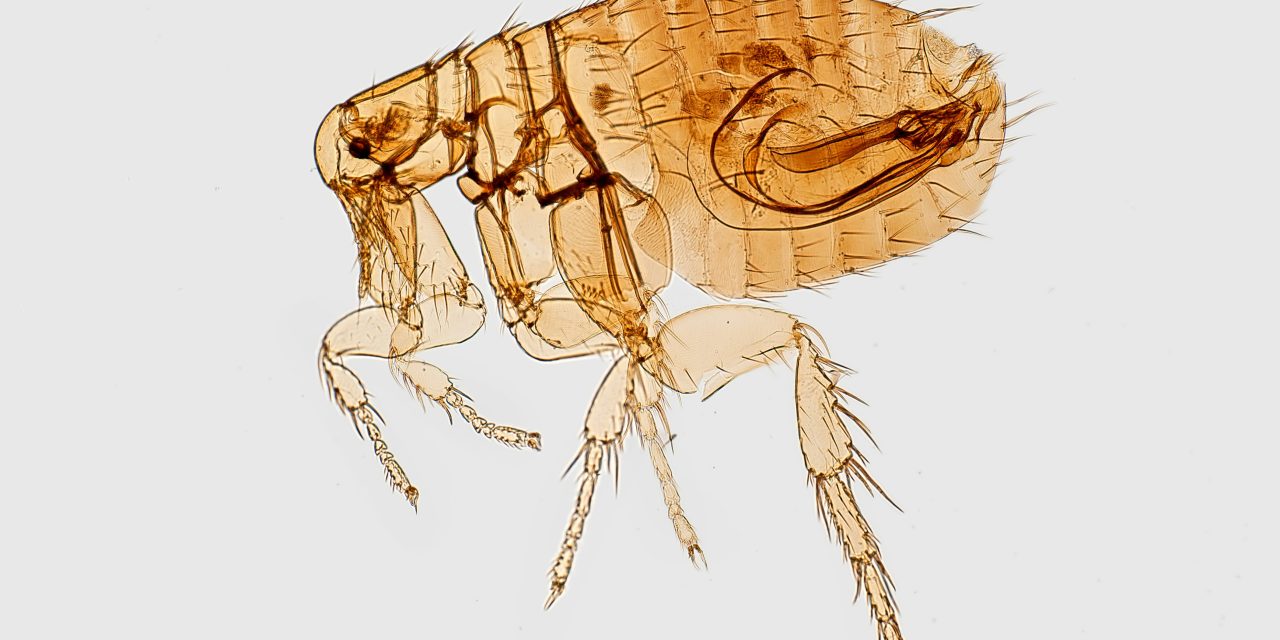
Bed bugs, scientifically known as Cimex lectularius, are small, parasitic insects that primarily feed on human blood. These nocturnal creatures are typically brownish in color and can grow to about 4 to 5 millimeters in length, resembling an apple seed. Their flattened bodies allow them to hide in tiny crevices, making them particularly challenging to detect. Bed bugs are not known to transmit diseases; however, their bites can lead to significant discomfort, allergic reactions, and secondary infections due to scratching.
Historically, bed bugs were nearly eradicated in the mid-20th century due to widespread use of pesticides like DDT. However, a resurgence has occurred since the late 1990s, attributed to increased international travel, changes in pest control practices, and the development of pesticide-resistant strains. Understanding their biology and behavior is crucial for effective management and prevention strategies. Bed bugs can survive for several months without feeding, making them resilient pests that can easily spread from one location to another.
Common Early Signs of Bed Bug Infestation
Detecting a bed bug infestation early is vital for effective management. One of the most common early signs is the presence of bites on the skin, often appearing in clusters or lines. These bites typically occur during the night when bed bugs are most active. Additionally, individuals may experience itching or allergic reactions, which can vary from person to person.
Another early indicator is the discovery of small blood stains on sheets or pillowcases. These stains may result from bed bugs being crushed after feeding or from their droppings. Furthermore, an increase in anxiety or sleeplessness may also signal an infestation, as individuals become more aware of their surroundings and potential bites during the night. Recognizing these signs promptly can help mitigate the problem before it escalates.
Identifying Bed Bug Bites on Your Skin

Bed bug bites are often mistaken for other insect bites or skin conditions due to their appearance and symptoms. Typically, these bites manifest as small, red welts that may be itchy and inflamed. They often appear in a linear pattern or clusters, as bed bugs tend to feed multiple times in one area before moving on. The bites usually develop within a few hours to a few days after being bitten, depending on individual sensitivity.
It is essential to differentiate bed bug bites from those of other insects such as mosquitoes or fleas. Unlike mosquito bites, which are usually solitary and occur randomly on the body, bed bug bites tend to be grouped together and may appear in a zigzag pattern. If you suspect you have been bitten by bed bugs, it is advisable to consult a healthcare professional for proper diagnosis and treatment options.
Spotting Rusty or Reddish Stains on Bedding

One of the most telling signs of a bed bug infestation is the presence of rusty or reddish stains on bedding materials. These stains are often caused by bed bugs being crushed after feeding or by their fecal matter. When inspecting your bedding, look closely at sheets, pillowcases, and mattress covers for any discoloration that may indicate an infestation.
These stains can vary in size and intensity but are typically small and may appear as spots or smudges. If you notice these stains, it is crucial to take immediate action by thoroughly inspecting your sleeping area and surrounding furniture for additional signs of bed bugs. Early detection can significantly reduce the time and cost associated with eradication efforts.
Detecting Small Dark Spots: Bed Bug Fecal Matter
Bed bug fecal matter is another critical indicator of an infestation. These droppings appear as small dark spots that resemble ink stains or pepper flakes and can be found on bedding, mattresses, walls, and furniture near infested areas. The presence of fecal matter indicates that bed bugs have been feeding in that location and can help confirm an infestation.
To effectively identify these spots, inspect your sleeping area carefully, paying close attention to seams of mattresses, box springs, and any cracks or crevices in furniture. If you find fecal matter, it is essential to act quickly by contacting pest control professionals who can provide guidance on effective treatment options.
Recognizing Shed Bed Bug Skins Around the Home
As bed bugs mature, they undergo a series of molts, shedding their exoskeletons in the process. These shed skins are typically light brown and can be found in areas where bed bugs hide or travel. Recognizing these skins is crucial for confirming an infestation since they indicate that bed bugs have been present in your home.
Shed skins can vary in size depending on the life stage of the bed bug; nymphs will leave behind smaller skins compared to adults. When inspecting your home for signs of bed bugs, look for these shed skins in areas such as behind headboards, under furniture, and along baseboards. Finding these remnants can provide valuable insight into the severity of the infestation.
The Musty Odor: An Unusual Scent Indicating Bed Bugs
A distinct musty odor is often associated with a significant bed bug infestation. This scent is produced by pheromones released by bed bugs during mating or when they feel threatened. The odor can be described as sweet or moldy and may become more pronounced as the infestation grows.
If you notice this unusual smell in your home, it is essential to conduct a thorough inspection for other signs of bed bugs. The presence of this odor can serve as an early warning sign that should not be ignored. Addressing the issue promptly can help prevent further spread and complications associated with an infestation.
Where to Inspect: Typical Bed Bug Hiding Places in Bedrooms
Bed bugs are adept at hiding in various locations within a bedroom environment. Common hiding places include seams of mattresses, box springs, headboards, and bed frames. They may also be found in nightstands, behind picture frames, and within electrical outlets.
When conducting an inspection for bed bugs, it is crucial to check all potential hiding spots thoroughly. Use a flashlight to illuminate dark areas and inspect carefully for any signs of infestation such as live bugs, eggs, fecal matter, or shed skins. A comprehensive inspection will help determine the extent of the problem and inform appropriate treatment strategies.
Checking Furniture and Upholstery for Bed Bugs
In addition to bedding areas, furniture and upholstery can serve as prime hiding spots for bed bugs. Sofas, chairs, and cushions should be inspected meticulously for any signs of infestation. Pay close attention to seams, folds, and crevices where bed bugs may conceal themselves.
When examining upholstered furniture, look for small dark spots (fecal matter), shed skins, or even live insects crawling along the fabric. If you suspect that your furniture may be infested, consider using a vacuum cleaner with a HEPA filter to remove any visible pests and debris before contacting pest control professionals for further assistance.
Inspecting Cracks and Crevices in Walls and Baseboards
Bed bugs are notorious for hiding in cracks and crevices throughout a home. Walls and baseboards provide ideal environments for these pests to conceal themselves during the day when they are not actively feeding. Inspecting these areas is crucial for identifying potential infestations.
Use a flashlight to illuminate dark corners and inspect carefully for any signs of bed bugs or their remnants. Pay special attention to gaps between baseboards and walls or any holes that may exist in drywall. If you discover evidence of bed bugs in these areas, it is essential to take immediate action to address the issue effectively.
When to Call a Professional: Confirming and Addressing Infestation
If you suspect a bed bug infestation based on your observations but are unsure about the extent of the problem or how to proceed with treatment, it may be time to call a professional pest control service. Trained exterminators have the expertise and tools necessary to confirm infestations through thorough inspections and specialized techniques.
Professional pest control services typically employ integrated pest management (IPM) strategies that combine chemical treatments with non-chemical methods such as heat treatment or vacuuming. These approaches aim to eliminate all life stages of bed bugs while minimizing risks to human health and the environment.
In conclusion, understanding bed bugs involves recognizing their signs early on—such as bites on skin, rusty stains on bedding, fecal matter spots, shed skins, musty odors—and knowing where to inspect within your home. Prompt action is essential when dealing with these pests; if you suspect an infestation based on your findings or experience discomfort from bites, consulting with pest control professionals can provide effective solutions tailored to your situation.
### FAQ Section
1. **What do bed bug bites look like?**
Bed bug bites typically appear as small red welts that may be itchy and inflamed. They often occur in clusters or lines on exposed skin areas.
2. **How do I know if I have a bed bug infestation?**
Look for signs such as bites on your skin, rusty stains on bedding, small dark spots (fecal matter), shed skins around your home, or a musty odor.
3. **Can I treat a bed bug infestation myself?**
While DIY methods exist (such as vacuuming and using heat), professional pest control services are often more effective due to their expertise and access to specialized treatments.
4. **How long do bed bugs live without feeding?**
Bed bugs can survive for several months without feeding—typically between 2-6 months—depending on environmental conditions.
5. **Are there any health risks associated with bed bug bites?**
While bed bugs do not transmit diseases directly, their bites can lead to allergic reactions or secondary infections from scratching.
6. **What should I do if I find bed bugs?**
If you discover evidence of bed bugs in your home, take immediate action by cleaning affected areas thoroughly and contacting pest control professionals for assistance.
7. **How can I prevent future infestations?**
Preventive measures include regularly inspecting sleeping areas, using protective mattress encasements, reducing clutter around beds, and being cautious when traveling.
8. **What treatments are available for bed bug infestations?**
Treatments may include chemical insecticides approved for indoor use or non-chemical methods such as heat treatment or steam cleaning.
9. **How much does professional pest control cost?**
The cost varies based on factors such as the severity of the infestation and location but typically ranges from $300 to $1,500 per treatment.
10. **Can I sleep in my bed if I have bed bugs?**
It is advisable not to sleep in infested areas until they have been treated effectively to avoid further bites and discomfort.
In summary, recognizing early signs of a bed bug infestation is crucial for effective management and prevention strategies. By understanding their behavior and identifying key indicators such as bites on skin or rusty stains on bedding, individuals can take prompt action against these resilient pests while seeking professional assistance when necessary.
FAQs
What are the early signs of bed bugs in my home?
Early signs of bed bugs include small reddish-brown spots on bedding or furniture, which are often blood stains from feeding. You may also notice tiny dark spots, which are bed bug feces, and a musty odor in the infested area. Additionally, you might experience itchy bites on your skin, typically in a line or cluster.
Where should I look for bed bugs in my home?
Bed bugs are commonly found in areas where people sleep, so check your mattress seams, bed frames, and headboards. They can also hide in furniture, behind wallpaper, in cracks and crevices, and even in electrical outlets. Inspect luggage and clothing after traveling, as these pests often hitch a ride on personal items.
How can I differentiate bed bug bites from other insect bites?
Bed bug bites typically appear as small, red, itchy welts that may be in a line or cluster. Unlike mosquito bites, which can be random, bed bug bites often occur in groups. They may take several days to appear and can be more intense in the morning after a night of sleep.
Can I see bed bugs with the naked eye?
Yes, adult bed bugs are visible to the naked eye and are about the size of an apple seed, measuring approximately 4-5 mm in length. They are flat and oval-shaped, making them easier to spot in crevices and folds of fabric. However, their eggs and nymphs are much smaller and can be harder to detect.
What should I do if I find signs of bed bugs?
If you find signs of bed bugs, it is important to act quickly. Start by thoroughly cleaning the affected areas, including washing bedding and vacuuming furniture. Consider using bed bug-proof mattress encasements and consult a pest control professional for effective treatment options, as DIY methods may not eliminate the infestation completely.