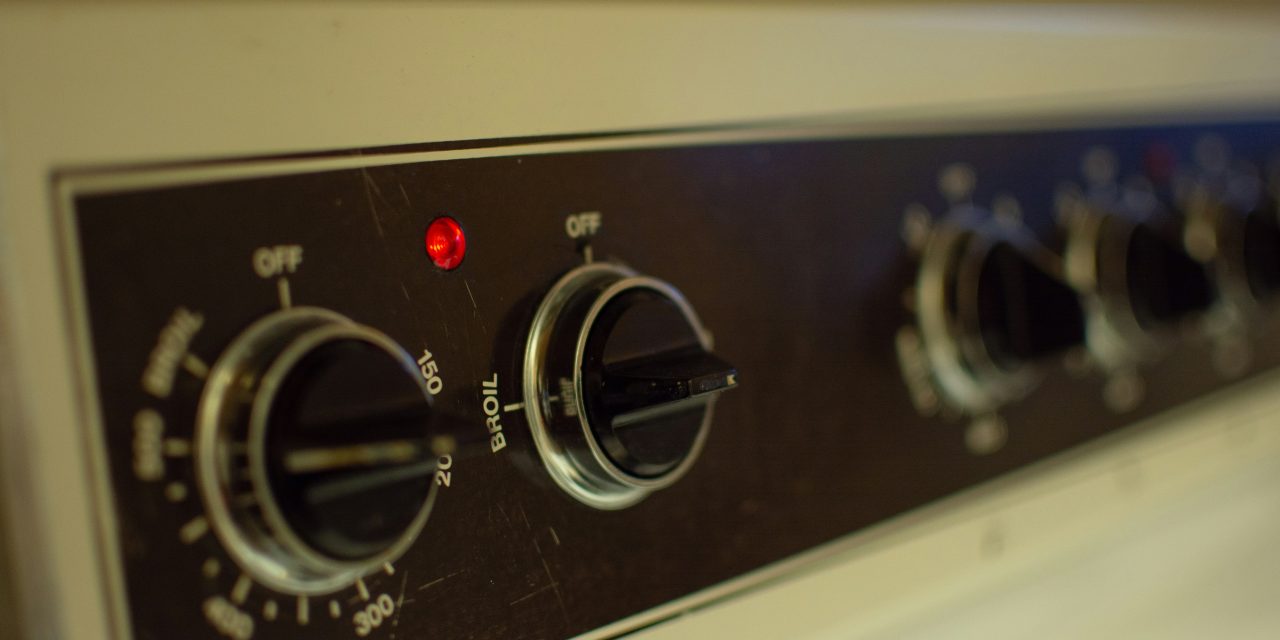
The thermostat serves as the brain of your heating system, regulating temperature and ensuring comfort within your living space. Before delving into more complex troubleshooting, it is prudent to verify that the thermostat settings are correctly configured. Ensure that the thermostat is set to “heat” mode and that the desired temperature is higher than the current room temperature. A common oversight is neglecting to replace batteries in battery-operated thermostats, which can lead to malfunction or failure to communicate with the furnace.
In addition to checking the mode and temperature settings, inspect the thermostat for any signs of malfunction. If the display is blank or flickering, it may indicate a need for replacement or repair. Furthermore, consider the location of the thermostat; if it is placed near drafts, heat sources, or in direct sunlight, it may provide inaccurate readings, leading to improper furnace operation. Adjusting its position or installing a new unit may be necessary for optimal performance.
Inspect the Furnace Power Supply
A furnace requires a reliable power supply to function effectively. Begin by examining the power source connected to the furnace. Ensure that the unit is plugged in and that any switches controlling power are in the “on” position. If your furnace operates on electricity, check for any tripped circuit breakers or blown fuses that may interrupt power flow. Resetting a tripped breaker or replacing a blown fuse can often resolve power-related issues.
In gas furnaces, ensure that the gas valve is open and that there are no interruptions in the gas supply line. A lack of gas can prevent ignition and cause the furnace to fail to operate. If you suspect an issue with the gas supply, contact your utility provider for assistance. Additionally, inspect any visible wiring for signs of wear or damage, as frayed wires can lead to electrical failures and pose safety hazards.
Examine the Circuit Breaker and Fuses

The circuit breaker and fuses play a crucial role in protecting your furnace from electrical overloads. If your furnace is not functioning, it is essential to examine these components thoroughly. Locate your home’s electrical panel and identify the breaker associated with the furnace. If it has tripped, reset it by flipping it back to the “on” position. If it continues to trip after resetting, this may indicate an underlying electrical issue that requires professional evaluation.
Fuses can also blow due to excessive current draw or short circuits within the system. Inspect any fuses related to the furnace and replace them if necessary. It is advisable to use fuses with the correct amperage rating to prevent future occurrences. Regular maintenance of these electrical components can help ensure consistent operation of your heating system and prevent unexpected failures.
Verify the Pilot Light or Ignition System

For gas furnaces, verifying the pilot light or ignition system is a critical step in troubleshooting heating issues. The pilot light should burn steadily with a blue flame; if it is out or burning yellow, this may indicate a problem with gas flow or combustion efficiency. To relight a pilot light, follow the manufacturer’s instructions carefully, ensuring safety precautions are observed.
Modern furnaces often utilize electronic ignition systems instead of pilot lights. In such cases, check for any error codes displayed on the control panel that may indicate ignition failure. If the ignition system fails to operate correctly, it may require cleaning or replacement of components such as ignitors or flame sensors. Regular inspection of these systems can enhance reliability and efficiency.
Replace or Clean the Air Filter
The air filter plays a vital role in maintaining indoor air quality and ensuring efficient furnace operation. A clogged or dirty filter can restrict airflow, leading to overheating and potential system failure. It is recommended to inspect and replace or clean the air filter every one to three months, depending on usage and environmental factors such as dust and allergens.
When replacing an air filter, ensure that you select one with an appropriate MERV (Minimum Efficiency Reporting Value) rating for your system. Higher-rated filters capture smaller particles but may restrict airflow if not compatible with your furnace design. Regular maintenance of air filters not only prolongs the life of your heating system but also contributes to healthier indoor air quality.
Assess the Furnace Door and Safety Switch
Furnaces are equipped with safety switches that prevent operation when access panels are open or improperly secured. Inspect the furnace door to ensure it is closed tightly and that all safety switches are engaged. If the door is ajar or if a safety switch is malfunctioning, the furnace will not operate as a precautionary measure.
If you find that the door is secure yet the furnace still fails to start, there may be an issue with the safety switch itself. Testing these switches for continuity using a multimeter can help determine if they are functioning correctly. If faulty, replacement of these components is necessary to restore safe operation.
Look for Error Codes or Indicator Lights
Modern furnaces often feature diagnostic systems that display error codes or indicator lights when malfunctions occur. Consult your furnace’s user manual to interpret these codes accurately; they can provide valuable insights into specific issues affecting performance. Common error codes may relate to ignition failures, overheating, or sensor malfunctions.
If your furnace displays an error code, take note of it before attempting any repairs. This information can be beneficial when consulting with a professional HVAC technician for further diagnosis and repair. Understanding these codes can expedite troubleshooting efforts and lead to more efficient resolutions.
Ensure Proper Gas Supply and Valve Position
For gas furnaces, ensuring an adequate gas supply is paramount for proper operation. Begin by checking that the gas valve supplying fuel to the furnace is fully open; a partially closed valve can restrict gas flow and prevent ignition. Additionally, inspect for any signs of leaks in gas lines or connections; if detected, evacuate the area immediately and contact emergency services.
If you suspect issues with gas pressure or supply from your utility provider, do not hesitate to reach out for assistance. Regular maintenance checks on gas lines and valves can help prevent potential hazards and ensure consistent heating performance throughout colder months.
Test the Blower Motor and Fan
The blower motor is responsible for circulating heated air throughout your home; if it malfunctions, you may experience inadequate heating or no airflow at all. Begin by listening for unusual noises from the blower motor during operation; grinding or squealing sounds may indicate mechanical issues requiring attention.
To test the blower motor’s functionality, observe whether it starts when called upon by the thermostat. If it fails to operate, check for any obstructions in the fan blades or ductwork that could impede airflow. Additionally, inspect electrical connections leading to the motor for signs of wear or damage. If necessary, consult a professional technician for repairs or replacement of faulty components.
Check for Blocked Vents and Airflow Issues
Blocked vents can significantly hinder your heating system’s efficiency and performance. Inspect all supply vents throughout your home to ensure they are unobstructed by furniture, drapes, or other objects that could impede airflow. Additionally, check return vents for blockages that could disrupt circulation patterns within your heating system.
If airflow issues persist despite clear vents, consider having your ductwork inspected for leaks or blockages caused by debris accumulation over time. Regular cleaning and maintenance of ducts can enhance overall system efficiency and improve indoor air quality.
When to Call a Professional HVAC Technician
While many troubleshooting steps can be performed independently, certain situations warrant professional intervention from an HVAC technician. If you encounter persistent issues despite following these guidelines or if you feel uncomfortable performing any repairs yourself, do not hesitate to seek expert assistance.
Professional technicians possess specialized training and tools necessary for diagnosing complex problems within heating systems safely and effectively. They can conduct comprehensive inspections, perform necessary repairs, and provide valuable recommendations for maintaining optimal performance throughout the heating season.
In summary, maintaining an efficient heating system requires regular inspections and proactive troubleshooting measures. By checking thermostat settings, inspecting power supplies, examining circuit breakers, verifying ignition systems, replacing air filters, assessing safety switches, interpreting error codes, ensuring proper gas supply, testing blower motors, checking vents for blockages, and knowing when to call professionals, homeowners can enhance their heating system’s reliability and longevity while ensuring comfort during colder months.
FAQs
What are the common reasons a furnace won’t turn on?
Common reasons for a furnace not turning on include a tripped circuit breaker, a blown fuse, a malfunctioning thermostat, a dirty air filter, or issues with the gas supply. It’s essential to check these components before calling a professional.
How can I check if my thermostat is working properly?
To check if your thermostat is functioning, ensure it is set to ‘heat’ and the temperature setting is higher than the current room temperature. You can also replace the batteries if it’s a battery-operated model and clean any dust or debris from the unit.
What should I do if my furnace is making strange noises?
If your furnace is making strange noises, such as banging, rattling, or squealing, it could indicate a mechanical issue. It’s advisable to turn off the furnace and consult a professional technician to diagnose and fix the problem to avoid further damage.
How often should I change my furnace filter?
Furnace filters should typically be changed every 1 to 3 months, depending on usage and the type of filter. A clean filter ensures proper airflow and efficiency, while a dirty filter can restrict airflow and cause the furnace to malfunction.
What safety precautions should I take before inspecting my furnace?
Before inspecting your furnace, ensure that the power is turned off at the circuit breaker to prevent electrical shock. Additionally, if your furnace uses gas, turn off the gas supply. Always follow the manufacturer’s guidelines and consider hiring a professional if you’re unsure.