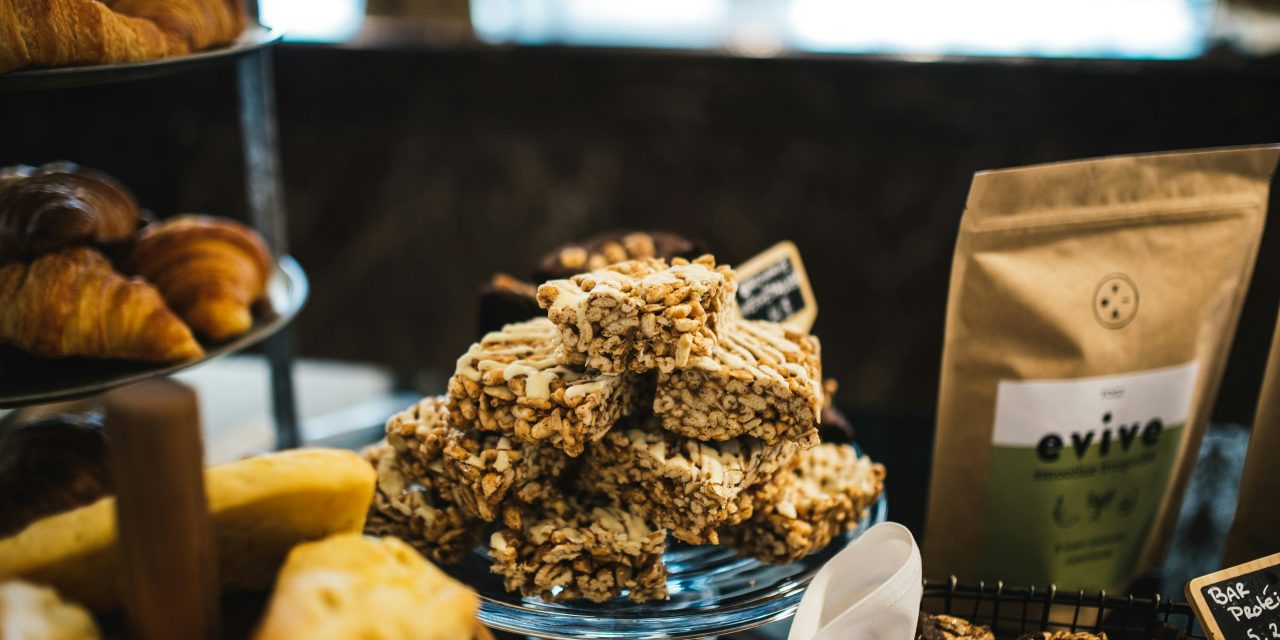
Granola bars have become a staple in the diets of many individuals seeking convenient, nutritious snacks. These bars are often marketed as healthy alternatives to traditional snacks, packed with oats, nuts, seeds, and dried fruits. However, understanding the shelf life of granola bars is crucial for consumers who wish to enjoy them at their best quality. The shelf life refers to the duration during which the product maintains its intended flavor, texture, and nutritional value. Factors such as ingredients, packaging, and storage conditions significantly influence how long granola bars remain fresh.
The importance of knowing the shelf life cannot be overstated. Consuming expired granola bars may lead to unpleasant taste experiences or even foodborne illnesses. Therefore, it is essential to be informed about the various elements that contribute to the longevity of these popular snacks. This article will delve into the factors affecting granola bar freshness, typical shelf life expectations, and best practices for storage and consumption.
When considering the shelf life of granola bars, it’s important to understand how proper storage can extend their freshness and quality. For tips on maintaining an organized and efficient home, which can include managing your pantry and food items, you might find this article helpful: 10 Tips to Create a Realistic Weekend Cleaning Routine That Works. By implementing a cleaning routine, you can ensure that your food storage areas are kept tidy and that your granola bars remain in optimal condition for longer.
Common Ingredients Affecting Freshness
The composition of granola bars plays a pivotal role in determining their shelf life. Common ingredients include oats, nuts, seeds, sweeteners like honey or agave syrup, and binding agents such as nut butter or oils. Each of these components has unique properties that can either enhance or diminish freshness over time. For instance, nuts and seeds contain oils that can become rancid when exposed to air and light, leading to off-flavors and a decline in nutritional quality.
Additionally, sweeteners can impact moisture content within the bars. High moisture levels can promote microbial growth, leading to spoilage. Conversely, low-moisture ingredients may contribute to a longer shelf life but could result in a drier texture. Understanding these ingredient interactions is vital for consumers who wish to select granola bars that will remain fresh for extended periods.
Typical Shelf Life of Store-Bought Granola Bars

Store-bought granola bars typically have a shelf life ranging from six months to one year when stored properly. This duration can vary based on the specific brand and formulation. Many manufacturers include a “best by” date on the packaging, which serves as a guideline for optimal freshness rather than an expiration date. It is important to note that while granola bars may still be safe to consume after this date, their taste and texture may not be at their peak.
Factors such as preservatives and packaging materials can also influence the longevity of store-bought options. Bars that contain preservatives like tocopherols or citric acid may last longer than those without such additives. Additionally, vacuum-sealed or individually wrapped bars tend to maintain freshness better than those packaged in bulk.
Homemade Granola Bars: How Long Do They Last?

Homemade granola bars offer a customizable alternative to store-bought varieties but generally have a shorter shelf life. Typically, homemade bars can last anywhere from one week to three weeks when stored in an airtight container at room temperature. The absence of preservatives and commercial packaging means that these bars are more susceptible to spoilage.
To extend the freshness of homemade granola bars, consider incorporating ingredients with longer shelf lives, such as dried fruits or seeds that have been roasted without added oils. Additionally, refrigeration can help prolong their edibility; however, this may alter the texture and make them less enjoyable to eat. Ultimately, consumers should be mindful of the ingredients used and adjust their expectations regarding freshness accordingly.
When considering the shelf life of granola bars, it’s important to understand how various factors can affect their freshness and quality over time. For a deeper insight into related topics, you might find this article on garage door issues interesting, as it explores unexpected problems that can arise in everyday life. Understanding these nuances can help you make better choices not only in your pantry but also in maintaining your home. If you’re curious, you can read more about it here.
How Packaging Influences Shelf Life
Packaging plays a critical role in preserving the quality of granola bars. Effective packaging minimizes exposure to air, moisture, and light—three primary factors that contribute to spoilage. Many manufacturers utilize vacuum-sealed bags or foil wrappers that provide an airtight environment, significantly extending shelf life.
Moreover, packaging materials can also affect consumer perception of freshness. For example, transparent packaging may allow consumers to see the product but can also expose it to light degradation over time. On the other hand, opaque packaging protects against light exposure but may not provide the same visual appeal. Understanding these nuances can help consumers make informed choices when selecting granola bars.
The Role of Preservatives in Extending Freshness
Preservatives are substances added to food products to inhibit spoilage and extend shelf life. In granola bars, common preservatives include natural options like vitamin E (tocopherol) and citric acid, which help prevent oxidation and rancidity. These additives work by slowing down the chemical reactions that lead to spoilage while maintaining the product’s safety for consumption.
While some consumers prefer preservative-free options due to health concerns or dietary preferences, it is essential to recognize that preservatives can significantly enhance the longevity of granola bars. When choosing between products, individuals should weigh the benefits of extended freshness against their personal dietary choices.
Signs Your Granola Bar Has Gone Bad
Identifying spoiled granola bars is crucial for maintaining health and safety. Several indicators suggest that a granola bar has deteriorated beyond its prime:
1. **Off Odor**: A rancid smell is often the first sign of spoilage due to oxidized fats.
2. **Texture Changes**: If the bar feels excessively hard or crumbly instead of chewy or crunchy, it may have lost its freshness.
3. **Mold Growth**: Visible mold or discoloration indicates microbial contamination.
4. **Taste Alteration**: A bitter or sour taste suggests that the ingredients have degraded.
If any of these signs are present, it is advisable to discard the granola bar rather than risk potential health issues.
Proper Storage Tips to Maximize Shelf Life
To maximize the shelf life of granola bars, proper storage techniques are essential. Here are several effective strategies:
1. **Airtight Containers**: Store granola bars in airtight containers or resealable bags to minimize exposure to air and moisture.
2. **Cool Environment**: Keep them in a cool, dry place away from direct sunlight and heat sources.
3. **Refrigeration**: For homemade varieties or those without preservatives, refrigeration can help prolong freshness.
4. **Avoid Bulk Packaging**: If purchasing in bulk, consider transferring individual servings into smaller containers for daily use.
By implementing these storage practices, consumers can enjoy their granola bars at optimal quality for an extended period.
Impact of Temperature and Humidity on Granola Bars
Temperature and humidity are critical environmental factors influencing the freshness of granola bars. High humidity levels can lead to moisture absorption, resulting in soggy textures and promoting mold growth. Conversely, excessively low temperatures may cause fats within the bars to solidify, altering their mouthfeel.
The ideal storage temperature for granola bars is between 50°F (10°C) and 70°F (21°C). Maintaining this range helps preserve flavor and texture while minimizing spoilage risks associated with extreme conditions.
Can You Freeze Granola Bars to Extend Freshness?
Freezing granola bars is an effective method for extending their freshness beyond typical shelf life expectations. When properly wrapped in plastic wrap or aluminum foil and placed in an airtight container or freezer bag, granola bars can last up to three months in the freezer without significant loss of quality.
To thaw frozen granola bars, simply remove them from the freezer and allow them to sit at room temperature for about 30 minutes before consuming. This method preserves both flavor and texture while providing a convenient option for those who wish to stock up on their favorite snacks.
Best Practices for Enjoying Fresh Granola Bars
In conclusion, understanding the factors influencing granola bar shelf life is essential for maximizing enjoyment and safety when consuming these popular snacks. By considering ingredient composition, packaging methods, and proper storage techniques, consumers can ensure they enjoy fresh granola bars at their best quality.
Whether opting for store-bought varieties with preservatives or crafting homemade versions with carefully selected ingredients, awareness of shelf life will enhance overall satisfaction with these nutritious snacks. By following best practices for storage and recognizing signs of spoilage, individuals can confidently incorporate granola bars into their diets while minimizing waste and maximizing flavor.
In summary:
– Granola bar shelf life varies based on ingredients and packaging.
– Store-bought options typically last six months to one year.
– Homemade varieties last one week to three weeks.
– Proper storage techniques can significantly extend freshness.
– Freezing is an effective method for long-term preservation.
– Awareness of spoilage signs ensures safe consumption.
By adhering to these guidelines, consumers can enjoy delicious and nutritious granola bars without compromising on quality or safety.
FAQs
What is the typical shelf life of granola bars?
The typical shelf life of granola bars ranges from 6 to 12 months when stored properly in a cool, dry place. However, this can vary based on the ingredients used and whether the bars are homemade or commercially produced.
How can I tell if a granola bar has gone bad?
You can tell if a granola bar has gone bad by checking for signs such as an off smell, changes in texture, or visible mold. If the bar has an unusual taste or appearance, it is best to discard it.
Do granola bars need to be refrigerated?
Granola bars do not need to be refrigerated, but storing them in the fridge can extend their shelf life, especially if they contain perishable ingredients like chocolate or yogurt. However, refrigeration may alter their texture.
Can I freeze granola bars to extend their shelf life?
Yes, you can freeze granola bars to extend their shelf life. When properly wrapped in airtight packaging, they can last for several months in the freezer without significant loss of quality.
What factors affect the shelf life of granola bars?
Several factors affect the shelf life of granola bars, including the ingredients used (e.g., nuts, fruits, preservatives), packaging, storage conditions (temperature and humidity), and whether they are homemade or store-bought.