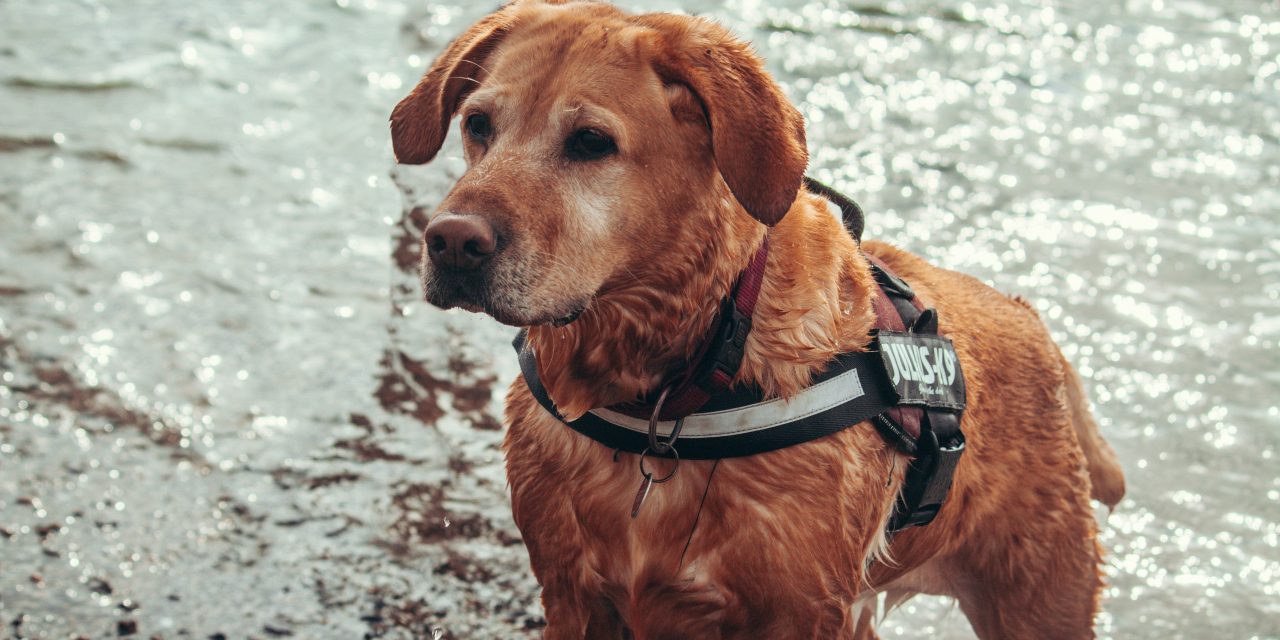
Harnesses have become increasingly popular among dog owners, and for good reason. Unlike traditional collars, which can exert pressure on a dog’s neck and throat, harnesses distribute weight more evenly across the dog’s body. This design minimizes the risk of injury, particularly for breeds prone to respiratory issues or those with delicate neck structures. Additionally, harnesses provide better control over your pet, making them an excellent choice for training and managing behavior during walks.
Moreover, harnesses can enhance the overall walking experience for both the dog and the owner. They allow for a more comfortable fit, reducing the likelihood of pulling and tugging that can lead to frustration. Many harnesses come equipped with features such as reflective strips for nighttime visibility, padded straps for comfort, and multiple attachment points for leashes. These benefits contribute to a safer and more enjoyable outing, fostering a stronger bond between the dog and its owner.
Choosing the Right Harness for Your Dog’s Size and Breed
Selecting an appropriate harness requires careful consideration of your dog’s size, breed, and specific needs. Harnesses come in various styles, including front-clip, back-clip, and no-pull designs. For small breeds or puppies, lightweight and adjustable harnesses are ideal to ensure a snug fit without causing discomfort. Conversely, larger breeds may benefit from sturdier harnesses that can withstand their strength while providing adequate support.
When choosing a harness, it is crucial to measure your dog accurately. Use a soft measuring tape to determine the circumference of their chest and neck. Many manufacturers provide sizing charts that correlate measurements with specific harness sizes. Additionally, consider your dog’s activity level; active dogs may require a more durable harness designed for outdoor adventures, while less active dogs might do well with a simple everyday harness.
Introducing the Harness Gradually to Avoid Overwhelm

Introducing a harness to your dog should be a gradual process to prevent overwhelming them. Start by allowing your dog to see and sniff the harness without any pressure to wear it. This initial introduction helps them become familiar with the object and reduces anxiety associated with new experiences. You can place the harness near their favorite resting spot or during playtime to create positive associations.
Once your dog appears comfortable with the harness’s presence, you can begin to introduce it in short sessions. Gently drape the harness over their back without fastening it initially. This step allows your dog to acclimate to the sensation of having something on their body without feeling confined. Gradually increase the duration of these sessions until your dog shows no signs of distress or discomfort.
Allowing Your Dog to Inspect and Sniff the Harness

Dogs are naturally curious creatures, and allowing them to inspect and sniff the harness is an essential part of the acclimatization process. By engaging their sense of smell, you help them associate the harness with positive experiences. Encourage this exploration by using treats or toys as incentives. For instance, you can place treats inside or near the harness to create a rewarding environment.
This exploratory phase not only builds trust but also fosters a sense of ownership over the harness. When dogs feel they have control over their environment, they are more likely to embrace new experiences positively. Allowing them to engage with the harness at their own pace can significantly reduce anxiety and resistance when it comes time to wear it.
Using Positive Reinforcement to Create a Positive Association
Positive reinforcement is a powerful tool in training and behavior modification. When introducing your dog to a harness, use treats, praise, and affection as rewards for calm behavior during each step of the process. For example, when your dog allows you to put on the harness without fussing, immediately reward them with a treat or verbal praise like “good boy” or “good girl.”
Consistency is key in this approach; ensure that every positive interaction with the harness is met with reinforcement. Over time, your dog will begin to associate wearing the harness with positive outcomes, making them more willing to wear it during walks or outings. This method not only enhances their comfort level but also strengthens your bond through shared experiences.
Practicing Putting the Harness On and Taking It Off Slowly
Once your dog is comfortable with the presence of the harness, it’s time to practice putting it on and taking it off slowly. Begin by allowing your dog to sit calmly while you gently slide the harness over their head or body, depending on its design. Take your time during this process; rushing can lead to anxiety or resistance.
After successfully putting on the harness, allow your dog to wear it for short periods while engaging in play or other enjoyable activities. This practice helps them acclimate to the sensation of wearing it without associating it solely with walks or training sessions. When it’s time to remove the harness, do so gently and reward your dog afterward to reinforce that taking it off is also a positive experience.
Adjusting the Harness for a Comfortable and Secure Fit
A well-fitted harness is crucial for both comfort and safety during walks. After putting on the harness, check that it fits snugly but not too tightly; you should be able to fit two fingers between the harness and your dog’s skin. Pay attention to areas where chafing might occur, such as under the arms or around the neck.
Many harnesses come with adjustable straps that allow you to customize the fit according to your dog’s body shape. Regularly reassess the fit as your dog grows or if they gain or lose weight. A properly adjusted harness not only enhances comfort but also prevents escape attempts during walks, ensuring that your dog remains secure while exploring their surroundings.
Distracting Your Dog with Treats and Toys During Harness Time
Distraction techniques can be incredibly effective when introducing your dog to a harness. Use treats or toys as tools to divert their attention away from any apprehension they may feel about wearing it. For instance, while putting on the harness, offer a favorite toy or treat that they can focus on instead of fixating on the harness itself.
Incorporating playtime into this process can also help alleviate anxiety. Engage your dog in a game of fetch or tug-of-war while they wear the harness for short periods. This approach not only distracts them but also reinforces positive associations with wearing the harness during enjoyable activities.
Taking Short Walks Indoors to Build Confidence
Before venturing outdoors, consider taking short walks indoors while your dog wears the harness. This controlled environment allows them to become accustomed to walking in a harness without overwhelming stimuli from outside distractions such as other dogs or loud noises. Start by walking around familiar spaces in your home where your dog feels comfortable.
Gradually increase the distance as your dog becomes more confident in their movements while wearing the harness. Use this time to reinforce positive behaviors through treats and praise whenever they walk calmly beside you. Building confidence indoors sets a solid foundation for successful outdoor experiences later on.
Increasing Walk Duration and Exploring New Environments
Once your dog has adjusted well to wearing the harness indoors, it’s time to transition outside for short walks in familiar environments such as your backyard or quiet neighborhood streets. Start with brief outings that last no longer than 10-15 minutes, gradually increasing duration as your dog’s comfort level grows.
As they become more accustomed to wearing the harness outdoors, introduce new environments gradually—such as parks or trails—while monitoring their behavior closely. Pay attention to signs of stress or discomfort; if they seem overwhelmed, take a step back and allow them time to acclimate before attempting longer walks in busier areas.
Monitoring Your Dog’s Behavior and Making Adjustments as Needed
Throughout this entire process, it’s essential to monitor your dog’s behavior closely and make adjustments as needed. Every dog is unique; some may adapt quickly while others require more time and patience. Look for signs of stress such as excessive panting, whining, or attempts to escape from the harness.
If you notice any negative behaviors emerging during training sessions or walks, consider revisiting earlier steps in this process—such as allowing more time for inspection or using additional positive reinforcement techniques—to help alleviate anxiety. Remember that patience is key; fostering a positive relationship between your dog and their harness will ultimately lead to enjoyable walks and adventures together.
In summary, introducing a harness to your dog involves understanding its benefits, selecting an appropriate style based on size and breed, and gradually acclimating them through positive reinforcement techniques. By allowing inspection time, practicing fitting methods slowly, adjusting for comfort, distracting with treats during sessions, taking short indoor walks first before venturing outside gradually—owners can ensure their pets develop confidence while wearing their new gear! Monitoring behavior throughout this journey ensures adjustments can be made when necessary—ultimately leading towards successful outings filled with joy!
FAQs
Why should I use a harness instead of a collar for my dog?
A harness distributes pressure across a dog’s body rather than concentrating it on the neck, which can prevent injury, especially for dogs that pull on the leash. It also provides better control and can be more comfortable for dogs, particularly those with respiratory issues or brachycephalic breeds.
How can I choose the right harness for my dog?
To choose the right harness, measure your dog’s chest and neck to find the appropriate size. Look for a harness that fits snugly but allows for some movement without being too tight. Consider the type of harness (e.g., front-clip, back-clip, or no-pull) based on your dog’s behavior and training needs.
What steps can I take to help my dog get used to wearing a harness?
Start by allowing your dog to sniff and explore the harness before putting it on. Gradually introduce it by placing it on your dog for short periods while offering treats and praise. Increase the duration over time and associate the harness with positive experiences, such as walks or playtime.
How long does it typically take for a dog to get comfortable with a harness?
The time it takes for a dog to get comfortable with a harness can vary widely depending on the individual dog’s temperament and previous experiences. Some dogs may adapt within a few days, while others may take weeks. Patience and consistent positive reinforcement are key to helping your dog adjust.
Can I use a harness for training purposes?
Yes, harnesses can be effective training tools, especially for dogs that pull on the leash. Front-clip harnesses can help redirect a dog’s attention back to the owner, making it easier to train loose-leash walking. However, it’s important to combine harness use with proper training techniques for the best results.