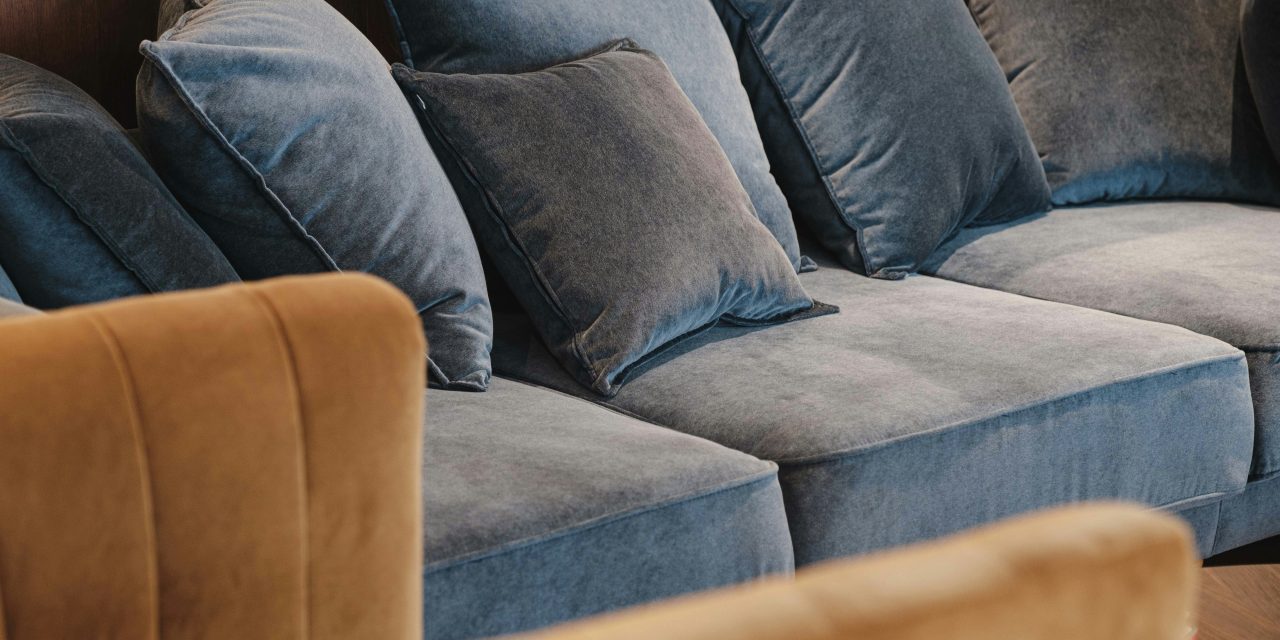
Velvet upholstery is a luxurious fabric that has captivated the hearts of many due to its rich texture and opulent appearance. Traditionally made from silk, modern velvet can also be crafted from cotton, polyester, or a blend of synthetic fibers. Each type of velvet possesses unique characteristics that influence its durability, sheen, and maintenance requirements. For instance, silk velvet is renowned for its softness and luster but is also more susceptible to staining and wear. In contrast, polyester velvet offers enhanced durability and stain resistance, making it a popular choice for high-traffic areas.
Caring for velvet upholstery requires a nuanced approach to preserve its beauty and longevity. Regular maintenance, such as gentle brushing with a soft-bristled brush or vacuuming with a low-suction attachment, can help prevent dirt accumulation. Additionally, it is crucial to avoid exposing velvet to direct sunlight for prolonged periods, as this can lead to fading and deterioration of the fibers. Understanding the specific type of velvet in your upholstery will guide you in selecting appropriate cleaning methods and products, ensuring that your furniture remains in pristine condition.
Identifying Different Types of Stains on Velvet
Stains on velvet upholstery can arise from various sources, each requiring a tailored approach for effective removal. Common types of stains include water-based stains, such as spills from beverages or food, which can often be treated with simple cleaning solutions. Oil-based stains, including grease or makeup smudges, present a more significant challenge due to their tendency to penetrate the fabric fibers. Additionally, ink and dye stains can be particularly stubborn, often requiring specialized treatments to avoid permanent discoloration.
Recognizing the nature of the stain is essential for successful cleaning. Water-based stains typically manifest as darkened patches on the fabric surface, while oil-based stains may appear shiny or greasy. Ink stains often leave behind a distinct mark that can vary in color depending on the ink type. By accurately identifying the stain type, you can select the most effective cleaning method and avoid causing further damage to the delicate velvet fibers.
Essential Tools and Materials for Cleaning Velvet

To effectively clean velvet upholstery, it is vital to gather the appropriate tools and materials beforehand. Essential items include a soft-bristled brush, a vacuum cleaner with an upholstery attachment, clean white cloths or paper towels, and a spray bottle for applying cleaning solutions. Additionally, having a mild detergent or specialized velvet cleaner on hand will facilitate the removal of various stains without compromising the fabric’s integrity.
For more stubborn stains, consider incorporating rubbing alcohol or white vinegar into your cleaning arsenal. These substances can effectively break down grease and ink stains when used correctly. It is also advisable to have a bowl of lukewarm water available for rinsing cloths or diluting cleaning solutions. By assembling these tools and materials prior to beginning the cleaning process, you will ensure a more efficient and organized approach to maintaining your velvet upholstery.
Preparing the Velvet Upholstery for Stain Removal

Before embarking on the stain removal process, it is crucial to prepare the velvet upholstery adequately. Start by removing any loose debris or dirt from the surface using a vacuum cleaner equipped with an upholstery attachment. This step will prevent dirt from being ground into the fabric during the cleaning process. Next, gently brush the fabric with a soft-bristled brush to lift any matted fibers and restore its natural texture.
Once the surface is clean, assess the stained area closely to determine the best course of action. If the stain is fresh, blot it gently with a clean white cloth to absorb excess liquid without rubbing it further into the fabric. For older stains, it may be necessary to test various cleaning solutions on inconspicuous areas before proceeding with full treatment. Proper preparation sets the stage for effective stain removal while minimizing the risk of damage to your cherished velvet upholstery.
Testing Cleaning Solutions on a Hidden Area
Before applying any cleaning solution directly onto your velvet upholstery, it is imperative to conduct a patch test on a hidden area of the fabric. This precautionary measure helps ensure that the chosen cleaner does not cause discoloration or damage to the fibers. To perform this test, apply a small amount of the cleaning solution onto a clean white cloth and dab it onto an inconspicuous section of the upholstery.
Observe the test area for any adverse reactions over a few minutes. If there is no discoloration or change in texture, you can proceed with confidence to treat the stained area. However, if any negative effects are observed, it is advisable to try an alternative cleaning solution or consult professional cleaning services specializing in velvet upholstery care.
Using Gentle Vacuuming to Remove Surface Dirt
Gentle vacuuming is an essential step in maintaining velvet upholstery and preparing it for deeper cleaning. Using a vacuum cleaner equipped with an upholstery attachment allows you to remove surface dirt and dust without damaging the delicate fibers of the fabric. It is important to use low suction settings to avoid pulling or snagging the material.
When vacuuming, work in sections and follow the direction of the fabric nap to lift dirt effectively without flattening the fibers. Pay special attention to seams and crevices where dirt tends to accumulate. Regular vacuuming not only enhances the appearance of your velvet upholstery but also prolongs its lifespan by preventing dirt buildup that can lead to wear and tear over time.
Removing Water-Based Stains from Velvet Upholstery
Water-based stains are among the most common issues faced by velvet upholstery owners. These stains can result from spills such as coffee, tea, or juice and are typically easier to treat than their oil-based counterparts. To remove water-based stains effectively, start by blotting the affected area gently with a clean white cloth or paper towel to absorb excess liquid.
Next, prepare a mild cleaning solution by mixing lukewarm water with a few drops of gentle detergent or specialized velvet cleaner in a spray bottle. Lightly mist the stained area with this solution and use a clean cloth to dab at the stain gently. Avoid rubbing vigorously, as this can damage the fabric fibers. Continue blotting until the stain lifts, then rinse the area with a damp cloth to remove any soap residue before allowing it to air dry completely.
Tackling Oil-Based and Grease Stains Safely
Oil-based and grease stains pose a more significant challenge when it comes to cleaning velvet upholstery due to their tendency to penetrate deeply into the fabric fibers. To address these types of stains effectively, begin by blotting any excess oil with a clean white cloth or paper towel—taking care not to rub it further into the fabric.
For treatment, sprinkle cornstarch or talcum powder over the stained area and allow it to sit for at least 15 minutes. These powders will absorb excess oil from the fabric. Afterward, gently brush away the powder using a soft-bristled brush before vacuuming any remaining residue. If necessary, follow up with a specialized upholstery cleaner designed for oil-based stains, applying it according to manufacturer instructions while ensuring that you conduct a patch test first.
Dealing with Ink and Dye Stains on Velvet
Ink and dye stains can be particularly troublesome on velvet upholstery due to their potential for permanent discoloration if not treated promptly and correctly. To tackle these stains effectively, start by blotting any excess ink with a clean white cloth—taking care not to rub it into the fabric further.
For ink stains specifically, apply rubbing alcohol onto a clean cloth and dab it onto the stained area gently. Work from the outside of the stain toward the center to prevent spreading. Continue blotting until you see improvement; however, avoid saturating the fabric excessively as this may lead to water rings or further damage. For dye stains, consider using specialized dye removers formulated for delicate fabrics while adhering strictly to patch testing protocols before application.
Drying and Fluffing Velvet After Cleaning
After successfully removing stains from your velvet upholstery, proper drying techniques are essential for maintaining its luxurious appearance. Avoid using heat sources such as hair dryers or radiators, as these can cause damage or shrinkage of the fabric fibers. Instead, allow your upholstery to air dry naturally in a well-ventilated area away from direct sunlight.
Once dry, gently fluff the fabric using a soft-bristled brush in the direction of the nap to restore its original texture and sheen. This step not only enhances its appearance but also helps prevent matting that can occur after cleaning. Regular fluffing will keep your velvet looking fresh and inviting while prolonging its lifespan.
Preventative Tips to Keep Velvet Upholstery Stain-Free
Preventing stains on velvet upholstery requires proactive measures that focus on both maintenance and protection. One effective strategy is applying a fabric protector specifically designed for velvet materials after cleaning; this creates an invisible barrier against spills and dirt accumulation while allowing breathability.
Regularly vacuuming your velvet furniture will help minimize dust buildup and prevent dirt from settling into fibers over time. Additionally, consider placing coasters under beverages and using trays for food items when entertaining guests—this simple practice can significantly reduce accidental spills that lead to staining.
Finally, rotating cushions periodically will help distribute wear evenly across your upholstery while maintaining its aesthetic appeal. By implementing these preventative measures alongside regular maintenance routines, you can enjoy your beautiful velvet furniture without worrying about unsightly stains.
In summary, caring for velvet upholstery involves understanding its unique characteristics and employing appropriate cleaning techniques tailored to various types of stains. By gathering essential tools and materials beforehand and preparing your furniture properly for stain removal, you can effectively maintain its luxurious appearance over time. Regular preventative measures will further enhance its longevity while ensuring that your investment remains beautiful for years to come.