When faced with the unfortunate incident of vomit on a rug, the first step is to assess the situation meticulously. Understanding the type of vomit is crucial, as it can vary significantly based on dietary habits, health conditions, or even the presence of foreign objects. For instance, if the vomit is predominantly liquid, it may indicate a recent meal or an upset stomach. Conversely, if it contains solid food particles, it could suggest a more severe gastrointestinal issue. Additionally, the color and consistency can provide insights into potential health concerns that may require veterinary attention.
Equally important is identifying the rug material. Rugs can be made from various fibers, including wool, nylon, polyester, or natural fibers like jute and cotton. Each material has unique properties that affect how it reacts to cleaning agents and methods. For example, wool rugs are known for their durability but can be sensitive to harsh chemicals, while synthetic fibers may withstand more aggressive cleaning solutions. Understanding these factors will guide your cleaning approach and help prevent further damage to your rug.
Act Quickly: Why Prompt Cleaning Matters
Timeliness is paramount when addressing vomit stains on rugs. The longer the organic matter remains on the fabric, the more challenging it becomes to remove both the stain and any lingering odors. Vomit contains enzymes and acids that can penetrate deep into the fibers, leading to permanent discoloration and unpleasant smells if not treated promptly. Additionally, bacteria present in vomit can proliferate rapidly, posing health risks to both humans and pets.
Immediate action not only aids in stain removal but also minimizes the risk of secondary damage. For instance, if left untreated, vomit can attract pests or lead to mold growth in damp conditions. By acting quickly, you can preserve the integrity of your rug and maintain a healthy living environment. Therefore, having a plan in place for such incidents can save time and effort in the long run.
Gather Essential Cleaning Supplies Before You Begin
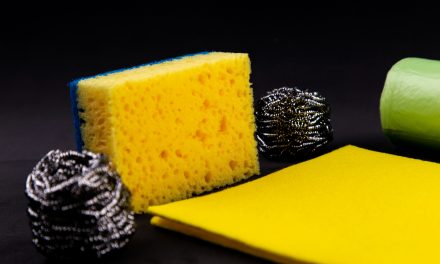
Before embarking on the cleaning process, it is essential to gather all necessary supplies to ensure an efficient and effective cleanup. A well-prepared cleaning kit should include items such as rubber gloves to protect your hands from bacteria, a plastic scraper or spoon for removing solid matter, absorbent cloths or paper towels for blotting, and a vacuum cleaner for initial debris removal.
In addition to these basic tools, having appropriate cleaning solutions on hand is vital. Depending on the rug material and the nature of the vomit, you may need enzymatic cleaners specifically designed to break down organic stains or mild detergents suitable for delicate fabrics. A spray bottle for easy application and a bucket for rinsing can also enhance your cleaning process. By assembling these supplies beforehand, you can streamline your efforts and tackle the situation with confidence.
Remove Solid Matter Carefully Without Rubbing

Once you have assessed the situation and gathered your supplies, it’s time to address the vomit directly. Begin by carefully removing any solid matter using a plastic scraper or spoon. It is crucial to avoid rubbing or scrubbing at this stage, as doing so can push the vomit deeper into the rug fibers and exacerbate staining. Instead, gently lift away solids while being mindful not to spread the mess further.
After removing solids, dispose of them in a sealed plastic bag to prevent odors from permeating your home. If any liquid remains on the surface, proceed with blotting techniques rather than scrubbing. This method will help absorb excess moisture without damaging the rug’s fibers or backing.
Blot the Area Gently to Absorb Excess Moisture
Following the removal of solid matter, focus on blotting the affected area to absorb any remaining moisture. Use clean, absorbent cloths or paper towels for this task. Start at the outer edges of the stain and work your way inward to prevent spreading. Press down firmly but gently; avoid rubbing as this can cause further damage to the rug’s texture.
Continue blotting until no more moisture transfers onto your cloths. This step is critical in preventing deeper penetration of stains and odors into the rug fibers. If necessary, repeat this process with fresh cloths until you achieve satisfactory results.
Choose the Right Cleaning Solution for Your Rug
Selecting an appropriate cleaning solution is vital for effective stain removal without damaging your rug. For synthetic rugs, mild dish soap mixed with warm water can be an effective option. However, for natural fibers like wool or cotton, it’s best to use a specialized cleaner designed for those materials to avoid shrinkage or discoloration.
Enzymatic cleaners are particularly beneficial for organic stains like vomit because they contain enzymes that break down proteins and neutralize odors effectively. Always read labels carefully to ensure compatibility with your rug material. If unsure about which product to use, consulting with a professional cleaner can provide valuable insights tailored to your specific situation.
Test Cleaning Products on a Hidden Spot First
Before applying any cleaning solution directly onto the stained area, it is prudent to conduct a patch test on an inconspicuous section of the rug. This precautionary measure helps determine whether the cleaner will cause discoloration or damage to the fibers. Apply a small amount of the solution using a clean cloth and observe any changes over a few minutes.
If no adverse reactions occur after testing, you can proceed with confidence to treat the stained area. However, if discoloration or damage is evident during testing, consider seeking alternative cleaning solutions that are safer for your specific rug material.
Apply Cleaning Solution and Blot, Don’t Scrub
Once you have confirmed that your chosen cleaning solution is safe for your rug, apply it generously but carefully to the stained area using a clean cloth or sponge. Allow the solution to sit for several minutes to penetrate and break down any remaining stains effectively. During this time, avoid scrubbing; instead, focus on blotting gently.
Blotting allows you to lift away stains without damaging the fibers or altering the texture of your rug. Continue this process until you notice significant improvement in stain visibility. If necessary, reapply the cleaning solution and repeat blotting until satisfactory results are achieved.
Rinse the Area with Clean Water and Blot Dry
After successfully treating the stain with your cleaning solution, it’s essential to rinse the area thoroughly with clean water to remove any residual cleaner that may remain in the fibers. Use a clean cloth dampened with water to blot away any remaining cleaning solution gently.
Once rinsed, continue blotting with dry cloths or paper towels until excess moisture is absorbed. This step is crucial in preventing any sticky residue from attracting dirt or causing further staining in the future. Proper rinsing also helps eliminate lingering odors associated with vomit.
Use Baking Soda or Enzyme Cleaner to Neutralize Odors
Even after thorough cleaning, odors may persist due to residual organic matter within the rug fibers. To combat this issue effectively, consider using baking soda or an enzyme-based odor neutralizer specifically designed for pet accidents.
Sprinkle a generous amount of baking soda over the affected area and allow it to sit for several hours or overnight if possible. Baking soda works by absorbing odors naturally without damaging rug fibers. Alternatively, an enzyme cleaner can be applied following manufacturer instructions for optimal results.
After allowing either treatment sufficient time to work, vacuum up any remaining baking soda or residue from the enzyme cleaner thoroughly.
Prevent Future Stains: Tips for Protecting Your Rugs from Pet Accidents
Preventing future incidents requires proactive measures aimed at safeguarding your rugs from potential stains caused by pets or other sources. One effective strategy involves establishing designated areas for pets during mealtime or playtime to minimize accidents on rugs.
Regular grooming of pets can also reduce shedding and dander that may contribute to odors in rugs over time. Additionally, investing in washable area rugs or protective covers can provide an extra layer of defense against spills and accidents.
Finally, consider training pets using positive reinforcement techniques to encourage appropriate bathroom habits outside rather than indoors. Consistency in training will yield long-term benefits in maintaining a clean living environment free from unwanted stains.
In summary, addressing vomit stains on rugs requires prompt action combined with careful assessment of materials involved and appropriate cleaning techniques tailored accordingly. By following these steps diligently—from initial assessment through prevention strategies—you can effectively manage such incidents while preserving both your rugs’ appearance and longevity.