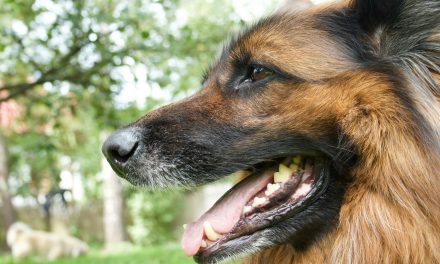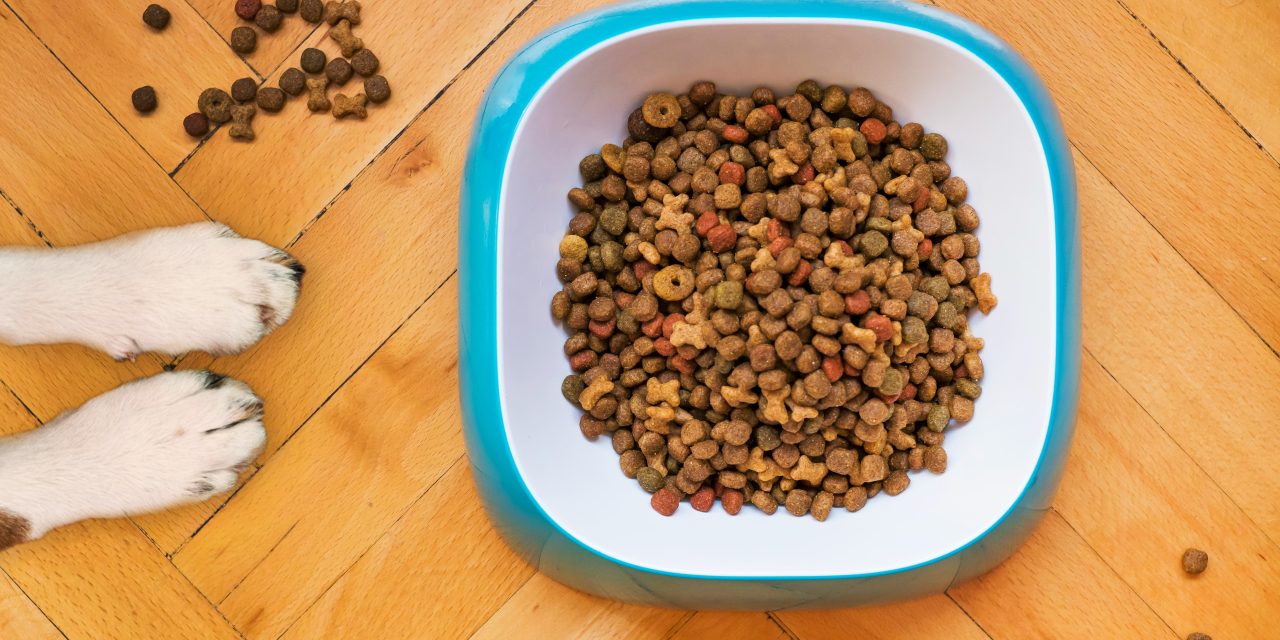
Transitioning your dog to a new diet is a critical process that requires careful consideration and planning. A gradual transition is essential to minimize gastrointestinal disturbances and ensure that your pet adapts well to the new food. Abrupt changes in diet can lead to digestive upset, including diarrhea, vomiting, and loss of appetite. The canine digestive system is sensitive and can take time to adjust to different ingredients, textures, and nutrient profiles.
Moreover, a gradual transition allows you to monitor your dog’s reaction to the new food, identifying any potential allergies or intolerances that may arise. This process not only promotes better digestion but also enhances the overall well-being of your pet. By taking the time to introduce new food slowly, you can help prevent unnecessary stress on your dog’s digestive system and foster a smoother adjustment period.
Signs Your Dog’s Stomach Is Sensitive to Food Changes
Recognizing the signs of a sensitive stomach in dogs is crucial for ensuring their health during dietary transitions. Common indicators include gastrointestinal disturbances such as diarrhea, vomiting, excessive gas, and bloating. Additionally, you may notice changes in your dog’s appetite; they might refuse to eat or show reluctance towards their food. Behavioral changes can also be telling; if your dog appears lethargic or exhibits signs of discomfort, it may be a signal that their stomach is reacting negatively to dietary changes.
Other signs include excessive licking of the lips, which can indicate nausea, or frequent trips outside, suggesting digestive distress. Monitoring these symptoms closely during the transition phase will help you determine if the new food is suitable for your pet or if adjustments need to be made. Keeping a detailed log of your dog’s reactions can provide valuable insights for both you and your veterinarian.
Choosing the Right New Dog Food for Your Pet

Selecting the appropriate dog food is paramount for ensuring your pet’s health and happiness. When considering a new diet, it is essential to evaluate the nutritional content, ingredient quality, and specific dietary needs of your dog. Look for foods that meet the standards set by the Association of American Feed Control Officials (AAFCO), which ensures that the product provides complete and balanced nutrition.
Consider your dog’s age, breed, size, and any existing health conditions when choosing a new food. For instance, puppies require higher protein levels for growth, while senior dogs may benefit from diets lower in calories but rich in fiber. Additionally, if your dog has known food sensitivities or allergies, opt for limited-ingredient diets that minimize potential allergens. Consulting with a veterinarian can provide tailored recommendations based on your dog’s unique needs.
Preparing for the Switch: What You Need to Know

Preparation is key when transitioning your dog to a new diet. Before making any changes, gather information about the new food’s ingredients and nutritional profile. Familiarize yourself with the feeding guidelines provided by the manufacturer to ensure you are offering the correct portion sizes. It is also advisable to have a plan in place for monitoring your dog’s health throughout the transition.
Additionally, consider purchasing a small bag of the new food initially to assess your dog’s acceptance before committing to larger quantities. This approach allows you to evaluate whether your pet enjoys the taste and texture without incurring unnecessary costs. Lastly, ensure that you have a consistent feeding schedule established; this routine will help regulate your dog’s digestive system during the transition.
Step-by-Step Guide to Gradually Mix Old and New Food
A systematic approach is vital when mixing old and new dog food. Start by incorporating a small amount of the new food into your dog’s current diet—approximately 25% new food mixed with 75% old food is an excellent starting point. Gradually increase the proportion of new food over a period of 7 to 10 days, adjusting based on your dog’s tolerance and response.
During this transition period, observe your dog closely for any signs of digestive upset or discomfort. If adverse reactions occur, slow down the transition process by maintaining the current ratio until your dog adjusts. Once your pet appears comfortable with the initial mix, increase the new food ratio to 50%, then 75%, before finally transitioning entirely to the new diet.
Monitoring Your Dog’s Reaction During the Transition
Monitoring your dog’s reaction during the dietary transition is crucial for identifying any potential issues early on. Keep an eye on their stool consistency; it should remain firm and well-formed throughout the process. Any significant changes in bowel movements—such as diarrhea or constipation—should be noted and addressed promptly.
Additionally, observe your dog’s energy levels and overall demeanor. A healthy dog should remain active and engaged during this period. If you notice any signs of lethargy or discomfort, it may indicate that the new food is not suitable for them. Documenting these observations will provide valuable information for discussions with your veterinarian if needed.
Adjusting the Transition Timeline Based on Your Dog’s Response
Every dog is unique, and their response to dietary changes can vary significantly. If your pet exhibits signs of digestive upset during the transition, it may be necessary to extend the timeline beyond the typical 7 to 10 days. In some cases, slowing down the process by maintaining a consistent ratio of old and new food for several additional days can help ease their adjustment.
Conversely, if your dog adapts well without any adverse reactions, you may choose to accelerate the transition timeline slightly. However, it is essential to prioritize your dog’s comfort and health over speed; rushing through this process can lead to complications that could have been avoided with a more gradual approach.
Tips for Managing Digestive Upset During Food Changes
If your dog experiences digestive upset during a food transition, there are several strategies you can employ to alleviate discomfort. First and foremost, ensure that you are transitioning at an appropriate pace; slowing down may be necessary if symptoms arise. Additionally, consider incorporating probiotics into your dog’s diet; these beneficial bacteria can help restore balance in their gut flora and improve digestion.
Offering smaller, more frequent meals can also aid in managing digestive upset by reducing the workload on your dog’s stomach. Ensure that fresh water is always available to prevent dehydration, especially if diarrhea occurs. If symptoms persist beyond a few days or worsen significantly, consulting with a veterinarian is imperative for further evaluation and guidance.
When to Consult a Veterinarian About Food Sensitivities
If you suspect that your dog has developed food sensitivities or allergies during a dietary transition, it is crucial to seek veterinary advice promptly. Signs such as persistent vomiting, diarrhea lasting more than 24 hours, severe lethargy, or skin irritations warrant immediate attention from a professional. A veterinarian can conduct diagnostic tests to identify specific allergens or intolerances and recommend appropriate dietary adjustments.
In some cases, an elimination diet may be necessary to pinpoint problematic ingredients effectively. This process involves removing all potential allergens from your dog’s diet for several weeks before gradually reintroducing them one at a time under veterinary supervision.
Maintaining a Consistent Feeding Schedule for Better Digestion
Establishing a consistent feeding schedule is vital for promoting optimal digestion in dogs. Regular meal times help regulate their digestive processes and can prevent issues such as overeating or scavenging behavior between meals. Aim for two to three meals per day based on your dog’s age and energy levels; puppies may require more frequent feedings compared to adult dogs.
Consistency in feeding times also aids in establishing routine bowel movements, which can contribute positively to overall digestive health. Avoid free-feeding practices unless specifically advised by a veterinarian; this approach can lead to obesity and other health complications over time.
Long-Term Strategies to Keep Your Dog’s Digestive Health Optimal
To maintain long-term digestive health in dogs, consider implementing several proactive strategies beyond dietary transitions. Regular veterinary check-ups are essential for monitoring overall health and addressing any emerging issues promptly. Additionally, providing high-quality dog food that meets AAFCO standards ensures that your pet receives balanced nutrition tailored to their specific needs.
Incorporating fiber-rich foods into your dog’s diet can promote healthy digestion by supporting regular bowel movements. Furthermore, engaging in regular exercise helps stimulate gastrointestinal function and maintain a healthy weight—both critical factors in preventing digestive issues.
Lastly, consider adding supplements such as omega-3 fatty acids or probiotics into your dog’s regimen after consulting with a veterinarian; these can further enhance gut health and overall well-being.
In summary, transitioning your dog to a new diet requires careful planning and observation to ensure their digestive health remains optimal throughout the process. By understanding the importance of gradual transitions, recognizing signs of sensitivity, choosing appropriate foods, and monitoring reactions closely, you can facilitate a smooth dietary change while promoting long-term wellness for your furry companion.
FAQs
Why is it important to switch dog food gradually?
Switching dog food gradually is important to prevent gastrointestinal upset. A sudden change in diet can lead to symptoms such as vomiting, diarrhea, and loss of appetite. Gradual transitions allow your dog’s digestive system to adjust to the new food, minimizing the risk of these issues.
What is the recommended timeline for switching dog food?
The recommended timeline for switching dog food is typically 7 to 10 days. Start by mixing a small amount of the new food with the old food, gradually increasing the proportion of the new food each day. For example, you might start with 25% new food and 75% old food, then move to 50/50, and so on until you are fully transitioned.
What signs indicate that my dog is having trouble with the new food?
Signs that your dog may be having trouble with the new food include vomiting, diarrhea, excessive gas, lethargy, and a decrease in appetite. If you notice any of these symptoms, it may be necessary to slow down the transition or consult your veterinarian.
Can I mix different brands of dog food during the transition?
While it is possible to mix different brands of dog food during the transition, it is generally recommended to stick to one new brand at a time. Mixing multiple brands can complicate the transition and make it harder to identify which food may be causing any digestive issues.
Should I consult my veterinarian before switching dog food?
Yes, it is advisable to consult your veterinarian before switching your dog’s food, especially if your dog has any underlying health conditions or dietary restrictions. Your vet can recommend the best food options for your dog’s specific needs and help guide you through the transition process.