Scratching is an intrinsic behavior exhibited by felines, serving multiple purposes that are essential for their physical and psychological well-being. Primarily, cats scratch to maintain their claws, shedding the outer sheath of the claw and revealing a sharper, healthier claw underneath. This natural grooming process is crucial for their hunting instincts, as sharp claws are vital for capturing prey. Additionally, scratching helps to stretch their muscles and tendons, promoting flexibility and overall physical health.
Beyond the physical benefits, scratching also plays a significant role in marking territory. Cats possess scent glands located in their paws, and when they scratch surfaces, they deposit pheromones that signal their presence to other animals. This territorial marking is a fundamental aspect of feline behavior, providing a sense of security and ownership over their environment. Understanding these motivations is crucial for cat owners seeking to manage scratching behavior effectively.
Choosing the Right Scratching Post
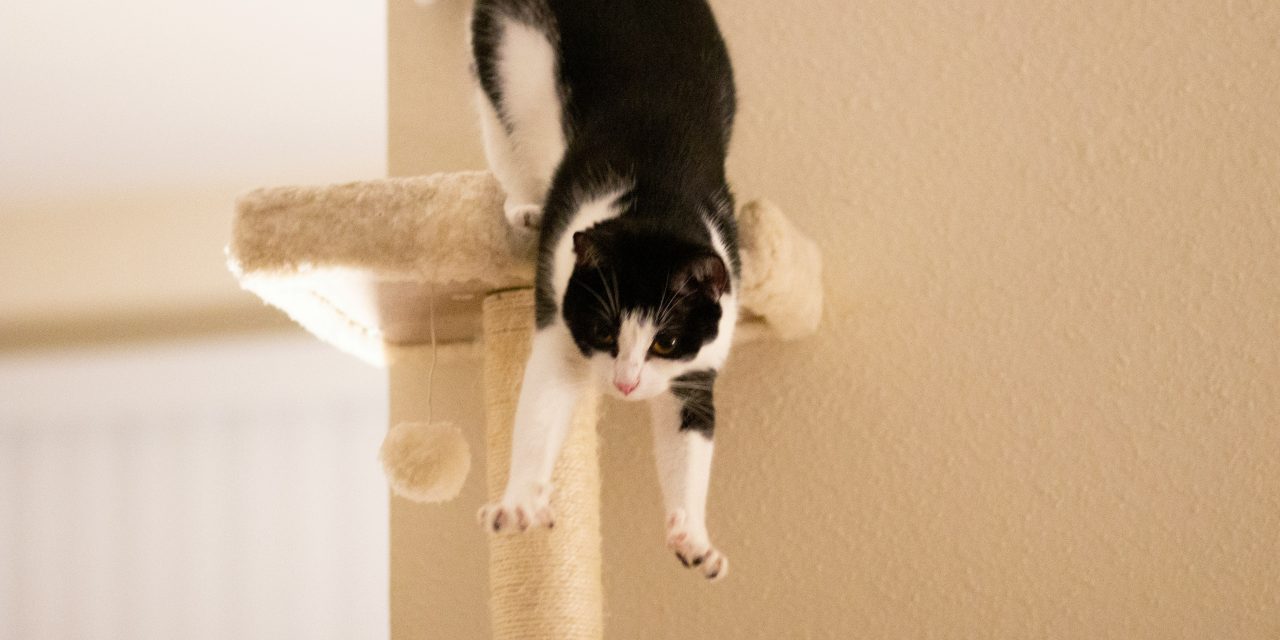
Selecting an appropriate scratching post is paramount in encouraging your cat to engage in this natural behavior. The ideal scratching post should be sturdy enough to withstand vigorous scratching without tipping over. Materials play a significant role; sisal rope, cardboard, and untreated wood are popular choices that appeal to cats. Each material offers different textures that can satisfy a cat’s scratching instincts.
Height is another critical factor; many cats prefer vertical surfaces that allow them to stretch fully while scratching. A post that stands at least 28 inches tall is often recommended for larger breeds or those with a penchant for climbing. Additionally, consider the design of the scratching post—some cats may prefer a horizontal surface, while others may gravitate towards vertical options. Providing a variety of scratching posts can cater to individual preferences and encourage consistent use.
Placing the Scratching Post Strategically

The placement of the scratching post can significantly influence its usage. Cats are creatures of habit and often scratch in areas where they spend the most time. Positioning the post near their favorite resting spots or close to furniture they typically scratch can encourage them to use it instead. Observing your cat’s behavior can provide insights into optimal placement.
Moreover, placing the scratching post in high-traffic areas can increase visibility and accessibility. Cats are naturally curious and may be more inclined to investigate a post that is prominently displayed. Avoid placing the post in secluded corners or areas where it may be overlooked. By strategically positioning the scratching post, you can create an inviting environment that promotes healthy scratching habits.
Introducing Your Cat to the Scratching Post

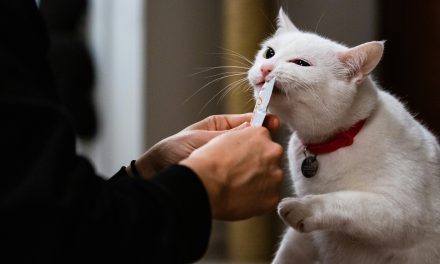
Introducing your cat to a new scratching post requires patience and positive reinforcement. Initially, allow your cat to explore the post at their own pace without forcing interaction. You can entice them by using treats or toys to create a positive association with the new object. Gradually encourage them to investigate by gently rubbing their paws on the surface or using toys to draw their attention.
If your cat seems hesitant, consider placing familiar scents near the scratching post, such as bedding or toys they frequently use. This familiarity can help reduce anxiety and encourage exploration. Remember that each cat has its own personality; some may take longer to adapt than others. Providing a stress-free introduction will foster a more positive relationship with the scratching post.
Using Catnip and Toys to Encourage Use
Catnip is a powerful tool in encouraging cats to engage with their scratching posts. This herb contains nepetalactone, which can elicit euphoric responses in many felines, prompting them to scratch, roll, and play. Sprinkling dried catnip on the scratching post or using catnip-infused toys can attract your cat’s attention and stimulate interest in the new object.
In addition to catnip, incorporating interactive toys can further entice your cat to use the scratching post. Toys that dangle or move can mimic prey-like behavior, encouraging your cat to engage with the post as part of their play routine. By combining these elements, you create an enriching environment that promotes healthy scratching habits while providing mental stimulation.
Demonstrating Scratching Behavior
Cats are observant creatures and often learn through imitation. Demonstrating scratching behavior can be an effective way to encourage your cat to use their new scratching post. Gently scratch the surface of the post with your fingers or use a toy to mimic scratching motions. This demonstration can pique your cat’s curiosity and prompt them to investigate further.
Additionally, consider using another cat as a model if you have multiple felines in your household. Cats often learn from one another, and seeing another cat engage with the scratching post can motivate them to do the same. This social learning aspect can be particularly beneficial in multi-cat households where competition for resources may influence behavior.
Rewarding Positive Scratching Habits
Positive reinforcement is a powerful tool in shaping desired behaviors in cats. When your feline uses the scratching post appropriately, reward them with praise, treats, or affection. This reinforcement creates a positive association with the behavior, encouraging them to continue using the post instead of resorting to furniture or other undesirable surfaces.
Consistency is key when rewarding positive behavior; ensure that rewards are given immediately after your cat scratches the post so they can connect the action with the reward. Over time, this reinforcement will help establish a routine where your cat seeks out the scratching post as their primary outlet for this natural behavior.
Redirecting Undesired Scratching
Despite best efforts, some cats may still engage in undesired scratching behaviors on furniture or other surfaces. Redirecting this behavior requires a combination of strategies aimed at discouraging unwanted scratching while promoting appropriate alternatives. If you catch your cat in the act of scratching furniture, gently redirect them to the scratching post without scolding or punishment.
Using deterrents can also be effective; consider applying double-sided tape or commercial pet-safe sprays on surfaces you want to protect. Cats typically dislike sticky textures, which can discourage them from returning to those areas. Simultaneously, ensure that your cat has access to multiple scratching posts throughout your home to provide alternatives that meet their needs.
Maintaining the Scratching Post’s Appeal
To keep your cat engaged with their scratching post over time, regular maintenance is essential. Cats may lose interest if the post becomes worn or loses its texture. Periodically inspect the post for signs of wear and replace it if necessary. Additionally, consider rotating different types of scratching posts or surfaces to maintain novelty and stimulate interest.
Cleaning the scratching post regularly can also enhance its appeal; removing debris and fur ensures it remains inviting for your feline friend. If using catnip, reapply it periodically to refresh its scent and attract your cat’s attention once again. By maintaining the scratching post’s condition and appeal, you create an environment conducive to healthy scratching habits.
Being Patient and Consistent
Patience is crucial when introducing new behaviors or objects into your cat’s routine. Each feline has its own personality and comfort level with change; some may adapt quickly while others require more time to adjust. Consistency in your approach—whether through placement, rewards, or redirection—will help reinforce desired behaviors over time.
Avoid becoming frustrated if progress seems slow; building new habits takes time and persistence. Celebrate small victories along the way, such as moments when your cat chooses the scratching post over furniture or engages with it during playtime. By fostering a supportive environment and remaining patient, you will ultimately guide your cat toward healthier scratching habits.
Troubleshooting Common Challenges
Despite best efforts, challenges may arise during the process of encouraging appropriate scratching behavior in cats. One common issue is when a cat shows little interest in any type of scratching post. In such cases, experimenting with different materials, heights, and designs may yield better results. Some cats prefer horizontal surfaces over vertical ones or vice versa; finding what resonates with your feline is key.
Another challenge may involve multiple cats competing for resources or territory around a single scratching post. In multi-cat households, providing several posts in different locations can alleviate competition and encourage each cat to engage with their designated area without feeling threatened by others. Observing interactions among cats can provide insights into how best to accommodate their needs.
In summary, understanding why cats scratch is fundamental for effective management of this natural behavior. By choosing appropriate scratching posts, strategically placing them, and introducing them positively, owners can encourage healthy habits while redirecting undesired behaviors effectively. Utilizing tools like catnip and toys enhances engagement while rewarding positive actions reinforces desired behaviors over time. Patience and consistency are essential throughout this process as owners navigate common challenges associated with feline scratching habits.
In conclusion, fostering healthy scratching behaviors in cats requires a multifaceted approach that encompasses understanding their motivations, providing suitable alternatives, and maintaining an engaging environment. By implementing these strategies thoughtfully and consistently, owners can cultivate an atmosphere where both cats and furniture coexist harmoniously.
FAQs
Why is it important to train a cat to use a scratching post?
Training a cat to use a scratching post is important because it helps protect furniture and other household items from damage. Scratching is a natural behavior for cats, as it helps them maintain their claws, stretch their muscles, and mark their territory. Providing an appropriate outlet for this behavior can reduce stress and prevent destructive scratching.
What materials are best for a scratching post?
Scratching posts can be made from various materials, but sisal rope, cardboard, and carpet are among the most popular. Sisal is durable and provides a satisfying texture for cats, while cardboard is often appealing due to its texture and ease of use. Carpet can also be effective, but it may not last as long as sisal or cardboard.
How can I encourage my cat to use the scratching post?
To encourage your cat to use the scratching post, place it in a location where your cat spends a lot of time, such as near their sleeping area or favorite lounging spot. You can also use catnip to attract them to the post or reward them with treats and praise when they use it. Additionally, scratching posts should be tall enough for your cat to stretch fully.
What should I do if my cat refuses to use the scratching post?
If your cat refuses to use the scratching post, try experimenting with different types, heights, and materials to find one that appeals to them. You can also reposition the post or try placing it near their favorite scratching spots. Be patient and consistent, and avoid punishing your cat, as this can create negative associations with the post.
How often should I replace the scratching post?
Scratching posts should be replaced when they become worn out or damaged, as a frayed or unstable post may not be appealing to your cat. Regularly inspect the post for signs of wear and tear, and consider replacing it every 6 to 12 months, depending on how frequently your cat uses it and the material’s durability.