Scratching is an intrinsic behavior exhibited by felines, serving multiple purposes that are essential to their well-being. This natural action is not merely a nuisance for cat owners; it is a fundamental aspect of a cat’s life that fulfills various physical and psychological needs. Understanding the mechanics behind this behavior can help pet owners create an environment that accommodates their cat’s instincts while minimizing damage to household items.
Cats possess retractable claws, which they use for scratching to maintain their claw health, mark territory, and stretch their muscles. This behavior is deeply rooted in their evolutionary history, where scratching served as a means of survival. By understanding the basics of scratching, owners can better appreciate their feline companions and implement strategies to manage this behavior effectively.
Natural Instincts: Why Cats Scratch Surfaces
The act of scratching is primarily driven by instinctual behaviors that have been honed over thousands of years. In the wild, cats scratch to shed the outer sheath of their claws, revealing sharper, healthier claws underneath. This process is crucial for maintaining their hunting abilities and overall claw health. Additionally, scratching serves as a method for marking territory; cats have scent glands in their paws that release pheromones when they scratch, signaling their presence to other animals.
Moreover, scratching provides an essential outlet for physical exercise. Cats are natural hunters, and engaging in activities that mimic hunting behaviors—such as scratching—helps them maintain muscle tone and flexibility. By understanding these natural instincts, cat owners can appreciate the importance of scratching in their pets’ lives and take proactive steps to accommodate this behavior.
Common Reasons Cats Target Carpets Specifically

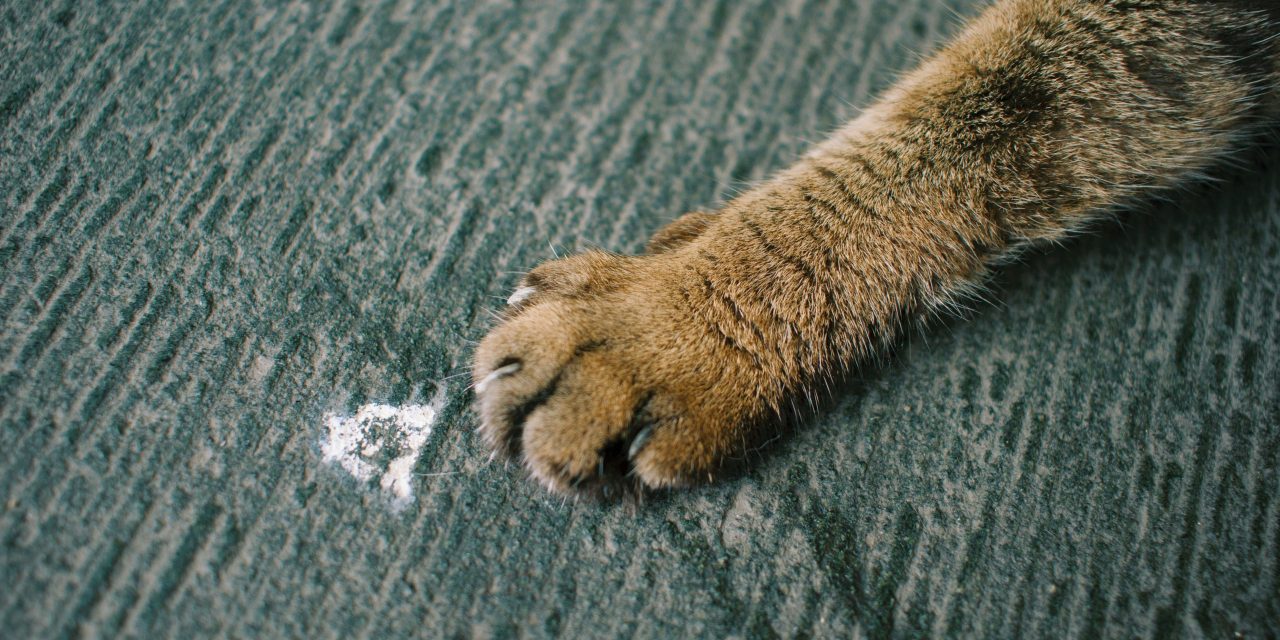
While cats may scratch various surfaces, carpets often become a favored target due to their texture and accessibility. The fibrous nature of carpet provides an ideal surface for cats to dig their claws into, allowing them to effectively shed the outer layer of their claws. Additionally, carpets are typically located in areas where cats spend significant time, making them convenient scratching posts.
Another reason cats may gravitate towards carpets is the comfort they provide. The soft texture can be appealing for stretching and kneading, mimicking behaviors they would exhibit with their mothers during kittenhood. Furthermore, carpets often absorb scents from both the environment and the cat itself, making them an attractive surface for territorial marking. Understanding why cats specifically target carpets can help owners devise strategies to redirect this behavior toward more appropriate surfaces.
Identifying Triggers: Stress, Boredom, and Territory Marking

Several factors can trigger excessive scratching behavior in cats, including stress, boredom, and territorial instincts. Stressful situations—such as changes in the household environment, the introduction of new pets or family members, or loud noises—can lead to increased scratching as a coping mechanism. Cats may also scratch more frequently when they feel anxious or threatened.
Boredom is another significant contributor to scratching behavior. Indoor cats, in particular, may lack sufficient stimulation and engagement, leading them to seek out alternative outlets for their energy. Scratching can serve as a form of entertainment when a cat feels under-stimulated or lacks interactive playtime with their owners.
Territorial marking is a natural instinct for felines. Cats may scratch to establish dominance over a particular area or to communicate with other animals in the vicinity. Understanding these triggers can help owners identify when their cat’s scratching behavior may be indicative of underlying issues that need addressing.
The Role of Cat Claws and Nail Health
Maintaining healthy claws is vital for a cat’s overall well-being. Regular scratching helps keep claws trimmed and prevents them from becoming overgrown or developing painful conditions such as ingrown nails. Additionally, healthy claws are essential for a cat’s ability to climb, hunt, and defend itself.
Cat owners should regularly inspect their pet’s claws for signs of wear or injury. If a cat’s claws appear excessively long or if there are any signs of infection or discomfort, it may be necessary to consult a veterinarian for advice on proper nail care. Providing appropriate scratching surfaces can also contribute to maintaining optimal claw health.
How Scratching Benefits Your Cat’s Physical and Mental Health
Scratching offers numerous benefits that extend beyond mere claw maintenance. Physically, it serves as an excellent form of exercise, allowing cats to stretch their muscles and engage in natural behaviors that promote agility and strength. This activity can help prevent obesity and related health issues by encouraging movement and physical engagement.
Mentally, scratching provides an outlet for stress relief and emotional expression. Engaging in this behavior allows cats to release pent-up energy and frustration, contributing to overall mental well-being. Additionally, the act of scratching can stimulate the release of endorphins, promoting feelings of happiness and contentment in cats.
Signs Your Cat’s Scratching Might Indicate a Problem
While scratching is a normal behavior for cats, excessive or compulsive scratching may indicate underlying issues that require attention. Owners should be vigilant for signs such as frequent scratching that leads to injury or bleeding, changes in behavior or mood, or scratching that occurs outside of typical contexts (e.g., during stressful situations).
If a cat exhibits signs of distress or discomfort while scratching or if the behavior escalates despite attempts at redirection, it may be time to consult with a veterinarian or animal behaviorist. Identifying potential problems early on can help prevent further complications and ensure the cat’s well-being.
Effective Solutions: Providing Appropriate Scratching Alternatives
To mitigate unwanted scratching on carpets and other household items, providing appropriate alternatives is essential. Cat trees equipped with sisal-wrapped posts or designated scratching pads can serve as effective substitutes that satisfy a cat’s instinctual need to scratch without damaging furniture or carpets.
Additionally, placing these alternatives in areas where the cat frequently scratches can encourage usage. Owners should consider experimenting with different textures and materials to determine what appeals most to their feline companion. Regularly rotating scratching surfaces can also keep the environment stimulating and engaging for the cat.
Training Techniques to Redirect Carpet Scratching
Redirecting unwanted scratching behavior requires patience and consistency from cat owners. Positive reinforcement techniques can be particularly effective; rewarding a cat with treats or praise when it uses designated scratching surfaces reinforces desired behavior.
Additionally, owners can employ distraction techniques by engaging their cats in interactive play sessions using toys that mimic prey movements. This not only provides mental stimulation but also diverts attention away from unwanted scratching behaviors. Gradually introducing these techniques can help create a more harmonious living environment for both cats and their owners.
Using Deterrents Safely to Protect Your Carpet
In some cases, using deterrents may be necessary to protect carpets from unwanted scratching. However, it is crucial to choose safe and humane options that do not harm the cat or create additional stress. Products such as double-sided tape or citrus-scented sprays can deter cats from scratching specific areas without causing harm.
Covering carpets with protective mats or using furniture covers can also serve as temporary solutions while training the cat to use appropriate scratching surfaces. Owners should monitor their cat’s reactions to deterrents and adjust strategies accordingly to ensure a positive outcome.
When to Consult a Veterinarian or Animal Behaviorist
If a cat’s scratching behavior becomes excessive or problematic despite implementing various strategies, consulting a veterinarian or animal behaviorist may be necessary. These professionals can assess the situation comprehensively and provide tailored recommendations based on the individual cat’s needs.
Veterinarians can rule out any underlying medical conditions that may contribute to behavioral changes while animal behaviorists specialize in addressing behavioral issues through targeted training techniques and environmental modifications. Seeking professional guidance ensures that both the cat’s physical health and emotional well-being are prioritized.
In summary, understanding cat behavior—particularly regarding scratching—is essential for fostering a harmonious relationship between felines and their owners. By recognizing the natural instincts behind this behavior and implementing effective solutions such as providing appropriate alternatives and employing training techniques, pet owners can create an environment that satisfies their cats’ needs while protecting household items from damage. Regular monitoring of claw health and consulting professionals when necessary further enhances the overall well-being of our feline companions.
FAQs
Why do cats scratch the carpet?
Cats scratch the carpet primarily to mark their territory, as they have scent glands in their paws. Scratching also helps them maintain their claws by removing the outer sheath, keeping them sharp and healthy. Additionally, it serves as a form of exercise and stress relief.
Is scratching the carpet a sign of behavioral issues?
While scratching is a natural behavior for cats, excessive scratching can indicate stress, boredom, or anxiety. If a cat is scratching the carpet more than usual, it may be a sign that they need more stimulation or a change in their environment.
How can I prevent my cat from scratching the carpet?
To prevent your cat from scratching the carpet, provide them with appropriate scratching posts or pads made of materials they enjoy. You can also use deterrents like double-sided tape on the carpet or sprays that discourage scratching. Regular playtime and mental stimulation can also help reduce unwanted scratching behavior.
Are there any solutions to repair carpet damage caused by scratching?
Yes, minor carpet damage from scratching can often be repaired by trimming frayed fibers or using a carpet repair kit. For more extensive damage, consider consulting a professional carpet cleaner or installer who can patch or replace the affected areas.
When should I consult a veterinarian about my cat’s scratching behavior?
If your cat’s scratching behavior becomes excessive, leads to injury, or is accompanied by other signs of distress such as hiding or aggression, it may be time to consult a veterinarian. They can help determine if there are underlying health issues or behavioral problems that need to be addressed.