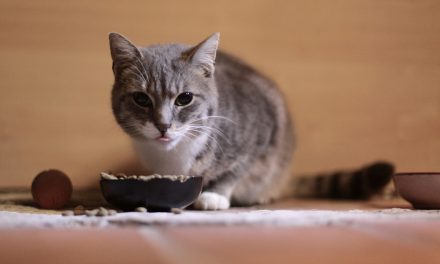
Cats are inherently curious creatures, driven by instincts that compel them to explore their environment. One of the most common behaviors observed in domestic felines is their tendency to leap onto kitchen counters. This behavior can be attributed to several factors, including territorial instincts, the pursuit of food, and the desire for elevated vantage points. Cats are natural hunters, and the kitchen often presents a treasure trove of enticing smells and potential prey-like movements, such as those from small insects or food preparation activities.
Moreover, the kitchen counter serves as an elevated platform that allows cats to survey their surroundings. From this height, they can observe their human companions and other pets, satisfying their innate curiosity. This behavior is not merely a nuisance; it is deeply rooted in their evolutionary history. Understanding these motivations is crucial for cat owners seeking to manage this behavior effectively. By recognizing the underlying reasons for counter jumping, owners can implement strategies that redirect their feline friends’ attention to more appropriate areas.
Creating an Appealing Alternative Space for Your Cat
To mitigate the urge for cats to jump on kitchen counters, it is essential to provide them with appealing alternatives. Cat trees, shelves, or designated perches can serve as excellent substitutes for elevated spaces. These structures not only satisfy a cat’s instinctual need for height but also offer a safe environment where they can observe their surroundings without encroaching on human spaces. When selecting or constructing these alternatives, consider incorporating various levels and textures to stimulate your cat’s interest.
Additionally, placing these alternatives near windows can enhance their appeal. Cats are naturally drawn to sunlight and the sights and sounds of the outdoors. By positioning a cat tree or shelf in a sunny spot, you create an inviting space that encourages your feline companion to explore and lounge away from the kitchen counters. Furthermore, enriching these areas with toys, scratching posts, and cozy bedding can transform them into irresistible retreats that divert attention from forbidden surfaces.
Using Double-Sided Tape to Deter Counter Access
One effective method for discouraging cats from jumping on kitchen counters is the strategic use of double-sided tape. Cats generally dislike the sticky texture against their paws, making it an effective deterrent. By applying strips of double-sided tape along the edges of countertops or on surfaces where cats frequently jump, you create an unwelcoming environment that discourages this behavior.
This approach is particularly useful because it does not involve any harsh chemicals or physical punishment, aligning with positive reinforcement principles. Over time, cats will associate the unpleasant sensation of sticky paws with counter access and may choose to avoid these areas altogether. It is important to monitor your cat’s behavior during this process and adjust the placement of tape as needed to ensure its effectiveness.
Employing Citrus Scents as a Natural Repellent
Cats are known for their aversion to certain scents, particularly citrus fragrances. Utilizing citrus-scented sprays or natural citrus peels can serve as an effective deterrent against counter jumping. By applying citrus-scented products to countertops or placing citrus peels strategically around the kitchen, you create an environment that is less appealing to your feline friend.
This method not only helps in keeping cats off counters but also introduces a pleasant aroma into your kitchen space. Citrus scents are often refreshing and can mask any lingering odors from food preparation. However, it is essential to ensure that any products used are safe for pets and do not contain harmful chemicals. Regularly refreshing the citrus scent will maintain its effectiveness as a repellent.
Setting Up Motion-Activated Deterrents
For cat owners seeking a more high-tech solution, motion-activated deterrents can be an effective way to discourage counter access. These devices emit sounds or bursts of air when they detect movement, startling cats and discouraging them from jumping onto surfaces they should avoid. The sudden noise or air blast serves as an immediate consequence for unwanted behavior, reinforcing the idea that counters are off-limits.
When implementing motion-activated deterrents, it is crucial to place them strategically in areas where cats typically jump onto counters. This ensures that they receive immediate feedback when attempting to access forbidden spaces. Over time, cats will learn to associate the sound or sensation with counter jumping and may choose to avoid these areas altogether.
Keeping Counters Clean and Free of Food Temptations
One of the most effective ways to prevent cats from jumping on kitchen counters is by maintaining a clean and clutter-free environment. Cats are often motivated by food scents or leftover crumbs that may linger on surfaces. By ensuring that countertops are free of food debris and other enticing items, you reduce the likelihood of attracting your feline friend.
Regular cleaning routines should include wiping down surfaces after meal preparation and promptly storing food items in sealed containers. Additionally, consider using lids on trash cans and keeping pet food out of reach to eliminate potential temptations. By creating a clean environment devoid of enticing smells, you significantly decrease the chances of your cat jumping onto counters in search of food.
Providing Enrichment and Playtime to Reduce Boredom
Boredom can lead to undesirable behaviors in cats, including counter jumping as a means of seeking stimulation. To combat this issue, it is essential to provide ample enrichment opportunities for your feline companion. Engaging in interactive play sessions using toys such as feather wands or laser pointers can help channel their energy into productive activities.
Incorporating puzzle feeders or treat-dispensing toys can also stimulate your cat mentally while providing a rewarding experience. These activities not only keep your cat entertained but also strengthen the bond between pet and owner. By ensuring that your cat has sufficient mental and physical stimulation throughout the day, you reduce the likelihood of them resorting to counter jumping out of boredom.
Training Your Cat with Positive Reinforcement
Training plays a vital role in modifying unwanted behaviors in cats. Utilizing positive reinforcement techniques can effectively teach your feline friend that certain behaviors are desirable while discouraging others. When your cat chooses to use designated perches or cat trees instead of jumping on counters, reward them with treats or praise.
Consistency is key when implementing training strategies. Reinforce desired behaviors immediately after they occur to create a clear association between the action and the reward. Over time, your cat will learn which behaviors are acceptable and which are not, leading to a reduction in counter jumping incidents.
Using Aluminum Foil or Textured Mats as Barriers
Another practical approach to deter cats from accessing kitchen counters involves using aluminum foil or textured mats as physical barriers. Cats typically dislike walking on crinkly surfaces like aluminum foil due to its unusual texture and sound. By covering countertops with sheets of foil when not in use, you create an uninviting surface that discourages jumping.
Textured mats designed specifically for deterring pets can also be effective in this regard. These mats often feature raised surfaces that are uncomfortable for cats to walk on, further discouraging them from attempting to access countertops. By employing these barriers consistently, you reinforce the idea that counters are not suitable spaces for your feline friend.
Installing Physical Barriers or Cat Shelves Away from Counters
For those seeking a more permanent solution, installing physical barriers or cat shelves away from kitchen counters can be highly effective. Physical barriers such as gates or screens can prevent access to certain areas while allowing humans to navigate freely. Additionally, creating vertical spaces through cat shelves provides alternative climbing opportunities without encouraging counter access.
When designing these spaces, consider incorporating ramps or steps that lead up to shelves at varying heights. This encourages natural climbing behavior while keeping your cat away from kitchen surfaces. By providing designated areas for exploration and play, you redirect their energy away from counters and into more appropriate spaces.
Consulting a Veterinarian or Behaviorist for Persistent Issues
If counter jumping persists despite implementing various strategies, it may be beneficial to consult a veterinarian or animal behaviorist for further guidance. Persistent behavioral issues could indicate underlying medical conditions or anxiety-related problems that require professional intervention. A veterinarian can assess your cat’s overall health and rule out any potential medical concerns contributing to this behavior.
An animal behaviorist specializes in understanding feline behavior and can provide tailored strategies based on your cat’s unique personality and circumstances. They may recommend additional training techniques or environmental modifications that align with your cat’s needs. Seeking professional advice ensures that you address any underlying issues effectively while promoting a harmonious living environment for both you and your feline companion.
In summary, understanding why cats jump on kitchen counters is essential for effective management of this behavior. By creating appealing alternative spaces, employing deterrents such as double-sided tape and citrus scents, maintaining cleanliness, providing enrichment opportunities, training with positive reinforcement, utilizing physical barriers, and consulting professionals when necessary, cat owners can successfully redirect their pets’ attention away from kitchen counters while fostering a healthy and stimulating environment for their beloved companions.
FAQs
Why do cats like to jump on kitchen counters?
Cats are naturally curious creatures and are often attracted to high places where they can observe their surroundings. Kitchen counters provide a vantage point and access to interesting smells, food, and items that pique their curiosity.
What are some humane methods to keep cats off kitchen counters?
Humane methods to deter cats from kitchen counters include using double-sided tape, aluminum foil, or citrus-scented sprays, as cats typically dislike the texture and smell. Additionally, providing alternative high spaces, such as cat trees or shelves, can redirect their climbing behavior.
Can training help keep cats off kitchen counters?
Yes, training can be effective in keeping cats off kitchen counters. Positive reinforcement techniques, such as rewarding your cat with treats or praise when they stay off the counters, can help reinforce desired behavior. Consistency is key in training.
Are there any products specifically designed to deter cats from counters?
Yes, there are several products designed to deter cats from counters, including motion-activated pet deterrent devices, scat mats that deliver a harmless static pulse, and sprays that emit a scent unpleasant to cats. These products can help discourage counter climbing without causing harm.
Is it safe to use essential oils to keep cats off counters?
While some essential oils can deter cats due to their strong scents, many essential oils are toxic to cats. It is important to research and ensure that any essential oil used is safe for feline exposure. Always consult with a veterinarian before using essential oils around pets.