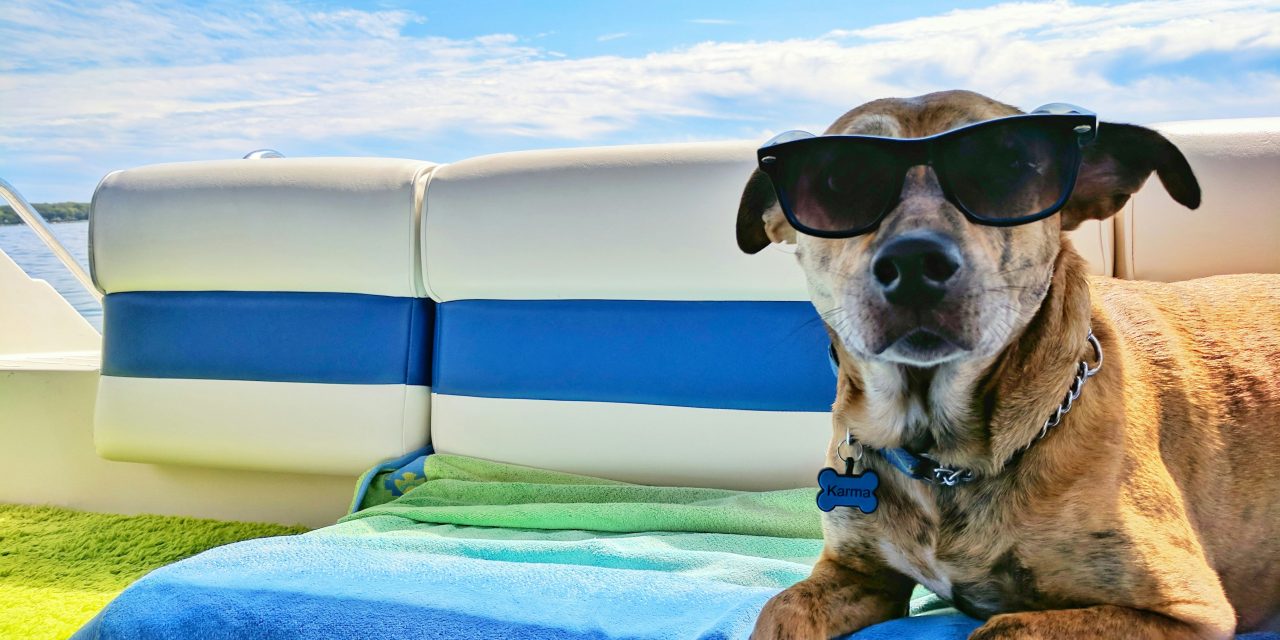
As temperatures rise, the risk of heat-related illnesses in dogs escalates significantly. Dogs are particularly susceptible to heat stress due to their unique physiology. Unlike humans, who can cool down through sweating, dogs primarily regulate their body temperature through panting. This mechanism is less efficient, especially in high humidity or extreme heat conditions. Consequently, certain breeds, particularly brachycephalic dogs like Bulldogs and Pugs, are at an even greater risk due to their short snouts, which hinder effective panting.
Moreover, factors such as age, weight, and pre-existing health conditions can exacerbate a dog’s vulnerability to heat. Older dogs or those with obesity may struggle more than their healthier counterparts. Additionally, certain medical conditions, such as heart disease or respiratory issues, can impair a dog’s ability to cope with elevated temperatures. Understanding these risks is crucial for pet owners to ensure their furry companions remain safe during hot weather.
Recognizing Signs of Heatstroke in Dogs
Heatstroke is a severe condition that can lead to organ failure and even death if not addressed promptly. Recognizing the early signs of heatstroke is vital for timely intervention. Symptoms may include excessive panting, drooling, and a rapid heart rate. As the condition worsens, dogs may exhibit signs of distress such as lethargy, weakness, or confusion. In severe cases, they may collapse or experience seizures.
It is essential for dog owners to be vigilant during hot weather and monitor their pets closely. If a dog displays any of these symptoms, immediate action is required. Cooling measures should be initiated right away, and veterinary assistance should be sought without delay. Understanding these signs can be life-saving and can help prevent irreversible damage to a dog’s health.
Providing Ample Fresh Water and Hydration

Hydration is paramount in preventing heat-related illnesses in dogs. Fresh water should always be accessible, especially during warmer months. Dogs can become dehydrated quickly, leading to serious health complications. It is advisable to encourage regular drinking by offering water frequently throughout the day and ensuring that bowls are clean and filled.
In addition to providing water, pet owners can enhance hydration by incorporating wet food into their dog’s diet or offering ice cubes as a treat. Some dogs enjoy chewing on ice cubes, which can help cool them down while also providing hydration. Monitoring your dog’s water intake is essential; if they seem reluctant to drink or show signs of dehydration—such as dry gums or lethargy—immediate veterinary consultation is warranted.
Creating Shaded and Cool Resting Areas

Creating a comfortable environment for dogs during hot weather is crucial for their well-being. Providing shaded areas in the yard or home can significantly reduce the risk of overheating. Natural shade from trees or man-made structures like awnings can offer respite from direct sunlight. Additionally, indoor spaces should be kept cool with fans or air conditioning to ensure dogs have a comfortable resting area.
Elevated dog beds or mats can also help keep pets cool by allowing air circulation beneath them. Placing these beds in shaded areas can further enhance comfort. It is essential to observe your dog’s behavior; if they seek out cooler spots or seem restless, it may indicate that they are too warm and need a cooler environment.
Avoiding Outdoor Activities During Peak Heat Hours
Timing outdoor activities is critical during hot weather. The sun’s intensity peaks between 10 AM and 4 PM, making these hours particularly hazardous for dogs. Engaging in strenuous activities during this time can lead to overheating and exhaustion. Instead, pet owners should plan walks and playtime during the cooler parts of the day—early morning or late evening.
Shorter walks with frequent breaks in shaded areas can help maintain a dog’s comfort level while still allowing them to enjoy outdoor time. Additionally, incorporating water breaks during these outings can further prevent overheating. By being mindful of the timing of outdoor activities, pet owners can significantly reduce the risk of heat-related illnesses in their dogs.
Never Leaving Your Dog in a Parked Car
Leaving a dog unattended in a parked car is one of the most dangerous actions a pet owner can take during hot weather. Even on mild days, the temperature inside a vehicle can rise rapidly, leading to heatstroke within minutes. The interior of a car can reach lethal temperatures even with windows cracked open, making it imperative never to leave pets alone in vehicles.
If you must run errands or travel with your dog, consider bringing them inside with you whenever possible or leaving them at home in a cool environment. If you see a dog left alone in a parked car exhibiting signs of distress, such as excessive panting or drooling, it is crucial to take immediate action by contacting local authorities or breaking the window if necessary to save the animal’s life.
Using Cooling Products Like Vests and Mats
Cooling products designed specifically for dogs can provide additional relief during hot weather. Cooling vests are made from materials that absorb water and allow evaporation to cool the dog’s body temperature effectively. These vests are easy to use; simply soak them in water, wring out excess moisture, and put them on your dog before outdoor activities.
Cooling mats are another excellent option for helping dogs regulate their body temperature. These mats contain gel that absorbs heat from the dog’s body and provides a cool surface for them to lie on. Placing these mats in shaded areas or indoors can create a comfortable resting spot for your pet during sweltering days.
Adjusting Exercise Routines for Hot Weather
Exercise routines should be modified during hot weather to ensure dogs remain healthy while avoiding heat-related issues. Instead of long runs or vigorous play sessions, consider shorter bursts of activity interspersed with rest periods in shaded areas. Engaging in low-impact activities such as swimming can also be beneficial since water helps regulate body temperature.
Additionally, incorporating mental stimulation through puzzle toys or training exercises indoors can keep dogs engaged without exposing them to excessive heat. By adjusting exercise routines according to weather conditions, pet owners can maintain their dog’s physical health while prioritizing their safety.
Grooming Tips to Help Your Dog Stay Cool
Regular grooming plays an essential role in helping dogs stay cool during hot weather. For long-haired breeds, brushing helps remove excess fur and prevents matting, which can trap heat against the skin. However, it is important not to shave a dog’s coat entirely; their fur provides insulation against both heat and cold.
For short-haired breeds, regular brushing helps remove loose hair and dander while promoting airflow to the skin. Bathing your dog with cool water can also provide temporary relief from heat while keeping their coat clean and healthy. Additionally, consider consulting with a professional groomer about appropriate grooming styles that promote comfort during warmer months.
Protecting Your Dog’s Paws from Hot Surfaces
Hot surfaces pose a significant risk to dogs’ paw pads during summer months. Asphalt and concrete can reach dangerously high temperatures under direct sunlight, leading to burns and injuries on sensitive paw pads. To protect your dog’s feet, consider walking them on grass or dirt paths whenever possible.
Additionally, pet owners should check the ground temperature before walks by placing their hand on the surface for several seconds; if it feels too hot for human skin, it is likely too hot for your dog’s paws as well. Booties designed for dogs can also provide protection against hot surfaces while allowing them to enjoy outdoor activities safely.
Knowing When to Seek Veterinary Help
Understanding when to seek veterinary assistance is crucial for ensuring your dog’s health during hot weather. If your dog exhibits signs of heatstroke—such as excessive panting, vomiting, disorientation, or collapse—immediate veterinary care is necessary. Even if symptoms seem mild initially, it is better to err on the side of caution.
Regular check-ups with a veterinarian can also help identify any underlying health issues that may increase your dog’s susceptibility to heat stress. Keeping an open line of communication with your veterinarian about your dog’s health and behavior during hot weather will empower you to make informed decisions regarding their care.
In summary, protecting dogs from heat-related illnesses requires vigilance and proactive measures from pet owners. By understanding the risks associated with high temperatures and recognizing signs of distress early on, owners can take appropriate action to ensure their pets remain safe and comfortable throughout the summer months. Providing ample hydration, creating shaded resting areas, adjusting exercise routines, and utilizing cooling products are all effective strategies for safeguarding canine companions against heat stress. Always prioritize your dog’s well-being by seeking veterinary assistance when necessary and being mindful of environmental conditions that could pose risks to their health.
FAQs
What are the signs of heatstroke in dogs?
Signs of heatstroke in dogs include excessive panting, drooling, weakness, confusion, vomiting, and in severe cases, loss of consciousness. If you notice these symptoms, it’s crucial to cool your dog down immediately and seek veterinary assistance.
How can I keep my dog cool during hot weather?
To keep your dog cool, provide plenty of fresh water, ensure they have access to shade, and limit outdoor activities during the hottest parts of the day. You can also use cooling mats or vests, and consider taking them for walks in the early morning or late evening when temperatures are cooler.
Is it safe to leave my dog in a parked car during summer?
No, it is not safe to leave your dog in a parked car during summer, even for a short period. The temperature inside a car can rise rapidly, leading to heatstroke or death. Always take your dog with you or leave them at home in a cool environment.
What should I do if my dog gets too hot?
If your dog gets too hot, move them to a cooler area immediately, offer them water, and apply cool (not cold) water to their body, especially on their paws and belly. Monitor their condition closely and contact a veterinarian if symptoms of heatstroke appear.
Are certain dog breeds more susceptible to heat-related issues?
Yes, certain dog breeds, particularly brachycephalic breeds like Bulldogs and Pugs, as well as older dogs and those with pre-existing health conditions, are more susceptible to heat-related issues. It’s important to take extra precautions with these dogs during hot weather.