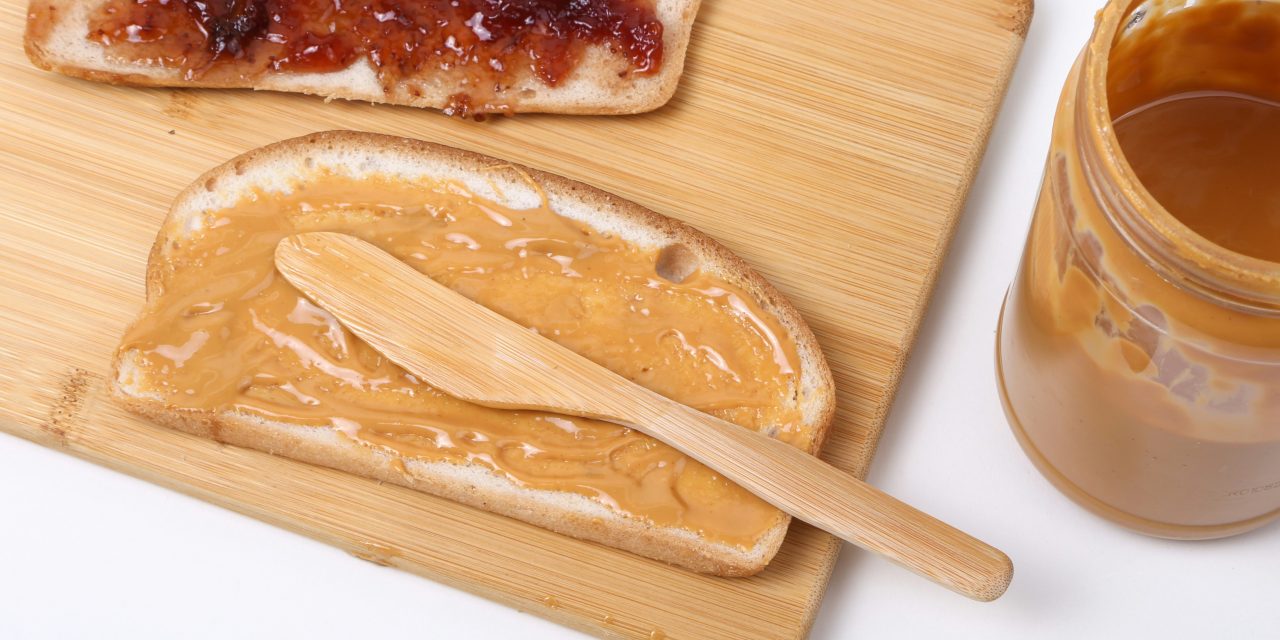
Peanut butter is a beloved staple in many households, known for its rich flavor and versatility. However, understanding its shelf life after opening is crucial for maintaining both safety and quality. Generally, opened peanut butter can last anywhere from three to six months when stored properly at room temperature. Natural varieties, which lack preservatives, tend to have a shorter shelf life compared to processed versions. The presence of oils and sugars in peanut butter can influence its longevity, as these components can undergo oxidation over time, leading to rancidity.
The shelf life of peanut butter is also affected by the type of peanut butter. For instance, commercially processed peanut butter often contains stabilizers and preservatives that extend its usability. In contrast, organic or natural peanut butter, which is made from ground peanuts without additives, may spoil more quickly due to the absence of these preservatives. Understanding these nuances can help consumers make informed decisions about storage and consumption.
When considering the shelf life of opened peanut butter, it’s essential to understand how proper storage can significantly impact its longevity. For more insights on maximizing the freshness of various food items and reducing waste, you can refer to this informative article on smart storage solutions. Check it out here: 10 Easy Tips for Reducing Food Waste Through Smart Storage Solutions.
Signs Your Peanut Butter Has Gone Bad
Identifying spoiled peanut butter is essential for ensuring food safety. One of the most apparent signs of deterioration is a change in smell; fresh peanut butter has a nutty aroma, while rancid peanut butter may emit a sour or off-putting odor. Additionally, the texture can provide clues; if the peanut butter has separated significantly or developed an unusual graininess, it may be time to discard it.
Visual inspection is another critical factor in determining the quality of peanut butter. Look for any signs of mold or discoloration on the surface. If you notice any unusual colors or growths, it is advisable to err on the side of caution and dispose of the product. Furthermore, tasting a small amount can also help assess freshness; if the flavor is bitter or unpleasant, it indicates spoilage.
The Role of Storage Temperature in Shelf Life

Storage temperature plays a pivotal role in determining the shelf life of peanut butter. Ideally, peanut butter should be stored in a cool, dry place away from direct sunlight. High temperatures can accelerate the oxidation process, leading to rancidity and spoilage. For instance, storing peanut butter in a pantry that experiences fluctuating temperatures can significantly shorten its usability.
Conversely, cooler environments can help prolong freshness. While refrigeration is not necessary for most commercial peanut butters, it can be beneficial for natural varieties that lack preservatives. Keeping peanut butter in a refrigerator can slow down the oxidation process and extend its shelf life beyond the typical three to six months. However, it may alter the texture, making it thicker and harder to spread.
Why Keeping Peanut Butter Sealed Is Crucial

Sealing peanut butter properly after each use is vital for maintaining its quality and safety. Exposure to air can lead to oxidation, which not only affects flavor but also increases the risk of spoilage. When peanut butter is left uncovered or inadequately sealed, it becomes susceptible to contamination from airborne bacteria and mold spores.
Moreover, keeping peanut butter sealed helps retain its moisture content and prevents it from drying out. A tightly sealed jar minimizes the chances of external elements affecting the product’s integrity. Therefore, always ensure that the lid is securely fastened after each use to maximize freshness and prevent spoilage.
When considering the shelf life of opened peanut butter, it’s important to understand how storage conditions can affect its freshness. For instance, keeping it in a cool, dark place can help maintain its quality for a longer period. If you’re curious about how long other foods last, you might find it interesting to read about the longevity of pizza leftovers in this related article. This information can help you better manage your pantry and avoid food waste.
The Impact of Moisture and Contamination
Moisture is one of the primary enemies of peanut butter longevity. When water enters the jar—whether through condensation or using wet utensils—it creates an environment conducive to mold growth and bacterial contamination. Even a small amount of moisture can lead to significant spoilage over time.
Contamination from utensils is another concern that can compromise the quality of peanut butter. Using dirty or unclean utensils introduces bacteria into the jar, increasing the risk of spoilage. It is essential to use clean spoons or knives when scooping out peanut butter to minimize contamination risks and maintain product integrity.
When considering the shelf life of opened peanut butter, it’s important to understand how storage conditions can affect its freshness. For those curious about how to care for their pets, you might find it interesting to read about the adorable habits of young kittens in this article. It highlights various aspects of their development that can be quite surprising, much like how the quality of peanut butter can change over time. To explore these delightful facts, check out this article.
Best Practices for Storing Peanut Butter in the Pantry
To ensure optimal storage conditions for peanut butter in your pantry, consider implementing several best practices. First and foremost, choose a cool, dark location away from heat sources such as stoves or ovens. This helps maintain a stable temperature and prevents rapid spoilage.
Additionally, consider storing peanut butter on a shelf rather than in a cabinet that may experience temperature fluctuations. Keeping it elevated can help avoid exposure to moisture from spills or humidity on kitchen surfaces. Lastly, always check the expiration date before purchasing and consuming peanut butter to ensure you are using a product that is still within its prime.
Should You Refrigerate Opened Peanut Butter?
The decision to refrigerate opened peanut butter largely depends on the type of product you have purchased. For conventional brands that contain preservatives, refrigeration is typically unnecessary; these products can be safely stored at room temperature for several months without significant quality loss.
However, natural peanut butters—those made with minimal ingredients—benefit from refrigeration after opening. The cooler temperature slows down oxidation and helps preserve flavor and texture for an extended period. While refrigeration may alter the consistency, making it thicker and harder to spread, it ultimately prolongs freshness and safety.
Using Clean Utensils to Prevent Spoilage
Utilizing clean utensils when serving peanut butter is crucial for preventing spoilage and maintaining quality. Bacteria from dirty spoons or knives can introduce pathogens into the jar, leading to contamination and accelerated spoilage. To mitigate this risk, always use a dedicated utensil for scooping out peanut butter.
Additionally, consider designating specific utensils for each jar of peanut butter if you have multiple varieties at home. This practice not only prevents cross-contamination but also ensures that each product retains its unique flavor profile without interference from other ingredients.
How to Extend Freshness with Airtight Containers
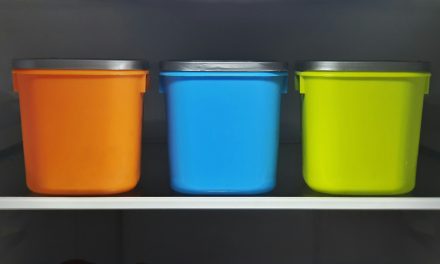
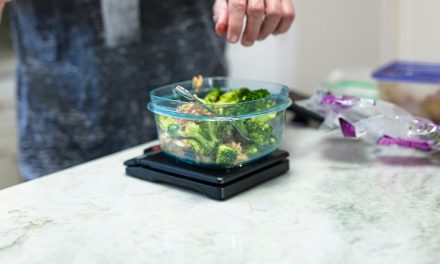
Transferring opened peanut butter into airtight containers can significantly extend its freshness and shelf life. Airtight containers minimize exposure to air and moisture, reducing the risk of oxidation and spoilage. When selecting a container, opt for one made from glass or high-quality plastic that seals tightly.
Moreover, consider portioning out smaller amounts into separate containers if you frequently use peanut butter in various recipes. This approach allows you to keep the main jar sealed while using smaller portions as needed, further preserving the quality of the remaining product.
Avoiding Common Mistakes That Shorten Shelf Life
Several common mistakes can inadvertently shorten the shelf life of peanut butter. One prevalent error is failing to seal the jar properly after each use; this exposes the product to air and moisture, leading to spoilage over time. Additionally, storing peanut butter near heat sources or in areas with fluctuating temperatures can accelerate rancidity.
Another mistake involves using contaminated utensils or hands when scooping out peanut butter. This practice introduces bacteria into the jar, increasing the likelihood of spoilage. To avoid these pitfalls, always ensure proper sealing, store in stable environments, and use clean utensils when serving.
When to Discard Peanut Butter for Safety and Quality
Knowing when to discard peanut butter is essential for ensuring food safety and quality. If you notice any signs of spoilage—such as an off smell, unusual texture, or visible mold—it is best to err on the side of caution and dispose of the product immediately. Additionally, if your peanut butter has been stored beyond its recommended shelf life or shows signs of rancidity upon tasting, it should be discarded.
Furthermore, if you have any doubts about the safety or quality of your peanut butter—regardless of its appearance—it’s prudent to throw it away rather than risk potential health issues associated with consuming spoiled food products.
In summary, understanding how to properly store and maintain peanut butter is crucial for maximizing its shelf life and ensuring safety during consumption. By recognizing signs of spoilage, adhering to best storage practices, and utilizing clean utensils, consumers can enjoy this delicious spread without compromising quality or safety.
FAQs
What is the shelf life of opened peanut butter?
Opened peanut butter typically has a shelf life of 3 to 6 months when stored in the pantry and up to a year if refrigerated. The exact duration can vary based on the brand and whether it contains preservatives.
How can I tell if opened peanut butter has gone bad?
Signs that opened peanut butter has gone bad include an off smell, changes in texture (such as separation or excessive oil), and the presence of mold. If any of these signs are present, it’s best to discard the peanut butter.
Does refrigeration extend the shelf life of opened peanut butter?
Yes, refrigerating opened peanut butter can extend its shelf life. While it can last 3 to 6 months at room temperature, refrigeration can help it stay fresh for up to a year.
Can I still use opened peanut butter after the expiration date?
Opened peanut butter can often still be safe to consume after the expiration date if it shows no signs of spoilage. However, it’s important to check for any changes in smell, taste, or texture before using it.
How should I store opened peanut butter for optimal freshness?
To maintain optimal freshness, store opened peanut butter in a cool, dry place, tightly sealed. If you prefer, you can refrigerate it to extend its shelf life, but be aware that it may become thicker and harder to spread.