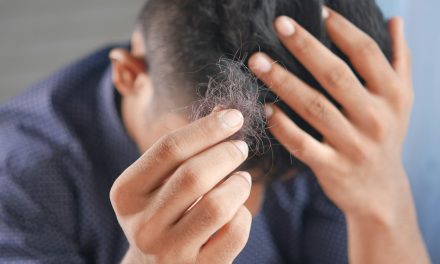
Shampooing serves as a fundamental aspect of hair care, primarily aimed at cleansing the scalp and hair strands from dirt, oil, and product buildup. The primary function of shampoo is to remove sebum, a natural oil produced by sebaceous glands, which can accumulate and lead to an unclean appearance. Additionally, shampoos are formulated with surfactants that create lather, allowing for effective removal of impurities. This cleansing process not only enhances the aesthetic appeal of hair but also promotes a healthier scalp environment, which is crucial for optimal hair growth.
Moreover, the purpose of shampooing extends beyond mere cleanliness. It plays a vital role in maintaining the pH balance of the scalp, which is essential for preventing conditions such as dandruff and seborrheic dermatitis. Regular shampooing can also help in managing scalp conditions by providing relief from itchiness and irritation. Thus, understanding the multifaceted purpose of shampooing is essential for developing an effective hair care regimen that caters to individual needs.
When considering whether you should shampoo your hair twice, it’s essential to understand the impact of your hair care routine on overall hair health. For those interested in nurturing their hair while also exploring other aspects of care, you might find it helpful to read a related article on gardening, which discusses the best practices for starting vegetable seeds indoors. This article can provide insights into nurturing growth, whether it’s for your hair or your garden. You can check it out here: When to Start Vegetable Seeds Indoors by Zone: A Seasonal Guide.
The Debate: Is Shampooing Twice Necessary?
The question of whether shampooing twice is necessary has sparked considerable debate among hair care enthusiasts and professionals alike. Advocates of double shampooing argue that it ensures a thorough cleanse, particularly for individuals who use styling products or have oily scalps. The first application of shampoo is believed to break down and lift away surface impurities, while the second application penetrates deeper to cleanse the hair follicles and scalp more effectively. This method can be particularly beneficial for those with thick or curly hair types, as it helps to ensure that all product residues are eliminated.
Conversely, opponents of double shampooing contend that it may strip the hair of its natural oils, leading to dryness and potential damage. For individuals with fine or dry hair, a single wash may suffice to maintain cleanliness without compromising moisture levels. Ultimately, the necessity of double shampooing hinges on personal hair type, lifestyle, and product usage. It is essential to assess individual needs and preferences when determining the frequency and method of shampooing.
How Hair Type Influences Shampoo Frequency
Hair type significantly influences how often one should shampoo their hair. Individuals with oily hair may find themselves needing to wash their hair daily or every other day due to excess sebum production. This frequent cleansing helps to manage oiliness and maintain a fresh appearance. On the other hand, those with dry or curly hair may benefit from less frequent washing, as their hair tends to be more porous and can lose moisture quickly. For these individuals, shampooing once or twice a week may be sufficient to keep their hair clean without stripping it of essential oils.
Additionally, hair texture plays a crucial role in determining shampoo frequency. Straight hair often appears oilier faster than wavy or curly hair due to its structure, which allows sebum to travel down the hair shaft more easily. Conversely, curly hair tends to retain moisture better but may require specialized shampoos that cater to its unique needs. Understanding how hair type influences shampoo frequency can help individuals tailor their hair care routines for optimal results.
The Role of Scalp Health in Shampooing Decisions
Scalp health is a critical factor in making informed shampooing decisions. A healthy scalp is characterized by balanced oil production, minimal irritation, and absence of flaking or redness. Individuals experiencing scalp issues such as dandruff or psoriasis may need to adjust their shampooing frequency and product choice accordingly. For instance, medicated shampoos containing active ingredients like ketoconazole or salicylic acid can help alleviate symptoms associated with these conditions but may require more frequent application.
Furthermore, maintaining scalp health involves recognizing signs of distress, such as itchiness or excessive oiliness. If the scalp becomes overly dry or irritated from frequent washing, it may lead to increased oil production as a compensatory mechanism. Therefore, individuals should monitor their scalp condition closely and adjust their shampooing habits accordingly to promote a balanced environment conducive to healthy hair growth.
When considering whether to shampoo your hair twice, it’s essential to understand the impact of your hair care routine on overall hair health. A related article discusses the optimal depths for raised garden beds, which can serve as a metaphor for nurturing your hair just as you would nurture plants. You can explore this concept further in the article about raised garden bed depths, where the right conditions lead to thriving growth, much like how the right shampooing technique can lead to healthier hair.
When and Why to Consider Shampooing Twice
There are specific scenarios where double shampooing may be warranted. For individuals who frequently use heavy styling products such as gels, pomades, or hairsprays, a single wash may not suffice to remove all residues effectively. In such cases, double shampooing can ensure that the scalp and hair are thoroughly cleansed, preventing buildup that could lead to dullness or irritation.
Additionally, those who engage in activities that cause excessive sweating—such as exercising—may benefit from double shampooing post-workout. Sweat can contribute to an oily scalp and may mix with styling products, necessitating a more rigorous cleansing approach. By incorporating double shampooing into their routine during these instances, individuals can maintain optimal scalp health and prevent potential issues related to product buildup.
When considering whether to shampoo your hair twice, it’s important to understand how different grooming practices can impact your overall hygiene. For instance, if you’re also a pet owner, you might be interested in how to properly groom your dog to minimize shedding, which can affect the cleanliness of your living space. You can find useful tips in this article about grooming a German Shepherd and managing heavy shedding. This knowledge can complement your hair care routine by ensuring that your environment remains clean and free of excess fur.
Choosing the Right Shampoo for Your Hair Needs
Selecting the appropriate shampoo is paramount for achieving desired results in hair care. With an array of formulations available on the market, it is essential to consider factors such as hair type, scalp condition, and specific concerns when making a choice. For instance, individuals with oily scalps should opt for clarifying shampoos that contain ingredients like tea tree oil or citrus extracts to effectively remove excess oil without causing dryness.
Conversely, those with dry or damaged hair should seek out moisturizing shampoos enriched with hydrating ingredients such as argan oil or shea butter. These formulations help replenish moisture while gently cleansing the hair. Additionally, individuals with color-treated hair should choose sulfate-free shampoos designed to preserve color vibrancy and prevent fading. By understanding individual needs and selecting the right products accordingly, one can enhance their overall hair health and appearance.
The Importance of Conditioner in Your Hair Care Routine
Conditioner plays an indispensable role in any comprehensive hair care routine. After shampooing, conditioner helps restore moisture and nourishment that may have been stripped away during the cleansing process. It works by coating the hair shaft with emollients that smooth the cuticle layer, resulting in enhanced shine and manageability. Regular use of conditioner can also help reduce frizz and prevent breakage by providing essential hydration.
Moreover, conditioners come in various formulations tailored to specific hair types and concerns. For example, leave-in conditioners offer prolonged hydration for dry or curly hair types, while deep conditioning treatments provide intensive nourishment for damaged strands. Incorporating conditioner into one’s routine not only enhances the overall health of the hair but also contributes to improved styling outcomes.
Avoiding Over-Washing: Signs Your Hair Needs a Break
Over-washing can lead to detrimental effects on both the scalp and hair health. Signs that indicate your hair may need a break from frequent washing include excessive dryness, brittleness, or increased frizz. Additionally, if your scalp feels tight or irritated after washing, it may be a signal that you are stripping away too much natural oil.
To mitigate these issues, consider extending the time between washes or adopting alternative cleansing methods such as co-washing (using conditioner only) or utilizing dry shampoos on non-wash days. These practices can help maintain cleanliness while preserving moisture levels in both the scalp and hair.
Incorporating Scalp Treatments for Optimal Hair Health
Incorporating targeted scalp treatments into your routine can significantly enhance overall hair health. Scalp treatments are designed to address specific concerns such as dandruff, itchiness, or excess oil production. Ingredients like salicylic acid can help exfoliate dead skin cells and unclog pores, while tea tree oil possesses antifungal properties that combat dandruff effectively.
Regular use of scalp treatments can promote a healthier environment for hair growth by ensuring that follicles remain clear and nourished. Additionally, massaging these treatments into the scalp can stimulate blood circulation, further supporting optimal hair health.
Tips for Gentle Shampooing to Prevent Damage
To prevent damage during the shampooing process, adopting gentle techniques is crucial. Begin by thoroughly wetting your hair with lukewarm water before applying shampoo; this helps open up the cuticles for better cleansing without causing excessive friction. When applying shampoo, focus on massaging it into the scalp rather than aggressively scrubbing the lengths of your hair.
Using your fingertips instead of nails can minimize breakage while promoting blood circulation in the scalp. Additionally, avoid using excessively hot water during rinsing; instead, opt for cool water to help seal the cuticles and enhance shine.
Building a Balanced Hair Care Routine for Long-Term Results
Creating a balanced hair care routine involves integrating various elements tailored to individual needs while ensuring consistency over time. Start by establishing a washing schedule based on your specific hair type and lifestyle factors. Incorporate quality shampoos and conditioners suited for your unique concerns while considering periodic deep conditioning treatments for added nourishment.
Additionally, prioritize regular trims every six to eight weeks to maintain healthy ends and prevent split ends from progressing further up the strand. Lastly, consider incorporating protective hairstyles or minimizing heat styling tools to reduce damage over time.
In summary, understanding the purpose of shampooing is essential for maintaining healthy hair and scalp conditions. The debate surrounding double shampooing highlights individual preferences based on lifestyle factors and product usage. Hair type significantly influences how often one should wash their hair while scalp health plays a crucial role in making informed decisions about cleansing routines.
Choosing appropriate shampoos tailored to specific needs enhances overall results while incorporating conditioners ensures moisture retention post-wash. Avoiding over-washing is vital for preventing damage; recognizing signs that indicate your hair needs a break can help maintain optimal health.
Incorporating targeted scalp treatments further supports healthy growth while gentle techniques during washing minimize damage risk. Ultimately, building a balanced routine fosters long-term results that promote vibrant and resilient locks.
FAQs
What does shampooing your hair twice mean?
Shampooing your hair twice refers to the practice of applying shampoo to your hair, rinsing it out, and then applying it a second time before rinsing again. This method is often recommended for individuals with oily hair or those who use a lot of styling products.
Why might someone choose to shampoo their hair twice?
People may choose to shampoo their hair twice to ensure that all dirt, oil, and product buildup are thoroughly removed. The first wash helps to break down the buildup, while the second wash cleanses the hair and scalp more effectively.
Is it necessary to shampoo your hair twice?
It is not necessary for everyone to shampoo their hair twice. For individuals with dry or curly hair, a single wash may be sufficient to avoid stripping the hair of its natural oils. However, those with oily hair or heavy product use may benefit from the double wash method.
Can shampooing twice damage your hair?
Shampooing twice can potentially damage your hair if you use harsh shampoos or do it too frequently. Over-washing can strip the hair of its natural moisture, leading to dryness and breakage. It’s important to choose a gentle shampoo and to listen to your hair’s needs.
How often should you shampoo your hair twice?
The frequency of shampooing your hair twice depends on your hair type and lifestyle. For those with oily hair or who use a lot of styling products, shampooing twice a few times a week may be beneficial. However, individuals with dry or textured hair should limit this practice to avoid excessive dryness.