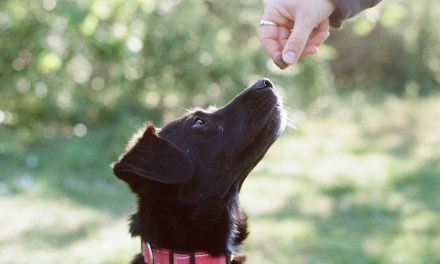
The foundation of a well-behaved canine companion lies in effective training and consistent reinforcement of commands. Improved obedience is not merely about teaching a dog to follow orders; it encompasses the development of a mutual understanding between the dog and its owner. Through structured training sessions, dogs learn essential commands such as “sit,” “stay,” and “come,” which are pivotal for their safety and the safety of others. This obedience fosters a sense of discipline, allowing dogs to navigate various environments with confidence and composure.
Moreover, behavioral issues such as excessive barking, jumping, or aggression can be mitigated through targeted training techniques. Positive reinforcement strategies, including treats and praise, encourage desirable behaviors while discouraging negative ones. As a result, owners often observe a marked improvement in their dog’s overall demeanor, leading to a more harmonious living situation. The transformation from a disobedient pet to a well-mannered companion not only enhances the dog’s quality of life but also enriches the owner’s experience.
Enhanced Socialization Skills
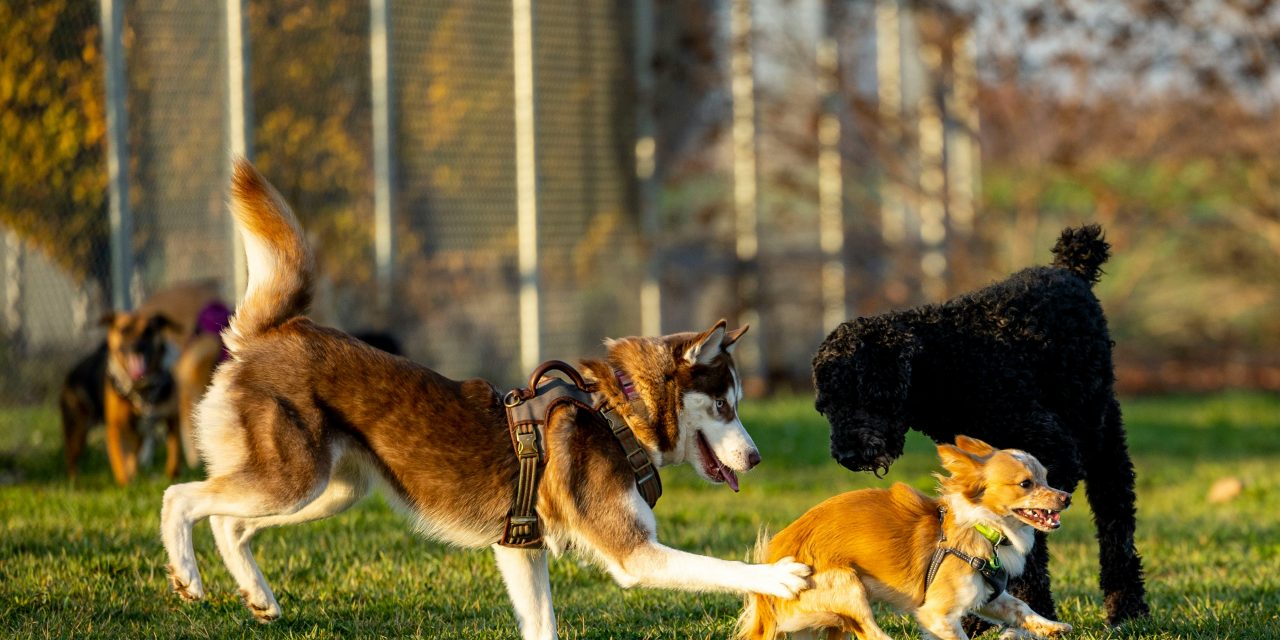
Socialization is a critical aspect of canine development that significantly influences a dog’s behavior and temperament. Exposure to diverse environments, people, and other animals helps dogs learn appropriate social cues and interactions. Enhanced socialization skills can prevent fear-based reactions and aggression, which are common in poorly socialized dogs. By participating in group training classes or dog parks, dogs can engage with their peers, fostering positive interactions that build confidence.
Furthermore, socialization contributes to emotional stability in dogs. A well-socialized dog is less likely to exhibit anxiety or fear in unfamiliar situations, making outings more enjoyable for both the pet and the owner. Owners should prioritize early socialization during the critical developmental stages of their dog’s life, typically between 3 to 14 weeks of age. However, it is never too late to introduce socialization opportunities, as adult dogs can also benefit from gradual exposure to new experiences.
Increased Physical Exercise and Health

Regular physical exercise is paramount for maintaining a dog’s overall health and well-being. Engaging in daily activities such as walking, running, or playing fetch not only helps to keep dogs physically fit but also combats obesity-related health issues. According to the Association for Pet Obesity Prevention, approximately 56% of dogs in the United States are classified as overweight or obese. This alarming statistic underscores the necessity for owners to prioritize physical activity as part of their dog’s routine.
Increased exercise also plays a vital role in promoting cardiovascular health, strengthening muscles, and enhancing joint flexibility. Moreover, physical activity releases endorphins that contribute to a dog’s mental well-being, reducing stress and anxiety levels. Owners should aim for at least 30 minutes of moderate exercise daily, tailored to their dog’s breed, age, and energy level. Incorporating varied activities can prevent boredom and stimulate both physical and mental engagement.
Mental Stimulation and Enrichment

Mental stimulation is equally important as physical exercise in ensuring a dog’s overall health. Engaging a dog’s cognitive abilities through puzzle toys, training exercises, or interactive games can prevent boredom and destructive behaviors. Dogs are intelligent creatures that thrive on challenges; thus, providing them with opportunities for mental enrichment is essential for their happiness.
Activities such as scent work or agility training not only stimulate a dog’s mind but also strengthen the bond between the pet and owner. These activities encourage problem-solving skills and enhance focus and concentration. Owners should consider incorporating a variety of mental challenges into their dog’s routine to keep them engaged and satisfied. Regularly changing toys or introducing new games can provide fresh stimulation that keeps dogs mentally sharp.
Reduction in Separation Anxiety
Separation anxiety is a common issue faced by many dog owners, characterized by excessive barking, destructive behavior, or signs of distress when left alone. Addressing this condition requires a multifaceted approach that includes gradual desensitization and positive reinforcement techniques. By slowly increasing the duration of time spent apart from the dog while rewarding calm behavior, owners can help their pets develop confidence in being alone.
Additionally, creating a safe space with familiar toys or blankets can provide comfort during periods of separation. Interactive toys that dispense treats can also keep dogs occupied while their owners are away. In more severe cases, consulting with a veterinarian or animal behaviorist may be necessary to explore further treatment options, including behavioral therapy or medication.
Strengthened Bond Between Owner and Dog
The relationship between an owner and their dog is built on trust, communication, and shared experiences. Engaging in training sessions, outdoor activities, or simply spending quality time together fosters a deeper connection between the two. This bond is crucial for establishing a cooperative relationship where the dog feels secure and understood.
Moreover, positive interactions reinforce desirable behaviors and create a sense of loyalty and companionship. Owners who invest time in understanding their dog’s needs and preferences often find that their pets respond more positively to commands and cues. This strengthened bond not only enhances obedience but also enriches the overall experience of pet ownership.
Professional Handling and Expertise
In some cases, seeking professional assistance may be necessary to address specific behavioral issues or training challenges. Professional dog trainers possess the expertise to assess individual situations and develop tailored training programs that cater to each dog’s unique needs. Their knowledge of canine behavior allows them to implement effective strategies that promote positive outcomes.
Additionally, professional trainers can provide valuable insights into breed-specific traits and tendencies that may influence behavior. By collaborating with experts, owners can gain confidence in their training methods and ensure they are employing best practices for their dog’s development.
Safe Environment for Play and Interaction
Creating a safe environment for play is essential for promoting healthy interactions among dogs and between dogs and humans. Owners should ensure that play areas are free from hazards such as sharp objects or toxic plants. Supervision during playtime is crucial to prevent injuries or altercations between dogs.
Moreover, providing designated spaces for play can help manage interactions among multiple pets. Dog parks or fenced-in yards allow for safe exploration while minimizing risks associated with off-leash play in uncontrolled environments. Owners should also be mindful of their dog’s temperament when selecting playmates to ensure compatibility and reduce the likelihood of conflicts.
Prevention of Destructive Behaviors
Destructive behaviors such as chewing furniture or digging can stem from boredom, anxiety, or lack of proper training. Preventing these behaviors requires proactive measures that include providing appropriate outlets for energy and mental stimulation. Offering chew toys or engaging in interactive play can redirect destructive tendencies into positive activities.
Establishing clear boundaries through consistent training reinforces acceptable behaviors while discouraging negative ones. Additionally, ensuring that dogs receive adequate exercise can significantly reduce the likelihood of destructive behaviors stemming from pent-up energy or frustration.
Consistent Routine and Structure
Dogs thrive on routine and structure; establishing a consistent schedule for feeding, exercise, and training can significantly enhance a dog’s sense of security. Predictability helps dogs understand what to expect throughout the day, reducing anxiety associated with uncertainty. A structured routine also facilitates better behavior management by reinforcing training concepts during designated times.
Owners should aim to maintain consistency in commands used during training sessions as well as in daily interactions with their pets. This uniformity aids in reinforcing learned behaviors and fosters clear communication between the owner and dog.
Support for Special Needs and Behavioral Issues
Dogs with special needs or behavioral challenges require tailored support to thrive in their environments. This may include individualized training programs designed to address specific issues such as fearfulness or aggression. Owners should work closely with veterinarians or certified trainers who specialize in behavioral modification techniques.
In some cases, medication may be recommended to assist with anxiety or other behavioral disorders. Selective serotonin reuptake inhibitors (SSRIs) such as fluoxetine have been shown to help manage anxiety-related conditions in dogs when combined with behavioral therapy.
In conclusion, fostering improved obedience, enhanced socialization skills, increased physical exercise, mental stimulation, reduced separation anxiety, strengthened bonds between owner and dog, professional handling expertise, safe environments for play, prevention of destructive behaviors, consistent routines, and support for special needs are all integral components of responsible pet ownership. By prioritizing these aspects of canine care, owners can ensure their pets lead fulfilling lives while enjoying the companionship that comes from a well-trained dog.
### FAQ Section
1. **What are the signs of separation anxiety in dogs?**
– Signs include excessive barking or howling when left alone, destructive behavior (chewing furniture), urinating or defecating indoors despite being house-trained, pacing or restlessness, and attempts to escape confinement.
2. **How much exercise does my dog need daily?**
– Generally, dogs require at least 30 minutes of moderate exercise daily; however, this varies based on breed, age, size, and energy level.
3. **What types of mental stimulation can I provide my dog?**
– Puzzle toys that dispense treats, scent work activities (like hiding treats), obedience training sessions, interactive games like hide-and-seek or fetch variations are excellent options.
4. **How can I socialize my dog effectively?**
– Gradually expose your dog to various environments (parks, pet stores), introduce them to different people (friends or family), arrange playdates with other dogs, and enroll them in group training classes.
5. **What should I do if my dog exhibits aggressive behavior?**
– Consult with a professional trainer or animal behaviorist who specializes in aggression management; they can provide tailored strategies for addressing this issue safely.
6. **Are there medications available for anxious dogs?**
– Yes! Medications such as fluoxetine (an SSRI) may be prescribed by veterinarians alongside behavioral therapy to help manage anxiety-related conditions effectively.
7. **How do I create a safe environment for my dog?**
– Remove hazards from play areas (sharp objects), supervise interactions with other pets or children closely, provide secure fencing for outdoor spaces, and ensure access to fresh water at all times.
8. **What are some common destructive behaviors in dogs?**
– Common destructive behaviors include chewing furniture or shoes, digging holes in the yard or garden beds, excessive barking due to boredom or anxiety.
9. **How important is consistency in dog training?**
– Consistency is crucial; it reinforces learned behaviors by providing clear communication between owner and dog regarding expectations during training sessions.
10. **Can older dogs benefit from socialization?**
– Absolutely! While early socialization is ideal, older dogs can still benefit from gradual exposure to new experiences; it helps reduce anxiety and improves overall behavior.
In summary, responsible pet ownership encompasses various aspects that contribute to a dog’s well-being—ranging from obedience training to mental stimulation—ultimately leading to healthier relationships between owners and their canine companions.
FAQs
What is K9 training?
K9 training refers to the specialized training programs designed for dogs, particularly those used in law enforcement, search and rescue, or service roles. This training focuses on obedience, agility, scent detection, and specific task performance to ensure that the dogs can effectively assist their handlers in various situations.
What are the benefits of doggy daycare?
Doggy daycare provides numerous benefits for both dogs and their owners. It offers socialization opportunities for dogs, allowing them to interact with other dogs and people, which can improve their behavior and reduce anxiety. Additionally, it provides mental and physical stimulation, helping to prevent boredom and destructive behaviors at home.
How can K9 training improve a pet dog’s behavior?
K9 training can significantly improve a pet dog’s behavior by teaching them essential commands and reinforcing positive behaviors. Through consistent training, dogs learn to respond to commands, which can reduce issues such as excessive barking, jumping, or aggression. This structured approach helps create a well-mannered and obedient pet.
What should I look for in a doggy daycare facility?
When choosing a doggy daycare facility, consider factors such as the staff-to-dog ratio, the facility’s cleanliness, safety measures, and the types of activities offered. It’s also important to check for proper licensing and insurance, as well as to read reviews from other pet owners to ensure a positive environment for your dog.
Can K9 training be beneficial for all dog breeds?
Yes, K9 training can be beneficial for all dog breeds, regardless of size or temperament. While certain breeds may excel in specific tasks, all dogs can benefit from basic obedience training, socialization, and mental stimulation. Tailoring the training approach to the individual dog’s needs and personality is key to achieving the best results.