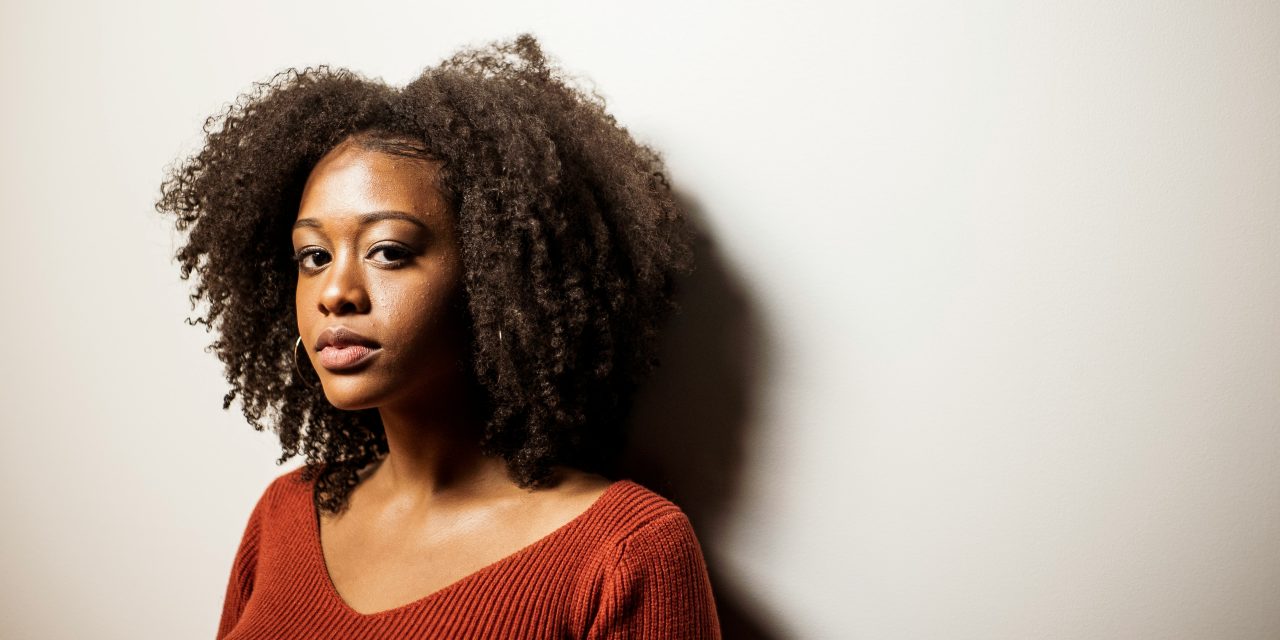
4C hair texture is characterized by its tight, zigzag curls that can often appear densely packed. This hair type is unique due to its high shrinkage potential, which can range from 50% to 75% of its actual length when dry. The curl pattern is typically defined by a lack of defined curls, resulting in a fluffy appearance. The cuticle layer of 4C hair is often more compact and tightly coiled, making it prone to dryness and breakage. Understanding the structure of 4C hair is crucial for developing effective care routines and styling techniques.
The porosity of 4C hair can vary significantly, influencing how it absorbs and retains moisture. Low porosity hair tends to resist moisture absorption, while high porosity hair can absorb moisture quickly but may struggle to retain it. This variability necessitates a tailored approach to hair care, focusing on hydration and nourishment. Additionally, the density of 4C hair can range from fine to coarse, impacting styling choices and product selection. Recognizing these characteristics allows individuals with 4C hair to embrace their natural texture while implementing strategies that promote health and vitality.
If you’re looking for inspiration on the best hairstyles for 4c natural hair, you might find this article particularly helpful. It offers a variety of styles that celebrate the beauty and versatility of 4c textures, ensuring you can express your unique personality while keeping your hair healthy. For more tips on achieving the perfect look, check out this related article on cooking shrimp perfectly without making it rubbery at this link.
Importance of Moisture and Care for 4C Hair
Moisture is the cornerstone of maintaining healthy 4C hair. Due to its tightly coiled structure, this hair type is particularly susceptible to dryness, which can lead to brittleness and breakage. Regularly moisturizing the hair with water-based products is essential for maintaining elasticity and preventing damage. Incorporating leave-in conditioners, hydrating creams, and oils into the hair care regimen can significantly improve moisture retention. Products containing ingredients such as shea butter, coconut oil, and aloe vera are particularly beneficial for sealing in hydration.
In addition to moisture, proper care techniques are vital for preserving the integrity of 4C hair. Gentle cleansing with sulfate-free shampoos helps remove buildup without stripping natural oils. Deep conditioning treatments should be performed regularly to restore moisture levels and enhance softness. Protective styling is another critical aspect of care, as it minimizes manipulation and reduces the risk of breakage. By adopting a comprehensive approach that prioritizes hydration and gentle handling, individuals with 4C hair can achieve healthier, more resilient locks.
Twist-Outs: Definition and Styling Tips

A twist-out is a popular styling technique that involves twisting sections of hair to create defined curls or waves once unraveled. This method not only enhances the natural curl pattern but also provides a versatile look that can last for several days. To achieve a successful twist-out, it is essential to start with clean, damp hair. Applying a leave-in conditioner or styling cream before twisting helps ensure that the hair remains moisturized throughout the process.
When creating twists, it is advisable to work with small sections of hair for more defined results. The size of the twists can vary depending on personal preference; smaller twists yield tighter curls, while larger twists create looser waves. After twisting, allow the hair to air dry or use a hooded dryer for quicker results. Once completely dry, gently unravel each twist using an oil or serum to minimize frizz. The final look can be fluffed for volume or styled as desired, making twist-outs an excellent option for showcasing the beauty of 4C hair.
Bantu Knots: How to Achieve the Perfect Look

Bantu knots are a traditional African hairstyle that has gained popularity for their striking appearance and versatility. This style involves sectioning the hair into small portions and twisting them into knots against the scalp. To achieve the perfect Bantu knots, begin with clean, damp hair and apply a moisturizing cream or gel to enhance hold and definition. Section the hair into manageable parts, typically ranging from one to two inches in width.
Twist each section tightly before wrapping it around itself to form a knot at the base. Secure the knot with a bobby pin or small elastic band if necessary. Allow the knots to dry completely before unraveling them for a beautiful curly look. Bantu knots can be worn as a protective style or unraveled for a stunning curly finish, making them an excellent choice for those looking to switch up their look while caring for their natural texture.
When it comes to embracing the beauty of 4c natural hair, finding the right hairstyles can make all the difference. Many individuals with this hair type often seek inspiration and guidance on how to style their curls while maintaining their health. For those looking for some creative ideas, a great resource is the article on best hairstyles for 4c natural hair, which offers a variety of styles that celebrate the unique texture and volume of 4c hair. Whether you’re preparing for a special occasion or just want to switch up your everyday look, exploring these options can help you find the perfect style that suits your personality.
Wash and Go: Enhancing Your Natural Curl Pattern
The wash-and-go method is a straightforward yet effective way to embrace natural curls without extensive styling. This technique involves washing the hair, applying products, and allowing it to air dry in its natural state. To achieve optimal results with a wash-and-go, start with freshly washed hair using a sulfate-free shampoo followed by a hydrating conditioner. After rinsing out the conditioner, apply a leave-in conditioner or curl cream while the hair is still damp.
Using a technique such as shingling or raking helps distribute the product evenly throughout the strands, enhancing curl definition. For added hold and definition, consider using a gel specifically formulated for curly hair types. Once applied, allow the hair to air dry or use a diffuser attachment on a blow dryer for quicker drying time. The wash-and-go method celebrates the natural beauty of 4C hair while providing a low-maintenance styling option that can last for several days.
Protective Styles: Braids and Cornrows
Protective styles are essential for maintaining the health of 4C hair by minimizing manipulation and reducing exposure to environmental stressors. Braids and cornrows are two popular protective styles that offer versatility while safeguarding the hair from damage. These styles can be worn for extended periods, allowing the hair to rest and recover from daily wear and tear.
When opting for braids or cornrows, it is crucial to ensure that they are not too tight, as this can lead to traction alopecia or breakage at the roots. Using lightweight extensions can add length and volume without compromising the health of natural strands. Regularly moisturizing the scalp and braids during wear is essential for preventing dryness and itchiness. Protective styles not only provide aesthetic appeal but also serve as an effective strategy for promoting healthy growth in 4C hair.
Afro Puff: A Classic and Chic Option
The afro puff is a timeless hairstyle that showcases the beauty of natural curls while providing an effortlessly chic look. This style involves gathering the hair into a high or low puff at the crown of the head, creating a voluminous appearance that celebrates texture. To achieve an afro puff, start with clean, moisturized hair and use a soft-bristle brush or your fingers to gather the hair into a ponytail.
Using an elastic band or scrunchie, secure the ponytail without pulling too tightly to avoid tension on the scalp. For added volume, gently fluff out the puff using your fingers or an afro pick. The afro puff can be styled in various ways by incorporating accessories such as headbands or decorative pins for added flair. This versatile hairstyle is perfect for any occasion while allowing individuals with 4C hair to embrace their natural beauty.
Finger Coils: Step-by-Step Guide
Finger coils are an excellent way to define curls while showcasing the natural texture of 4C hair. This technique involves wrapping small sections of hair around your finger to create defined coils that can last for several days with proper care. To begin, start with clean, damp hair and apply a curl-enhancing cream or gel to each section.
Take small portions of hair—about one inch in width—and wrap them around your finger in a spiral motion until you reach the ends. Repeat this process throughout your entire head, ensuring that each coil is uniform in size for consistency in appearance. Allow the coils to air dry completely before separating them for added volume and definition. Finger coils provide a stunning look that highlights natural curls while offering versatility in styling options.
High Bun: Elegant and Easy to Create
The high bun is an elegant hairstyle that is both practical and stylish for individuals with 4C hair. This updo allows for easy maintenance while keeping the hair off the face and neck during warmer months or busy days. To create a high bun, start with clean, moisturized hair and gather it into a high ponytail at your desired height.
Using an elastic band or scrunchie, secure the ponytail without pulling too tightly on the scalp. Twist the ponytail around itself to form a bun shape and secure it with bobby pins or additional elastics as needed. For added flair, consider leaving out some tendrils around the face or accessorizing with decorative clips or scarves. The high bun is not only chic but also serves as an effective protective style that promotes healthy growth.
Two-Strand Twists: Versatile and Low Maintenance
Two-strand twists are a versatile hairstyle that offers low maintenance while enhancing natural texture in 4C hair. This style involves twisting two sections of hair together to create defined curls that can be worn as-is or unraveled for additional styling options. To achieve two-strand twists, start with clean, damp hair and apply a leave-in conditioner or styling cream.
Section the hair into manageable parts—typically one inch wide—and twist each section together tightly from root to tip. Allow the twists to air dry completely before unraveling them if desired for added volume and curl definition. Two-strand twists can be worn for several days without needing extensive upkeep, making them an ideal choice for busy individuals seeking stylish yet manageable options.
Tapered Cut: Modern and Stylish Haircut for 4C Hair
The tapered cut is a modern hairstyle that emphasizes natural texture while providing an edgy yet sophisticated look for individuals with 4C hair. This haircut features shorter sides and back while leaving more length on top, allowing for versatility in styling options. A tapered cut can enhance facial features while showcasing beautiful curls on top.
To achieve this look, it is advisable to consult with a professional stylist experienced in cutting textured hair types. Regular trims are essential for maintaining shape and preventing split ends while promoting healthy growth. The tapered cut allows individuals with 4C hair to express their unique style while embracing their natural texture in an effortlessly chic manner.
Pineapple Updo: Nighttime Style and Daytime Look
The pineapple updo is an innovative hairstyle designed primarily for preserving curls overnight while also serving as a stylish daytime look. This technique involves gathering all of the hair at the crown of the head into a loose ponytail resembling a pineapple shape—hence its name—allowing curls to remain intact without flattening overnight.
To create this style, start with dry or slightly damp curls and gather them loosely at the top of your head using a soft scrunchie or elastic band—avoid pulling too tightly to prevent tension on your scalp. For added protection during sleep, consider using a satin scarf or pillowcase to minimize friction against your curls. The pineapple updo not only preserves curls but also provides an effortlessly chic option suitable for various occasions throughout the day.
In summary, understanding how to care for and style 4C natural hair is essential for embracing its unique beauty while promoting health and vitality. From twist-outs to protective styles like braids and cornrows, there are numerous options available that cater specifically to this texture’s needs. By prioritizing moisture retention through effective products and techniques such as wash-and-go methods or finger coils, individuals can celebrate their natural curls confidently while exploring diverse styling possibilities tailored specifically towards their preferences!
FAQs
What are the best hairstyles for 4c natural hair?
The best hairstyles for 4c natural hair include protective styles such as braids, twists, and updos. Other popular options are afros, Bantu knots, and flat twists. These styles help to minimize breakage and retain moisture while showcasing the hair’s natural texture.
How can I maintain my 4c natural hair while styling?
To maintain 4c natural hair while styling, it’s essential to keep it moisturized and well-nourished. Use leave-in conditioners, oils, and creams to hydrate your hair. Additionally, avoid excessive heat and manipulation, and consider using protective styles to reduce wear and tear.
Are there specific products recommended for 4c natural hair?
Yes, products that are rich in moisture and nutrients are recommended for 4c natural hair. Look for creams, butters, and oils that contain ingredients like shea butter, coconut oil, and aloe vera. These products help to define curls and provide hydration, making styling easier.
How often should I change my hairstyle for 4c natural hair?
It is generally recommended to change your hairstyle every 2 to 4 weeks to prevent tension and breakage. However, if you are wearing protective styles, you can keep them in for up to 6 weeks, provided you maintain your scalp health and moisture levels.
Can I use heat on my 4c natural hair for styling?
While it is possible to use heat on 4c natural hair, it should be done sparingly to avoid damage. If you choose to use heat, always apply a heat protectant and use the lowest effective temperature. Consider heat-free styling methods to maintain the health of your hair.