Dried fruits have gained immense popularity in recent years, not only as a convenient snack but also as a nutritious addition to various diets. These fruits undergo a dehydration process that removes moisture, thereby concentrating their flavors and nutrients. The result is a product that is rich in vitamins, minerals, and antioxidants, making dried fruits an excellent choice for health-conscious individuals. For instance, dried apricots are high in vitamin A and iron, while raisins provide a good source of potassium and dietary fiber.
The benefits of incorporating dried fruits into one’s diet are manifold. They serve as a quick energy source, making them ideal for athletes and active individuals. Additionally, their high fiber content aids in digestion and promotes gut health. Dried fruits are also versatile; they can be added to cereals, salads, or baked goods, enhancing both flavor and nutritional value. However, it is essential to understand the factors that influence their shelf life to maximize their benefits and minimize waste.
When considering the shelf life of dried fruit, it’s essential to understand how proper storage can significantly extend its usability. For more insights on food preservation techniques, you might find this article on budget-friendly recipes helpful, as it discusses various ways to store and utilize ingredients effectively. Check it out here: Budget-Friendly Lentil Sloppy Joes Recipe.
Factors Affecting the Shelf Life of Dried Fruits
Several factors play a crucial role in determining the shelf life of dried fruits. One of the primary considerations is moisture content. Dried fruits with higher moisture levels are more susceptible to spoilage and mold growth. Ideally, the moisture content should be below 20% to ensure longevity. Packaging also significantly impacts shelf life; airtight containers or vacuum-sealed bags can help prevent exposure to air and humidity, which can lead to deterioration.
Temperature is another critical factor affecting the preservation of dried fruits. Storing these products in a cool, dark place can extend their usability. Exposure to light and heat can accelerate the degradation of nutrients and flavor compounds. Additionally, the presence of preservatives can influence shelf life; some commercially available dried fruits contain sulfur dioxide or other additives that help maintain color and freshness but may not be suitable for everyone.
Raisins: Shelf Life and Storage Tips

Raisins are one of the most popular dried fruits, known for their sweet flavor and chewy texture. When stored properly, raisins can last for an impressive duration. Typically, they have a shelf life of about 6 to 12 months when kept in a cool, dry place. If stored in the refrigerator, their longevity can extend up to 18 months. To maximize freshness, it is advisable to keep them in an airtight container away from direct sunlight.
For optimal storage, consider using vacuum-sealed bags or glass jars with tight-fitting lids. This prevents moisture absorption and keeps the raisins plump and flavorful. If you notice any signs of spoilage, such as an off smell or unusual texture, it is best to discard them. Rehydrating raisins by soaking them in warm water for a few minutes can also enhance their texture if they become too dry.
Apricots: How Long Do They Last?

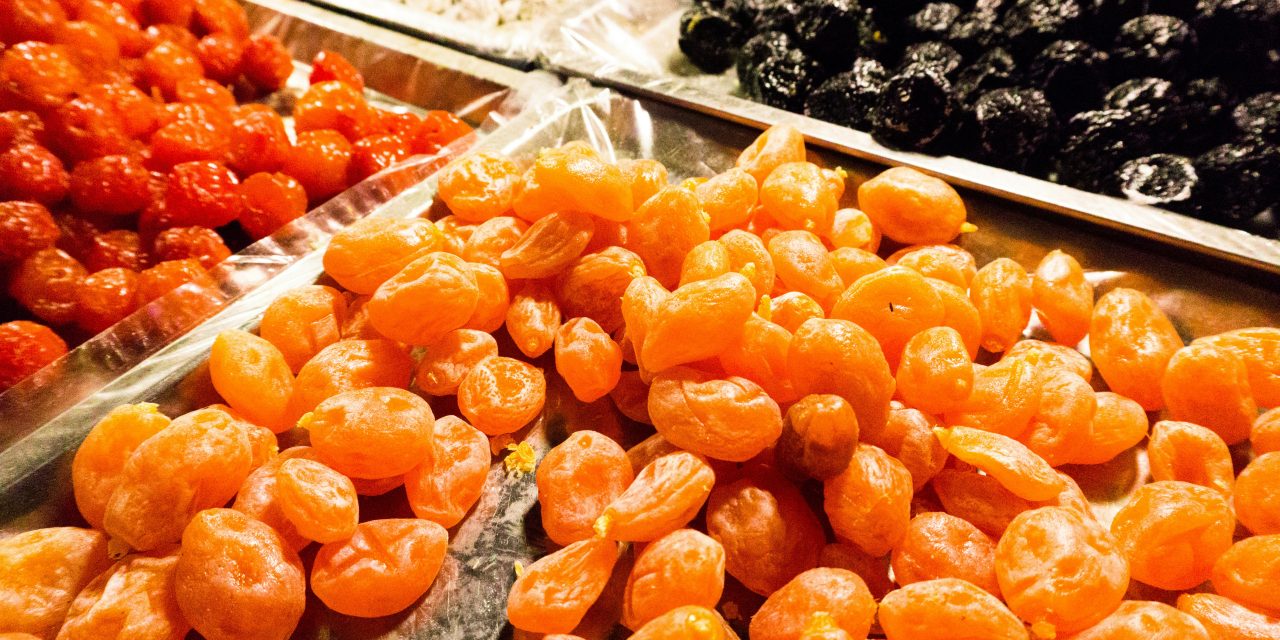
Dried apricots are not only delicious but also packed with essential nutrients such as vitamin A and potassium. Their shelf life typically ranges from 6 to 12 months when stored in a cool, dark environment. However, if kept in the refrigerator or freezer, they can last even longer—up to 18 months or more. The key to preserving their quality lies in proper storage techniques.
To maintain the best flavor and texture, store dried apricots in airtight containers or vacuum-sealed bags. Exposure to air can lead to oxidation, resulting in a loss of flavor and nutritional value. It is also advisable to keep them away from strong odors, as dried apricots can absorb surrounding scents. If you notice any signs of mold or an off-putting smell, it is crucial to discard them immediately.
When considering the shelf life of dried fruit, it’s essential to understand proper storage techniques to maintain freshness and flavor. For instance, you might find it helpful to explore how to store citrus fruits effectively, as this can also impact their longevity. A related article on this topic can be found here, providing insights that could enhance your overall food preservation skills. Proper storage not only extends the life of dried fruits but also ensures that they retain their nutritional value and taste.
Dates: Longevity and Preservation Methods
Dates are renowned for their natural sweetness and chewy consistency. They are an excellent source of energy due to their high carbohydrate content. When stored correctly, dates can last for an extended period—typically up to 12 months at room temperature and even longer when refrigerated or frozen. Their natural sugars act as preservatives, contributing to their longevity.
To ensure optimal preservation, store dates in airtight containers or vacuum-sealed bags to prevent moisture absorption. Keeping them in a cool environment away from direct sunlight will also help maintain their quality. If you notice any crystallization on the surface, it is a natural occurrence due to sugar content and does not indicate spoilage; simply soak them in warm water for a few minutes before consumption.
Figs: Shelf Life Insights and Best Practices
Dried figs are not only delicious but also rich in dietary fiber and essential minerals such as calcium and magnesium. Their shelf life typically ranges from 6 to 12 months when stored properly. To maximize freshness, it is advisable to keep them in airtight containers in a cool, dark place. Refrigeration can extend their shelf life up to 18 months.
When storing dried figs, ensure they are kept away from moisture and strong odors that could compromise their flavor profile. If you notice any signs of mold or an off smell, it is essential to discard them immediately. To enhance their texture before consumption, consider soaking dried figs in warm water for about 30 minutes.
Prunes: Storage Duration and Tips
Prunes, often recognized for their digestive benefits, are another popular dried fruit option. They typically have a shelf life of about 12 to 18 months when stored correctly. Their high fiber content makes them an excellent choice for promoting digestive health. To maintain their quality over time, store prunes in airtight containers away from light and moisture.
Refrigeration can further extend their shelf life while preserving their flavor and texture. If prunes become too dry over time, rehydrating them by soaking in warm water for a short period can restore their plumpness. Always check for signs of spoilage before consumption; if they exhibit an off smell or unusual texture, it is best to discard them.
Cranberries: Keeping Them Fresh Longer
Dried cranberries are often enjoyed for their tart flavor and health benefits, including high antioxidant content. Their shelf life typically ranges from 12 to 18 months when stored properly in a cool, dry place. To maximize freshness, keep them in airtight containers or vacuum-sealed bags away from light exposure.
Cranberries can absorb moisture easily; therefore, it is crucial to ensure they remain dry during storage. If you notice any signs of spoilage such as mold or an off smell, it is advisable to discard them immediately. For added versatility, consider incorporating dried cranberries into salads or baked goods for an extra burst of flavor.
Mango Slices: Shelf Life and Storage Guidelines
Dried mango slices are celebrated for their tropical flavor and nutritional benefits, including vitamins A and When stored correctly, they typically have a shelf life of about 6 to 12 months at room temperature. Refrigeration can extend this duration up to 18 months or more.
To preserve the quality of dried mango slices, store them in airtight containers away from light and moisture sources. If they become too dry over time, consider rehydrating them by soaking in warm water for a few minutes before consumption. Always check for signs of spoilage; if they exhibit an off smell or unusual texture, it is best to discard them.
Pineapple Rings: How to Maximize Freshness
Dried pineapple rings are not only delicious but also rich in vitamin C and manganese. Their shelf life typically ranges from 6 to 12 months when stored properly in a cool environment away from light exposure. To maximize freshness, store them in airtight containers or vacuum-sealed bags.
Pineapple rings can absorb moisture easily; therefore, it is crucial to keep them dry during storage. If you notice any signs of spoilage such as mold or an off smell, it is advisable to discard them immediately. For added versatility, consider incorporating dried pineapple into trail mixes or baked goods for an extra burst of flavor.
Apples: Dried Apple Shelf Life Explained
Dried apples are a popular snack choice due to their sweet flavor and nutritional benefits, including dietary fiber and vitamin When stored properly in a cool environment away from light exposure, dried apples typically have a shelf life of about 6 to 12 months at room temperature. Refrigeration can extend this duration up to 18 months or more.
To preserve the quality of dried apples, store them in airtight containers or vacuum-sealed bags away from moisture sources. If they become too dry over time, consider rehydrating them by soaking in warm water for a few minutes before consumption. Always check for signs of spoilage; if they exhibit an off smell or unusual texture, it is best to discard them.
Blueberries: Storage and Expiry Information
Dried blueberries are known for their sweet-tart flavor and high antioxidant content. Their shelf life typically ranges from 12 to 18 months when stored properly in a cool environment away from light exposure. To maximize freshness, keep them in airtight containers or vacuum-sealed bags.
Blueberries can absorb moisture easily; therefore, it is crucial to ensure they remain dry during storage. If you notice any signs of spoilage such as mold or an off smell, it is advisable to discard them immediately. For added versatility, consider incorporating dried blueberries into cereals or baked goods for an extra burst of flavor.
Best Practices for Extending Dried Fruit Shelf Life
In conclusion, understanding the factors that affect the shelf life of dried fruits is essential for maximizing their benefits while minimizing waste. Proper storage techniques—such as using airtight containers, keeping products away from moisture and light exposure—are crucial for maintaining quality over time. Regularly checking for signs of spoilage ensures that only fresh products are consumed.
Incorporating dried fruits into your diet offers numerous health benefits while providing delicious flavors that enhance various dishes. By following best practices for storage and preservation outlined throughout this article, individuals can enjoy these nutritious snacks for extended periods without compromising quality or taste.
FAQs
What is the typical shelf life of dried fruit?
The typical shelf life of dried fruit varies depending on the type and storage conditions, but generally, it can last anywhere from 6 months to 1 year when stored properly in a cool, dry place. Vacuum-sealed or commercially packaged dried fruits may last even longer.
How can I tell if dried fruit has gone bad?
Dried fruit can go bad if it develops an off smell, unusual color, or mold. Additionally, if the texture becomes excessively hard or chewy, or if it has an unusual taste, it is best to discard it.
Does refrigeration extend the shelf life of dried fruit?
Refrigeration can help extend the shelf life of dried fruit, especially in humid climates. Storing dried fruit in an airtight container in the refrigerator can keep it fresh for up to 1 to 2 years, although it may lose some flavor and texture.
Can I freeze dried fruit to prolong its shelf life?
Yes, freezing dried fruit can significantly prolong its shelf life. When properly sealed in airtight containers or freezer bags, dried fruit can last for several years in the freezer without losing its quality.
What is the best way to store dried fruit for maximum freshness?
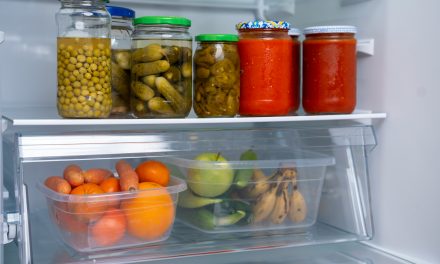
The best way to store dried fruit for maximum freshness is to keep it in a cool, dark, and dry place, preferably in an airtight container. Avoid exposure to moisture, heat, and light, which can degrade the quality and shorten its shelf life.