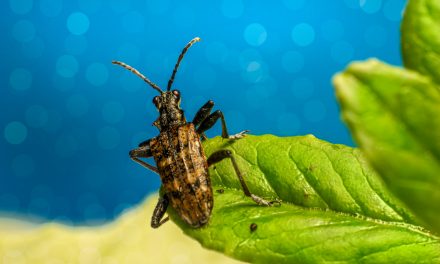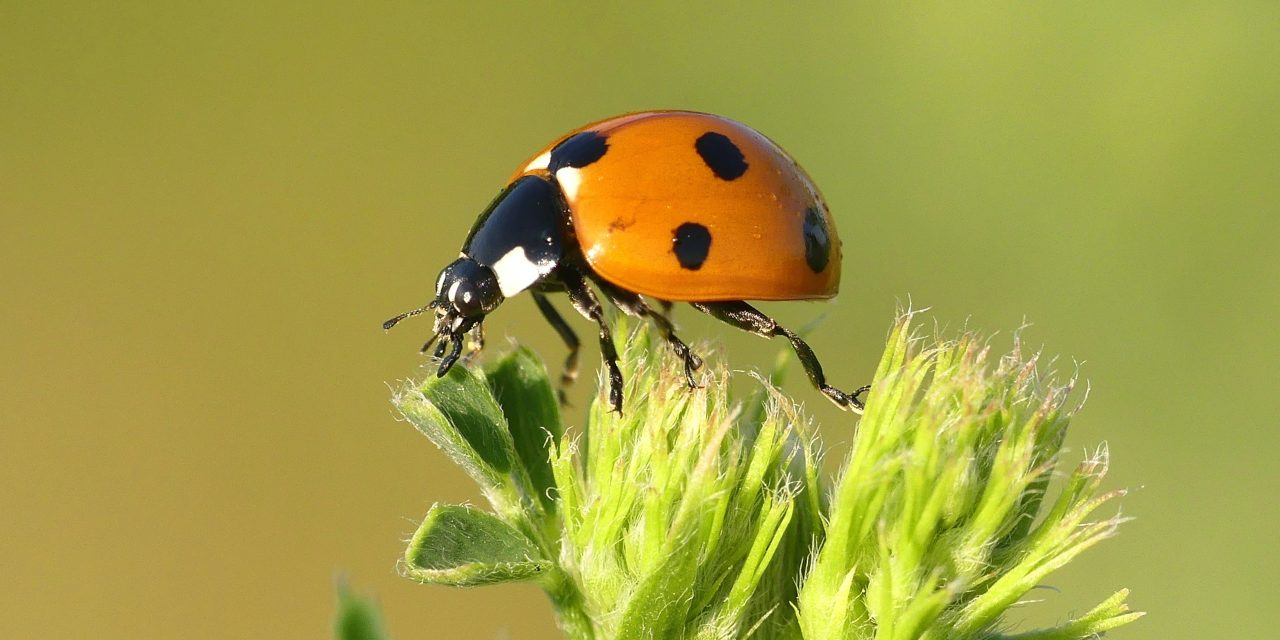
Household pests are a significant concern for homeowners, as they can cause damage to property and pose health risks. Common pests include rodents, insects, and arachnids, each with unique behaviors and habitats. Rodents such as mice and rats are notorious for their ability to reproduce rapidly, leading to infestations that can compromise food supplies and spread diseases like hantavirus and leptospirosis. Insects such as cockroaches, ants, and termites can damage structures and contaminate food. Arachnids, including spiders, may not cause direct harm but can induce fear and anxiety in many individuals.
Understanding the biology and behavior of these pests is crucial for effective management. For instance, cockroaches thrive in warm, humid environments and are nocturnal scavengers. Termites, on the other hand, are social insects that live in colonies and feed on cellulose found in wood. Recognizing the signs of an infestation—such as droppings, gnaw marks, or nests—can help homeowners take timely action to mitigate the problem before it escalates.
For those interested in maintaining a pest-free environment while ensuring the well-being of their pets, a related article on effective insect and pest control can be found here: Top 10 German Shepherd Boarding Tips for Happy, Healthy Pets. This article provides valuable insights into creating a safe and healthy space for your pets, which includes strategies for managing pests that could affect their health and comfort.
Keeping Your Home Clean and Clutter-Free
Maintaining a clean and organized living space is one of the most effective strategies for pest prevention. Regular cleaning routines should include vacuuming carpets, sweeping floors, and wiping down surfaces to eliminate food particles and debris that attract pests. Clutter provides hiding spots for insects and rodents, making it essential to declutter areas such as attics, basements, and garages. By minimizing clutter, homeowners can reduce potential nesting sites for pests.
In addition to routine cleaning, it is advisable to implement a deep-cleaning schedule at least once every season. This should involve washing curtains, cleaning behind appliances, and organizing storage areas. Such thorough cleaning not only deters pests but also promotes a healthier living environment by reducing allergens and improving indoor air quality.
Sealing Entry Points to Prevent Pest Intrusion

Preventing pests from entering the home begins with identifying and sealing potential entry points. Common access areas include gaps around windows and doors, cracks in foundations, and openings around utility lines. Homeowners should inspect these areas regularly and use caulk or weather stripping to seal any gaps effectively. Additionally, installing door sweeps can prevent pests from slipping under doors.
It is also important to pay attention to vents and chimneys, which can serve as entry points for larger pests like rodents or raccoons. Installing screens over vents and ensuring chimneys have proper caps can significantly reduce the likelihood of unwanted intrusions. By proactively sealing these entry points, homeowners can create a formidable barrier against pest invasions.
Proper Food Storage to Deter Insects

Proper food storage is critical in deterring insects such as ants, cockroaches, and pantry moths. All food items should be stored in airtight containers made of glass or heavy-duty plastic to prevent access by pests. This includes not only dry goods like flour and sugar but also pet food and snacks. Additionally, it is essential to promptly clean up spills and crumbs from countertops and floors to eliminate food sources that attract pests.
Refrigeration is another effective method for preserving perishable items while deterring pests. Foods such as fruits and vegetables should be stored in the refrigerator rather than left out on countertops. Regularly checking expiration dates and discarding spoiled items can further reduce the risk of attracting unwanted insects into the home.
In the realm of maintaining a healthy living environment, effective insect and pest control is crucial. For those looking to enhance their knowledge on this topic, a related article can provide valuable insights. You can explore various methods and strategies for managing unwanted pests by visiting this informative resource. Understanding these techniques not only helps in keeping your home pest-free but also contributes to the overall well-being of your family and pets.
Managing Moisture and Fixing Leaks
Moisture control is vital in preventing pest infestations, as many pests thrive in damp environments. Homeowners should regularly inspect plumbing fixtures for leaks and repair any issues promptly. Areas such as bathrooms, kitchens, and basements are particularly susceptible to moisture accumulation; thus, ensuring proper ventilation in these spaces is crucial.
Using dehumidifiers in high-humidity areas can help maintain optimal moisture levels. Additionally, homeowners should ensure that gutters are clean and functioning correctly to prevent water from pooling around the foundation of the home. By managing moisture effectively, homeowners can create an inhospitable environment for pests like termites and cockroaches.
For those interested in effective methods of insect and pest control, a comprehensive guide can be found in this related article. It offers valuable insights into various strategies that can help manage unwanted pests in your home or garden, ensuring a healthier living environment. Understanding these techniques can significantly enhance your approach to pest management, making it easier to maintain a pest-free space.
Using Natural Pest Repellents Effectively
Natural pest repellents offer an eco-friendly alternative to chemical pesticides while still providing effective pest control solutions. Essential oils such as peppermint, tea tree, and eucalyptus have been shown to repel various insects due to their strong scents. Homeowners can create homemade sprays by diluting these oils with water and applying them around entry points or areas where pests are commonly seen.
Another effective natural deterrent is diatomaceous earth (DE), a fine powder made from fossilized algae that can be sprinkled in areas where pests are active. When insects come into contact with DE, it damages their exoskeletons, leading to dehydration and death. Utilizing these natural methods not only helps control pest populations but also minimizes exposure to harmful chemicals within the home.
Setting Up Traps and Baits Strategically
Setting traps and baits strategically can significantly enhance pest control efforts within the home. For rodents, snap traps or glue traps can be placed along walls where rodent activity has been observed. It is essential to use bait that is appealing to the specific type of rodent being targeted; for example, peanut butter is often effective for mice.
For insects like ants or cockroaches, bait stations containing slow-acting insecticides can be placed in areas where these pests are frequently seen. The bait attracts the insects, which then carry it back to their nests, effectively eliminating entire colonies over time. Regularly monitoring traps and replacing baits ensures ongoing effectiveness in managing pest populations.
Regularly Inspecting and Maintaining Outdoor Areas
Outdoor maintenance plays a crucial role in pest prevention strategies. Homeowners should regularly inspect their yards for signs of pest activity or conducive conditions such as standing water or overgrown vegetation. Keeping grass trimmed and removing debris like fallen leaves or wood piles can reduce habitats for pests like mosquitoes or termites.
Additionally, maintaining a distance between plants and the foundation of the home can deter pests from migrating indoors. Creating barriers using gravel or mulch around the perimeter of the house can also help prevent pest access while enhancing the aesthetic appeal of outdoor spaces.
Employing Professional Pest Control Services When Needed
In cases of severe infestations or persistent pest problems, enlisting professional pest control services may be necessary. Pest control experts possess specialized knowledge about various pest species and their behaviors, allowing them to implement targeted treatment plans effectively. These professionals utilize advanced techniques such as integrated pest management (IPM), which combines multiple strategies for long-term pest control.
Before hiring a pest control service, homeowners should conduct thorough research to ensure they choose a reputable company with positive reviews and appropriate certifications. A comprehensive inspection by professionals can identify underlying issues contributing to infestations while providing tailored solutions that align with the homeowner’s needs.
Safe Use of Chemical Insecticides and Pesticides
When chemical insecticides or pesticides are necessary for pest control, it is crucial to use them safely and responsibly. Homeowners should always read labels carefully to understand application instructions, safety precautions, and potential hazards associated with specific products. Wearing protective gear such as gloves and masks during application minimizes exposure risks.
It is advisable to apply chemical treatments during times when children and pets are not present in the area being treated. Additionally, homeowners should avoid using pesticides near food preparation areas or water sources to prevent contamination. Proper disposal of unused chemicals according to local regulations ensures environmental safety.
Creating a Year-Round Pest Prevention Plan
Developing a year-round pest prevention plan is essential for maintaining a pest-free home environment. This plan should include seasonal inspections of both indoor and outdoor areas to identify potential vulnerabilities before they become significant issues. Homeowners should also establish regular cleaning schedules that incorporate deep cleaning tasks throughout the year.
Incorporating preventive measures such as sealing entry points, managing moisture levels, and utilizing natural repellents should be part of this comprehensive strategy. By remaining vigilant and proactive throughout the year, homeowners can significantly reduce the likelihood of pest infestations while ensuring a safe living space for their families.
In summary, understanding common household pests is crucial for effective management strategies that include maintaining cleanliness, sealing entry points, proper food storage, moisture management, utilizing natural repellents, setting traps strategically, inspecting outdoor areas regularly, employing professional services when necessary, using chemical treatments safely, and creating a year-round prevention plan. By implementing these measures diligently, homeowners can protect their homes from unwanted intruders while promoting a healthy living environment for all occupants.
### FAQ Section
1. **What are some signs of a pest infestation?**
– Common signs include droppings, gnaw marks on furniture or walls, nests or webs in corners, unusual sounds at night (like scratching), or sightings of live insects or rodents.
2. **How often should I clean my home to prevent pests?**
– Regular cleaning should occur weekly; however, deep cleaning every season is recommended to eliminate hidden food sources and nesting sites.
3. **What natural repellents are most effective against common household pests?**
– Essential oils like peppermint oil for spiders and ants; diatomaceous earth for crawling insects; vinegar solutions for general cleaning.
4. **How do I know if I need professional pest control services?**
– If you notice persistent infestations despite your efforts or if you encounter larger pests like raccoons or bats that require specialized handling.
5. **Are chemical pesticides safe for use indoors?**
– Yes, but they must be used according to label instructions with precautions taken to minimize exposure to children and pets.
6. **What steps should I take if I find a nest of wasps or bees?**
– It’s best to contact a professional pest control service due to the risk of stings; do not attempt removal yourself unless you are trained.
7. **Can I prevent termites without chemical treatments?**
– Yes! Regular inspections of wooden structures, reducing moisture levels around foundations, and using physical barriers during construction can help prevent termite infestations.
8. **How do I store food properly to deter pests?**
– Use airtight containers for all food items; keep pantry areas clean; regularly check expiration dates; store pet food in sealed containers.
9. **What should I do if I suspect I have bed bugs?**
– Inspect bedding thoroughly; wash all linens in hot water; consider contacting a professional exterminator who specializes in bed bug removal.
10. **Is it possible to completely eliminate all household pests?**
– While complete elimination may not be feasible due to environmental factors, consistent preventive measures can significantly reduce their presence in your home.
By adhering to these guidelines and remaining proactive about pest management strategies throughout the year, homeowners can create a safe haven free from unwanted intruders while ensuring peace of mind for themselves and their families.
FAQs
What are the common types of pests that require control?
Common types of pests that require control include insects such as ants, cockroaches, termites, bed bugs, and mosquitoes, as well as rodents like mice and rats. These pests can cause damage to property, spread diseases, and create unsanitary conditions.
What methods are used for insect and pest control?
Insect and pest control methods include chemical treatments, such as pesticides and insecticides, as well as non-chemical approaches like traps, baits, and natural predators. Integrated Pest Management (IPM) combines these methods to minimize risks to human health and the environment.
Are pest control chemicals safe for pets and children?
Many pest control chemicals can pose risks to pets and children if not used properly. It is essential to follow label instructions, keep treated areas off-limits until safe, and consider using pet-friendly or organic pest control options to minimize exposure.
How can I prevent pests from entering my home?
Preventing pests from entering your home involves sealing cracks and gaps, maintaining cleanliness, storing food in airtight containers, and managing moisture levels. Regular inspections and maintenance can also help identify potential entry points for pests.
When should I call a professional pest control service?
You should call a professional pest control service when you notice a significant infestation, when DIY methods are ineffective, or if you are unsure about the type of pest or the best treatment options. Professionals can provide expertise and effective solutions tailored to your specific situation.