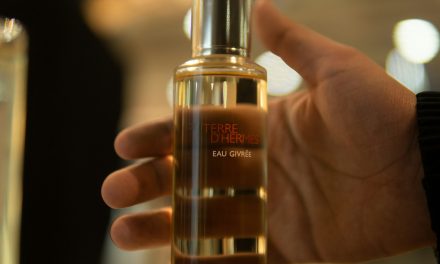
Skin chemistry is a complex interplay of various biological and environmental factors that significantly influence how fragrances are perceived. The unique composition of an individual’s skin, including its pH level, moisture content, and the presence of natural oils, plays a pivotal role in how a perfume develops over time. The skin’s microbiome, which consists of bacteria and other microorganisms, can also alter the scent profile of a fragrance, leading to variations in how it smells on different individuals.
When a fragrance is applied to the skin, it interacts with these elements, resulting in a transformation of the scent. This phenomenon is known as “scent evolution,” where the initial notes of a perfume may change as it dries down. For instance, citrus top notes may dissipate quickly, revealing deeper base notes that can smell entirely different depending on one’s skin chemistry. Understanding this intricate relationship is essential for selecting a fragrance that not only smells appealing in the bottle but also harmonizes with one’s unique body chemistry.
Choosing the right perfume for your skin chemistry can greatly enhance your fragrance experience, ensuring that the scent complements your natural body oils and chemistry. For a deeper understanding of how to select a perfume that works harmoniously with your skin, you might find this article helpful: How to Clean Pet Vomit from Rugs Without Making the Stain Worse. While it may seem unrelated at first glance, the principles of understanding materials and reactions can be applied to the science of fragrance as well.
Why Perfumes Smell Different on Everyone
The variation in fragrance perception among individuals can be attributed to several factors, including genetics, skin type, and hormonal fluctuations. Genetic predispositions can influence the density and composition of skin oils, which can either amplify or mute certain fragrance notes. For example, individuals with oilier skin may find that fragrances project more intensely and last longer compared to those with drier skin types.
Hormonal changes, such as those experienced during menstruation or pregnancy, can also affect how a fragrance is perceived. These fluctuations can alter skin chemistry, leading to changes in scent perception. Additionally, environmental factors such as humidity and temperature can further modify how a fragrance interacts with the skin. Consequently, a perfume that smells delightful on one person may not evoke the same response on another due to these multifaceted influences.
The Importance of Testing Perfumes Before Buying

Testing perfumes before making a purchase is crucial for ensuring that the fragrance aligns with one’s personal preferences and skin chemistry. Retail environments often provide testers, allowing consumers to experience how a scent evolves over time on their skin. It is advisable to apply the fragrance to pulse points—areas where blood vessels are close to the skin’s surface—such as the wrists and neck. This practice enhances the scent’s projection and longevity.
Moreover, it is essential to allow the fragrance to develop fully before making a decision. Initial impressions can be misleading; top notes may captivate at first but could fade into less desirable base notes. A waiting period of at least 30 minutes is recommended to fully appreciate the fragrance’s evolution. By taking the time to test perfumes thoroughly, consumers can avoid costly mistakes and find scents that resonate with their individual style.
Top Perfume Notes and How They Interact with Skin

Perfumes are composed of various notes categorized into three primary groups: top, middle (heart), and base notes. Top notes are the initial scents perceived upon application, often characterized by light and volatile ingredients such as citrus or herbal elements. Middle notes emerge once the top notes evaporate, providing the fragrance’s core character; floral and fruity accords are commonly found in this category. Finally, base notes form the foundation of a perfume, offering depth and longevity through richer ingredients like woods, resins, and musks.
The interaction between these notes and skin chemistry can lead to diverse outcomes. For instance, floral notes may become more pronounced on individuals with higher moisture levels in their skin, while woody notes might dominate on drier skin types. Understanding these interactions allows consumers to select fragrances that complement their unique body chemistry and enhance their overall scent experience.
Choosing the right perfume for your skin chemistry can be a delightful yet challenging experience, as individual body chemistry can significantly alter how a fragrance smells once applied. To gain a deeper understanding of this topic, you might find it helpful to explore an article that discusses various factors influencing scent perception. For more insights, check out this informative piece on how to choose a perfume that complements your unique skin chemistry. By considering these factors, you can enhance your fragrance selection process and ensure that your chosen scent truly resonates with you.
How to Identify Your Skin Type for Better Fragrance Selection
Identifying one’s skin type is essential for making informed fragrance choices. Skin types are generally categorized into four main categories: oily, dry, combination, and sensitive. Oily skin tends to retain fragrances longer due to increased sebum production, making it suitable for bold and intense scents. Conversely, individuals with dry skin may find that fragrances dissipate quickly; thus, opting for richer perfumes with heavier base notes can enhance longevity.
Combination skin presents its own challenges; individuals may need to experiment with various fragrances to determine which notes resonate best with their unique blend of oily and dry areas. Sensitive skin types should prioritize hypoallergenic or alcohol-free formulations to minimize irritation while still enjoying captivating scents. By understanding one’s skin type, consumers can make more strategic choices when selecting perfumes that will perform optimally.
Seasonal Considerations: Matching Perfumes to Weather and Skin
Seasonal changes significantly impact fragrance selection due to variations in temperature and humidity levels. In warmer months, lighter scents with fresh citrus or aquatic notes are often preferred as they evoke feelings of vitality and energy. These fragrances tend to be more uplifting and invigorating, making them ideal for summer outings or daytime wear.
Conversely, colder months call for richer and warmer scents that provide comfort and depth. Spicy or gourmand fragrances featuring notes like vanilla or amber are popular choices during fall and winter as they evoke warmth and coziness. Additionally, humidity levels can affect how fragrances project; higher humidity may amplify certain notes while drier conditions can lead to quicker evaporation. By aligning fragrance choices with seasonal characteristics, individuals can enhance their olfactory experience throughout the year.
The Influence of Diet and Lifestyle on Fragrance Perception
Dietary habits and lifestyle choices play a significant role in how fragrances are perceived on the skin. Foods rich in spices or garlic can alter body odor due to their metabolic byproducts, potentially clashing with certain perfumes. For instance, individuals who consume a diet high in red meat may find that certain floral fragrances do not blend well with their natural scent profile.
Hydration levels also impact skin chemistry; adequate water intake helps maintain skin moisture and elasticity, allowing fragrances to perform better. Additionally, lifestyle factors such as stress levels and physical activity can influence hormonal fluctuations that affect scent perception. By adopting a balanced diet and healthy lifestyle practices, individuals can optimize their body chemistry for an enhanced fragrance experience.
Top 10 Perfumes That Adapt Well to Various Skin Chemistries
1. **Chanel No. 5** – A timeless classic that balances floral and aldehydic notes.
2. **Dior Sauvage** – A versatile fragrance with fresh bergamot and spicy undertones.
3. **Jo Malone London Lime Basil & Mandarin** – A refreshing citrus scent that adapts beautifully.
4. **Tom Ford Black Orchid** – A rich floral-woody scent that thrives on diverse skin types.
5. **Marc Jacobs Daisy** – A light floral fragrance perfect for everyday wear.
6. **Yves Saint Laurent Black Opium** – A warm gourmand scent that resonates well across various chemistries.
7. **Creed Aventus** – A bold fruity-woody fragrance known for its adaptability.
8. **Acqua di Gioia by Giorgio Armani** – A fresh aquatic scent ideal for summer.
9. **Viktor & Rolf Flowerbomb** – A floral explosion that works well on different skin types.
10. **Maison Margiela Replica By the Fireplace** – A cozy scent that thrives in colder weather.
Tips for Applying Perfume to Enhance Longevity and Scent
To maximize the longevity of a fragrance, proper application techniques are essential. Applying perfume directly onto pulse points—such as wrists, neck, behind ears, and inner elbows—allows the heat from the body to enhance the scent’s projection throughout the day. It is advisable to avoid rubbing wrists together after application as this can disrupt the molecular structure of the fragrance.
Layering products can also enhance scent longevity; using matching scented lotions or body washes creates a cohesive olfactory experience while providing additional moisture to the skin. Additionally, applying perfume immediately after showering when pores are open allows for better absorption into the skin.
Avoiding Common Mistakes When Choosing a Perfume
One common mistake when selecting a perfume is relying solely on initial impressions without allowing time for scent evolution. As previously mentioned, fragrances change over time; thus, it is crucial to test them thoroughly before making a purchase decision.
Another frequent error is overlooking personal preferences in favor of trends or popular recommendations. While certain fragrances may be widely acclaimed, individual taste should always take precedence when selecting a signature scent. Additionally, purchasing perfumes without considering one’s skin type can lead to disappointment; understanding how different fragrances interact with unique body chemistries is vital for achieving optimal results.
Final Thoughts: Making Your Perfume a Signature Scent
Creating a signature scent involves understanding personal preferences while considering factors such as skin chemistry, seasonal variations, and lifestyle influences. By taking the time to explore various fragrances through testing and experimentation, individuals can discover scents that resonate deeply with their identity.
Ultimately, a signature scent should evoke positive emotions and enhance one’s overall presence without overwhelming those around them. By embracing individuality in fragrance selection and application techniques, one can cultivate an olfactory signature that leaves a lasting impression.
In summary, understanding skin chemistry is crucial for selecting fragrances that harmonize with individual body chemistry. Testing perfumes before purchasing ensures compatibility while considering seasonal variations enhances overall scent experiences. By identifying skin types and being mindful of dietary influences on fragrance perception, individuals can make informed choices leading to signature scents that reflect their unique identities.
FAQs
What is skin chemistry and how does it affect perfume?
Skin chemistry refers to the unique combination of factors such as skin type, pH level, diet, and hormonal balance that can influence how a fragrance smells on an individual. These factors can alter the way perfume notes develop and last on the skin, making it essential to consider them when choosing a fragrance.
How can I test a perfume to see how it interacts with my skin chemistry?
To test a perfume, apply a small amount to your wrist or inner elbow and allow it to develop for several hours. This will give you a sense of how the fragrance evolves over time and how it interacts with your skin. It’s best to avoid testing multiple fragrances at once to prevent confusion.
What types of fragrances are generally recommended for different skin types?
For oily skin, fresh and citrusy scents often work well, as they can enhance the fragrance’s longevity. For dry skin, richer and more intense fragrances, such as oriental or gourmand scents, may be more suitable, as they can provide a more pronounced scent profile. However, personal preference plays a significant role in fragrance selection.
How does body temperature influence the scent of a perfume?
Body temperature can affect how a fragrance is perceived, as warmer skin tends to amplify scents, making them more intense. Conversely, cooler skin may cause fragrances to be less pronounced. Applying perfume to pulse points, where the body is warmer, can help enhance the scent’s projection and longevity.
Should I consider seasonal changes when choosing a perfume?
Yes, seasonal changes can impact how fragrances are perceived. Lighter, fresher scents are often preferred in warmer months, while deeper, warmer fragrances are typically favored in colder months. It’s beneficial to have a variety of perfumes that suit different seasons and occasions to match your skin chemistry and the environment.