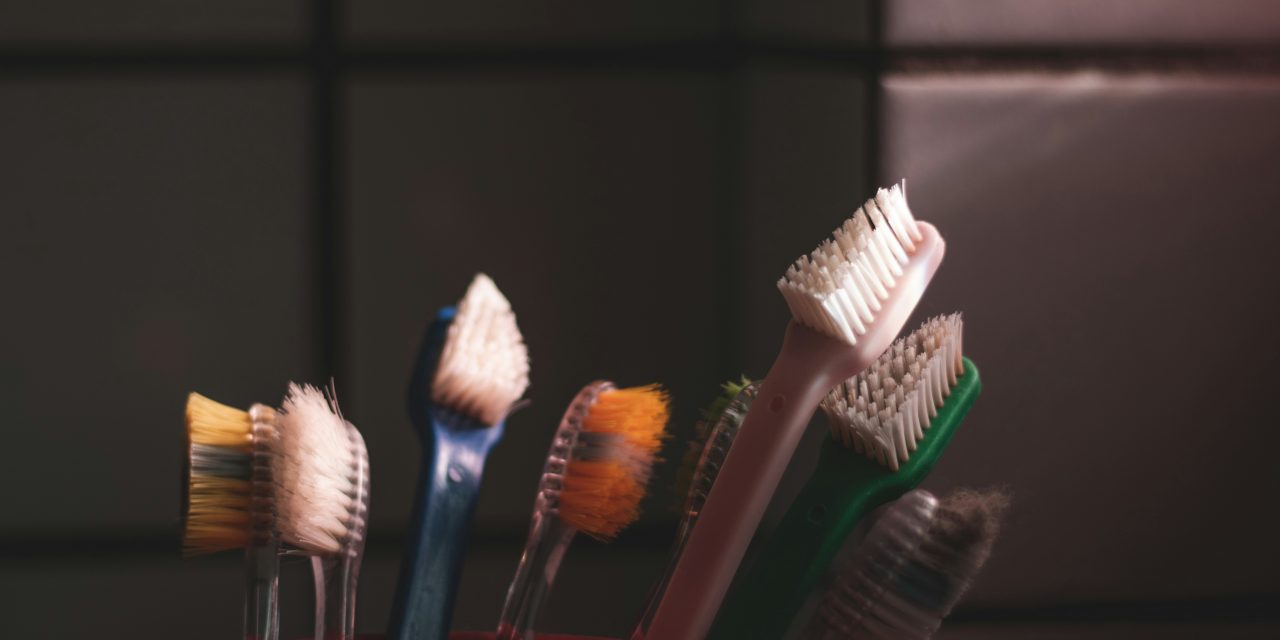
Proper teeth brushing is a cornerstone of oral hygiene, playing a pivotal role in preventing dental diseases and maintaining overall health. The mouth serves as a gateway to the body, and neglecting oral care can lead to systemic issues such as cardiovascular disease, diabetes, and respiratory infections. The American Dental Association (ADA) emphasizes that effective brushing removes plaque—a sticky biofilm of bacteria that forms on teeth—thereby reducing the risk of cavities and gum disease.
Moreover, maintaining good oral hygiene through regular brushing can enhance one’s quality of life. Healthy teeth contribute to better nutrition, as individuals with dental issues may struggle with chewing and swallowing. Additionally, a bright smile can boost self-esteem and social interactions. Therefore, understanding the significance of proper brushing techniques is essential for everyone, regardless of age or dental history.
When considering the optimal duration for brushing your teeth, it’s essential to understand the importance of maintaining good oral hygiene. A related article that provides insights into quick and healthy meal options, which can complement your dental care routine, is available at this link. This article discusses how preparing nutritious meals can contribute to overall health, including the health of your teeth and gums.
How Long Should You Brush Your Teeth?
The duration of brushing is critical for effective plaque removal and overall oral health. The ADA recommends brushing for at least two minutes, twice daily. This timeframe allows sufficient coverage of all tooth surfaces, including the outer, inner, and chewing surfaces. Studies have shown that brushing for less than two minutes significantly reduces the effectiveness of plaque removal, leading to an increased risk of dental caries and periodontal disease.
To ensure that you are brushing for the recommended duration, consider using a timer or an electric toothbrush with a built-in timer feature. Some individuals may find it helpful to divide their mouth into quadrants, spending 30 seconds on each section to ensure thorough cleaning. This method not only promotes effective brushing but also helps develop a consistent routine.
Choosing the Right Toothbrush for Effective Cleaning

Selecting an appropriate toothbrush is crucial for achieving optimal oral hygiene. There are two primary types of toothbrushes: manual and electric. Manual toothbrushes come in various sizes and bristle types, while electric toothbrushes often feature oscillating or sonic technology that can enhance plaque removal efficiency.
When choosing a manual toothbrush, opt for one with soft bristles to minimize the risk of enamel erosion and gum recession. The ADA recommends a brush head size that comfortably fits your mouth, allowing easy access to all areas. For those who prefer electric toothbrushes, studies indicate that they can be more effective at reducing plaque and gingivitis compared to manual brushes. However, proper technique remains essential regardless of the type chosen.
Selecting the Best Toothpaste for Your Dental Needs

Toothpaste plays a vital role in enhancing the effectiveness of brushing by providing additional cleaning agents and therapeutic ingredients. Fluoride toothpaste is widely recommended due to its ability to strengthen tooth enamel and prevent decay. The ADA endorses fluoride as a safe and effective means of reducing cavities across all age groups.
For individuals with specific dental concerns, such as sensitivity or gum disease, specialized toothpaste formulations are available. Desensitizing toothpaste contains compounds like potassium nitrate or strontium chloride that help alleviate discomfort associated with sensitive teeth. Additionally, antibacterial toothpaste containing chlorhexidine or triclosan can aid in managing gingivitis by reducing bacterial load in the mouth. Always consult with a dental professional to determine the most suitable toothpaste for your unique needs.
Brushing your teeth is an essential part of maintaining good oral hygiene, and understanding the right duration for this task can significantly impact your dental health. For more insights on how to ensure your food is safe to eat, you might find this article helpful, as it discusses various factors that contribute to food safety. You can read it here. Remember, just as you should be mindful of how long you brush your teeth, being aware of food freshness is equally important for your overall well-being.
The Correct Brushing Technique: Step-by-Step Guide
Mastering the correct brushing technique is essential for maximizing oral hygiene benefits. Follow this step-by-step guide to ensure effective cleaning:
1. **Positioning**: Hold your toothbrush at a 45-degree angle to your gums.
2. **Outer Surfaces**: Begin with the outer surfaces of your teeth, using gentle circular motions or short back-and-forth strokes.
3. **Inner Surfaces**: Repeat the same technique on the inner surfaces of your teeth.
4. **Chewing Surfaces**: Use a flat scrubbing motion on the chewing surfaces of molars.
5. **Tongue Cleaning**: Gently brush your tongue to remove bacteria and freshen breath.
6. **Duration**: Ensure you brush for at least two minutes, covering all areas thoroughly.
By adhering to this technique, you can effectively remove plaque and food particles while promoting gum health.
How Often Should You Replace Your Toothbrush?
Regularly replacing your toothbrush is crucial for maintaining optimal oral hygiene. The ADA recommends changing your toothbrush every three to four months or sooner if the bristles become frayed or worn. A worn toothbrush is less effective at removing plaque and can harbor bacteria, undermining your oral health efforts.
Additionally, after recovering from an illness such as a cold or flu, it is advisable to replace your toothbrush to prevent reinfection. Keeping track of when you last changed your toothbrush can be facilitated by marking it on a calendar or setting reminders on your phone.
The Role of Flossing in Oral Hygiene
Flossing is an integral component of comprehensive oral hygiene that complements brushing by targeting areas that toothbrushes cannot reach effectively. Interdental spaces are prone to plaque accumulation and food debris, making flossing essential for preventing cavities and gum disease.
The ADA recommends flossing at least once daily, ideally before brushing your teeth. Proper flossing technique involves gently sliding the floss between teeth and curving it around each tooth in a C-shape motion to remove plaque effectively without damaging the gums. For individuals who find traditional floss challenging to use, alternatives such as floss picks or water flossers can provide effective cleaning options.
Timing Your Brushing: When Is the Best Time to Brush?
Timing your brushing routine can significantly impact oral health outcomes. The ADA suggests brushing twice daily—once in the morning and once before bedtime—as optimal practice. Brushing in the morning helps remove plaque that accumulates overnight while freshening breath for the day ahead.
Brushing before bedtime is particularly crucial as it removes food particles and plaque buildup from the day, reducing the risk of cavities during sleep when saliva production decreases. However, it is essential to wait at least 30 minutes after consuming acidic foods or beverages before brushing to prevent enamel erosion.
Common Brushing Mistakes to Avoid
Despite best intentions, many individuals make common mistakes during their brushing routine that can compromise oral health. One prevalent error is applying excessive pressure while brushing, which can lead to gum recession and enamel wear. Instead, use gentle strokes and allow the bristles to do the work.
Another mistake is neglecting certain areas of the mouth, such as the back molars or along the gumline. Ensure that you cover all surfaces thoroughly during each brushing session. Additionally, many people rush through their routine without adhering to the recommended two-minute duration; using a timer can help establish consistency.
Using Mouthwash: Complement or Substitute?
Mouthwash can serve as an effective adjunct to brushing and flossing but should not be considered a substitute for these essential practices. Antimicrobial mouthwashes can help reduce plaque buildup and gingivitis while providing fresh breath.
When selecting a mouthwash, look for products containing active ingredients such as chlorhexidine or cetylpyridinium chloride for antibacterial properties or fluoride for added cavity protection. It is important to follow the manufacturer’s instructions regarding usage frequency and duration for optimal results.
Tips for Maintaining Consistent Brushing Habits
Establishing consistent brushing habits requires dedication and strategic planning. Here are several tips to help maintain an effective oral hygiene routine:
1. **Set Reminders**: Use smartphone alarms or calendar notifications to remind you when it’s time to brush.
2. **Create a Routine**: Incorporate brushing into your daily schedule by associating it with other activities, such as after meals or before bedtime.
3. **Keep Supplies Accessible**: Store your toothbrush and toothpaste in visible locations to encourage regular use.
4. **Involve Family**: Encourage family members to participate in oral hygiene routines together, fostering accountability.
5. **Reward Yourself**: Set goals for consistent brushing habits and reward yourself when you achieve them.
By implementing these strategies, you can cultivate lifelong habits that promote optimal oral health.
In summary, proper teeth brushing is fundamental for maintaining oral hygiene and preventing dental diseases. By understanding the importance of duration, technique, and appropriate tools—such as toothbrushes and toothpaste—you can significantly enhance your oral care routine. Regularly replacing your toothbrush and incorporating flossing into your regimen further supports dental health while avoiding common mistakes ensures effective cleaning practices are upheld. Ultimately, establishing consistent habits will lead to improved oral health outcomes over time.
FAQs
How long should I brush my teeth each time?
It is recommended to brush your teeth for at least two minutes each time to effectively remove plaque and food particles.
Is it better to brush longer than two minutes?
While brushing for longer than two minutes can be beneficial, it is important to maintain proper technique. Over-brushing can lead to gum irritation and enamel wear.
How often should I brush my teeth?
You should brush your teeth at least twice a day, ideally in the morning and before bedtime, to maintain good oral hygiene.
What is the best technique for brushing my teeth?
The best technique involves using gentle circular motions, ensuring you brush all surfaces of your teeth, including the fronts, backs, and chewing surfaces, as well as your tongue.
Should I use an electric toothbrush or a manual toothbrush?
Both electric and manual toothbrushes can be effective if used correctly. Electric toothbrushes may provide a more thorough clean with less effort, but the key is to brush for the recommended duration and technique regardless of the type of toothbrush.