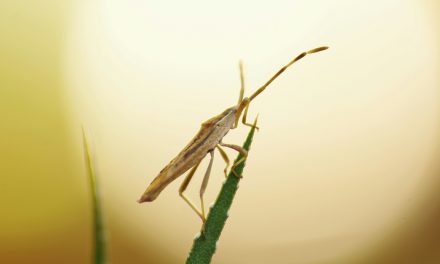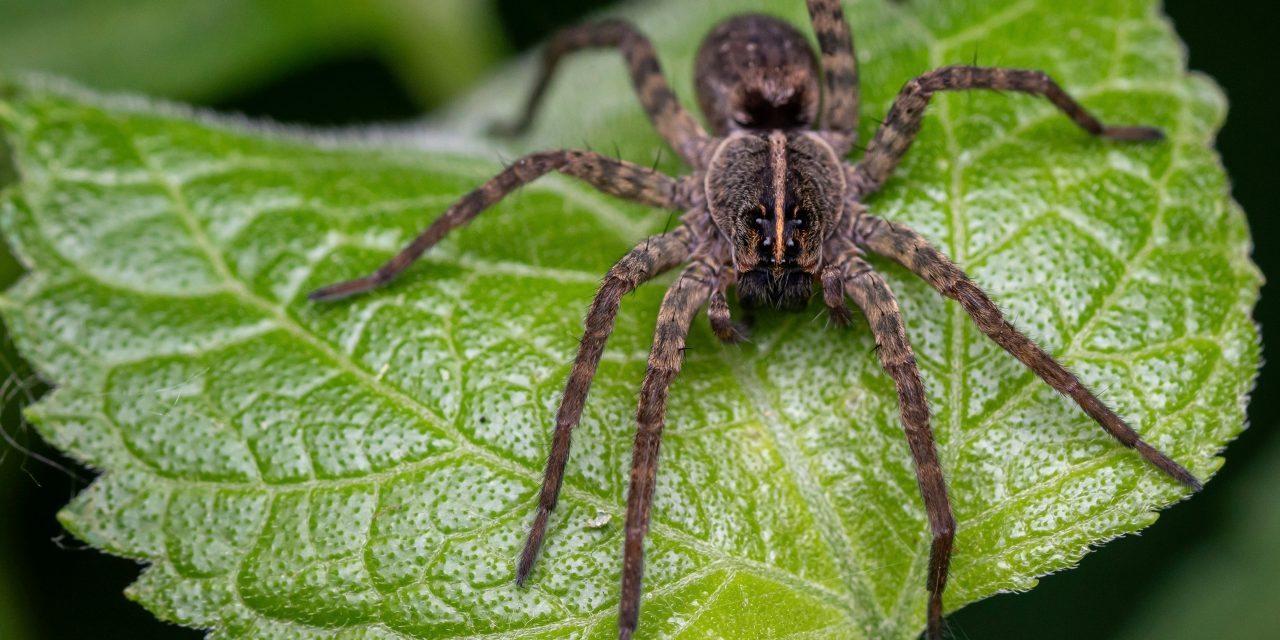
Household spiders and insects are ubiquitous in many environments, often serving as both a source of fascination and concern for homeowners. Among the most common arachnids found indoors are the common house spider (Parasteatoda tepidariorum), the cellar spider (Pholcus phalangioides), and the brown recluse (Loxosceles reclusa). While most spiders are harmless and contribute to controlling pest populations, certain species can pose health risks through venomous bites. For instance, the brown recluse’s bite can lead to necrotic lesions requiring medical intervention.
Insects such as cockroaches, ants, and termites frequently invade homes, driven by the search for food, water, and shelter. Cockroaches (Blattella germanica) are notorious for their rapid reproduction and resilience, making them challenging to eradicate. Ants, particularly the odorous house ant (Tapinoma sessile), can infiltrate homes in search of sugary substances. Termites (Reticulitermes flavipes), on the other hand, can cause significant structural damage if left unchecked. Understanding these pests’ behaviors and habitats is crucial for effective management.
For those looking to manage pest issues in their homes, understanding the costs associated with extermination services can be crucial. A related article that provides valuable insights into pest control expenses is available at this link. It covers various factors that influence the pricing of rodent extermination, which can also be applicable when considering spider and insect control services.
Identifying Entry Points and Sealing Your Home
To effectively combat household pests, it is essential to identify potential entry points that allow these creatures to infiltrate your living space. Common entry points include gaps around windows and doors, cracks in the foundation, and openings around utility lines. Conducting a thorough inspection of your home’s exterior can reveal vulnerabilities that may be exploited by pests. Pay particular attention to areas where building materials meet, as these joints can often harbor small openings.
Once entry points have been identified, sealing them is a critical step in pest prevention. Utilizing caulk or expanding foam can effectively close gaps around windows and doors. Installing door sweeps can prevent insects from entering beneath doors. Additionally, ensuring that screens on windows and vents are intact and free from holes will further reduce the likelihood of pest intrusion. By fortifying your home’s defenses, you create a less inviting environment for unwanted guests.
Maintaining Cleanliness to Deter Pests

A clean home is one of the most effective deterrents against household pests. Regular cleaning routines should focus on eliminating food sources and nesting sites that attract insects and spiders. This includes promptly cleaning up spills, crumbs, and food residues from countertops and floors. Storing food in airtight containers can significantly reduce the likelihood of attracting pests such as ants and cockroaches.
In addition to food cleanliness, decluttering your living space is essential. Pests often seek refuge in cluttered areas such as basements, attics, and garages. Regularly organizing these spaces not only makes them less appealing to pests but also allows for easier inspections for signs of infestation. Vacuuming carpets, rugs, and upholstery frequently will help remove any eggs or larvae that may be present, further reducing the risk of an infestation.
Using Natural Repellents and Essential Oils

Natural repellents can be an effective alternative to chemical pesticides for those seeking a more environmentally friendly approach to pest control. Essential oils such as peppermint oil, tea tree oil, and eucalyptus oil have been shown to repel various insects due to their strong scents. For instance, peppermint oil is particularly effective against spiders and ants; simply mixing a few drops with water in a spray bottle can create a natural deterrent when sprayed around entry points.
In addition to essential oils, other natural repellents include diatomaceous earth (DE) and vinegar solutions. DE is a fine powder made from fossilized algae that can be sprinkled in areas where pests are likely to travel; it works by dehydrating insects upon contact. Vinegar solutions can be used to clean surfaces while simultaneously repelling ants and spiders due to their strong odor. Incorporating these natural methods into your pest management strategy can provide an effective means of keeping your home pest-free.
Effective spider and insect control is essential for maintaining a comfortable living environment, especially as the seasons change and pests become more active. For those looking to tackle this issue, it’s helpful to explore various methods and tips available online. One such resource can be found in a related article that discusses practical solutions for household challenges, including how to manage unwanted pests. You can read more about these strategies in this informative piece on removing coffee stains from carpets, which also touches on maintaining a clean home to deter insects and spiders. For more details, check out the article here.
Setting Up Effective Traps and Baits
Traps and baits are essential tools in managing household pest populations effectively. Various types of traps are available depending on the specific pest being targeted. For example, sticky traps are useful for capturing spiders and small insects, while bait stations containing insecticide can be effective against cockroaches and ants. When using traps, it is crucial to place them strategically in areas where pests are frequently observed or suspected.
Baits work by attracting pests to a toxic substance that they consume or carry back to their nests. For instance, cockroach baits often contain a slow-acting insecticide that allows the pest to return to its colony before succumbing to the poison, thereby affecting other members of the population. It is important to follow manufacturer instructions carefully when setting up traps and baits to ensure maximum effectiveness while minimizing risks to pets and children.
Properly Managing Outdoor Lighting to Reduce Attraction
Outdoor lighting plays a significant role in attracting various insects, particularly nocturnal species such as moths and mosquitoes. To minimize this attraction, consider using yellow or sodium vapor lights instead of traditional incandescent bulbs; these emit less ultraviolet light, which is known to attract insects. Additionally, positioning outdoor lights away from entrances can help reduce the likelihood of pests entering your home.
Furthermore, incorporating motion-sensor lighting can provide illumination only when necessary while minimizing constant light exposure that attracts insects. Keeping outdoor areas well-maintained by trimming vegetation away from structures can also reduce hiding spots for pests while discouraging them from approaching your home.
Regularly Inspecting and Repairing Screens and Windows
Screens serve as a vital barrier against insects entering your home through open windows and doors. Regular inspections of window screens are essential for identifying any tears or holes that may compromise their effectiveness. Repairing or replacing damaged screens promptly will help maintain a protective barrier against pests.
In addition to screens, it is important to ensure that windows themselves are properly sealed. Weather stripping around window frames should be intact to prevent gaps that could allow insects entry. By maintaining both screens and windows in good condition, you create an additional layer of defense against unwanted pests.
Utilizing Professional Pest Control Services When Needed
While many homeowners can manage minor pest issues independently, some infestations may require professional intervention. Pest control services employ trained technicians who utilize advanced techniques and products tailored to specific pest problems. These professionals conduct thorough inspections to identify the extent of infestations and recommend appropriate treatment plans.
When selecting a pest control service, it is essential to choose a reputable company with experience in dealing with your specific pest issue. Inquire about their methods, including whether they use environmentally friendly products or integrated pest management strategies that focus on long-term prevention rather than just immediate eradication.
Safe Use of Chemical Insecticides and Precautions
When chemical insecticides are necessary for pest control, it is crucial to use them safely and responsibly. Always read labels carefully before application; this includes understanding dosage instructions, safety precautions, and potential side effects on humans and pets. Wearing protective gear such as gloves and masks during application can minimize exposure risks.
Additionally, applying insecticides during times when children and pets are not present is advisable to reduce potential health hazards. Following up with thorough cleaning after treatment ensures that any residual chemicals do not pose ongoing risks within the home environment.
Managing Moisture and Humidity to Discourage Insects
Moisture control is vital in preventing insect infestations since many pests thrive in humid environments. Regularly inspecting areas prone to moisture accumulation—such as basements, bathrooms, and kitchens—can help identify potential problems early on. Fixing leaks promptly and ensuring proper ventilation in these areas will significantly reduce humidity levels.
Using dehumidifiers in particularly damp spaces can further assist in maintaining optimal humidity levels below 50%, which is less conducive to insect survival. Additionally, ensuring proper drainage around your home’s foundation will prevent water pooling that attracts pests like mosquitoes.
Implementing Long-Term Prevention Strategies for Lasting Control
Long-term prevention strategies are essential for maintaining a pest-free environment over time. This includes establishing regular maintenance routines such as seasonal inspections of your property for signs of pest activity or structural vulnerabilities that may need addressing.
Educating all household members about pest prevention practices—such as proper food storage techniques and cleanliness habits—can foster a collective effort toward maintaining a pest-free home environment. By combining proactive measures with ongoing vigilance, homeowners can significantly reduce the likelihood of future infestations.
In summary, understanding common household spiders and insects is crucial for effective management strategies. Identifying entry points, maintaining cleanliness, utilizing natural repellents, setting traps, managing outdoor lighting, inspecting screens regularly, employing professional services when necessary, using chemical insecticides safely, controlling moisture levels, and implementing long-term prevention strategies all contribute significantly to creating a pest-free living environment. By adopting these comprehensive approaches, homeowners can ensure lasting control over unwanted pests while promoting a healthier home atmosphere for all occupants.
### FAQ Section
1. **What are the most common household pests?**
– Common household pests include cockroaches, ants, spiders (like house spiders), termites, bed bugs, mosquitoes, and flies.
2. **How can I tell if I have a pest infestation?**
– Signs of infestation may include droppings, shed skins, nests or webs, unusual odors, or visible sightings of pests themselves.
3. **Are all spiders harmful?**
– No; most spiders are harmless and beneficial as they help control other insect populations. However, some species like the brown recluse or black widow can be dangerous.
4. **What natural repellents work best against insects?**
– Essential oils such as peppermint oil, tea tree oil, lavender oil, and vinegar solutions are effective natural repellents against various insects.
5. **How often should I clean my home to deter pests?**
– Regular cleaning should be done weekly; however, high-traffic areas may require more frequent attention.
6. **What should I do if I find a nest of wasps or bees?**
– It’s best to contact a professional pest control service for safe removal rather than attempting to handle it yourself.
7. **Can I use chemical insecticides indoors safely?**
– Yes; however, always follow label instructions carefully regarding application methods and safety precautions.
8. **How do I know if I need professional pest control?**
– If you notice persistent infestations despite DIY efforts or if you encounter potentially dangerous pests like termites or venomous spiders.
9. **What role does humidity play in attracting pests?**
– High humidity creates favorable conditions for many pests like cockroaches and mosquitoes; managing moisture levels helps deter them.
10. **What long-term strategies should I implement for pest prevention?**
– Regular inspections, maintaining cleanliness standards, sealing entry points effectively, educating household members about prevention practices are key strategies for long-term control.
By understanding these aspects of pest management comprehensively, homeowners can take proactive steps toward creating a safe living environment free from unwanted intruders.
FAQs
What are the common methods for spider and insect control?
Common methods for spider and insect control include chemical pesticides, natural repellents, traps, and exclusion techniques. Chemical pesticides can effectively eliminate pests but should be used with caution. Natural repellents, such as essential oils, can deter insects without harmful chemicals. Traps can capture pests for monitoring and control, while exclusion techniques involve sealing entry points to prevent infestations.
Are there any natural remedies for controlling spiders and insects?
Yes, there are several natural remedies for controlling spiders and insects. Essential oils like peppermint, tea tree, and lavender can act as natural repellents. Diatomaceous earth is another option, as it can dehydrate and kill insects upon contact. Additionally, maintaining cleanliness and reducing clutter can help deter pests naturally.
How can I prevent spiders and insects from entering my home?
To prevent spiders and insects from entering your home, seal cracks and gaps in windows, doors, and foundations. Keep outdoor lights off or use yellow bulbs to reduce attraction. Regularly clean and declutter your home, especially in areas like basements and attics. Additionally, ensure that screens on windows and doors are intact and use weather stripping to close gaps.
When should I consider hiring a professional pest control service?
You should consider hiring a professional pest control service if you have a significant infestation that you cannot manage on your own, if you are unsure about the type of pest you are dealing with, or if you want to ensure safe and effective treatment methods. Professionals can provide targeted solutions and ongoing prevention strategies tailored to your specific situation.
Are chemical pesticides safe for pets and children?
Chemical pesticides can pose risks to pets and children if not used properly. It is essential to follow the manufacturer’s instructions and safety guidelines. Many products are available that are specifically formulated to be safer for use around pets and children. Always ensure that treated areas are well-ventilated and that pets and children are kept away until it is safe to return.