Parasitic battery drain refers to the phenomenon where electrical components in a vehicle continue to draw power from the battery even when the engine is turned off. This unintended power consumption can lead to a dead battery, leaving drivers stranded and necessitating jump-starts or battery replacements. Understanding this issue is crucial for vehicle owners, as it can significantly impact the longevity of the battery and the overall reliability of the vehicle.
The importance of recognizing parasitic drain cannot be overstated. A healthy automotive battery typically has a voltage of around 12.6 volts when fully charged. However, if the battery voltage drops below 12.4 volts, it may indicate that parasitic drain is occurring. This condition can lead to premature battery failure, increased maintenance costs, and inconvenience for the driver. Identifying and addressing parasitic drain issues promptly can save time, money, and frustration in the long run.
If you’re experiencing issues with your car battery draining unexpectedly, you might find it helpful to read an article on how to identify a parasitic battery drain. This informative piece provides step-by-step instructions on diagnosing the problem and offers tips on how to resolve it effectively. For more details, you can check out the article here: How to Find a Parasitic Battery Drain in a Car.
Common Symptoms of Parasitic Battery Drain in Your Vehicle
Several symptoms can indicate that your vehicle is experiencing parasitic battery drain. One of the most common signs is a battery that frequently dies or requires jump-starting. If you notice that your vehicle’s battery seems to lose its charge overnight or after a few days of inactivity, this could be a clear indication of an underlying issue.
Another symptom to watch for is dimming or flickering lights when the vehicle is off. If interior lights or dashboard indicators remain illuminated or exhibit irregular behavior after shutting down the engine, it may suggest that an electrical component is malfunctioning and drawing power unnecessarily. Additionally, if you hear unusual sounds, such as clicking or buzzing from under the hood when the vehicle is off, this could also point to parasitic drain.
Tools You’ll Need to Diagnose Battery Drain Issues

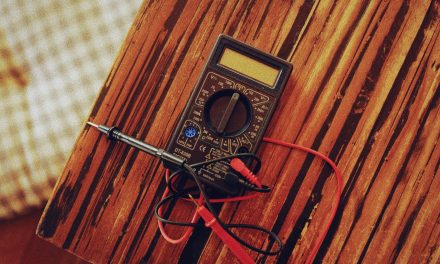
To effectively diagnose parasitic battery drain, several tools are essential for accurate measurement and analysis. A digital multimeter is one of the most critical instruments, allowing you to measure voltage, current, and resistance in electrical circuits. Ensure that your multimeter has a current measurement function capable of reading milliamps (mA), as parasitic drains are typically low-level draws.
In addition to a multimeter, you may need a fuse puller or needle-nose pliers to safely remove fuses from the fuse box without causing damage. A wiring diagram specific to your vehicle model can also be invaluable for understanding the electrical system layout and identifying potential problem areas. Lastly, having a notebook or digital device handy for recording measurements and observations will help you track your progress during the diagnostic process.
Step-by-Step Guide to Measuring Parasitic Current Draw

Measuring parasitic current draw involves a systematic approach to ensure accurate results. Begin by ensuring that all electrical components are turned off and that the vehicle is in a state of rest for at least 30 minutes after shutting down the engine. This allows any systems that may still be active to enter sleep mode.
Next, disconnect the negative terminal of the battery using a wrench or socket set. Attach one lead of your digital multimeter to the negative battery terminal and the other lead to the disconnected negative cable. Set your multimeter to measure current (amps) and observe the reading displayed on the screen. A typical parasitic draw should be below 50 milliamps; anything higher indicates an issue that needs further investigation.
If you’re struggling with a parasitic battery drain in your car, it’s essential to identify the source of the issue to avoid being stranded with a dead battery. A helpful resource that discusses troubleshooting techniques can be found in this article on how to fix poor drainage around your house foundation. By understanding how to locate and address unwanted drains, whether in your vehicle or at home, you can ensure that your battery remains charged and your systems function properly. For more information, check out the article here.
Identifying the Circuit Causing the Drain Using Fuse Pull Method
Once you have established that there is indeed a parasitic draw, the next step is to identify which circuit is responsible for the excessive current consumption. The fuse pull method is an effective technique for isolating the problematic circuit. Begin by turning off all electrical components and removing fuses one at a time from the fuse box while monitoring the multimeter reading.
When you pull a fuse and notice a significant drop in current draw on your multimeter, you have likely identified the circuit causing the drain. Take note of which fuse corresponds to that circuit, as this will guide your troubleshooting efforts moving forward. It’s essential to consult your vehicle’s wiring diagram to understand what components are connected to that specific fuse.
Inspecting and Testing Electrical Components for Faults
After identifying the circuit responsible for parasitic drain, it’s time to inspect and test individual electrical components connected to that circuit. Common culprits include lights, switches, relays, and modules that may be malfunctioning or stuck in an “on” position. Begin by visually inspecting these components for signs of wear, corrosion, or damage.
For components such as switches and relays, use your multimeter to test their functionality. Check for continuity when switches are activated and ensure relays are operating correctly without sticking in an open or closed position. If any components fail these tests, they may need replacement or repair to resolve the parasitic drain issue effectively.
How to Fix Common Causes of Parasitic Battery Drain
Addressing common causes of parasitic battery drain often involves replacing faulty components or making adjustments to existing systems. If you discover that a specific light is remaining on due to a malfunctioning switch, replacing that switch should resolve the issue. Similarly, if a relay is found to be defective, replacing it will likely eliminate unnecessary power consumption.
In some cases, wiring issues may contribute to parasitic drain. Inspect wiring harnesses for frayed wires or poor connections that could cause short circuits or unintended power draws. Repairing damaged wiring or securing loose connections can significantly reduce parasitic drain and enhance overall electrical system performance.
Replacing Faulty Relays, Switches, and Modules
When it comes to replacing faulty relays, switches, or modules, it’s essential to source high-quality replacement parts that meet OEM specifications for compatibility and reliability. Begin by disconnecting power from the affected component before removal to prevent electrical shock or further damage.
Follow manufacturer guidelines for installation procedures, ensuring that all connections are secure and properly insulated. After replacing any components, recheck for parasitic draw using your multimeter to confirm that the issue has been resolved. Proper installation not only addresses current problems but also helps prevent future occurrences of battery drain.
Preventative Maintenance Tips to Avoid Future Battery Drain
Preventative maintenance plays a crucial role in avoiding future instances of parasitic battery drain. Regularly inspect your vehicle’s electrical system for signs of wear or damage, particularly in high-use areas such as under-hood wiring and connections. Keeping terminals clean and free from corrosion will also enhance conductivity and reduce resistance.
Additionally, consider investing in a smart battery charger or maintainer if your vehicle is not driven frequently. These devices can help maintain optimal battery charge levels without overcharging, thereby prolonging battery life and reducing the risk of parasitic drain issues arising from prolonged inactivity.
When to Seek Professional Help for Persistent Battery Drain Problems
While many parasitic drain issues can be resolved through DIY diagnostics and repairs, there are instances where professional assistance may be necessary. If you have followed all troubleshooting steps without success or if you suspect more complex electrical problems within your vehicle’s system, consulting with an automotive technician is advisable.
Professional mechanics possess specialized tools and expertise that can expedite diagnosis and repair processes. They can perform comprehensive electrical system evaluations and utilize advanced diagnostic equipment to pinpoint elusive issues that may not be apparent through standard testing methods.
Final Checks and Testing to Ensure Your Battery Drain Is Resolved
After addressing identified issues related to parasitic battery drain, it’s essential to conduct final checks and testing to ensure that all problems have been resolved effectively. Reconnect the negative battery terminal securely and perform another measurement of current draw using your multimeter.
Monitor the vehicle over several days to confirm that no further issues arise with battery drainage. If everything appears normal after thorough testing, you can feel confident that your efforts have successfully mitigated parasitic drain concerns.
In summary, understanding parasitic battery drain is vital for maintaining vehicle reliability and preventing unexpected breakdowns due to dead batteries. By recognizing symptoms early on, utilizing appropriate diagnostic tools, and following systematic troubleshooting steps, vehicle owners can effectively identify and resolve issues related to excessive current draw. Regular preventative maintenance further enhances battery longevity while ensuring optimal performance of electrical systems within vehicles.
FAQs
What is a parasitic battery drain?
A parasitic battery drain occurs when electrical components in a vehicle continue to draw power from the battery even when the car is turned off. This can lead to a dead battery if the drain is significant and persists over time.
How can I identify a parasitic battery drain?
To identify a parasitic battery drain, you can use a multimeter to measure the current draw from the battery when the vehicle is off. Disconnect the negative battery terminal, connect the multimeter in series, and check for a current draw greater than 50 milliamps, which indicates a potential drain.
What are common causes of parasitic battery drains in cars?
Common causes of parasitic battery drains include malfunctioning electrical components such as lights, radios, or alarms, as well as issues with the vehicle’s wiring or fuses. Additionally, aftermarket accessories that are improperly installed can also contribute to battery drain.
How can I fix a parasitic battery drain?
To fix a parasitic battery drain, first identify the source by systematically removing fuses one at a time while monitoring the multimeter reading. Once the drain is isolated to a specific circuit, inspect the components associated with that circuit for faults or malfunctions and repair or replace them as necessary.
Can a parasitic battery drain be prevented?
Yes, a parasitic battery drain can be prevented by regularly maintaining your vehicle’s electrical system, ensuring that all components are functioning properly, and disconnecting the battery if the vehicle will not be used for an extended period. Additionally, using a battery maintainer can help keep the battery charged and healthy.