Excess engine oil can pose significant risks to both vehicle performance and engine longevity. When the oil level exceeds the manufacturer’s recommended specifications, it can lead to a variety of mechanical issues. One of the primary concerns is the potential for increased pressure within the engine’s lubrication system. This elevated pressure can cause seals and gaskets to fail, leading to oil leaks that may compromise engine integrity. Furthermore, excess oil can result in aeration, where air bubbles form in the oil, reducing its lubricating properties and increasing wear on engine components.
Another critical risk associated with overfilling is the possibility of oil foaming. When the crankshaft spins through an excessive amount of oil, it can whip the oil into a frothy consistency, which diminishes its ability to lubricate effectively. This foaming can lead to inadequate lubrication of vital engine parts, resulting in premature wear and potential catastrophic engine failure. Additionally, excess oil can contaminate the combustion chamber, leading to increased emissions and reduced fuel efficiency. Understanding these risks is essential for maintaining optimal engine health and performance.
If you’re looking for guidance on how to remove excess engine oil from your car, you might find it helpful to read a related article that discusses proper maintenance techniques for various pets, including how to trim rabbit nails safely at home. While the topics may seem unrelated, both require careful handling and attention to detail to ensure the best outcomes. For more information, you can check out the article here: How to Trim Rabbit Nails Safely at Home.
Preparing Your Car for Oil Removal
Before embarking on the process of removing excess engine oil, it is crucial to prepare your vehicle adequately. Start by ensuring that your car is parked on a level surface to facilitate accurate measurements of the oil level. Engage the parking brake for safety and allow the engine to cool down if it has been running recently. This precaution helps prevent burns from hot engine components or oil.
Next, gather the necessary tools and materials for the task. You will need an oil drain pan, a funnel, rags or paper towels for cleanup, and possibly a socket wrench if you plan to use a drain plug method. Having these items on hand will streamline the process and minimize mess. Additionally, consult your vehicle’s owner manual for specific instructions regarding oil capacity and recommended procedures for your particular make and model.
Using a Drain Plug to Drain Excess Oil

One of the most straightforward methods for removing excess engine oil is through the use of a drain plug. This method involves locating the oil drain plug at the bottom of the oil pan, which is typically situated beneath the vehicle. Before proceeding, ensure that you have positioned an oil drain pan directly beneath the plug to catch any escaping oil.
Using a socket wrench, carefully loosen and remove the drain plug. Allow the excess oil to flow into the drain pan until it reaches the appropriate level as indicated on your dipstick. It is essential to monitor the flow closely to avoid draining too much oil. Once you have achieved the desired level, replace and tighten the drain plug securely to prevent leaks. This method is effective but requires caution to avoid spills and ensure that all components are reassembled correctly.
Employing a Siphon Pump for Quick Oil Extraction

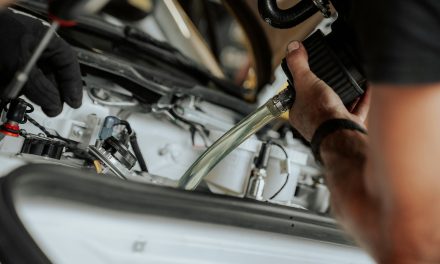
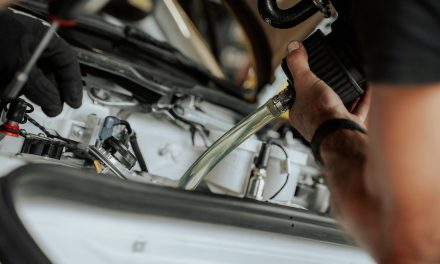
For those seeking a more efficient method of extracting excess oil, employing a siphon pump can be an excellent solution. This tool allows for quick removal without needing to access the drain plug directly. Begin by inserting the siphon tube into the dipstick tube or oil fill cap, ensuring it reaches deep enough into the oil reservoir.
Once positioned correctly, activate the siphon pump according to its instructions. The pump will create a vacuum that draws excess oil out of the engine and into a collection container. This method is particularly advantageous for those who may not have access to a lift or jack to reach under their vehicle easily. It minimizes mess and allows for precise control over how much oil is removed, making it an ideal choice for quick maintenance tasks.
If you find yourself dealing with excess engine oil in your car, it’s important to address the issue promptly to avoid potential damage. A helpful resource that provides detailed steps on how to remove excess engine oil can be found in this article. For more information on related automotive maintenance tips, you might also want to check out this insightful piece on how to properly store and maintain your vehicle.
Utilizing an Oil Extractor Vacuum Method
An advanced technique for removing excess engine oil involves using an oil extractor vacuum method. This approach utilizes a specialized vacuum pump designed explicitly for extracting fluids from engines. To begin, connect the extractor’s hose to the dipstick tube or oil fill cap, ensuring a secure fit.
Once connected, activate the vacuum pump, which will create negative pressure within the extractor chamber. This negative pressure will draw excess oil from the engine into the extractor’s reservoir. The advantage of this method lies in its efficiency and cleanliness; it minimizes spills and allows for precise control over how much oil is extracted. Additionally, many modern oil extractors come equipped with gauges that indicate fluid levels, ensuring accurate removal without over-extraction.
Absorbing Excess Oil with Oil Absorbent Pads
In situations where excess oil has spilled or leaked onto surfaces, utilizing oil absorbent pads can be an effective cleanup solution. These pads are designed to soak up oils and other petroleum-based fluids quickly and efficiently. Begin by placing absorbent pads around any areas where excess oil has accumulated, allowing them to absorb as much fluid as possible.
Once saturated, carefully dispose of these pads according to local regulations regarding hazardous waste disposal. It is essential to handle used absorbent materials with care to prevent environmental contamination. Regularly using absorbent pads during maintenance can help keep your workspace clean and safe while minimizing slip hazards associated with spilled oils.
Flushing the Engine to Remove Surplus Oil
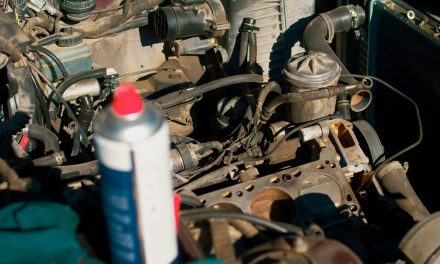
In some cases, simply draining or siphoning excess oil may not be sufficient to ensure optimal engine performance. Flushing the engine can help remove residual oils and contaminants that may have accumulated over time. To perform an engine flush, start by adding a specialized engine flush product to your existing oil.
Run your engine for a specified duration as indicated on the product label; this allows the flush solution to circulate throughout the lubrication system, breaking down sludge and deposits. After running the engine, proceed with draining the old oil as previously described, ensuring that all contaminants are removed from the system. Finally, refill with fresh oil according to manufacturer specifications. This process not only helps eliminate excess oil but also promotes overall engine cleanliness and efficiency.
Checking Oil Levels Accurately After Removal
After removing excess engine oil through any of the aforementioned methods, it is crucial to check your oil levels accurately before closing up your vehicle’s maintenance session. Begin by allowing your vehicle to sit on level ground for at least five minutes after running it briefly; this ensures that all oil settles back into the pan.
Using a clean dipstick, remove it from its tube and wipe it clean with a lint-free cloth or paper towel before reinserting it fully back into its tube. Remove it again and observe where the oil level falls on the dipstick markings; this will indicate whether you have achieved optimal levels or if further adjustments are necessary. Maintaining proper oil levels is vital for ensuring adequate lubrication and preventing potential damage due to insufficient or excessive oil.
Disposing of Excess Oil Safely and Responsibly
Proper disposal of excess engine oil is paramount in protecting both human health and environmental integrity. Used motor oil is classified as hazardous waste due to its potential contaminants and toxic properties; therefore, it should never be disposed of in regular trash or poured down drains.
Instead, take used motor oil to designated recycling centers or automotive shops that accept used oils for recycling purposes. Many local municipalities offer collection events specifically for hazardous waste disposal as well. By recycling used motor oil, you contribute to environmental sustainability while ensuring compliance with local regulations regarding hazardous waste management.
Preventing Overfilling During Future Oil Changes
To prevent future occurrences of overfilling during oil changes, several proactive measures can be implemented. First and foremost, always refer to your vehicle’s owner manual for specific guidelines regarding recommended oil capacity and type. Familiarize yourself with these specifications before beginning any maintenance tasks.
Additionally, consider using a funnel when pouring new oil into your engine; this minimizes spills and allows for greater control over how much fluid is added at any given time. Regularly checking your dipstick during the filling process can also help ensure that you do not exceed recommended levels. Finally, keeping accurate records of previous oil changes can provide valuable insights into your vehicle’s maintenance history and help prevent future mistakes.
When to Seek Professional Help for Oil Issues
While many car owners may feel comfortable performing basic maintenance tasks themselves, certain situations warrant professional assistance regarding engine oil issues. If you notice persistent leaks or unusual noises coming from your engine after addressing excess oil concerns, it may indicate underlying mechanical problems that require expert diagnosis.
Additionally, if you are unsure about how much oil should be in your vehicle or lack confidence in performing maintenance tasks safely, seeking help from a certified mechanic can provide peace of mind and ensure that your vehicle remains in optimal condition. Professional technicians possess specialized knowledge and tools necessary for diagnosing complex issues related to lubrication systems effectively.
In summary, understanding how to manage excess engine oil is crucial for maintaining vehicle performance and longevity. By preparing adequately for removal processes—whether through drain plugs or siphon pumps—car owners can effectively address overfilling issues while minimizing risks associated with improper disposal practices. Regular checks on oil levels combined with preventive measures during future changes will help ensure optimal lubrication without compromising engine health over time.
FAQs
What are the signs of excess engine oil in a car?
Signs of excess engine oil include oil leaks under the vehicle, a burning oil smell, increased engine pressure, and the oil level exceeding the maximum mark on the dipstick. Additionally, you may notice engine performance issues or unusual noises.
How can I safely remove excess engine oil?
To safely remove excess engine oil, you can use a siphon pump to extract the oil through the dipstick tube. Alternatively, you can drain the oil by removing the oil drain plug, but this method requires proper tools and precautions to avoid spills.
Is it necessary to change the oil filter when removing excess oil?
It is not strictly necessary to change the oil filter when removing excess oil, but it is a good practice to replace the filter during an oil change to ensure optimal engine performance and to prevent contaminants from circulating in the engine.
Can excess engine oil cause damage to my car?
Yes, excess engine oil can cause damage to your car. It can lead to increased pressure in the engine, which may result in oil leaks, seal damage, or even engine failure if not addressed promptly.
What tools do I need to remove excess engine oil?
To remove excess engine oil, you will need a siphon pump or a wrench to remove the oil drain plug, an oil catch pan to collect the oil, and a funnel if you plan to add new oil afterward. Additionally, gloves and rags are recommended for cleanliness and safety.