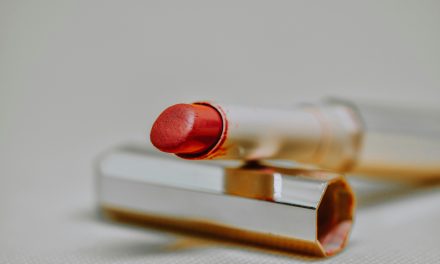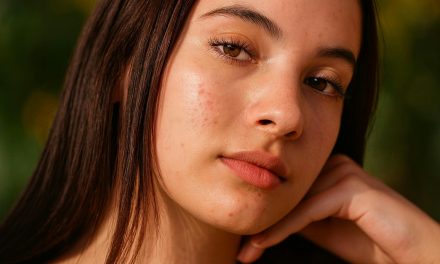
Blush is an essential component of any makeup regimen, serving not only to add color to the cheeks but also to enhance the overall complexion and create a youthful appearance. This cosmetic product has the remarkable ability to transform a flat face into a vibrant canvas, providing dimension and warmth. When applied correctly, blush can accentuate the cheekbones, define facial structure, and impart a healthy glow that mimics the natural flush of the skin.
Moreover, blush plays a pivotal role in balancing other makeup elements. For instance, when paired with bold eye makeup or striking lip colors, a well-chosen blush can harmonize the overall look, ensuring that no single feature overwhelms the others. The right shade can also evoke specific moods or styles, from soft and romantic to bold and dramatic. Thus, understanding how to select and apply blush effectively is crucial for achieving a polished and cohesive makeup look.
When selecting the perfect blush color for your skin tone, it’s essential to consider various factors such as your undertone and the overall look you want to achieve. For a deeper understanding of color matching, you might find it helpful to read this related article on essential tips for new dog owners, which emphasizes the importance of making informed choices in various aspects of life. You can check it out here: Essential Dog Training Tips for New Owners.
How to Determine Your Skin Tone: Warm, Cool, or Neutral
Identifying your skin tone is fundamental in selecting the most flattering blush shades. Skin tones are generally categorized into three primary types: warm, cool, and neutral. Warm skin tones typically exhibit yellow, peach, or golden undertones. Individuals with this complexion often find that gold jewelry complements their skin better than silver. Conversely, cool skin tones are characterized by pink, red, or blue undertones, making silver jewelry a more suitable choice. Lastly, neutral skin tones possess a balance of both warm and cool undertones, allowing for versatility in color selection.
To determine your skin tone accurately, consider conducting a simple test using natural light. Observe the veins on your wrist; if they appear greenish, you likely have a warm undertone. If they appear bluish or purplish, you may have a cool undertone. If you find it challenging to discern between the two, you might fall into the neutral category. Additionally, experimenting with different shades of blush can provide insight into which tones enhance your natural beauty most effectively.
Best Blush Colors for Fair Skin Tones

Individuals with fair skin tones often benefit from soft and delicate blush shades that enhance their natural complexion without overwhelming it. Light pinks, soft peaches, and subtle corals are excellent choices for this skin type. These colors provide a gentle flush that mimics the natural blush of the skin while avoiding harsh contrasts that can appear stark against lighter complexions.
When selecting blush for fair skin, it is essential to consider the finish as well. Matte finishes can provide a more natural appearance, while satin or shimmer finishes can add a touch of luminosity without being overly dramatic. For those with fair skin who wish to experiment with bolder colors, it is advisable to apply them sparingly and build up gradually to achieve the desired effect without overpowering the overall look.
Flattering Blush Shades for Medium Skin Tones

Medium skin tones offer a broader spectrum of blush options due to their versatility in undertones. Shades such as rose, mauve, and warm apricot can beautifully complement this skin type. These colors provide enough pigmentation to stand out without appearing too harsh or artificial.
For medium skin tones, it is crucial to consider both the undertone and intensity of the blush. Warmer shades tend to enhance golden or olive undertones, while cooler shades can brighten pink or neutral undertones. Additionally, medium skin tones can experiment with deeper hues like berry or plum for evening looks or special occasions, allowing for a more dramatic effect that still appears harmonious with their complexion.
Choosing the right blush color for your skin tone can significantly enhance your overall look, and if you’re interested in learning more about makeup tips, you might find this article on how to choose the perfect shade particularly helpful. Understanding your undertones is crucial, and you can explore various options that complement your complexion. For additional insights on beauty and style, check out this informative piece on how to choose blush color for your skin tone.
Ideal Blush Colors for Olive Skin Tones
Olive skin tones are unique in their ability to adapt to various colors due to their greenish undertones. This versatility allows individuals with olive complexions to explore a wide range of blush shades effectively. Warm peachy tones, soft pinks, and even terracotta hues can enhance the natural warmth of olive skin while providing a radiant glow.
When selecting blush for olive skin tones, it is beneficial to avoid overly cool shades that may clash with the natural undertones. Instead, opting for colors that incorporate warmth will create a more cohesive look. Additionally, experimenting with different finishes—such as satin or cream formulas—can further enhance the skin’s natural luminosity and provide a fresh appearance.
Choosing the right blush color for your skin tone can enhance your natural beauty and give you a radiant glow. To help you navigate this process, you might find it useful to read a related article that discusses various aspects of selecting the perfect shade. For more insights on this topic, check out this informative piece on how to choose blush color that aligns with your complexion and undertones. Understanding these nuances can make a significant difference in your makeup routine.
Top Blush Shades for Deep and Dark Skin Tones
Deep and dark skin tones are often best complemented by rich and vibrant blush shades that stand out against their complexion. Bold colors such as fuchsia, deep berry, and rich plum can create stunning contrasts that enhance facial features beautifully. These shades not only provide color but also add depth and dimension to the face.
For individuals with deep skin tones, it is essential to choose highly pigmented formulas that deliver intense color payoff. Cream blushes can be particularly effective as they blend seamlessly into the skin while providing a natural finish. Additionally, incorporating shimmer or satin finishes can add an element of radiance without appearing overly glittery.
Choosing the Right Blush Finish: Matte, Satin, or Shimmer
The finish of blush plays a significant role in its overall effect on the complexion. Matte blushes offer a classic look that provides a soft focus effect on the skin. They are particularly suitable for those with oily skin types or individuals seeking a more understated appearance. Matte finishes can also be layered easily for buildable coverage.
Satin finishes strike a balance between matte and shimmer, providing a subtle glow without being overly reflective. This finish is ideal for those looking to achieve a natural radiance while maintaining a polished look. On the other hand, shimmer blushes are perfect for adding luminosity and highlighting specific areas of the face. They work exceptionally well for evening looks or special occasions where a touch of glamour is desired.
Tips for Applying Blush to Enhance Your Natural Features
Applying blush correctly is crucial for achieving a flattering look that enhances your natural features. Start by selecting the appropriate brush; an angled brush can help define cheekbones while a fluffy brush provides a softer application. When applying blush, smile gently to locate the apples of your cheeks and apply color in an upward motion towards your temples. This technique lifts the face and creates a youthful appearance.
Additionally, blending is key to achieving a seamless finish. Use circular motions to diffuse any harsh lines and ensure that the blush melds beautifully with your foundation and other makeup products. For those who prefer a more sculpted look, consider using contour products alongside blush to define cheekbones further.
Seasonal Blush Color Trends to Try This Year
As trends evolve throughout the seasons, so do popular blush colors. In spring and summer, soft pastels like peachy pinks and corals take center stage, reflecting the freshness of blooming flowers and sunny days. These shades evoke feelings of warmth and vitality while enhancing sun-kissed skin.
In contrast, fall and winter often bring deeper hues into play—think rich berries and warm terracottas that complement cozy wardrobes and festive occasions. These colors not only add warmth but also create an inviting glow during colder months when skin may appear duller.
How to Match Blush with Your Lip and Eye Makeup
Achieving harmony in makeup involves coordinating blush with lip and eye products effectively. A general rule of thumb is to select complementary shades across all three areas—if you opt for bold lips, consider using softer blush tones to maintain balance; conversely, if your eyes are adorned with vibrant colors, you may choose a more pronounced blush shade.
Additionally, consider using similar undertones across products; for example, if you choose warm peachy lips, pairing them with coral blush creates cohesion in your overall look. Experimenting with different combinations can lead to discovering unique pairings that enhance your features beautifully.
Expert Advice: Avoiding Common Blush Mistakes for a Flawless Look
To achieve a flawless blush application, it is essential to avoid common pitfalls that can detract from your overall makeup look. One frequent mistake is applying too much product at once; starting with a light hand allows for buildable coverage without overwhelming your features.
Another common error is neglecting blending; harsh lines can create an unnatural appearance that detracts from your overall aesthetic. Always take time to blend thoroughly using circular motions or tapping motions with your brush for seamless integration into your makeup routine.
In conclusion, understanding how to select and apply blush effectively is vital for enhancing your natural beauty while achieving a polished look. By considering factors such as skin tone, finish options, seasonal trends, and coordination with other makeup elements, individuals can elevate their makeup game significantly. With practice and experimentation, anyone can master the art of blush application for stunning results every time they step out.
FAQs
What factors should I consider when choosing a blush color for my skin tone?
When selecting a blush color, consider your skin’s undertone (warm, cool, or neutral), the depth of your skin tone (light, medium, or dark), and the overall look you want to achieve. Warm undertones typically pair well with peachy or coral shades, while cool undertones look great with pinks and berries. Neutral undertones can often wear a variety of shades.
How can I determine my skin’s undertone?
You can determine your skin’s undertone by examining the veins on your wrist; if they appear blue, you likely have cool undertones, while greenish veins suggest warm undertones. Additionally, consider how your skin reacts to sun exposure: if you tan easily, you may have warm undertones, whereas if you burn, you likely have cool undertones.
Are there specific blush colors recommended for different skin tones?
Yes, specific blush colors are often recommended based on skin tones. For fair skin, soft pinks and light peaches work well. Medium skin tones can opt for rose or mauve shades, while deeper skin tones can benefit from bold colors like berry, plum, or deep coral to create a striking contrast.
Can I wear multiple blush colors at once?
Absolutely! Layering blush colors can create a more dimensional look. For example, you can apply a lighter shade on the apples of your cheeks and a deeper shade along the cheekbones for added definition. Just be sure to blend well to achieve a seamless finish.
What is the best application technique for blush?
The best application technique for blush involves using a clean brush and applying the product in a circular motion on the apples of your cheeks, then blending it upwards towards your temples. This technique helps to create a natural flush and enhances your facial structure.