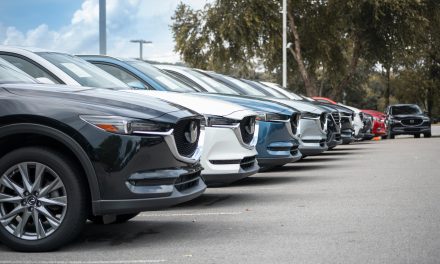

Navigating the world of auto financing begins with a comprehensive understanding of your credit situation. Credit scores, which typically range from 300 to 850, serve as a numerical representation of your creditworthiness. A higher score indicates a lower risk to lenders, while a lower score may result in higher interest rates or even loan denial. Factors influencing your credit score include payment history, credit utilization ratio, length of credit history, types of credit accounts, and recent inquiries. It is crucial to assess where you stand within this spectrum before embarking on the journey to purchase a used vehicle.
To gain insight into your credit situation, consider obtaining your credit report from major credit bureaus such as Experian, TransUnion, and Equifax. Each report provides detailed information about your credit accounts, outstanding debts, and payment history. By analyzing this data, you can identify areas for improvement and take proactive steps to enhance your credit score. Understanding your credit situation not only empowers you to make informed decisions but also positions you favorably when negotiating loan terms with potential lenders.
If you’re looking for ways to finance a used car with bad credit, you might find it helpful to explore various financing options and strategies that can improve your chances of approval. For additional insights on transforming your financial situation, consider reading this article on top 10 ground cover succulents to transform your garden space, which, while focused on gardening, can inspire you to cultivate a more sustainable financial future by making wise investments in your lifestyle.
Setting a Realistic Budget for Your Used Car
Establishing a realistic budget is paramount when considering the purchase of a used car. Begin by evaluating your financial situation, including monthly income, existing debts, and essential living expenses. A general rule of thumb is to allocate no more than 15% of your monthly income towards car payments. This ensures that you maintain financial stability while accommodating other necessary expenditures.
In addition to the purchase price, consider other costs associated with vehicle ownership. These may include insurance premiums, maintenance expenses, fuel costs, and registration fees. By factoring in these additional expenses, you can create a comprehensive budget that reflects the true cost of owning a used car. Utilizing budgeting tools or apps can aid in tracking your expenses and ensuring that you remain within your financial limits.
Checking Your Credit Report for Errors

An often-overlooked aspect of preparing for an auto loan is the meticulous review of your credit report for errors. Mistakes on your credit report can significantly impact your credit score and subsequently affect your ability to secure favorable financing terms. Common errors include incorrect account information, outdated personal details, or fraudulent accounts opened in your name.
To rectify these discrepancies, promptly dispute any inaccuracies with the respective credit bureau. This process typically involves submitting a formal dispute letter along with supporting documentation that substantiates your claim. By ensuring that your credit report accurately reflects your financial history, you can enhance your creditworthiness and improve your chances of obtaining a favorable loan.
Exploring Special Financing Options for Bad Credit

For individuals with poor credit histories, exploring special financing options can be a viable pathway to securing an auto loan. Many lenders offer programs specifically designed for borrowers with bad credit, often referred to as subprime loans. These loans may come with higher interest rates; however, they provide an opportunity for individuals to rebuild their credit while acquiring a vehicle.
Additionally, some dealerships offer in-house financing options that cater to buyers with less-than-perfect credit. These arrangements may involve less stringent approval criteria compared to traditional lenders. However, it is essential to thoroughly review the terms and conditions associated with such financing options to avoid potential pitfalls.
If you’re looking to finance a used car with bad credit, understanding your options is crucial for making an informed decision. A related article that can provide valuable insights is available at this link, where you can explore various strategies and tips to improve your chances of securing a loan. By educating yourself on the financing process, you can better navigate the challenges that come with poor credit and find a vehicle that fits your budget.
Considering a Co-Signer to Improve Loan Approval Chances
Enlisting the help of a co-signer can significantly enhance your chances of loan approval, particularly if you have a limited or poor credit history. A co-signer is an individual who agrees to take on the responsibility of the loan alongside you, providing additional assurance to lenders regarding repayment. This arrangement can lead to more favorable loan terms and lower interest rates.
When selecting a co-signer, it is crucial to choose someone with a strong credit profile and a solid financial standing. This individual should be fully aware of the responsibilities involved in co-signing a loan, as any missed payments will impact both parties’ credit scores. Open communication and mutual understanding are essential to ensure that both you and your co-signer are comfortable with the arrangement.
Saving for a Larger Down Payment
A larger down payment can significantly reduce the overall cost of financing a used car and improve your chances of loan approval. By saving for a substantial down payment—ideally 20% or more of the vehicle’s purchase price—you can lower the amount financed and potentially secure better interest rates. This strategy not only reduces monthly payments but also demonstrates financial responsibility to lenders.
To accumulate savings for a down payment, consider implementing a dedicated savings plan. Set aside a specific amount each month in a separate savings account designated for this purpose. Additionally, explore opportunities to increase your income through side jobs or freelance work, which can expedite your savings goal.
Comparing Loan Offers from Multiple Lenders
Once you have established your budget and saved for a down payment, it is time to compare loan offers from multiple lenders. Each lender may present different interest rates, terms, and fees associated with their loans. By obtaining quotes from various financial institutions—such as banks, credit unions, and online lenders—you can identify the most favorable option tailored to your financial situation.
When comparing loan offers, pay close attention to the Annual Percentage Rate (APR), which encompasses both the interest rate and any associated fees. A lower APR indicates a more cost-effective loan over time. Additionally, consider the loan term; while longer terms may result in lower monthly payments, they often lead to higher overall interest costs.
Choosing the Right Type of Loan for Your Needs
Selecting the appropriate type of loan is crucial in ensuring that it aligns with your financial goals and circumstances. There are primarily two types of auto loans: secured and unsecured loans. Secured loans require collateral—typically the vehicle itself—while unsecured loans do not necessitate collateral but may come with higher interest rates due to increased risk for lenders.
For individuals with poor credit histories, secured loans may be more accessible due to their lower risk profile for lenders. However, it is essential to weigh the pros and cons of each option carefully before making a decision. Consider factors such as interest rates, repayment terms, and potential consequences in case of default when determining which type of loan best suits your needs.
Negotiating Terms and Interest Rates Effectively
Effective negotiation skills can play a pivotal role in securing favorable loan terms and interest rates. When approaching lenders or dealerships, be prepared with research on current market rates and comparable offers from other institutions. This knowledge empowers you to advocate for better terms based on competitive offers.
During negotiations, maintain transparency about your financial situation while emphasizing your commitment to timely repayments. Be willing to walk away if the terms do not meet your expectations; this demonstrates confidence in your ability to secure better financing elsewhere. Remember that negotiation is a two-way street; be open to compromise while advocating for terms that align with your budgetary constraints.
Preparing Necessary Documentation in Advance
Before applying for an auto loan, it is essential to gather all necessary documentation in advance to streamline the application process. Commonly required documents include proof of income (such as pay stubs or tax returns), identification (driver’s license or passport), proof of residence (utility bills or lease agreements), and information regarding any existing debts.
Having these documents organized and readily available not only expedites the application process but also demonstrates professionalism and preparedness to potential lenders. This proactive approach can enhance your credibility as a borrower and increase the likelihood of securing favorable financing terms.
Maintaining Financial Discipline Post-Purchase
Once you have successfully purchased your used car, maintaining financial discipline becomes paramount in ensuring long-term financial health. Adhere strictly to your budget by tracking monthly expenses related to vehicle ownership—such as insurance premiums, maintenance costs, and fuel expenses—to avoid overspending.
Additionally, prioritize timely payments on your auto loan to protect your credit score and avoid penalties or late fees. Consider setting up automatic payments or reminders to ensure that you never miss a due date. By cultivating responsible financial habits post-purchase, you can safeguard your investment while simultaneously working towards improving your overall financial standing.
In summary, understanding your credit situation is crucial when purchasing a used car. Setting a realistic budget helps manage expenses effectively while checking for errors on your credit report ensures accuracy in lending decisions. Exploring special financing options and considering co-signers can enhance approval chances for those with bad credit. Saving for a larger down payment reduces overall costs while comparing loan offers allows for informed decision-making. Choosing the right type of loan and negotiating effectively can lead to favorable terms, while preparing necessary documentation streamlines the process. Finally, maintaining financial discipline post-purchase safeguards against future challenges and promotes long-term stability in vehicle ownership.
FAQs
Can I finance a used car with bad credit?
Yes, it is possible to finance a used car with bad credit. Many lenders specialize in providing loans to individuals with poor credit histories. However, you may face higher interest rates and less favorable loan terms compared to borrowers with good credit.
What steps can I take to improve my chances of getting approved?
To improve your chances of getting approved for a car loan with bad credit, consider the following steps: check your credit report for errors, pay down existing debts, save for a larger down payment, and consider getting a co-signer with better credit. Additionally, researching lenders that cater to individuals with bad credit can also help.
What types of lenders can I approach for financing?
You can approach various types of lenders for financing a used car with bad credit, including traditional banks, credit unions, online lenders, and dealerships that offer in-house financing. Each option has its pros and cons, so it’s important to compare rates and terms before making a decision.
What should I expect in terms of interest rates?
Interest rates for financing a used car with bad credit can vary widely, typically ranging from 10% to 20% or more, depending on the lender and your credit profile. It’s essential to shop around and compare offers to find the best rate available to you.
Are there any alternatives to traditional financing?
Yes, there are alternatives to traditional financing for purchasing a used car with bad credit. Options include buy-here-pay-here dealerships, peer-to-peer lending platforms, and personal loans from family or friends. Each alternative comes with its own risks and benefits, so it’s important to evaluate them carefully.