When considering the purchase of a pre-owned vehicle, one of the most critical steps is to meticulously inspect the service history and maintenance records. These documents provide invaluable insights into how well the vehicle has been cared for over its lifespan. A comprehensive service history should include routine maintenance tasks such as oil changes, tire rotations, and brake inspections, as well as any significant repairs that have been performed. A vehicle that has been consistently serviced according to the manufacturer’s recommendations is likely to be more reliable and have a longer lifespan.
In addition to routine maintenance, it is essential to look for any major repairs or replacements that may indicate underlying issues. For instance, if the engine or transmission has been replaced, it could suggest previous problems that might recur. Furthermore, a well-documented service history can also reveal whether the vehicle has been subjected to recalls and whether those recalls were addressed promptly. This information can significantly influence your decision-making process and help you avoid potential pitfalls associated with purchasing a poorly maintained vehicle.
When considering the purchase of a used car, it’s essential to determine whether it has been well maintained to avoid future issues. A helpful resource on this topic can be found in the article titled “How to Tell if a Used Car Was Well Maintained,” which provides valuable tips and insights. Additionally, if you’re interested in caring for your furry friends, you might find this article on grooming techniques useful: How to Brush a Curly-Coated Dog Without Damaging Its Fur.
Check for Consistent Oil Change Intervals
Regular oil changes are vital for maintaining engine health and performance. When evaluating a used vehicle, it is crucial to check for consistent oil change intervals documented in the service records. Most manufacturers recommend changing the oil every 5,000 to 7,500 miles, depending on the type of oil used and driving conditions. A vehicle that has not adhered to these intervals may exhibit signs of engine wear, sludge buildup, or even catastrophic failure.
In addition to reviewing the service records, it is advisable to inspect the oil itself during a pre-purchase inspection. The oil should appear clean and free of debris; dark, gritty oil may indicate neglect. Furthermore, checking the oil level can provide insights into whether the engine is consuming oil excessively, which could signal deeper mechanical issues. By ensuring that oil changes have been performed regularly, prospective buyers can mitigate risks associated with engine damage and enhance their confidence in the vehicle’s reliability.
Examine the Condition of the Tires and Alignment

Tires are one of the most critical components of any vehicle, directly impacting safety, handling, and fuel efficiency. When assessing a used car, examining the condition of the tires is paramount. Look for signs of uneven wear, which may indicate alignment issues or suspension problems. Ideally, tires should have even tread wear across their surface; significant wear on one side could suggest misalignment or improper inflation practices.
In addition to tread depth, it is essential to check the age of the tires. Most tires have a lifespan of approximately six years, regardless of tread wear. The manufacturing date can be found on the sidewall of the tire in a four-digit code; for example, “2219” indicates that the tire was manufactured in the 22nd week of 2019. If the tires are older than six years, they may need replacement soon, adding to your overall costs. Ensuring proper tire condition not only enhances safety but also contributes to optimal fuel efficiency and driving comfort.
Look for Signs of Regular Brake Maintenance

Brakes are arguably one of the most crucial safety features in any vehicle. Therefore, assessing the condition of the braking system during a pre-purchase inspection is essential. Look for documentation indicating regular brake maintenance, including pad replacements and rotor resurfacing or replacement. A well-maintained braking system should exhibit minimal wear on pads and rotors, ensuring optimal stopping power.
During your inspection, pay attention to any unusual noises when applying brakes, such as squeaking or grinding sounds. These noises can indicate worn brake pads or damaged rotors that may require immediate attention. Additionally, check for any fluid leaks around the brake lines or master cylinder; leaks can compromise braking performance and pose significant safety risks. By ensuring that the braking system has been regularly maintained, buyers can enhance their peace of mind regarding vehicle safety.
When considering the purchase of a used car, it’s essential to determine whether it has been well maintained to avoid future issues. One effective way to assess a vehicle’s maintenance history is by checking its service records and looking for signs of regular upkeep. For more tips on evaluating a used car’s condition, you might find this article on reliable pet care services helpful, as it discusses the importance of thorough checks and how they can lead to better decision-making, whether you’re buying a car or hiring a sitter.
Assess the Cleanliness and Condition of the Engine Bay
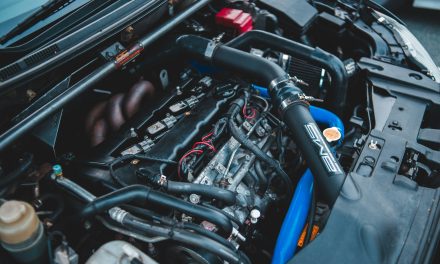
The engine bay serves as a window into a vehicle’s overall condition and maintenance history. A clean engine bay often indicates that previous owners took pride in their vehicle’s upkeep. During your inspection, look for excessive dirt, grease buildup, or corrosion around components such as hoses and electrical connections. These signs may suggest neglect or potential issues that could lead to costly repairs down the line.
Additionally, inspect for any signs of leaks from various engine components such as oil filters, gaskets, or coolant hoses. Fluid leaks can lead to significant engine damage if left unaddressed. Furthermore, check for frayed belts or worn hoses that may need replacement soon. A thorough assessment of the engine bay can provide valuable insights into how well the vehicle has been maintained and whether it is likely to require immediate repairs.
When considering the purchase of a used car, it’s essential to determine whether it has been well maintained, as this can significantly impact its longevity and performance. One helpful resource is an article that provides insights into the signs of a well-cared-for vehicle. For more information on this topic, you can check out this related article that discusses various factors to look for when evaluating a used car’s maintenance history. By being informed, you can make a more confident decision and potentially save yourself from future repairs.
Verify the Functionality of All Electrical Components
Modern vehicles are equipped with numerous electrical components that enhance convenience and safety features. During your inspection, it is crucial to verify that all electrical systems are functioning correctly. This includes testing headlights, taillights, turn signals, power windows, locks, and infotainment systems. Malfunctioning electrical components can indicate underlying issues with wiring or fuses that may require costly repairs.
Additionally, pay attention to dashboard warning lights during your test drive; any illuminated warning lights could signify potential problems with critical systems such as brakes or engine performance. If any electrical components are not functioning correctly, it is advisable to consult a professional mechanic for further evaluation before finalizing your purchase. Ensuring that all electrical systems are operational can prevent unexpected inconveniences and enhance overall driving enjoyment.
Evaluate the Suspension and Steering Performance
The suspension system plays a vital role in providing a smooth ride and maintaining vehicle stability during cornering and braking maneuvers. When inspecting a used vehicle, evaluate its suspension performance by observing how it handles bumps and uneven surfaces during a test drive. A well-functioning suspension should absorb shocks effectively without excessive bouncing or swaying.
Additionally, assess steering responsiveness by turning the steering wheel at various speeds; it should feel precise without any excessive play or vibrations. If you notice any unusual noises when navigating bumps or turns—such as clunking or rattling—this could indicate worn suspension components that may require replacement soon. By thoroughly evaluating suspension and steering performance, buyers can ensure a comfortable driving experience while minimizing future repair costs.
Review the Interior for Wear and Tear Consistency
The interior condition of a vehicle can provide insights into how well it has been cared for by previous owners. During your inspection, examine upholstery for signs of wear such as tears, stains, or fading. Consistent wear across all seating surfaces can indicate regular use; however, excessive wear on one area may suggest neglect or misuse.
Additionally, check all interior components such as dashboard controls, air conditioning systems, and infotainment features for functionality. Ensure that all buttons and knobs operate smoothly without sticking or malfunctioning. A well-maintained interior not only enhances comfort but also contributes to overall resale value should you decide to sell in the future.
Test Drive to Detect Any Unusual Noises or Vibrations
A test drive is an essential component of evaluating a used vehicle’s condition. During this process, pay close attention to any unusual noises or vibrations that may arise while driving at various speeds. Listen for sounds such as grinding from brakes or clunking from suspension components; these noises could indicate underlying mechanical issues requiring immediate attention.
Additionally, assess how smoothly the vehicle accelerates and decelerates; any hesitation or roughness during these processes may signal transmission problems or engine performance issues. Furthermore, evaluate how well the vehicle handles turns and stops; poor handling could indicate alignment problems or worn suspension components. A thorough test drive allows prospective buyers to identify potential concerns before making a purchase decision.
Inspect for Any Signs of Rust or Body Repairs
Rust can significantly compromise a vehicle’s structural integrity and aesthetic appeal. When inspecting a used car, look closely at areas prone to rust formation such as wheel wells, undercarriage components, and door sills. Surface rust may be manageable; however, extensive rust damage could necessitate costly repairs or even render the vehicle unsafe.
Additionally, check for signs of body repairs such as mismatched paint colors or uneven panel gaps; these indicators may suggest previous accidents that could affect resale value or safety features. If you suspect extensive bodywork has been performed on the vehicle, consider consulting a professional mechanic for further evaluation before proceeding with your purchase.
Consult a Professional Mechanic for a Comprehensive Inspection
While conducting your own inspection is crucial in evaluating a used vehicle’s condition, consulting a professional mechanic can provide an added layer of assurance before finalizing your purchase decision. A qualified mechanic possesses specialized knowledge and tools necessary to identify potential issues that may not be immediately apparent during a casual inspection.
During a comprehensive inspection, mechanics will assess critical systems such as brakes, suspension components, engine performance metrics, and electrical systems using diagnostic equipment. They can also provide insights into any necessary repairs or maintenance tasks that may arise shortly after purchase. Investing in a professional inspection can save buyers from unexpected repair costs down the line while enhancing overall peace of mind regarding their investment.
In summary, purchasing a used vehicle requires careful consideration and thorough evaluation across multiple aspects including service history, maintenance records, tire condition, brake performance, engine cleanliness, electrical functionality, suspension performance, interior condition, test drive experiences, rust inspection, and professional consultation. By following these guidelines diligently and seeking expert advice when necessary, prospective buyers can make informed decisions that lead to successful ownership experiences while minimizing risks associated with pre-owned vehicles.
FAQs
What are some signs of a well-maintained used car?
Signs of a well-maintained used car include a clean interior and exterior, consistent service records, no rust or corrosion, even tire wear, and functioning lights and electronics. Additionally, the engine should run smoothly without unusual noises, and the brakes should respond effectively.
How can I check the service history of a used car?
You can check the service history of a used car by asking the seller for maintenance records, which should include receipts for oil changes, tire rotations, and any repairs. You can also request a vehicle history report from services like Carfax or AutoCheck, which may provide information on past maintenance and repairs.
What should I look for under the hood to assess maintenance?
When inspecting under the hood, look for clean oil and coolant levels, no signs of leaks, and a well-maintained battery. Check the condition of belts and hoses for wear or cracking, and ensure that the air filter is clean. A well-maintained engine will typically show minimal dirt and grime.
How important is the condition of the tires in assessing maintenance?
The condition of the tires is crucial in assessing a used car’s maintenance. Look for even tread wear, proper inflation, and no visible damage such as cracks or bulges. Well-maintained tires indicate that the previous owner likely took care of the vehicle’s overall performance and safety.
What role does the car’s mileage play in determining maintenance?
While mileage can be an indicator of how much a car has been used, it is not the sole factor in determining maintenance. A car with higher mileage that has been regularly serviced may be in better condition than a lower-mileage car that has been neglected. It’s essential to consider both mileage and the quality of maintenance performed.