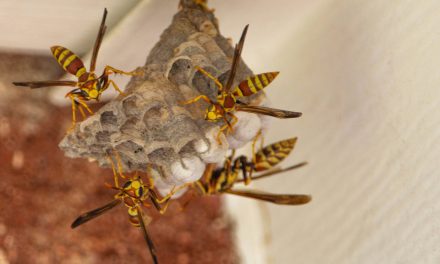
Scratching noises within a home can be disconcerting, often leading to anxiety and concern about potential infestations. These sounds may emanate from various sources, including rodents, insects, or even structural issues within the building. Rodents, such as mice and rats, are notorious for their nocturnal activities, which often include gnawing and scratching as they navigate through walls, ceilings, and attics. Insects like termites or carpenter ants may also produce scratching sounds as they burrow into wood or other materials. Understanding these common causes is crucial for homeowners seeking to address the issue effectively.
In addition to pests, structural problems can also contribute to scratching noises. For instance, settling foundations or shifting walls may create creaks and groans that mimic the sounds of scratching. Identifying the source of these noises is essential for determining the appropriate course of action. Homeowners should remain vigilant and observant, as early detection can prevent more significant issues from developing.
Assessing the Severity of the Situation
Once scratching noises are detected, it is vital to assess the severity of the situation. Homeowners should consider factors such as the frequency and intensity of the sounds, as well as any visible signs of pest activity. For example, droppings, gnaw marks, or nests can indicate a more severe infestation that requires immediate attention. Additionally, understanding the time of day when these noises occur can provide insight into whether they are related to nocturnal pests or other factors.
It is also essential to evaluate the potential risks associated with the identified pests. Rodents can carry diseases such as hantavirus and leptospirosis, while certain insects may cause structural damage to a home. By assessing the severity of the situation, homeowners can prioritize their response and determine whether immediate action is necessary or if a more measured approach is appropriate.
Identifying Potential Pests Behind the Scratching

Identifying the specific pests responsible for scratching noises is crucial for effective pest management. Common culprits include rodents like mice and rats, which are often characterized by their small size and rapid reproduction rates. Signs of rodent activity may include droppings, urine stains, and shredded materials used for nesting. In contrast, insects such as termites and carpenter ants may leave behind wood shavings or frass, indicating their presence within structural components.
To accurately identify pests, homeowners should conduct a thorough inspection of their property. This includes checking attics, basements, and crawl spaces for signs of infestation. Utilizing tools such as flashlights and magnifying glasses can aid in this process. Additionally, consulting with pest control professionals can provide valuable insights into identifying specific pests and determining the best course of action.
Inspecting Your Home for Entry Points

A critical step in addressing scratching noises is inspecting your home for potential entry points that pests may exploit. Common entry points include gaps around windows and doors, cracks in foundations, and openings around utility lines. Rodents can squeeze through surprisingly small spaces, making it essential to conduct a comprehensive inspection.
Homeowners should pay particular attention to areas where utilities enter the home, as these openings often go unnoticed. Sealing these entry points with caulk or weatherstripping can significantly reduce the likelihood of pest infiltration. Additionally, ensuring that screens on windows and vents are intact can help prevent unwanted access.
Using Safe Methods to Locate the Source of Noise
When attempting to locate the source of scratching noises, homeowners should employ safe methods that minimize disruption to their living environment. One effective approach is to use bait stations or traps strategically placed in areas where noises are most prominent. These devices can help capture pests without causing harm to humans or pets.
Another method involves using sound detection techniques to pinpoint the source of the noise. Homeowners can utilize listening devices or simply remain quiet during peak activity times to discern where the sounds are originating from. This approach allows for a more targeted response while minimizing unnecessary disturbances.
When to Use DIY Pest Control Solutions
DIY pest control solutions can be effective in managing minor infestations or preventing future issues. Homeowners may consider using traps or bait stations designed specifically for rodents or insects. These products are widely available at hardware stores and can provide a cost-effective means of addressing pest problems.
However, it is essential to recognize when DIY solutions may not suffice. If scratching noises persist despite attempts at self-management or if there are signs of significant infestation, it may be time to consult with a professional pest control service. Understanding the limitations of DIY methods is crucial for ensuring effective pest management.
The Importance of Sealing Cracks and Holes
Sealing cracks and holes in a home is one of the most effective preventative measures against pest infestations. By addressing potential entry points, homeowners can significantly reduce the likelihood of pests gaining access to their living spaces. This proactive approach not only protects against rodents and insects but also enhances energy efficiency by preventing drafts.
Materials such as caulk, expanding foam, and steel wool can be utilized to seal gaps effectively. Homeowners should focus on areas around windows, doors, and foundations, as well as any visible cracks in walls or ceilings. Regular inspections and maintenance are essential for ensuring that these seals remain intact over time.
How to Set Up Traps and Deterrents
Setting up traps and deterrents is a crucial step in managing pest populations within a home. For rodents, snap traps or electronic traps can be effective in capturing unwanted guests. Baiting these traps with appealing food items such as peanut butter or seeds can increase their efficacy.
In addition to traps, homeowners may consider using natural deterrents such as peppermint oil or vinegar sprays that repel pests without harmful chemicals. These solutions can be applied around entry points or areas where scratching noises are prevalent. Utilizing a combination of traps and deterrents can create a comprehensive pest management strategy.
When to Call a Professional Exterminator
While DIY methods can be effective for minor infestations, there are instances when calling a professional exterminator is necessary. If scratching noises persist despite attempts at self-management or if there are signs of extensive damage caused by pests, it is crucial to seek expert assistance. Professional exterminators possess specialized knowledge and tools that enable them to address infestations more effectively than most homeowners can achieve on their own.
Additionally, if there are concerns about health risks associated with specific pests—such as rodents carrying diseases—consulting with a professional is advisable. They can conduct thorough inspections, identify the root cause of infestations, and implement targeted treatments that ensure long-term pest control.
Preventative Measures to Avoid Future Infestations
Preventative measures play a vital role in maintaining a pest-free home environment. Homeowners should adopt practices such as regular inspections of their property for signs of wear and tear that could create entry points for pests. Keeping food stored in airtight containers and maintaining cleanliness in kitchens and dining areas can also deter unwanted visitors.
Landscaping practices should not be overlooked; trimming back shrubs and trees away from the home reduces potential pathways for pests to access structures. Additionally, ensuring proper drainage around the foundation prevents moisture buildup that attracts insects like termites.
Maintaining Peace of Mind and a Pest-Free Home
Achieving peace of mind in a pest-free home requires ongoing vigilance and proactive measures. Homeowners should establish regular maintenance routines that include inspections for signs of pest activity and addressing any issues promptly. Creating an environment that discourages pests through cleanliness and proper sealing techniques will contribute significantly to long-term success.
In conclusion, understanding the causes behind scratching noises is essential for effective pest management. By assessing severity, identifying potential pests, inspecting entry points, utilizing safe methods for locating noise sources, employing DIY solutions when appropriate, sealing cracks, setting up traps, knowing when to call professionals, implementing preventative measures, and maintaining vigilance, homeowners can ensure a peaceful living environment free from unwanted pests.
### FAQ Section
1. **What are common signs of rodent infestations?**
– Signs include droppings, gnaw marks on furniture or walls, nests made from shredded materials, and scratching noises at night.
2. **How do I know if I have termites?**
– Look for mud tubes on walls or foundations, discarded wings near windowsills or doors, and hollow-sounding wood when tapped.
3. **What should I do if I find a nest?**
– Avoid disturbing it; instead, contact a pest control professional who can safely remove it.
4. **Are there natural deterrents for pests?**
– Yes! Essential oils like peppermint oil or vinegar sprays can repel many common pests without harmful chemicals.
5. **How often should I inspect my home for pests?**
– Regular inspections every few months are recommended; however, more frequent checks may be necessary if you live in an area prone to infestations.
6. **What should I do if I hear scratching noises but see no signs of pests?**
– It may be structural issues; consider consulting with a contractor or pest control expert for further evaluation.
7. **Can I use over-the-counter pesticides safely?**
– Yes, but always follow label instructions carefully; consider using less toxic options when possible.
8. **How do I seal entry points effectively?**
– Use caulk for small gaps; expanding foam works well for larger openings; steel wool can deter rodents from gnawing through.
9. **What are some long-term prevention strategies?**
– Maintain cleanliness in your home; store food properly; regularly inspect your property; keep landscaping trimmed away from structures.
10. **When should I consider professional extermination services?**
– If you notice extensive damage from pests or if DIY methods fail after several attempts at management.
In summary, addressing scratching noises requires a comprehensive understanding of potential causes and effective management strategies. By assessing severity, identifying pests accurately, sealing entry points diligently, employing safe methods for locating noise sources, utilizing DIY solutions judiciously, setting up traps effectively, knowing when to call professionals for assistance, implementing preventative measures consistently, and maintaining vigilance over time—homeowners can achieve peace of mind in their living environments while ensuring they remain pest-free.
FAQs
What could be causing the scratching sounds in my walls at night?
Scratching sounds in your walls at night can be caused by various factors, including rodents such as mice or rats, insects like termites or carpenter ants, or even larger animals like raccoons or squirrels that may have entered your attic or wall cavities. It’s important to identify the source to address the issue effectively.
How can I determine if the sounds are from pests?
To determine if the scratching sounds are from pests, listen for specific patterns or times when the noises occur. You can also look for signs of infestation, such as droppings, gnaw marks, or nests. Setting up traps or using a camera can help confirm the presence of pests.
What should I do if I suspect rodents are in my walls?
If you suspect rodents are in your walls, it’s advisable to take immediate action. Seal any entry points to prevent further access, set traps to catch the rodents, and consider contacting a pest control professional for a thorough inspection and removal.
Are there any health risks associated with pests in my walls?
Yes, pests in your walls can pose health risks. Rodents can carry diseases and parasites, while insects like cockroaches can trigger allergies and asthma. It’s important to address any infestations promptly to minimize health hazards.
When should I call a professional for help?
You should call a professional if you are unable to identify the source of the scratching sounds, if the infestation is extensive, or if you feel uncomfortable handling the situation yourself. A pest control expert can provide a thorough assessment and effective treatment options.