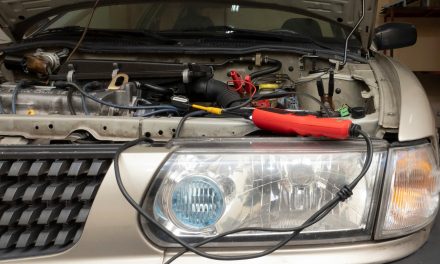
The Anti-lock Braking System (ABS) light is a crucial indicator on your vehicle’s dashboard, designed to alert drivers to potential issues within the braking system. When illuminated, this warning signifies that the ABS has detected a malfunction, which could compromise the vehicle’s braking efficiency. The primary function of the ABS is to prevent wheel lock-up during hard braking, thereby enhancing vehicle control and stability. Understanding the implications of this warning light is essential for maintaining safety on the road.
When the ABS light activates, it typically indicates that the system is either disabled or experiencing a fault. This can lead to a loss of anti-lock functionality, which is particularly critical in adverse weather conditions or during emergency stops. Drivers should not ignore this warning, as it may lead to increased stopping distances and a higher risk of accidents. Immediate attention to the issue is advisable to ensure both personal safety and the integrity of the vehicle.
If you’re wondering why your ABS light is on while your brakes seem to be functioning properly, it’s important to understand that the ABS (Anti-lock Braking System) light can indicate various issues that may not directly affect the braking performance. For a deeper insight into vehicle maintenance and troubleshooting, you might find this article helpful: Top 10 Stain Removal Methods You Need to Try Today. While it focuses on stain removal, it also emphasizes the importance of regular care and attention to your belongings, which can be applied to vehicle upkeep as well.
Common Causes of an ABS Light Activation
Several factors can trigger the activation of the ABS light, each requiring careful consideration and diagnosis. One of the most prevalent causes is a malfunctioning wheel speed sensor, which plays a vital role in monitoring the rotational speed of each wheel. If this sensor fails, it can send incorrect data to the ABS control module, resulting in the warning light being illuminated.
Another common cause is low brake fluid levels. The brake fluid reservoir must maintain an adequate level for optimal braking performance. If fluid levels drop due to leaks or other issues, it can trigger the ABS light as a precautionary measure. Additionally, electrical problems such as blown fuses or corroded wiring can disrupt communication within the ABS system, leading to warning light activation. Understanding these common causes can help drivers identify potential issues before they escalate into more significant problems.
Faulty Wheel Speed Sensors: The Primary Culprit
Wheel speed sensors are integral components of the ABS system, responsible for providing real-time data regarding wheel rotation to the ABS control module. When these sensors become faulty or damaged, they can produce inaccurate readings, leading to erroneous activation of the ABS light. Common symptoms of a malfunctioning wheel speed sensor include erratic braking behavior and inconsistent traction control performance.
Diagnosing a faulty wheel speed sensor typically involves using an OBD-II scanner to retrieve diagnostic trouble codes (DTCs). These codes can pinpoint which sensor is malfunctioning, allowing for targeted repairs or replacements. In many cases, cleaning or replacing the sensor can resolve the issue and restore proper functionality to the ABS system. Regular maintenance and inspections can help prevent sensor-related problems from arising.
Damaged or Worn ABS Tone Rings

ABS tone rings, also known as reluctor rings, are essential for the proper functioning of wheel speed sensors. These rings are mounted on the wheel hub and work in conjunction with the sensors to detect wheel rotation. Over time, tone rings can become damaged or worn due to exposure to harsh environmental conditions or physical impacts. When this occurs, they may fail to provide accurate readings, resulting in the ABS light being activated.
Inspecting tone rings for signs of wear or damage is crucial during routine vehicle maintenance. If a tone ring is found to be compromised, it should be replaced promptly to ensure that the ABS system operates effectively. Failure to address this issue can lead to decreased braking performance and increased risk during emergency maneuvers.
If you’ve ever wondered why your ABS light is on while your brakes seem to be functioning properly, you might find it helpful to explore related information that addresses common vehicle issues. For instance, understanding the various reasons behind warning lights can provide clarity and peace of mind. You can read more about this topic in the article on pest control tips, which, while focused on a different subject, emphasizes the importance of addressing problems before they escalate. Check out the article here for insights that can be applied to many aspects of maintenance, including your vehicle’s braking system.
Issues with the ABS Control Module
The ABS control module serves as the brain of the anti-lock braking system, processing data from various sensors and making real-time adjustments to braking pressure as needed. If this module malfunctions due to electrical issues or internal failures, it can trigger the ABS light and disable the system’s functionality. Symptoms of a failing control module may include erratic braking behavior and difficulty maintaining traction.
Diagnosing problems with the ABS control module often requires specialized diagnostic equipment capable of reading manufacturer-specific codes. In some cases, reprogramming or recalibrating the module may resolve issues; however, severe failures may necessitate complete replacement. Given its critical role in vehicle safety, addressing control module issues promptly is essential.
If you’ve ever wondered why your ABS light is illuminated even though your brakes seem to be functioning properly, you might find it helpful to explore related insights. Many drivers experience this perplexing issue, and understanding the underlying causes can be crucial for vehicle safety. For a deeper dive into this topic, check out this informative article that discusses potential reasons behind the ABS light activation and what steps you can take to address it. You can read more about it here.
Low Brake Fluid Levels Triggering the Warning
Brake fluid is vital for hydraulic brake systems, enabling effective force transfer from the brake pedal to the brake components. Low brake fluid levels can occur due to leaks in hoses or seals, leading to diminished braking performance and triggering the ABS light as a warning signal. Drivers should regularly check their brake fluid levels and top them off as necessary.
If low brake fluid levels are detected, it is crucial to investigate and rectify any underlying issues causing fluid loss. Ignoring this warning can lead to brake failure and potentially catastrophic consequences while driving. Regular maintenance checks should include inspections of brake fluid levels and overall brake system integrity.
Blown ABS Fuses and Electrical Problems
Electrical issues are another common cause of ABS light activation. Blown fuses within the ABS circuit can disrupt power supply to critical components, leading to system failure and warning light illumination. Additionally, corroded wiring connections can impede electrical flow, resulting in intermittent faults that may trigger the ABS light.
To diagnose electrical problems within the ABS system, technicians often perform continuity tests on fuses and wiring harnesses. Replacing blown fuses is typically straightforward; however, addressing wiring issues may require more extensive repairs or replacements. Ensuring that all electrical connections are secure and free from corrosion is essential for maintaining optimal ABS functionality.
Malfunctioning Brake Light Switch Impacting ABS
The brake light switch plays a pivotal role in signaling when brakes are applied, affecting both conventional braking systems and ABS functionality. If this switch malfunctions or becomes misaligned, it may fail to communicate accurately with the ABS control module, resulting in activation of the warning light. Symptoms of a faulty brake light switch may include non-functioning brake lights or erratic behavior of other electrical components.
Diagnosing issues with the brake light switch typically involves visual inspection and testing for continuity using a multimeter. If found defective, replacing the switch is generally a straightforward process that can restore proper communication within the braking system and extinguish the ABS light.
Effects of Corroded or Loose Wiring Connections
Corroded or loose wiring connections can significantly impact the performance of an ABS system by disrupting electrical signals between components. Over time, exposure to moisture and road debris can lead to corrosion at connection points, resulting in intermittent faults that may trigger the ABS light. Loose connections can also cause similar issues by preventing proper electrical flow.
Regular inspections of wiring harnesses and connectors are essential for identifying potential problems before they escalate into more significant failures. Cleaning corroded connections and ensuring that all wiring is securely fastened can help maintain optimal performance of the ABS system.
The Role of Tire Condition and Pressure in ABS Alerts
Tire condition and pressure play a critical role in overall vehicle safety and performance, including how effectively an ABS functions. Under-inflated or excessively worn tires can affect traction and stability during braking maneuvers, potentially leading to premature activation of the ABS light as the system attempts to compensate for reduced grip.
Maintaining proper tire pressure according to manufacturer specifications is essential for optimal performance. Regularly inspecting tires for signs of wear or damage can help prevent issues that may impact braking efficiency and trigger warning lights. Proper tire maintenance not only enhances safety but also contributes to improved fuel efficiency and overall vehicle longevity.
When to Seek Professional Diagnosis and Repair
While some minor issues related to the ABS system may be addressed through basic maintenance practices, many situations warrant professional diagnosis and repair. If the ABS light remains illuminated after checking common causes such as fluid levels or fuses, it is advisable to consult a qualified technician who specializes in automotive braking systems.
Professional diagnostics often involve advanced tools capable of reading specific error codes from the vehicle’s onboard computer systems. Technicians can perform comprehensive inspections and tests to identify underlying issues accurately. Prompt attention to any ABS-related concerns is crucial for ensuring safe driving conditions and preventing further complications down the line.
In summary, understanding the implications of an illuminated ABS light is vital for maintaining vehicle safety and performance. Common causes include faulty wheel speed sensors, damaged tone rings, low brake fluid levels, electrical problems, malfunctioning brake light switches, corroded wiring connections, tire condition issues, and more. Regular maintenance checks are essential for preventing these problems from arising while seeking professional assistance when necessary ensures that any underlying issues are addressed promptly and effectively.
FAQs
What does the ABS light indicate?
The ABS (Anti-lock Braking System) light indicates that there is a problem with the ABS system in your vehicle. This system helps prevent the wheels from locking up during hard braking, allowing for better control and stability. When the light is on, it means the ABS may not be functioning properly, even if the regular brakes are working fine.
Can I still drive my car if the ABS light is on?
Yes, you can still drive your car if the ABS light is on, but it is important to be cautious. While your regular brakes may still function normally, you will not have the benefits of the ABS system, which can affect your ability to stop safely in emergency situations. It is advisable to have the issue diagnosed and repaired as soon as possible.
What are common reasons for the ABS light to come on?
Common reasons for the ABS light to illuminate include a faulty ABS sensor, low brake fluid levels, a malfunctioning ABS module, or issues with the wiring or connections in the ABS system. Additionally, a blown fuse related to the ABS can also trigger the light.
How can I diagnose the issue with my ABS light?
To diagnose the issue with your ABS light, you can start by checking the brake fluid level and ensuring it is at the recommended level. If the fluid is fine, using an OBD-II scanner can help retrieve any error codes related to the ABS system. These codes can provide insight into what might be causing the light to stay on. For a thorough diagnosis, it is best to consult a professional mechanic.
Is it safe to ignore the ABS light?
Ignoring the ABS light is not recommended, as it indicates a potential safety issue with your braking system. While your regular brakes may still work, the absence of ABS can lead to decreased control during hard braking or slippery conditions. It is important to address the issue promptly to ensure your vehicle remains safe to drive.