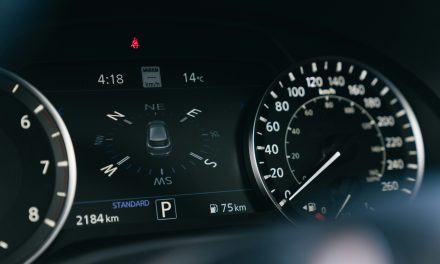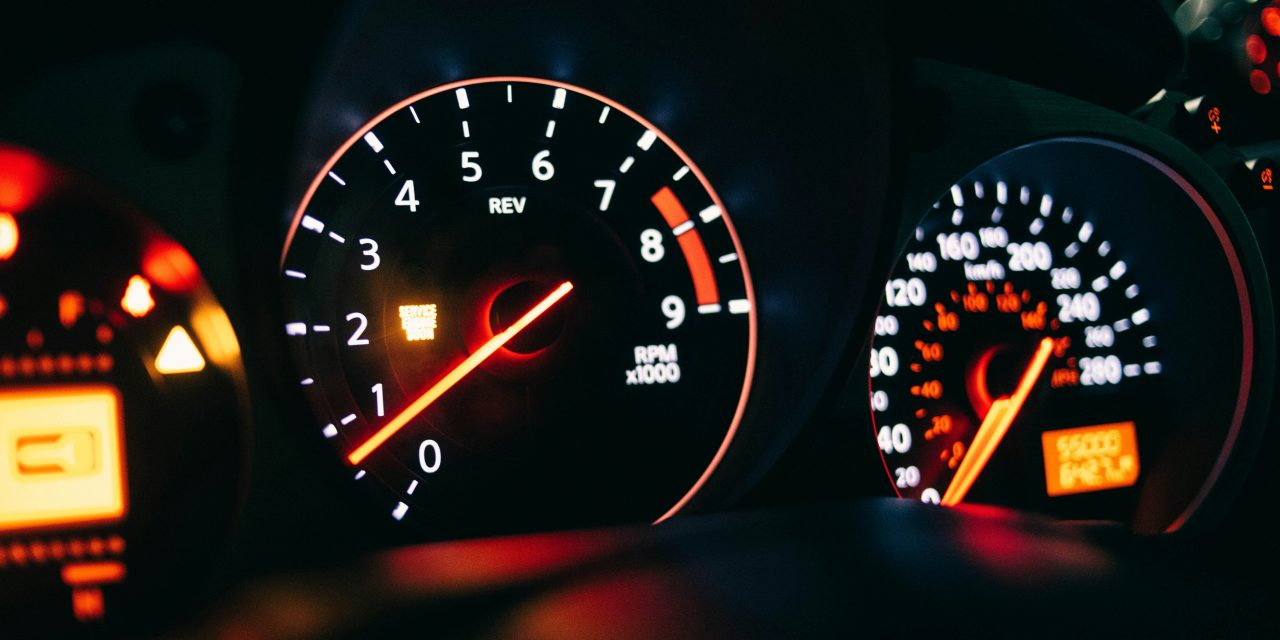
The battery light indicator is a crucial component of a vehicle’s dashboard, serving as an alert system for the driver regarding the health of the electrical system. When illuminated, this warning light signifies that the vehicle’s battery is not receiving adequate charge from the alternator or that there is a malfunction within the charging system. The light can appear in various forms, typically as a battery symbol or the word “BATT,” and its activation should never be ignored.
Understanding the implications of this warning light is essential for maintaining vehicle performance and safety. Ignoring the battery light can lead to more severe issues, including complete electrical failure, which could leave a driver stranded. It is advisable to address any illumination of this light promptly, as it often indicates underlying problems that could escalate if left unattended.
If you’re wondering why your battery light is on while driving, it’s essential to understand the potential issues that could be affecting your vehicle’s electrical system. A related article that provides valuable insights into this topic can be found here: Why is My Battery Light On While Driving?. This article discusses common causes of battery light activation, such as alternator failure, battery issues, and wiring problems, helping you diagnose the situation effectively.
The Role of the Alternator in Your Vehicle
The alternator plays a pivotal role in a vehicle’s electrical system, converting mechanical energy into electrical energy to recharge the battery and power various electrical components while the engine is running. Typically driven by the engine’s crankshaft via a serpentine belt, the alternator generates alternating current (AC), which is then converted to direct current (DC) by the rectifier for use in the vehicle’s electrical systems.
A properly functioning alternator ensures that the battery remains charged and that all electrical components, such as headlights, infotainment systems, and climate control, operate efficiently. If the alternator fails or operates below optimal levels, it can lead to insufficient power supply, resulting in dimming lights, malfunctioning electronics, and ultimately triggering the battery light indicator on the dashboard.
Loose or Corroded Battery Connections

Loose or corroded battery connections are common culprits behind battery light activation. The battery terminals must maintain a secure connection to ensure optimal electrical flow. Over time, corrosion can build up on the terminals, creating resistance that impedes current flow. This resistance can lead to insufficient charging of the battery and may cause the battery light to illuminate.
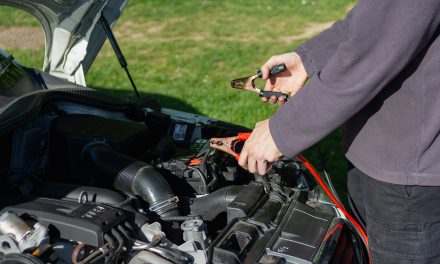
To address this issue, regular inspection of battery terminals is essential. Cleaning corroded terminals with a mixture of baking soda and water can help restore conductivity. Additionally, ensuring that connections are tight and secure will prevent future occurrences of this problem. If corrosion persists or connections remain loose despite tightening, it may be necessary to replace the battery cables or terminals altogether.
Faulty or Worn-Out Serpentine Belt

The serpentine belt is integral to the operation of various engine components, including the alternator. A worn-out or faulty serpentine belt can slip or break, leading to a loss of power generation from the alternator. This situation can trigger the battery light indicator as the electrical system fails to receive adequate power.
Regular inspection of the serpentine belt for signs of wear, such as cracks or fraying, is crucial for preventing potential failures. If any damage is detected, replacing the serpentine belt promptly will ensure that all connected components function correctly. It is advisable to follow manufacturer recommendations regarding replacement intervals to maintain optimal performance.
If you’ve ever wondered why your battery light is on while driving, it’s essential to understand the potential issues that could be affecting your vehicle. A common reason for this warning light is a failing alternator, which may not be charging the battery properly. For more insights on related automotive concerns, you can check out this informative article on dog boarding that highlights the importance of keeping your vehicle in top shape before heading out for any trips. Addressing battery issues promptly can save you from unexpected breakdowns and ensure a smoother driving experience.
Problems with the Voltage Regulator
The voltage regulator is responsible for maintaining a consistent voltage level within the vehicle’s electrical system. If this component malfunctions, it can lead to overcharging or undercharging of the battery, both of which can activate the battery light indicator. An overcharged battery may swell or leak, while an undercharged battery can lead to starting issues and diminished electrical performance.
Diagnosing voltage regulator problems typically requires specialized equipment to measure voltage output accurately. If a malfunction is suspected, replacing the voltage regulator may be necessary to restore proper charging levels and prevent further damage to the battery and electrical system.
Dead or Dying Battery Issues
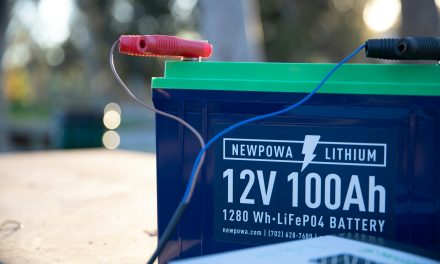
A dead or dying battery is one of the most common reasons for a battery light activation. Batteries have a finite lifespan, typically ranging from three to five years, depending on usage and environmental conditions. As batteries age, their ability to hold a charge diminishes, leading to potential starting issues and electrical failures.
To mitigate these issues, regular testing of battery health is recommended. Many auto parts stores offer free battery testing services that can determine whether a battery is still viable or needs replacement. If a battery shows signs of weakness or fails testing, replacing it with a new one will ensure reliable vehicle operation.
Malfunctioning Alternator Pulley or Bearings
The alternator pulley and bearings are critical components that facilitate smooth operation of the alternator. If either part malfunctions due to wear or damage, it can hinder the alternator’s ability to generate power effectively. Symptoms may include unusual noises from the engine compartment or visible wear on the pulley itself.
Addressing issues with the alternator pulley or bearings typically involves inspecting these components for signs of wear and replacing them if necessary. Regular maintenance checks can help identify potential problems before they escalate into more significant issues that could affect overall vehicle performance.
Electrical System Drain or Short Circuits
An electrical system drain or short circuit can lead to unexpected battery light activation by drawing excessive power from the battery without proper recharging from the alternator. Common causes include malfunctioning accessories, such as lights left on overnight or faulty wiring that creates unintended pathways for current flow.
To diagnose these issues, it is essential to conduct a thorough inspection of all electrical components and wiring within the vehicle. Identifying and rectifying any short circuits or excessive drains will restore normal function and prevent further complications related to battery performance.
Impact of Extreme Weather on Battery Performance
Extreme weather conditions can significantly impact battery performance and longevity. Cold temperatures can reduce a battery’s capacity to hold a charge, while excessive heat can accelerate chemical reactions within the battery, leading to premature failure. Both scenarios can contribute to activation of the battery light indicator.
To mitigate these effects, it is advisable to take preventive measures such as parking in shaded areas during hot weather and using insulated covers during cold months. Additionally, regular maintenance checks during seasonal transitions can help ensure that batteries remain in optimal condition regardless of external conditions.
Importance of Regular Battery and Charging System Maintenance
Regular maintenance of both the battery and charging system is vital for ensuring reliable vehicle operation. This includes routine inspections of battery terminals for corrosion, checking fluid levels in maintenance-free batteries, and testing overall system performance at least once a year.
Implementing a proactive maintenance schedule can help identify potential issues before they escalate into more significant problems that could compromise vehicle safety and reliability. Keeping records of maintenance activities will also assist in tracking performance trends over time.
When to Seek Professional Help for Battery Light Issues
While many battery-related issues can be addressed through DIY methods, there are instances when professional assistance is warranted. If the battery light remains illuminated after performing basic checks or if multiple symptoms arise simultaneously—such as dimming lights and starting difficulties—consulting with an automotive technician is advisable.
Professional mechanics possess specialized diagnostic tools that can accurately identify underlying issues within the electrical system. They can provide comprehensive solutions tailored to specific problems, ensuring that all components function harmoniously for optimal vehicle performance.
In summary, understanding the intricacies of your vehicle’s electrical system is essential for maintaining its reliability and safety. The activation of the battery light indicator serves as an important warning sign that should prompt immediate investigation into potential issues such as alternator failure, loose connections, or battery deterioration. Regular maintenance practices combined with timely professional assistance will ensure your vehicle remains in peak condition while minimizing unexpected breakdowns on the road.
FAQs
What does it mean when the battery light comes on while driving?
The battery light indicates that there is an issue with the vehicle’s charging system. This could mean that the battery is not being charged properly, which may be due to a faulty alternator, a bad battery, or issues with the electrical connections.
Can I continue driving if the battery light is on?
While you may be able to continue driving for a short distance, it is not advisable. Ignoring the battery light can lead to a complete loss of power, which could leave you stranded. It’s best to address the issue as soon as possible.
What are common causes of the battery light turning on?
Common causes include a failing alternator, a dead or weak battery, loose or corroded battery cables, or a malfunctioning voltage regulator. Each of these issues can prevent the battery from charging properly.
How can I diagnose the problem if my battery light is on?
You can start by checking the battery connections for corrosion or looseness. If they appear fine, you may need to test the battery and alternator with a multimeter or take your vehicle to a mechanic for a thorough inspection.
What should I do if my battery light stays on after I turn off the engine?
If the battery light remains on after turning off the engine, it could indicate a problem with the battery or electrical system. It’s advisable to have the vehicle checked by a professional mechanic to prevent further issues.