Indoor plants have transcended their role as mere decorative elements in our homes; they have become essential components of modern living spaces. The significance of incorporating greenery into indoor environments is underscored by a growing body of research that highlights their multifaceted benefits. From enhancing aesthetic appeal to improving air quality, indoor plants contribute to a healthier and more vibrant living atmosphere. As urbanization continues to rise, the need for natural elements within our homes becomes increasingly critical, offering a sanctuary from the concrete jungle outside.
Moreover, the psychological advantages of indoor plants cannot be overstated. Studies indicate that the presence of greenery can reduce stress levels, enhance mood, and even boost productivity. The act of caring for plants fosters a sense of responsibility and connection to nature, which can be particularly beneficial in today’s fast-paced, technology-driven world. By integrating indoor plants into our living spaces, we not only beautify our surroundings but also cultivate a more harmonious and balanced lifestyle.
The Benefits of Having Indoor Plants
The advantages of having indoor plants extend far beyond aesthetics. One of the most significant benefits is their ability to purify the air. Plants such as the Peace Lily and Snake Plant are known for their air-filtering properties, effectively removing toxins like formaldehyde, benzene, and carbon monoxide from the environment. This natural filtration system contributes to improved indoor air quality, which is crucial for respiratory health and overall well-being.
In addition to air purification, indoor plants can also enhance humidity levels. Through a process known as transpiration, plants release moisture vapor into the air, which can alleviate dry skin, respiratory issues, and other discomforts associated with low humidity. Furthermore, the presence of greenery has been linked to increased productivity and creativity. Research has shown that individuals working in environments adorned with plants exhibit higher levels of concentration and cognitive function, making them more efficient in their tasks.
How to Choose the Right Indoor Plant for Your Home

Selecting the appropriate indoor plant involves considering several factors, including light availability, humidity levels, and personal preferences regarding maintenance. Understanding the specific conditions of your living space is paramount in ensuring the longevity and health of your chosen plants. For instance, if your home receives ample natural light, you may opt for sun-loving varieties such as succulents or Fiddle Leaf Figs. Conversely, if your space is dimly lit, low-light tolerant plants like Snake Plants or ZZ Plants would be more suitable.
Additionally, it is essential to assess your commitment to plant care. Some species require more attention than others; for example, tropical plants may need regular watering and humidity control, while hardy varieties like Pothos can thrive with minimal care. By aligning your lifestyle with the needs of your plants, you can create a flourishing indoor garden that enhances your living environment without overwhelming your schedule.
Fiddle Leaf Fig: The Fig Tree Favorite

The Fiddle Leaf Fig (Ficus lyrata) has gained immense popularity in recent years due to its striking appearance and dramatic foliage. Characterized by large, glossy leaves shaped like violins, this plant serves as a stunning focal point in any room. Native to West Africa, the Fiddle Leaf Fig thrives in bright, indirect light and requires consistent watering to maintain its lush appearance.
However, potential owners should be aware that this plant can be somewhat finicky. It is sensitive to changes in its environment and may drop leaves if subjected to drafts or sudden temperature fluctuations. To ensure optimal growth, it is advisable to rotate the plant regularly for even light exposure and to avoid overwatering, which can lead to root rot. With proper care, the Fiddle Leaf Fig can grow up to six feet tall indoors, making it a magnificent addition to any home.
Snake Plant: The Low-Maintenance Air Purifier
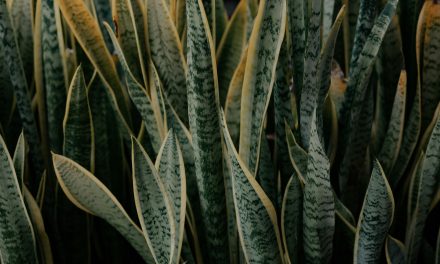
The Snake Plant (Sansevieria trifasciata), also known as Mother-in-Law’s Tongue, is celebrated for its resilience and air-purifying capabilities. This hardy succulent can thrive in a variety of lighting conditions, from low light to bright indirect sunlight, making it an ideal choice for beginners or those with busy lifestyles. Its upright leaves feature striking green and yellow variegation, adding visual interest to any space.
One of the most appealing aspects of the Snake Plant is its low maintenance requirements. It requires infrequent watering—typically every two to six weeks—allowing it to withstand periods of neglect. Additionally, this plant is known for its ability to convert carbon dioxide into oxygen at night through a process called CAM (Crassulacean Acid Metabolism), making it an excellent choice for bedrooms. With its unique appearance and minimal care needs, the Snake Plant is a perfect addition for anyone looking to enhance their indoor environment effortlessly.
Spider Plant: The Resilient and Stylish Choice
The Spider Plant (Chlorophytum comosum) is renowned for its adaptability and ease of care, making it a favorite among novice plant enthusiasts. This perennial plant features long arching leaves that are typically green with white stripes running down the center. Spider Plants are particularly effective at removing indoor pollutants such as formaldehyde and xylene from the air.
One of the most charming characteristics of the Spider Plant is its ability to produce “pups,” or baby plants that can be propagated easily. These pups dangle from long stems and can be replanted in soil or left attached to the mother plant for a cascading effect. Spider Plants thrive in bright indirect light but can also tolerate lower light conditions. Regular watering is essential; however, they prefer slightly dry soil between waterings. With their stylish appearance and resilience, Spider Plants are an excellent choice for adding greenery to any home.
Peace Lily: The Elegant Blooming Plant
The Peace Lily (Spathiphyllum spp.) is celebrated not only for its elegant white blooms but also for its remarkable air-purifying properties. This tropical plant thrives in low-light conditions and prefers consistently moist soil, making it an ideal choice for shaded areas within the home. The Peace Lily’s glossy green leaves provide a beautiful contrast to its striking white flowers, which bloom periodically throughout the year.
In addition to its aesthetic appeal, the Peace Lily is known for its ability to filter harmful toxins from the air, including ammonia and benzene. However, it is important to note that this plant is toxic if ingested by pets or humans; therefore, it should be placed out of reach of curious animals or children. Regularly wiping down the leaves will help maintain their luster while promoting healthy growth. With its combination of beauty and functionality, the Peace Lily is a sophisticated addition to any indoor space.
ZZ Plant: The Tough and Glossy Greenery
The ZZ Plant (Zamioculcas zamiifolia) has gained popularity due to its striking glossy leaves and remarkable resilience in various conditions. This drought-tolerant plant thrives in low-light environments and requires minimal watering—making it an excellent choice for those who may forget about their plants occasionally. Its thick stems store water efficiently, allowing it to survive extended periods without moisture.
ZZ Plants are also known for their air-purifying abilities; they effectively remove toxins such as xylene and toluene from indoor air. Their unique appearance adds a modern touch to any decor style while requiring little maintenance beyond occasional dusting of leaves. For optimal growth, place ZZ Plants in well-draining soil and avoid overwatering; they prefer dry conditions over soggy roots. With their tough nature and glossy foliage, ZZ Plants are perfect for busy individuals seeking low-maintenance greenery.
Pothos: The Versatile and Fast-Growing Vine
Pothos (Epipremnum aureum), often referred to as Devil’s Ivy or Golden Pothos, is one of the most versatile indoor plants available today. Known for its trailing vines adorned with heart-shaped leaves that come in various shades of green and yellow variegation, Pothos can thrive in diverse lighting conditions—from low light to bright indirect sunlight—making it suitable for nearly any room in the house.
This fast-growing vine is not only visually appealing but also effective at purifying indoor air by removing pollutants such as formaldehyde and benzene. Pothos can be propagated easily through cuttings placed in water or soil, allowing enthusiasts to expand their collection effortlessly. Regular watering is essential; however, this plant is forgiving if you occasionally forget to water it. With its adaptability and rapid growth rate, Pothos is an excellent choice for anyone looking to introduce greenery into their home.
Rubber Plant: The Bold and Beautiful Foliage
The Rubber Plant (Ficus elastica) stands out with its large, glossy leaves that can reach impressive sizes—making it a striking addition to any indoor space. Native to Southeast Asia, this plant thrives in bright indirect light but can also tolerate lower light conditions if necessary. Its dark green foliage adds depth and richness to interiors while serving as an effective air purifier.
Rubber Plants require moderate watering; allowing the top inch of soil to dry out between waterings helps prevent overwatering issues such as root rot. Additionally, these plants benefit from occasional pruning to maintain their shape and encourage bushier growth. With proper care, Rubber Plants can grow several feet tall indoors—creating a bold statement piece that enhances any room’s aesthetic appeal.
Aloe Vera: The Healing and Decorative Succulent
Aloe Vera (Aloe barbadensis miller) is not only known for its striking appearance but also for its numerous health benefits—making it a popular choice among indoor gardeners. This succulent features thick fleshy leaves that contain a gel-like substance renowned for its soothing properties on burns and skin irritations. Aloe Vera thrives in bright indirect sunlight and requires minimal watering due to its drought-resistant nature.
In addition to its medicinal uses, Aloe Vera serves as an effective air purifier by removing toxins from indoor environments while releasing oxygen during photosynthesis. It’s essential to use well-draining soil when potting Aloe Vera to prevent root rot caused by excess moisture retention. With its combination of beauty and practicality—alongside its healing properties—Aloe Vera makes an excellent addition to any home.
Boston Fern: The Lush and Air-Cleansing Greenery
The Boston Fern (Nephrolepis exaltata) is celebrated for its lush fronds that create a vibrant atmosphere within any indoor space. This fern thrives in humid environments with indirect light—making it ideal for bathrooms or kitchens where moisture levels are higher. Boston Ferns are particularly effective at removing formaldehyde from the air while also increasing humidity levels through transpiration.
To maintain optimal growth conditions for Boston Ferns, regular misting or placing them on pebble trays filled with water can help replicate their natural humid habitat. They prefer consistently moist soil; however, overwatering should be avoided as it can lead to root rot issues. With their lush foliage and air-purifying capabilities, Boston Ferns are an excellent choice for those seeking greenery that enhances both aesthetics and air quality.
Bringing Nature Indoors with the Best Plants
Incorporating indoor plants into our living spaces offers numerous benefits that extend beyond mere decoration; they enhance air quality while promoting mental well-being through their calming presence. From resilient varieties like Snake Plants and ZZ Plants to elegant blooms such as Peace Lilies and Fiddle Leaf Figs—there exists a diverse array of options suitable for every lifestyle.
By carefully selecting plants based on individual preferences regarding maintenance requirements and environmental conditions within our homes—we can create thriving indoor gardens that foster a deeper connection with nature while enriching our daily lives. Embracing greenery indoors not only beautifies our surroundings but also contributes positively towards our overall health—a testament to why indoor plants truly matter in today’s world.
### FAQ Section
1. **What are some easy-care indoor plants?**
– Some easy-care options include Snake Plants, ZZ Plants, Pothos, Spider Plants, and Aloe Vera.
2. **How often should I water my indoor plants?**
– Watering frequency varies by species; generally speaking, allow the top inch of soil to dry out before watering again.
3. **Can indoor plants improve air quality?**
– Yes! Many indoor plants like Peace Lilies and Snake Plants effectively filter toxins from the air.
4. **Are there any toxic indoor plants?**
– Yes; some common toxic plants include Peace Lilies (to pets), Philodendrons (to pets), and Oleander (to humans).
5. **How do I propagate my indoor plants?**
– Many plants like Pothos can be propagated through cuttings placed in water or soil until roots develop.
6. **What type of light do indoor plants need?**
– Light requirements vary; some thrive in bright indirect light while others prefer low-light conditions.
7. **How do I know if my plant needs more light?**
– Signs include leggy growth (stretched stems), pale leaves or leaf drop indicating insufficient light exposure.
8. **Can I keep my indoor plants outside during summer?**
– Yes! Many houseplants enjoy summer outdoors but should be acclimated gradually to prevent shock from direct sunlight exposure.
9. **What should I do if my plant has pests?**
– Inspect regularly; treat infestations with insecticidal soap or neem oil as needed while isolating affected plants until resolved.
10. **How do I choose the right potting mix?**
– Select potting mixes based on plant type; cacti/succulents require well-draining mixes while ferns prefer moisture-retaining blends.
In summary, integrating indoor plants into our homes not only enhances aesthetics but also promotes health benefits such as improved air quality and reduced stress levels—making them invaluable companions in our daily lives.
FAQs
What are the ideal conditions for growing a fig tree indoors?
Fig trees thrive in bright, indirect sunlight and prefer temperatures between 60°F to 75°F (15°C to 24°C). They also require well-draining soil and should be watered when the top inch of soil feels dry. Maintaining humidity levels around 40-60% can also benefit the plant.
How often should I water my indoor fig tree?
Indoor fig trees should be watered when the top inch of soil is dry to the touch. This typically means watering every 1-2 weeks, but the frequency may vary depending on the humidity and temperature of your home. Overwatering can lead to root rot, so it’s important to ensure proper drainage.
Can fig trees produce fruit indoors?
Yes, fig trees can produce fruit indoors, but it may take several years for them to do so. Providing adequate light, warmth, and proper care will increase the chances of fruit production. Some varieties, like the ‘Petite Negra’ or ‘Little Miss Figgy,’ are better suited for indoor growing and may yield fruit more readily.
What type of soil is best for an indoor fig tree?
A well-draining potting mix is ideal for indoor fig trees. A blend of potting soil, perlite, and compost can provide the necessary drainage and nutrients. Avoid heavy soils that retain too much moisture, as this can lead to root problems.
How do I prune my indoor fig tree?
Pruning should be done in late winter or early spring before new growth begins. Remove any dead or damaged branches and thin out crowded areas to improve air circulation. You can also trim back the tips of branches to encourage bushier growth and maintain the desired shape of the tree.