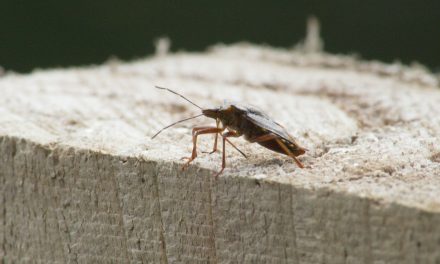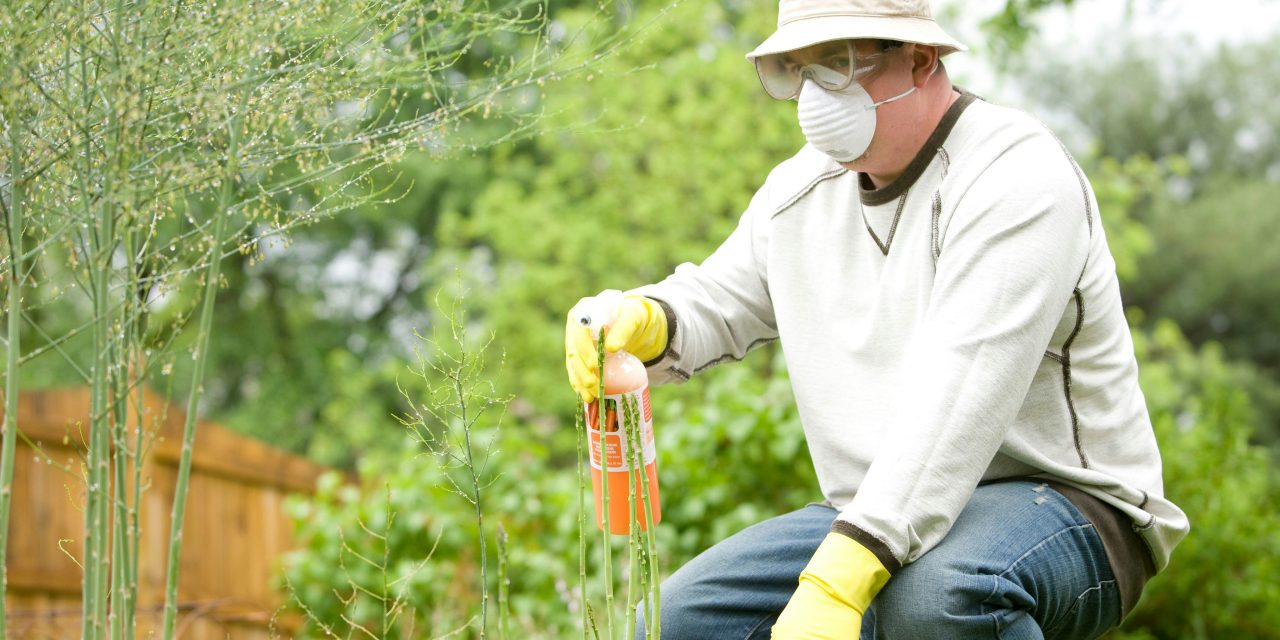
Household pests are a significant concern for homeowners, as they can cause damage to property and pose health risks. Common pests include rodents, insects, and arachnids, each presenting unique challenges. Rodents such as mice and rats are notorious for their ability to reproduce rapidly and can contaminate food supplies with their droppings. Insects like cockroaches, ants, and termites can compromise structural integrity and spread diseases. Arachnids, including spiders, may not be harmful but can induce anxiety in many individuals.
Understanding the biology and behavior of these pests is crucial for effective management. For instance, cockroaches thrive in warm, humid environments and are nocturnal, making them difficult to spot during the day. Termites, on the other hand, are social insects that live in colonies and can cause extensive damage to wooden structures if left unchecked. By recognizing the signs of infestation—such as droppings, nests, or damage—homeowners can take proactive measures to mitigate these issues before they escalate.
If you’re interested in enhancing your gardening experience while keeping pests at bay, you might find this article on raised garden bed depths particularly useful. Understanding the right depth for your garden beds can significantly impact plant health and resilience against pests. For more insights, check out the article here: Top 7 Raised Garden Bed Depths for Thriving Plants.
Sealing Entry Points: Doors and Windows
One of the most effective strategies for pest prevention is sealing entry points around the home. Doors and windows are primary access points for many pests, including insects and rodents. Homeowners should inspect these areas for gaps or cracks that could serve as entryways. Weather stripping and door sweeps can be installed to create a tighter seal, while caulking can fill in any gaps around window frames or siding.
Additionally, screens on windows should be intact and free from holes to prevent insects from entering. Regular maintenance of these barriers is essential; even small openings can provide sufficient access for pests. By ensuring that doors and windows are properly sealed, homeowners can significantly reduce the likelihood of infestations.
Maintaining Cleanliness to Deter Bugs

A clean home is less attractive to pests, making cleanliness a cornerstone of pest prevention. Regular cleaning routines should include vacuuming carpets, sweeping floors, and wiping down surfaces to eliminate crumbs and spills that attract insects. Special attention should be paid to kitchens and dining areas where food is prepared and consumed.
Moreover, clutter can provide hiding spots for pests. Keeping areas organized and minimizing clutter reduces potential nesting sites for rodents and insects. Regularly disposing of trash and ensuring that garbage bins are sealed can further deter pests from making your home their habitat. By fostering a clean environment, homeowners can create an inhospitable atmosphere for unwanted visitors.
Using Natural Repellents Around Your Home

Natural repellents offer an eco-friendly alternative to chemical pesticides for pest control. Essential oils such as peppermint, lavender, and tea tree oil have been shown to repel various insects due to their strong scents. These oils can be diluted with water and sprayed around entry points or areas where pests are commonly seen.
In addition to essential oils, diatomaceous earth is a natural powder that can be sprinkled in areas prone to insect activity. This substance is harmless to humans and pets but lethal to insects with exoskeletons, such as ants and cockroaches. Utilizing these natural methods not only helps in pest control but also promotes a healthier living environment free from harsh chemicals.
For those interested in effective DIY pest prevention strategies, understanding the importance of maintaining a clean environment is crucial. A related article discusses the signs that indicate it’s time to clean your throttle body, which can also be a metaphor for keeping your home free of unwanted pests. You can read more about this essential maintenance by visiting this helpful resource. Keeping your living space tidy not only enhances your comfort but also reduces the likelihood of pest infestations.
Proper Food Storage Techniques
Proper food storage is critical in preventing pest infestations. Many household pests are attracted to food sources, so it is essential to store food items in airtight containers made of glass or plastic. This practice not only keeps food fresh but also prevents pests from accessing it.
Additionally, perishable items should be stored in the refrigerator or freezer promptly after purchase. Regularly checking expiration dates and discarding spoiled food can further reduce attractants for pests. By implementing effective food storage techniques, homeowners can significantly decrease the likelihood of attracting unwanted critters into their homes.
Managing Moisture and Fixing Leaks
Moisture control is vital in pest management, as many pests thrive in damp environments. Homeowners should regularly inspect plumbing fixtures for leaks and repair any issues promptly. Areas such as basements, attics, and crawl spaces should be well-ventilated to prevent humidity buildup.
Using dehumidifiers in particularly damp areas can help maintain optimal moisture levels. Additionally, ensuring that gutters are clean and functioning properly will prevent water accumulation around the foundation of the home. By managing moisture effectively, homeowners can create an environment that is less conducive to pest infestations.
Regular Yard Maintenance and Landscaping
Outdoor spaces play a significant role in pest control strategies. Regular yard maintenance is essential for preventing pests from migrating indoors. Keeping grass trimmed and shrubs pruned reduces hiding spots for rodents and insects. Additionally, removing debris such as fallen leaves or wood piles can eliminate potential nesting sites.
Planting pest-repelling plants like marigolds or citronella around the perimeter of the yard can also deter insects naturally. Furthermore, maintaining a distance between mulch or soil beds and the foundation of the home minimizes the risk of pests entering through cracks or gaps. By investing time in yard maintenance, homeowners can create a barrier against potential infestations.
Setting Up DIY Pest Traps
DIY pest traps are an effective way to monitor and control pest populations within the home. Simple traps can be made using household items; for example, a mixture of sugar water and yeast can attract fruit flies while trapping them in a jar. Similarly, sticky traps can be placed in areas where pests are frequently observed.
For rodents, snap traps baited with peanut butter or cheese can effectively capture mice or rats without the use of harmful chemicals. It is essential to place traps strategically in areas where signs of pest activity have been noted. Regularly checking these traps allows homeowners to assess the level of infestation and take appropriate action.
Utilizing Essential Oils for Pest Control
Essential oils have gained popularity as a natural method for pest control due to their effectiveness and pleasant aromas. Oils such as eucalyptus, clove, and lemon have been shown to repel various insects when used correctly. These oils can be mixed with water in a spray bottle and applied around entry points or areas where pests are commonly found.
In addition to repelling insects, certain essential oils possess antimicrobial properties that contribute to overall home hygiene. For example, tea tree oil not only deters pests but also helps eliminate mold and mildew when used in cleaning solutions. By incorporating essential oils into pest management strategies, homeowners can achieve dual benefits—effective pest control alongside improved indoor air quality.
Inspecting and Cleaning Outdoor Trash Areas
Outdoor trash areas are prime locations for attracting pests if not properly maintained. Regular inspections of garbage bins should be conducted to ensure they are sealed tightly and free from leaks that could attract insects or rodents. Cleaning these areas frequently helps eliminate odors that may lure pests.
Using trash bags that are resistant to punctures can further deter animals from accessing waste materials. Additionally, placing bins away from the home’s foundation minimizes the risk of pests migrating indoors through gaps or cracks. By maintaining cleanliness in outdoor trash areas, homeowners can significantly reduce the likelihood of attracting unwanted pests.
When to Call a Professional for Pest Issues
While many pest control measures can be implemented by homeowners themselves, there are instances when professional intervention is necessary. If an infestation is severe or persistent despite DIY efforts, it may be time to consult a pest control expert. Professionals possess specialized knowledge and tools that allow them to address infestations effectively.
Additionally, certain pests such as termites or bed bugs require targeted treatments that may not be achievable through standard methods. Professionals can conduct thorough inspections to identify hidden infestations and recommend appropriate treatment plans tailored to specific pest issues. By recognizing when to seek professional help, homeowners can ensure their living spaces remain safe and pest-free.
In summary, understanding common household pests is crucial for effective management strategies that include sealing entry points, maintaining cleanliness, utilizing natural repellents, proper food storage techniques, managing moisture levels, regular yard maintenance, setting up DIY traps, utilizing essential oils, inspecting outdoor trash areas, and knowing when to call professionals for assistance. By implementing these comprehensive measures, homeowners can create an inhospitable environment for pests while promoting a healthier living space overall.
FAQs
What are some common DIY pest prevention methods?
Common DIY pest prevention methods include sealing cracks and crevices, using natural repellents like essential oils, maintaining cleanliness to eliminate food sources, setting up traps, and using barriers such as screens on windows and doors.
How can I use essential oils for pest prevention?
Essential oils such as peppermint, lavender, and tea tree oil can be mixed with water and sprayed around the home to deter pests. These oils have strong scents that many insects find unpleasant, making them effective natural repellents.
What are some natural ingredients I can use to make pest repellents?
Natural ingredients for making pest repellents include vinegar, baking soda, diatomaceous earth, and citrus peels. These substances can be combined in various ways to create effective sprays or powders that deter pests.
How can I prevent pests from entering my home?
To prevent pests from entering your home, ensure that all windows and doors are properly sealed, install screens, repair any holes in walls or foundations, and keep outdoor areas tidy by removing debris and standing water.
Are there any specific plants that can help repel pests?
Yes, certain plants are known to repel pests. For example, marigolds can deter nematodes and aphids, while basil can repel flies and mosquitoes. Planting these around your garden or home can provide a natural barrier against pests.