Selecting the appropriate variety of potatoes is crucial for achieving the perfect roasted dish. The ideal candidates for roasting are starchy or all-purpose potatoes, which include varieties such as Russet, Yukon Gold, and Red potatoes. Russets are particularly favored for their high starch content, which contributes to a fluffy interior when cooked. Yukon Golds, on the other hand, offer a creamy texture and buttery flavor, making them a versatile choice. Red potatoes maintain their shape well during cooking, providing a delightful contrast in texture.
When choosing potatoes, it is essential to inspect them for blemishes, sprouts, or soft spots. Fresh potatoes should feel firm and have smooth skin. The size of the potatoes also matters; uniformity in size ensures even cooking. If you find larger potatoes, consider cutting them into smaller pieces to match the size of smaller ones. This attention to detail will enhance the overall quality of your roasted potatoes.
If you’re looking to elevate your culinary skills, mastering the art of crispy roasted potatoes in the oven is a must. For additional tips on enhancing your home experience, you might find this article on pet grooming helpful: 10 Easy DIY Pet Grooming Tips to Keep Your Pet Happy at Home. Not only will your potatoes be a hit at dinner, but your furry friends will also appreciate the extra care you give them!
Preparing Your Potatoes: Washing and Peeling
Once you have selected your potatoes, the next step involves thorough washing to remove any dirt or pesticides. Rinse each potato under cold running water, using a vegetable brush to scrub away any stubborn soil. This step is vital as it ensures that any contaminants are eliminated before cooking. If you prefer a rustic presentation, you can leave the skins on, as they add texture and nutrients. However, if you desire a smoother finish, peeling the potatoes is recommended.
Peeling can be accomplished using a vegetable peeler or a paring knife. When peeling, aim to remove only the skin without taking away too much of the flesh underneath. This preserves the potato’s natural flavor and nutrients. After washing and peeling, it is advisable to place the potatoes in a bowl of cold water to prevent oxidation, which can lead to browning. This simple step keeps your potatoes looking fresh and appetizing until you are ready to cut and cook them.
Cutting Potatoes for Optimal Crispiness

The manner in which you cut your potatoes significantly influences their texture during roasting. For optimal crispiness, it is recommended to cut them into uniform pieces, typically around 1 to 1.5 inches in size. This uniformity ensures that each piece cooks evenly, allowing for a consistent golden-brown exterior while maintaining a fluffy interior.
Different cutting techniques can yield various results. For instance, wedges provide a larger surface area for crisping, while cubes may cook faster due to their smaller size. Additionally, consider experimenting with shapes such as rounds or batons for visual appeal. Regardless of the shape chosen, ensure that all pieces are similar in size to avoid uneven cooking and achieve that coveted crispy texture.
Soaking Potatoes to Remove Excess Starch

Soaking potatoes before roasting is an effective technique to enhance their crispiness by removing excess starch. Starch can create a gummy texture when cooked, inhibiting the formation of a crispy crust. To soak your cut potatoes, place them in a bowl of cold water for at least 30 minutes or up to several hours if time permits.
During this soaking period, the water will draw out some of the starch from the potatoes. After soaking, drain the water and rinse the potatoes again under cold water to remove any remaining starch particles. This process not only improves texture but also helps achieve that desirable golden-brown color during roasting.
If you’re looking to elevate your culinary skills, mastering the art of crispy roasted potatoes in the oven is a must. For those interested in perfecting their side dishes, you might also find it helpful to explore how to properly store vegetables to maintain their freshness. This can significantly enhance your cooking experience, especially when it comes to ingredients like cucumbers. Check out this informative article on how to store cucumbers to prevent soft spots for tips that can keep your produce in top shape for your next meal.
Parboiling: The Secret to Fluffy Interiors
Parboiling is a technique that involves partially boiling the potatoes before roasting them in the oven. This method is particularly beneficial for achieving fluffy interiors while maintaining a crispy exterior. To parboil your potatoes, bring a pot of salted water to a rolling boil and add the cut potatoes.
Allow them to boil for approximately 5-10 minutes, depending on their size. You want them to be tender but not fully cooked; they should still hold their shape when removed from the water. After parboiling, drain the potatoes and let them steam dry for a few minutes before proceeding with roasting. This step creates steam within the potato, resulting in a light and airy texture once roasted.
Drying Potatoes Thoroughly Before Roasting
After parboiling or soaking your potatoes, it is essential to dry them thoroughly before roasting. Excess moisture on the surface can lead to steaming rather than roasting, preventing that desired crispiness from forming. To dry your potatoes effectively, spread them out on a clean kitchen towel or paper towels.
Pat them gently with another towel to absorb any remaining moisture. Alternatively, you can let them air dry for about 10-15 minutes. Ensuring that your potatoes are completely dry will significantly enhance their ability to crisp up in the oven.
Selecting the Best Oil and Seasonings
Choosing the right oil is paramount for achieving perfectly roasted potatoes. Oils with high smoke points such as canola oil, vegetable oil, or avocado oil are excellent choices as they can withstand high temperatures without burning. Olive oil is also popular due to its flavor profile; however, it has a lower smoke point and should be used with caution at high temperatures.
In terms of seasonings, simplicity often yields the best results. A combination of kosher salt and freshly cracked black pepper enhances the natural flavors of the potatoes without overpowering them. For added depth, consider incorporating garlic powder, onion powder, or fresh herbs such as rosemary or thyme. Tossing your potatoes with these seasonings ensures an even distribution of flavor throughout each piece.
Tossing Potatoes for Even Coating
Once you have selected your oil and seasonings, it’s time to toss your potatoes for an even coating. In a large mixing bowl, combine your cut and dried potatoes with the oil and seasonings of choice. Use your hands or a spatula to gently toss the ingredients together until each piece is evenly coated.
This step is crucial as it ensures that every potato receives an adequate amount of oil and seasoning, leading to uniform flavor and texture during roasting. Avoid overcrowding the bowl; if necessary, work in batches to ensure thorough coating without damaging the potato pieces.
Arranging Potatoes on the Baking Sheet
The arrangement of your potatoes on the baking sheet plays a significant role in achieving optimal roasting results. Begin by preheating your oven to 425°F (220°C) for maximum crispiness. Line a baking sheet with parchment paper or aluminum foil for easy cleanup and to prevent sticking.
Spread the coated potatoes in a single layer on the baking sheet, ensuring they are not overcrowded or touching each other. This spacing allows hot air to circulate around each piece, promoting even cooking and browning. If necessary, use multiple baking sheets to accommodate all your potatoes without compromising their roasting potential.
Roasting Temperature and Timing Tips
Roasting at the right temperature is essential for achieving that perfect balance between crispy exteriors and fluffy interiors. A temperature of 425°F (220°C) is ideal for roasting potatoes as it allows for rapid browning while ensuring thorough cooking inside.
The cooking time will vary depending on the size of your potato pieces; generally, they should roast for about 30-40 minutes. Halfway through cooking, flip the potatoes using a spatula or tongs to promote even browning on all sides. Keep an eye on them during the last few minutes of cooking; they should be golden brown and crispy when done.
Finishing Touches: Flipping and Serving Hot
As your roasted potatoes approach completion, flipping them halfway through cooking is crucial for achieving an even golden-brown color on all sides. Use a spatula or tongs to turn each piece gently without breaking them apart.
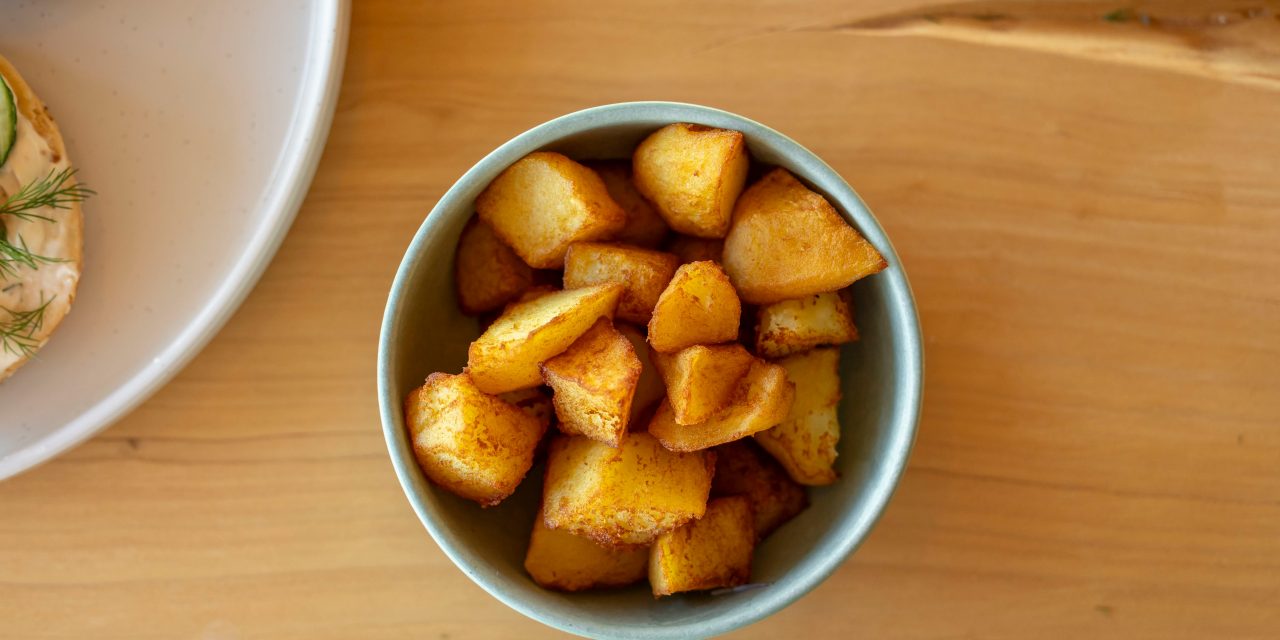
Once they are perfectly roasted and crispy, remove them from the oven and serve immediately while hot for maximum enjoyment. Garnish with fresh herbs like parsley or chives for an added touch of flavor and presentation. Roasted potatoes make an excellent side dish for various meals or can be enjoyed as a standalone snack.
In summary, mastering the art of roasting potatoes involves careful selection of varieties, thorough preparation techniques such as washing and soaking, precise cutting methods for optimal texture, and attention to detail during cooking processes like parboiling and drying. By following these steps diligently—from choosing quality ingredients to perfecting seasoning and roasting techniques—you can create deliciously crispy roasted potatoes that are sure to impress at any meal gathering or family dinner.
FAQs
What type of potatoes are best for roasting?
For crispy roasted potatoes, starchy potatoes like Russets or Yukon Golds are ideal. They have a higher starch content, which helps achieve a fluffy interior while the exterior becomes crispy when roasted.
Should I soak potatoes before roasting?
Soaking potatoes in cold water for at least 30 minutes before roasting can help remove excess starch, leading to a crispier texture. After soaking, be sure to dry them thoroughly before seasoning and roasting.
What temperature should I roast potatoes at?
The optimal temperature for roasting potatoes is typically between 425°F to 450°F (220°C to 230°C). This high heat helps to create a crispy exterior while cooking the inside thoroughly.
How long should I roast potatoes for maximum crispiness?
Roasting potatoes for about 30 to 40 minutes is usually sufficient for achieving maximum crispiness. It’s important to toss them halfway through the cooking time to ensure even browning.
Can I use oil other than olive oil for roasting potatoes?
Yes, you can use other oils such as vegetable oil, canola oil, or even duck fat for roasting potatoes. Each oil will impart a slightly different flavor, but they all work well for achieving a crispy texture.