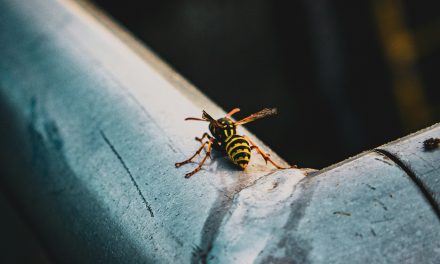
Bed bugs, scientifically known as Cimex lectularius, are small, parasitic insects that primarily feed on human blood. These nocturnal creatures are typically reddish-brown in color and can grow up to 5-7 mm in length. Their flat, oval bodies allow them to hide in the tiniest of crevices, making them particularly challenging to detect and eliminate. Bed bugs are not known to transmit diseases; however, their bites can lead to significant discomfort, including itching, inflammation, and secondary infections due to scratching.
The resurgence of bed bugs in recent years can be attributed to increased international travel, the rise of urban living, and the ineffectiveness of certain pesticides. They can be found in various environments, including homes, hotels, and public transportation. Understanding their life cycle is crucial for effective management; bed bugs undergo five nymphal stages before reaching adulthood, with females capable of laying up to 500 eggs in their lifetime. This rapid reproduction rate underscores the importance of early detection and intervention.
To effectively prevent bed bugs in your living space, it’s essential to maintain a clean environment and be vigilant about potential infestations. One helpful resource is an article that provides a comprehensive cleaning checklist for moving into a new apartment. This guide not only covers general cleaning tips but also emphasizes the importance of inspecting and preparing your new home to minimize the risk of bed bugs. You can read more about it in this article: Ultimate Move-In Cleaning Checklist for Your New Apartment.
Inspect Your Home Regularly for Early Signs
Regular inspections of your living space are essential for identifying bed bug infestations before they escalate. Begin by examining areas where you sleep, such as mattresses, box springs, and bed frames. Look for telltale signs like small blood stains on sheets or dark spots of excrement, which are indicative of bed bug activity. Additionally, inspect furniture, baseboards, and electrical outlets for any signs of these pests.
Utilizing a flashlight can enhance your inspection efforts, allowing you to spot bed bugs hiding in dark corners or crevices. Pay close attention to seams and folds in bedding and upholstery, as these are common hiding spots. If you suspect an infestation, consider using a magnifying glass to identify the insects more clearly. Early detection is key; the sooner you identify a problem, the easier it will be to manage.
Keep Your Bedroom Clutter-Free

Maintaining a clutter-free environment is a proactive measure against bed bug infestations. Clutter provides ample hiding spots for these pests, making it easier for them to thrive undetected. By minimizing unnecessary items in your bedroom, you reduce potential habitats for bed bugs and make inspections more manageable.
Organizing your belongings not only aids in pest control but also promotes overall cleanliness and hygiene. Store items in sealed containers and avoid placing clothing or personal items on the floor or bed. Regularly decluttering your space will help you maintain a vigilant eye for any signs of bed bugs while creating an environment that is less conducive to their survival.
Use Protective Covers on Mattresses and Pillows

Investing in high-quality protective covers for mattresses and pillows is an effective strategy for preventing bed bug infestations. These encasements create a barrier that prevents bed bugs from accessing your bedding while also trapping any existing pests inside, ultimately leading to their demise. Look for covers that are specifically designed to be bed bug-proof, featuring zippers that seal tightly.
When selecting protective covers, ensure they are made from durable materials that can withstand regular washing and wear. It is advisable to wash these covers periodically to maintain cleanliness and hygiene. By incorporating protective covers into your bedding routine, you significantly reduce the risk of bed bugs establishing a foothold in your home.
If you’re looking for effective strategies to prevent bed bugs in your home, it’s essential to stay informed about their behavior and habits. One helpful resource is an article that delves into the fascinating world of animal behavior, which can provide insights into how pests like bed bugs might operate in your environment. You can read more about this topic in the article on understanding tail movements in cats, which can shed light on animal instincts that might relate to pest behavior. For more information, check out the article here.
Wash and Heat-Dry Bedding Frequently
Regular laundering of bedding is a critical component of bed bug prevention. Washing sheets, pillowcases, and blankets in hot water (at least 60°C or 140°F) effectively kills any bed bugs or eggs present. Following the wash cycle with a heat-dry cycle further ensures that any remaining pests are eliminated due to the high temperatures.
In addition to bedding, consider washing other fabric items such as curtains and clothing that may have come into contact with infested areas. Establishing a routine laundry schedule—ideally once a week—will help keep your sleeping environment free from potential infestations. This practice not only aids in pest control but also contributes to overall cleanliness and comfort.
If you’re looking for effective strategies to prevent bed bugs, it’s essential to stay informed about various pest control methods. One helpful resource is an article that discusses the costs associated with dog grooming, which can provide insights into maintaining a clean environment that deters pests. You can read more about it here. Keeping your living space tidy and regularly inspecting for signs of bed bugs can significantly reduce the risk of an infestation.
Seal Cracks and Crevices in Walls and Furniture
Sealing cracks and crevices in walls and furniture is an essential step in preventing bed bug infestations. These pests are adept at hiding in tiny spaces, making it crucial to eliminate potential entry points into your home. Inspect walls, baseboards, and furniture for any gaps or openings that could serve as hiding spots for bed bugs.
Utilize caulk or sealant to fill in these cracks effectively. Pay special attention to areas around electrical outlets, plumbing fixtures, and baseboards where gaps may exist. By sealing these entry points, you create a less hospitable environment for bed bugs while also enhancing the overall integrity of your living space.
Be Cautious When Bringing Secondhand Items Indoors
Secondhand items can be a hidden source of bed bug infestations if not inspected thoroughly before bringing them into your home. Furniture, clothing, and other used items may harbor these pests without visible signs of infestation. To mitigate this risk, always inspect secondhand items carefully before purchase.
Look for signs such as dark spots or shed exoskeletons on furniture or clothing. If possible, treat secondhand items with heat or cold before introducing them into your home; exposing items to temperatures above 60°C (140°F) or below -18°C (0°F) can effectively kill any hidden bed bugs. Taking these precautions will help ensure that your home remains free from unwanted pests.
Inspect and Clean Travel Gear After Every Trip
Traveling can expose you to bed bugs lurking in hotels or public transportation systems. To prevent bringing these pests home with you, it is essential to inspect and clean your travel gear after every trip. Upon returning home, immediately check your luggage for any signs of bed bugs before bringing it indoors.
Consider using a vacuum cleaner with a HEPA filter to clean the exterior of your luggage thoroughly. Additionally, unpack your belongings directly into the washing machine if possible; this will allow you to wash clothing at high temperatures while minimizing the risk of infestation. By adopting these practices, you can significantly reduce the likelihood of introducing bed bugs into your living space.
Store Luggage Off the Floor and Away from Beds
When traveling or storing luggage at home, it is crucial to keep bags off the floor and away from beds to minimize the risk of bed bug infestations. Bed bugs are known to crawl onto luggage from infested surfaces; therefore, placing bags on elevated surfaces such as luggage racks or tables can help prevent contact with potential pests.
In hotel rooms, avoid placing luggage on beds or upholstered furniture; instead, use designated luggage racks or hard surfaces like countertops. When storing luggage at home between trips, consider keeping it sealed in plastic containers or bags to further reduce exposure to any potential infestations.
Use Bed Bug Interceptors Under Bed Legs
Bed bug interceptors are specialized devices designed to trap bed bugs attempting to climb onto your bed from the floor. These interceptors are placed under each leg of your bed frame and feature a design that allows bed bugs to enter but prevents them from escaping. Utilizing these devices can provide an early warning system for potential infestations while also reducing the likelihood of bites during sleep.
When selecting interceptors, ensure they are made from durable materials and have a design that effectively captures pests without allowing them to escape. Regularly check these devices for any signs of activity; if you notice bed bugs trapped inside, it may be time to take further action against an infestation.
Know When to Call a Professional Exterminator
While many preventive measures can be taken at home, there may come a time when professional intervention is necessary due to the severity of an infestation. Recognizing when to call a professional exterminator is crucial for effective management of bed bugs. Signs that indicate the need for professional assistance include widespread infestations that cannot be controlled through DIY methods or persistent bites despite taking preventive measures.
Professional exterminators utilize advanced techniques such as heat treatments, chemical applications, and vacuuming methods tailored specifically for bed bug eradication. They possess the expertise required to identify hidden infestations and implement comprehensive treatment plans that ensure complete elimination of these pests from your home.
In conclusion, understanding bed bugs and implementing preventive measures can significantly reduce the risk of infestations in your living space. Regular inspections, maintaining cleanliness, utilizing protective covers, and being cautious with secondhand items are all essential strategies for effective management. Should an infestation occur despite these efforts, knowing when to seek professional help will ensure that you regain control over your environment swiftly and efficiently.
### FAQ Section
1. **What do bed bug bites look like?**
Bed bug bites typically appear as small red welts or bumps on the skin that may be itchy or inflamed. They often occur in clusters or lines.
2. **Can I get rid of bed bugs on my own?**
While DIY methods can be effective for minor infestations, severe cases often require professional extermination services for complete eradication.
3. **How do I know if I have a bed bug infestation?**
Signs include bites on your skin upon waking up, blood stains on sheets, dark fecal spots on bedding or furniture, and visible live insects or shed skins.
4. **Are there any health risks associated with bed bug bites?**
While bed bugs do not transmit diseases directly, scratching bites can lead to secondary infections due to broken skin.
5. **What should I do if I find bed bugs while traveling?**
Notify hotel management immediately and request a room change if necessary. Inspect your luggage thoroughly before returning home.
6. **How often should I inspect my home for bed bugs?**
Regular inspections should be conducted at least once every few months or whenever you notice unexplained bites or signs of infestation.
7. **Can pets bring bed bugs into my home?**
While pets do not host bed bugs themselves, they can inadvertently carry them on their fur if they come into contact with infested areas.
8. **What types of professional treatments are available?**
Professional exterminators may use heat treatments, chemical sprays, vacuuming methods, or a combination of these techniques tailored to your specific situation.
9. **How long does it take to eliminate a bed bug infestation?**
The duration varies based on the severity of the infestation and treatment methods used; however, complete eradication may take several weeks.
10. **Are there any natural remedies for bed bugs?**
Some natural remedies include diatomaceous earth and essential oils like tea tree oil; however, their effectiveness may vary compared to professional treatments.
In summary, understanding the biology and behavior of bed bugs is essential for effective prevention and management strategies within your home environment. Regular inspections combined with proactive measures such as maintaining cleanliness and utilizing protective covers can significantly reduce the risk of infestations while ensuring comfort and safety in your living space.
FAQs
What are some effective ways to prevent bed bugs in your home?
To prevent bed bugs in your home, regularly inspect your sleeping areas, especially around the seams of mattresses and box springs. Use protective covers on mattresses and pillows, and keep your home clutter-free to reduce hiding spots. Vacuum frequently and seal any cracks or crevices in walls and furniture.
How can I prevent bed bugs when traveling?
When traveling, inspect hotel rooms for signs of bed bugs, such as dark spots on bedding or furniture. Keep your luggage off the floor and use luggage racks. Upon returning home, wash all clothing in hot water and inspect your luggage before bringing it inside.
Are there specific items that attract bed bugs?
Bed bugs are attracted to warmth and carbon dioxide, which is why they are often found near sleeping areas. They can also be drawn to clutter, as it provides hiding spots. Items like used furniture, clothing, and bedding can harbor bed bugs, so it’s essential to inspect these items before bringing them into your home.
Can bed bugs be prevented with chemical treatments?
Chemical treatments can help prevent bed bugs, but they should be used as part of a comprehensive prevention strategy. Insecticides specifically designed for bed bugs can be applied to areas where they are likely to hide. However, it’s crucial to follow the manufacturer’s instructions and consider hiring a professional pest control service for effective treatment.
What should I do if I suspect a bed bug infestation?
If you suspect a bed bug infestation, act quickly by thoroughly inspecting your home and identifying the affected areas. Wash and dry all bedding and clothing on high heat, and consider using bed bug traps. It may also be necessary to contact a pest control professional for a thorough inspection and treatment plan.