Siding serves as the first line of defense against environmental elements, protecting the structural integrity of a home. However, various issues can compromise its effectiveness, leading to potential damage and costly repairs. Common siding problems include warping, cracking, fading, and mold growth. Warping often occurs due to prolonged exposure to moisture or extreme temperature fluctuations, causing the material to bend or distort. Cracking can arise from physical impacts or the natural aging process of the siding material, while fading is typically a result of UV exposure over time. Mold growth, on the other hand, is frequently linked to inadequate ventilation and moisture retention.
Understanding these issues is crucial for homeowners aiming to maintain their property’s exterior. For instance, vinyl siding may become brittle and prone to cracking in colder climates, while wood siding can rot if not properly sealed and maintained. Identifying these problems early can prevent more extensive damage and ensure that the home remains aesthetically pleasing and structurally sound. Regular inspections and maintenance are essential in mitigating these common siding issues.
If you’re considering siding repair for your home, it’s important to ensure that your property is well-maintained in all aspects. A related article that offers valuable insights into another aspect of home care is “10 Essential Dog Nail Care Tips for Happy, Healthy Paws.” Proper maintenance extends beyond just the exterior of your house; it also includes taking care of your pets. You can read the article here: 10 Essential Dog Nail Care Tips for Happy, Healthy Paws.
Inspecting Your Siding Thoroughly
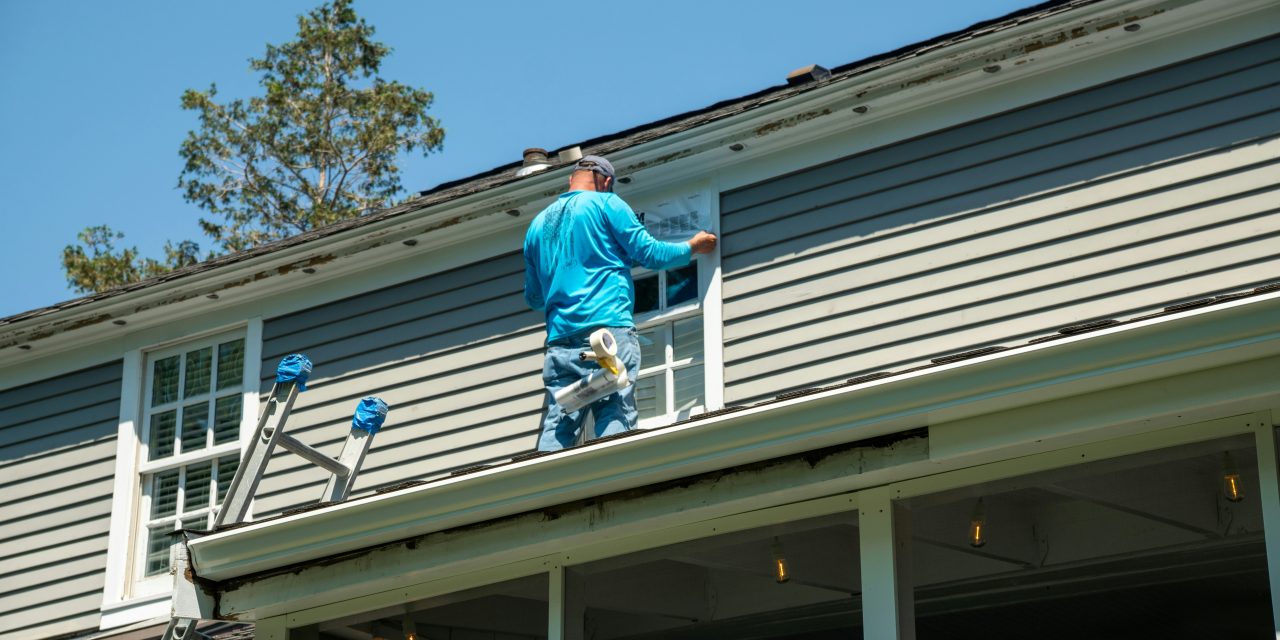
Conducting a thorough inspection of your siding is paramount in identifying potential problems before they escalate. Begin by examining the siding from various angles, looking for visible signs of damage such as cracks, holes, or discoloration. Pay close attention to areas where water may accumulate, such as around windows, doors, and gutters. These locations are often susceptible to moisture-related issues that can lead to rot or mold growth.
In addition to visual inspections, it is advisable to perform tactile assessments. Gently press on the siding to check for softness or sponginess, which may indicate underlying rot or water damage. Utilize a moisture meter to measure the moisture content in wooden siding; readings above 20% suggest excessive moisture levels that could lead to deterioration. Documenting your findings will help you prioritize repairs and track changes over time.
Choosing the Right Repair Materials

Selecting appropriate repair materials is critical for ensuring the longevity and effectiveness of your siding repairs. The choice of materials largely depends on the type of siding installed on your home—be it vinyl, wood, fiber cement, or metal. For instance, when repairing vinyl siding, it is essential to use matching panels or color-matched paint to maintain a cohesive appearance. Wood siding repairs may require high-quality wood filler or epoxy for filling cracks and holes.
Fiber cement siding necessitates specific caulking compounds designed for its unique properties, while metal siding repairs often involve specialized sealants that can withstand rust and corrosion. Additionally, consider the climate in your area when selecting materials; for example, using weather-resistant products in regions prone to heavy rainfall can significantly enhance durability. Investing in high-quality materials will not only improve the aesthetic appeal but also extend the lifespan of your repairs.
Preparing the Surface for Repair

Before initiating any repair work on your siding, proper surface preparation is essential for achieving optimal results. Begin by cleaning the area thoroughly to remove dirt, debris, and any loose paint or material. A pressure washer can be an effective tool for this task; however, care must be taken not to damage the siding during the cleaning process. For stubborn stains or mold growth, a mixture of water and mild detergent can be applied with a scrub brush.
Once the surface is clean and dry, inspect it for any additional damage that may need addressing before proceeding with repairs. If there are areas of rot or significant deterioration, these should be replaced entirely rather than patched. After ensuring that the surface is sound, sand any rough edges or surfaces to promote better adhesion of repair materials. This meticulous preparation will facilitate a smoother application process and enhance the overall durability of the repair.
If you’re considering hiring a handyman for siding repair, it’s essential to understand the various aspects involved in maintaining your home’s exterior. A well-informed decision can save you time and money in the long run. For more insights on home maintenance, you might find this article on best feeding bottles for kittens particularly interesting, as it highlights the importance of selecting the right tools and materials for any project, whether it’s for your pets or your home.
Fixing Cracks and Holes Effectively
Addressing cracks and holes in siding promptly is crucial for preventing further damage and maintaining energy efficiency within the home. For small cracks in wood siding, a high-quality wood filler can be applied using a putty knife; ensure that it is smoothed out evenly with the surrounding surface. Once dry, sand the area lightly before painting to achieve a seamless finish.
For larger holes or gaps, consider using a patching compound specifically designed for exterior use. Apply it generously into the hole and feather it out onto the surrounding area for a smooth transition. In cases where structural integrity is compromised, replacing the affected panel may be necessary. For vinyl siding, specialized repair kits are available that include patches and adhesives tailored for effective fixes without compromising aesthetics.
Replacing Damaged Siding Panels
When repairs are insufficient to restore damaged siding panels, replacement becomes necessary. Begin by removing the damaged panel carefully; this may involve unscrewing fasteners or gently prying it away from adjacent panels without causing further damage. Once removed, inspect the underlying structure for any signs of water damage or rot that may need addressing before installing new siding.
When selecting replacement panels, ensure they match both in material and color to maintain a uniform appearance across your home’s exterior. Installation typically involves sliding the new panel into place and securing it with appropriate fasteners while ensuring proper alignment with adjacent panels. It is vital to follow manufacturer guidelines during installation to ensure optimal performance and longevity of the new siding.
Sealing and Painting for Longevity
Sealing and painting your siding not only enhances its aesthetic appeal but also provides an additional layer of protection against environmental elements. For wood siding, applying a high-quality sealant can prevent moisture infiltration and prolong its lifespan significantly. Ensure that any existing paint is stripped away before applying a new coat; this will allow for better adhesion and a more uniform finish.
When painting vinyl or fiber cement siding, choose paints specifically formulated for exterior use that offer UV protection and weather resistance. A well-applied coat of paint can last several years if maintained properly; regular inspections should be conducted to identify any areas requiring touch-ups or reapplication. This proactive approach will help preserve both the appearance and functionality of your siding over time.
Maintaining Proper Drainage Around Siding
Proper drainage around your home’s siding is essential in preventing moisture-related issues such as rot and mold growth. Ensure that gutters are clean and functioning effectively to direct rainwater away from the foundation and siding areas. Downspouts should extend at least three feet away from the house to minimize water pooling near the base.
Additionally, landscaping should be designed with drainage in mind; avoid planting shrubs or flowers too close to the foundation as they can trap moisture against the siding. Installing drainage systems such as French drains can also help redirect excess water away from vulnerable areas. By maintaining proper drainage practices, homeowners can significantly reduce the risk of water damage to their siding.
Preventing Future Damage with Regular Upkeep
Regular maintenance is key to preventing future damage to your siding and ensuring its longevity. Establishing a routine inspection schedule—ideally twice a year—will allow you to catch minor issues before they escalate into major repairs. During these inspections, look for signs of wear such as peeling paint, cracks, or mold growth.
In addition to inspections, routine cleaning is essential in maintaining your siding’s appearance and functionality. Depending on your location and climate conditions, consider power washing your siding annually to remove dirt buildup and prevent mold growth. Furthermore, keeping vegetation trimmed back from your home’s exterior will help minimize moisture retention against the siding.
When to Call a Professional Handyman
While many homeowners can manage minor repairs independently, certain situations warrant professional assistance. If you encounter extensive damage that compromises structural integrity or if you lack experience with specific repair techniques, it may be prudent to consult a professional handyman or contractor specializing in siding repairs.
Additionally, if you notice persistent moisture issues despite your best efforts at maintenance or if you are unsure about selecting appropriate materials for repairs, seeking expert advice can save time and resources in the long run. Professionals possess the knowledge and tools necessary to address complex issues effectively while ensuring compliance with local building codes.
Enhancing Curb Appeal with Complementary Exterior Upgrades
Improving curb appeal goes hand-in-hand with maintaining your siding; complementary exterior upgrades can significantly enhance your home’s overall aesthetic value. Consider adding decorative elements such as shutters or trim that harmonize with your existing siding color while providing visual interest.
Landscaping improvements such as flower beds or decorative stones can also elevate your home’s exterior appeal while promoting proper drainage around your foundation. Additionally, upgrading outdoor lighting fixtures can create an inviting atmosphere during evening hours while highlighting architectural features of your home’s exterior.
In summary, understanding common siding issues is crucial for homeowners aiming to maintain their property’s exterior integrity effectively. Regular inspections and appropriate repairs can prevent extensive damage while enhancing curb appeal through complementary upgrades ensures lasting value for years to come.
FAQs
What types of siding can a handyman repair?
A handyman can repair various types of siding, including vinyl, wood, fiber cement, and aluminum. Each material requires specific techniques and tools for effective repair, so it’s essential to choose a handyman experienced with the type of siding on your home.
How do I know if my siding needs repair?
Signs that your siding may need repair include visible cracks, warping, peeling paint, mold or mildew growth, and gaps between panels. Additionally, if you notice increased energy bills or drafts inside your home, it may indicate that your siding is compromised.
Can I perform siding repairs myself, or should I hire a handyman?
While some minor repairs can be done by homeowners with basic DIY skills, hiring a handyman is often recommended for more extensive repairs. Professionals have the necessary tools, experience, and knowledge to ensure repairs are done correctly and safely, preventing further damage.
What is the average cost of siding repair by a handyman?
The average cost of siding repair can vary widely based on factors such as the type of siding, the extent of the damage, and local labor rates. Generally, homeowners can expect to pay between $300 to $1,500 for repairs, but it’s best to get a detailed estimate from a handyman for an accurate quote.
How long does siding repair typically take?
The duration of siding repair depends on the extent of the damage and the type of siding. Minor repairs may take a few hours, while more extensive work could take a day or more. A handyman can provide a time estimate based on the specific repairs needed for your siding.