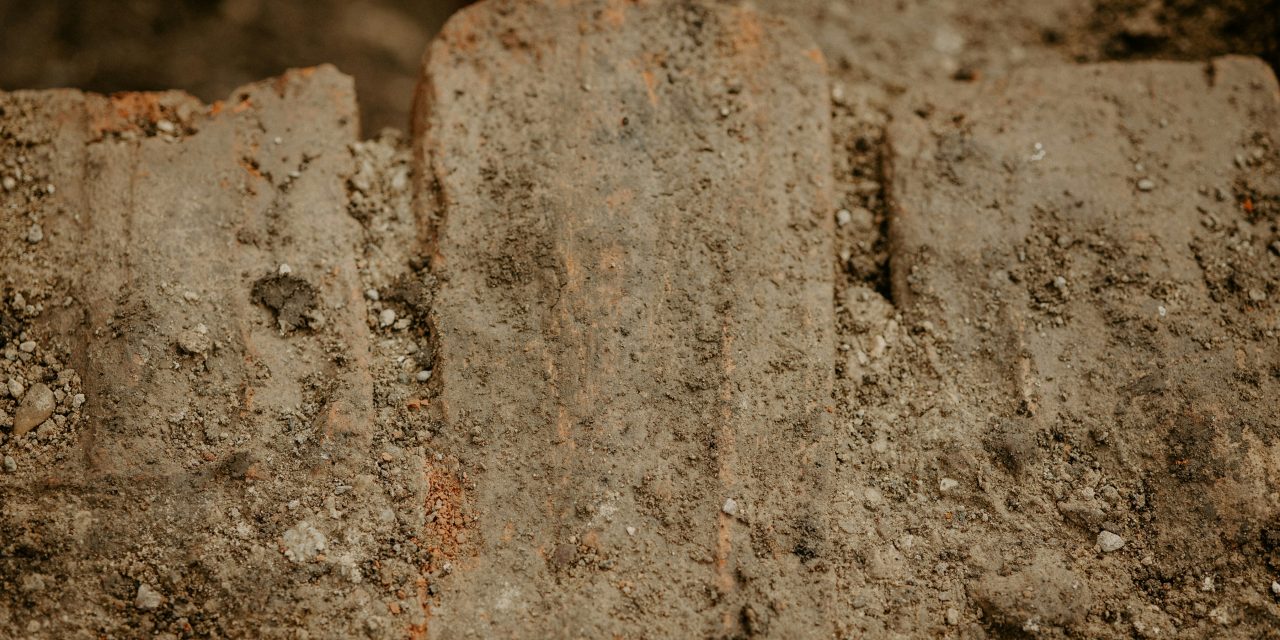
Clay soil is a type of soil characterized by its fine particles, which are less than 0.002 mm in diameter. This composition results in a dense, sticky texture that can be both a blessing and a curse for gardeners and landscapers. One of the primary characteristics of clay soil is its ability to retain moisture, which can lead to waterlogging during periods of heavy rainfall. This retention is due to the soil’s low permeability, making it difficult for water to drain away. Consequently, plants may suffer from root rot or other water-related diseases if they are not suited to such conditions.
Another challenge posed by clay soil is its tendency to compact easily. When wet, clay soil becomes malleable, but as it dries, it hardens significantly, creating a barrier that inhibits root growth and nutrient absorption. This compaction can lead to poor aeration, which is detrimental to plant health. Additionally, clay soil often has a high cation exchange capacity (CEC), meaning it can hold onto nutrients effectively; however, the availability of these nutrients can be limited due to poor drainage and aeration. Understanding these characteristics is crucial for developing effective strategies to manage clay soil in gardening and landscaping.
Testing Your Soil: How to Identify Clay Soil
Identifying clay soil is essential for implementing appropriate management practices. One of the simplest methods to test your soil is the “jar test.” To perform this test, collect a sample of your soil and place it in a clear jar filled with water. Shake the jar vigorously and allow it to settle for 24 hours. After settling, you will observe distinct layers: sand will settle at the bottom, silt in the middle, and clay at the top. If the top layer is significantly thicker than the others, you likely have clay soil.
Another method involves the “squeeze test.” Take a handful of moist soil and squeeze it tightly in your palm. If the soil forms a cohesive ball that retains its shape when released, it indicates a high clay content. Conversely, if it crumbles easily, your soil may contain more sand or silt. Additionally, observing the soil’s behavior during wet and dry conditions can provide insights into its composition. Clay soil tends to become muddy when wet and cracks when dry, further confirming its identity.
Adding Organic Matter: Compost and Manure Benefits

Incorporating organic matter into clay soil is one of the most effective strategies for improving its structure and fertility. Compost is a rich source of nutrients that enhances microbial activity in the soil, promoting better aeration and drainage. When added to clay soil, compost helps break up compacted particles, creating larger pore spaces that facilitate water movement and root penetration. This process not only improves drainage but also increases the soil’s ability to retain essential nutrients.
Manure is another valuable organic amendment that can significantly benefit clay soils. Well-rotted manure adds nutrients while also improving soil structure. The organic matter in manure helps bind soil particles together, creating aggregates that enhance aeration and drainage. Furthermore, manure introduces beneficial microorganisms that contribute to nutrient cycling and overall soil health. It is essential to use well-composted manure to avoid introducing pathogens or weed seeds into your garden.
Incorporating Gypsum to Improve Soil Structure

Gypsum (calcium sulfate) is a mineral that can be particularly beneficial for clay soils suffering from compaction and poor drainage. Unlike lime, which raises soil pH, gypsum helps improve soil structure without altering acidity levels. When applied to clay soils, gypsum works by displacing sodium ions from the clay particles, allowing them to flocculate or clump together. This process creates larger aggregates that enhance porosity and drainage.
The application of gypsum can also help reduce soil erosion by stabilizing the soil structure. It promotes better root development by allowing roots to penetrate deeper into the soil profile. For optimal results, gypsum should be applied at a rate of 1-2 tons per acre, depending on the severity of the clay issue. Regular applications can lead to long-term improvements in soil health and productivity.
Using Mulch to Regulate Moisture and Temperature
Mulching is an effective practice for managing clay soils by regulating moisture levels and temperature fluctuations. Organic mulches such as wood chips, straw, or shredded leaves help retain moisture in the soil by reducing evaporation rates. This is particularly beneficial for clay soils that tend to become waterlogged during heavy rains; mulch acts as a barrier that prevents excess moisture from reaching the surface.
In addition to moisture regulation, mulch also helps moderate soil temperature by insulating the ground during extreme weather conditions. This insulation protects plant roots from temperature extremes, promoting healthier growth. Furthermore, as organic mulches decompose over time, they contribute additional organic matter to the soil, enhancing its structure and nutrient content.
Creating Raised Beds for Better Drainage
Raised beds are an excellent solution for gardeners dealing with clay soils prone to waterlogging. By elevating the planting area above ground level, raised beds facilitate improved drainage and aeration. The increased height allows excess water to drain away more effectively than traditional garden plots, reducing the risk of root rot and other moisture-related issues.
When constructing raised beds, it is essential to use well-draining materials such as a mix of topsoil, compost, and other organic amendments. This combination not only improves drainage but also provides a nutrient-rich environment for plants to thrive. Additionally, raised beds can be designed with varying heights to accommodate different plant types and growing conditions.
Planting Cover Crops to Enhance Soil Health
Cover crops are an invaluable tool for enhancing soil health in clay environments. These crops are planted during fallow periods or off-seasons to prevent erosion, suppress weeds, and improve soil structure. Leguminous cover crops such as clover or vetch fix atmospheric nitrogen into the soil, enriching nutrient availability for subsequent crops.
Moreover, cover crops help break up compacted layers of clay through their root systems, promoting better drainage and aeration over time. When incorporated back into the soil at the end of their growing season, they contribute organic matter that enhances overall soil fertility. This practice not only improves crop yields but also fosters sustainable agricultural practices by reducing reliance on synthetic fertilizers.
Avoiding Soil Compaction with Proper Garden Practices
Soil compaction is a significant concern for gardeners working with clay soils; however, adopting proper gardening practices can mitigate this issue effectively. One of the most critical strategies is minimizing foot traffic on wet soils. Walking on saturated clay can lead to severe compaction that hampers root growth and water infiltration.
Utilizing designated pathways or stepping stones can help distribute weight more evenly across garden areas while protecting vulnerable planting zones from compaction damage. Additionally, using lightweight tools and equipment reduces pressure on the soil surface during maintenance activities. Implementing crop rotation practices also aids in preventing compaction by allowing different root structures to penetrate various layers of the soil.
Utilizing Sand and Grit to Improve Soil Texture
Incorporating sand or grit into clay soils can significantly improve texture and drainage capabilities. Sand particles are larger than clay particles; thus, their addition creates larger pore spaces within the soil matrix that facilitate better water movement and aeration. However, it is crucial to use coarse sand rather than fine sand; fine sand can exacerbate compaction issues rather than alleviate them.
When amending clay soils with sand or grit, it is recommended to mix these materials thoroughly with organic matter such as compost or well-rotted manure for optimal results. A general guideline is to incorporate one part sand or grit with two parts organic matter into the existing clay soil. This combination enhances both drainage and nutrient retention capabilities.
Regularly Aerating the Soil for Root Growth
Aeration is a vital practice for promoting healthy root growth in clay soils. By creating small holes or channels in the soil profile, aeration allows air exchange between the atmosphere and root zone while facilitating water infiltration. This process alleviates compaction issues that often plague clay soils.
There are various methods for aerating clay soils; one common approach involves using a garden fork or specialized aerator tool to create holes spaced approximately 6 inches apart across the garden area. For larger areas, mechanical aerators may be employed for efficiency. Regular aeration—ideally performed during spring or fall—can significantly enhance root development and overall plant health.
Choosing Plants That Thrive in Clay Soil Conditions
Selecting appropriate plant species is crucial when working with clay soils. Certain plants are well-adapted to thrive in these challenging conditions due to their tolerance for moisture retention and compacted environments. Native plants such as black-eyed Susans (Rudbeckia hirta), coneflowers (Echinacea purpurea), and daylilies (Hemerocallis spp.) are excellent choices as they have evolved alongside local soil types.
Additionally, many shrubs and trees exhibit resilience in clay soils; options like red maple (Acer rubrum), river birch (Betula nigra), and elderberry (Sambucus canadensis) can flourish despite heavy moisture levels. When selecting plants for your garden or landscape design, consider their specific requirements regarding drainage and moisture levels to ensure successful growth.
In summary, managing clay soils requires an understanding of their unique characteristics and challenges while implementing effective strategies for improvement. By testing your soil composition, adding organic matter like compost or manure, incorporating gypsum for structural enhancement, utilizing mulch for moisture regulation, creating raised beds for better drainage, planting cover crops for health enhancement, avoiding compaction through proper practices, utilizing sand or grit for texture improvement, regularly aerating for root growth promotion, and choosing suitable plants adapted to these conditions—gardeners can cultivate thriving landscapes even in challenging clay environments.
### FAQ Section
1. **What are the main characteristics of clay soil?**
– Clay soil has fine particles that create a dense texture with low permeability leading to poor drainage but high nutrient retention.
2. **How can I test if I have clay soil?**
– You can perform a jar test or squeeze test; both methods help determine if your soil has high clay content based on its behavior when wet.
3. **What organic matter should I add to improve my clay soil?**
– Compost and well-rotted manure are excellent choices as they enhance microbial activity while improving drainage and nutrient availability.
4. **How does gypsum help my clay soil?**
– Gypsum improves soil structure by displacing sodium ions from clay particles which allows them to flocculate together enhancing porosity.
5. **What types of mulch are best for regulating moisture?**
– Organic mulches like wood chips or straw are effective at retaining moisture while also providing insulation against temperature extremes.
6. **Why should I consider raised beds?**
– Raised beds improve drainage significantly compared to traditional plots making them ideal for managing waterlogged conditions typical of clay soils.
7. **What are cover crops?**
– Cover crops are plants grown during off-seasons that prevent erosion while enhancing nutrient availability through nitrogen fixation.
8. **How can I avoid compaction in my garden?**
– Minimize foot traffic on wet soils by using designated pathways or stepping stones; lightweight tools also help reduce pressure on vulnerable areas.
9. **Can I mix sand into my clay soil?**
– Yes! Incorporating coarse sand or grit improves texture but should be mixed with organic matter for optimal results.
10. **What plants thrive in clay soils?**
– Native plants like black-eyed Susans or coneflowers along with resilient trees like red maple are excellent choices for thriving in heavy moisture conditions.
In conclusion, managing clay soils effectively involves understanding their unique properties while employing various strategies such as organic amendments, proper planting techniques, and careful selection of plant species tailored to thrive under these conditions.
FAQs
What is clay soil and why is it challenging for gardening?
Clay soil is composed of very fine particles that are tightly packed together, which makes it dense and heavy. This type of soil has poor drainage and can retain too much moisture, leading to root rot and other issues for plants. Additionally, clay soil can become hard and compacted, making it difficult for roots to penetrate and access nutrients.
How can organic matter improve clay soil?
Adding organic matter, such as compost, well-rotted manure, or leaf mold, can significantly improve clay soil. Organic matter helps to break up the dense particles, enhancing soil structure and aeration. It also increases the soil’s ability to retain moisture while providing essential nutrients for plants, promoting healthier growth.
What are some effective amendments for clay soil?
In addition to organic matter, other effective amendments for clay soil include gypsum, which helps to improve soil structure and drainage without altering pH, and sand, which can help to break up compacted areas. However, it’s important to use these amendments in moderation and in combination with organic matter for the best results.
How can I improve drainage in clay soil?
To improve drainage in clay soil, consider creating raised beds or mounds to elevate the planting area. Additionally, incorporating organic matter and amendments like gypsum can help improve drainage. Installing drainage tiles or creating swales can also redirect excess water away from garden areas, further enhancing drainage.
What plants are suitable for clay soil?
Many plants thrive in clay soil, especially those that are adapted to wetter conditions. Some suitable options include native plants, such as black-eyed Susans, coneflowers, and daylilies. Additionally, vegetables like tomatoes, beans, and squash can also do well in amended clay soil, provided proper care is taken to improve its structure and drainage.