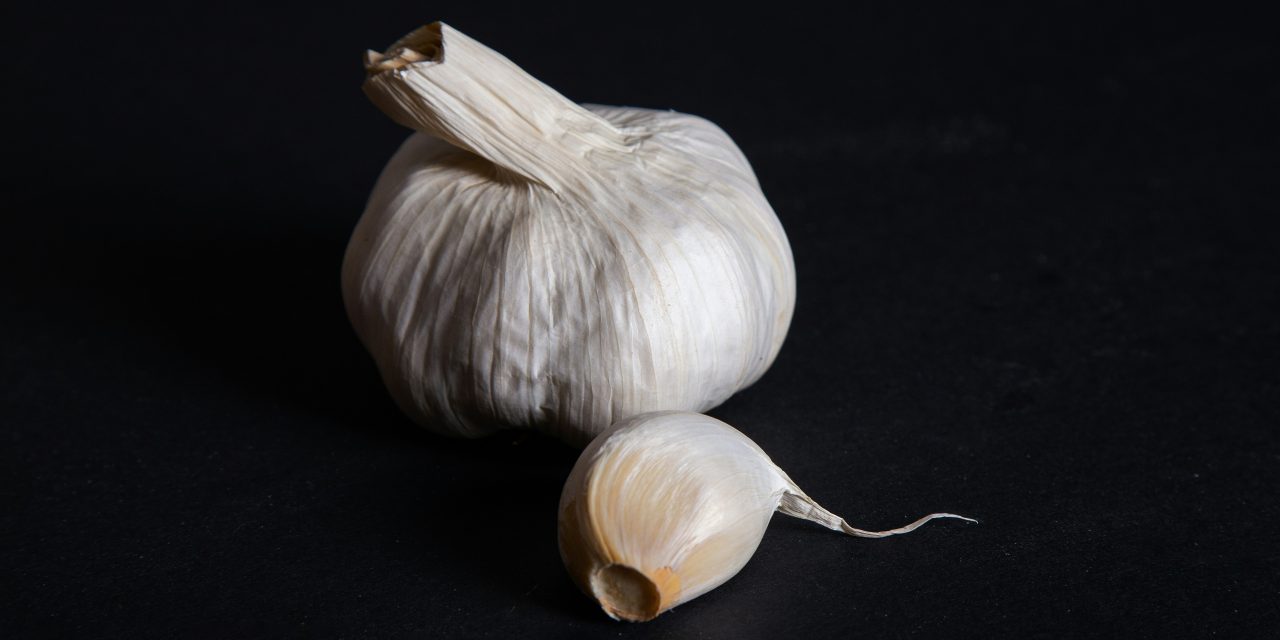
Garlic (Allium sativum) is a culinary staple renowned for its robust flavor and numerous health benefits, including antimicrobial properties and cardiovascular support. However, there are various reasons one might seek alternatives to this pungent bulb. Individuals with allergies or intolerances to garlic may experience adverse reactions, while others may simply wish to reduce their garlic intake for dietary or health reasons. Additionally, some recipes may call for a milder flavor profile, prompting the need for substitutes that can still deliver depth and complexity to dishes.
In culinary practices, the versatility of garlic is often matched by its substitutes, which can provide similar flavor profiles or enhance dishes in unique ways. Understanding these alternatives can empower cooks to maintain the integrity of their recipes while accommodating dietary restrictions or personal preferences. This article will explore various garlic substitutes, detailing their flavor characteristics, culinary applications, and potential health benefits.
If you’re looking for alternatives to fresh garlic in your cooking, you might find it helpful to explore various substitutes that can still enhance the flavor of your dishes. For instance, garlic powder, garlic salt, or even shallots can be great options. Additionally, if you’re interested in how to properly store cooked ingredients like pasta, you can check out this informative article on how long cooked pasta lasts in the fridge. For more details, visit this link.
Garlic Powder: The Pantry Staple Alternative
Garlic powder is a dehydrated form of garlic that retains much of the original bulb’s flavor while offering convenience and a longer shelf life. This finely ground powder is an excellent substitute for fresh garlic, particularly in recipes where a smooth texture is desired. It can be easily incorporated into marinades, sauces, and dry rubs, providing a concentrated garlic essence without the need for peeling or chopping.
When using garlic powder as a substitute, it is essential to consider the conversion ratio. Typically, one clove of fresh garlic equates to approximately 1/8 teaspoon of garlic powder. This substitution allows for precise flavor control while ensuring that dishes maintain their intended taste profile. Additionally, garlic powder is rich in antioxidants and may offer anti-inflammatory benefits, making it a health-conscious choice for those looking to enhance their meals without compromising on flavor.
Garlic Salt: Combining Flavor and Seasoning

Garlic salt is a blend of garlic powder and salt, making it a convenient option for those seeking both flavor and seasoning in one product. This combination not only imparts the characteristic taste of garlic but also enhances the overall seasoning of dishes. Garlic salt is particularly effective in seasoning meats, vegetables, and popcorn, providing a savory kick that elevates the overall flavor profile.
When substituting garlic salt for fresh garlic, it is crucial to adjust the amount of additional salt in the recipe to avoid over-seasoning. A general guideline is to use one teaspoon of garlic salt in place of one clove of fresh garlic while reducing other salt components accordingly. This substitution allows cooks to achieve a balanced flavor without overwhelming the dish with sodium. Furthermore, garlic salt can be an excellent option for those who prefer a milder garlic flavor, as the saltiness can temper the pungency typically associated with fresh garlic.
Garlic Flakes: A Dried Option for Texture

Garlic flakes are another dehydrated form of garlic that offers a unique texture and flavor profile. These small pieces of dried garlic can provide a more pronounced bite compared to garlic powder, making them an excellent choice for dishes where texture matters. Garlic flakes can be rehydrated in water or added directly to recipes, allowing them to infuse their flavor into soups, stews, and casseroles.
When substituting garlic flakes for fresh garlic, a general rule of thumb is to use one tablespoon of flakes in place of one clove. This conversion allows for an adequate infusion of flavor while maintaining the integrity of the dish’s texture. Additionally, garlic flakes retain many of the health benefits associated with fresh garlic, including potential cardiovascular support and immune-boosting properties.
If you’re looking for alternatives to fresh garlic in your cooking, you might find it helpful to explore various substitutes that can provide similar flavors and health benefits. One interesting option is garlic powder, which offers convenience and a longer shelf life. Additionally, you may want to consider other herbs and spices that can enhance your dishes. For more tips on creating a healthier home environment, you can check out this article on eco-friendly pest control methods that can complement your culinary adventures.
Shallots: A Milder Garlic-Like Flavor
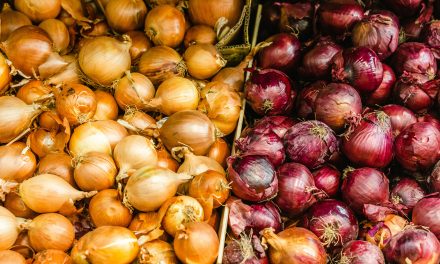
Shallots (Allium ascalonicum) are often regarded as a gourmet alternative to garlic due to their delicate flavor profile that combines sweetness with mild onion notes. Their subtle taste makes them an ideal substitute for those who find raw garlic too overpowering or pungent. Shallots can be used in various culinary applications, including dressings, sauces, and sautés, where they can impart a nuanced flavor without dominating the dish.
When substituting shallots for garlic, it is advisable to use approximately one medium shallot in place of one clove of garlic. This conversion allows for a balanced flavor that enhances rather than overwhelms other ingredients. Shallots also offer nutritional benefits; they are rich in vitamins A and C and contain antioxidants that may contribute to overall health.
Onion: The Everyday Substitute
Onions (Allium cepa) are ubiquitous in kitchens worldwide and serve as an excellent substitute for garlic due to their similar flavor profile within the Allium family. While onions lack the distinct pungency of garlic, they provide a savory depth that can enhance various dishes. They can be used in raw preparations like salads or cooked in soups, stews, and stir-fries.
When substituting onions for garlic, it is essential to consider the type of onion being used—yellow onions tend to have a stronger flavor compared to sweet varieties like Vidalia onions. A general guideline is to use one medium onion in place of three cloves of garlic. This substitution allows for a balanced flavor while ensuring that the dish remains flavorful and satisfying.
Chives: A Fresh, Mild Garlic Hint
Chives (Allium schoenoprasum) are an herbaceous plant that offers a mild onion-garlic flavor without the intensity associated with raw garlic. Their delicate green stalks can be finely chopped and used as a garnish or incorporated into dishes such as salads, omelets, and dips. Chives provide a fresh burst of flavor that complements various ingredients without overpowering them.
When using chives as a substitute for garlic, it is advisable to use approximately two tablespoons of chopped chives in place of one clove of garlic. This substitution allows cooks to achieve a subtle hint of garlic while maintaining the dish’s overall balance. Additionally, chives are low in calories and rich in vitamins A and K, making them a nutritious addition to meals.
Asafoetida: The Strong, Pungent Substitute
Asafoetida (Ferula assa-foetida), also known as hing, is a resin derived from the roots of certain plants native to Iran and Afghanistan. It possesses a strong aroma reminiscent of garlic and onions when cooked, making it an intriguing substitute for those seeking an intense flavor profile. Asafoetida is commonly used in Indian cuisine and can be found in powdered form.
When substituting asafoetida for fresh garlic, it is essential to use it sparingly due to its potent flavor; typically, just a pinch or 1/8 teaspoon is sufficient to replace one clove of garlic. This substitution not only provides a robust flavor but also offers potential digestive benefits due to its carminative properties. Asafoetida can be sautéed in oil before adding other ingredients to release its full flavor potential.
Garlic-Infused Oil: For Subtle Garlic Notes
Garlic-infused oil is created by steeping whole cloves or minced garlic in oil over low heat, allowing the oil to absorb the aromatic compounds without the harshness associated with raw garlic. This infusion provides a subtle yet distinct garlic flavor that can enhance dressings, marinades, and sautéed dishes without overwhelming other ingredients.
When using garlic-infused oil as a substitute for fresh garlic, it is advisable to use approximately one tablespoon of infused oil in place of one clove of garlic. This substitution allows cooks to achieve a nuanced flavor while benefiting from the oil’s versatility in cooking applications. Additionally, infused oils can be made at home using high-quality oils such as olive or avocado oil, providing both culinary delight and potential health benefits associated with healthy fats.
Leeks: A Sweet and Mild Alternative
Leeks (Allium ampeloprasum) are another member of the Allium family that offers a sweet and mild flavor reminiscent of both onions and garlic. Their tender texture makes them suitable for various culinary applications, including soups, stews, and sautés. Leeks can provide depth without overpowering other flavors in a dish.
When substituting leeks for garlic, it is advisable to use one medium leek in place of two cloves of garlic. This conversion allows for balanced flavors while maintaining the dish’s integrity. Leeks are also rich in vitamins A and K and contain beneficial compounds that may support heart health.
Ginger: A Different but Complementary Flavor
Ginger (Zingiber officinale) offers a unique flavor profile that differs significantly from garlic but can complement many dishes beautifully. Its spicy warmth adds depth to stir-fries, marinades, and soups while providing anti-inflammatory properties that may benefit overall health. Ginger can be used fresh or ground depending on the desired intensity.
When substituting ginger for garlic, it is advisable to use approximately one tablespoon of freshly grated ginger in place of one clove of garlic. This substitution allows cooks to explore new flavor dimensions while maintaining balance within their dishes. Ginger’s versatility makes it an excellent addition to both savory and sweet recipes alike.
Garlic Scapes: When Available, a Fresh Substitute
Garlic scapes are the flower stalks that emerge from hardneck varieties of garlic before they bloom. These tender green shoots possess a mild garlicky flavor that can serve as an excellent substitute when available during late spring and early summer months. Garlic scapes can be used raw in salads or cooked in stir-fries and pesto.
When substituting garlic scapes for fresh garlic cloves, it is advisable to use two scapes in place of one clove due to their milder taste profile. This substitution allows cooks to enjoy fresh seasonal ingredients while still achieving that characteristic garlicky essence in their dishes.
In summary, there are numerous alternatives available for those seeking substitutes for fresh garlic in their culinary endeavors. From pantry staples like garlic powder and salt to fresh herbs like chives and leeks, each option offers unique flavors and textures that can enhance dishes while accommodating dietary preferences or restrictions. Understanding these alternatives empowers cooks to maintain creativity in their kitchens while ensuring flavorful outcomes regardless of ingredient availability or personal taste preferences.
### FAQ Section
1. **Can I use onion powder instead of fresh garlic?**
Yes! Onion powder can be used as an alternative; however, it will impart an onion flavor rather than garlicky notes.
2. **How do I store dried substitutes like garlic powder or flakes?**
Store dried substitutes in an airtight container in a cool, dark place away from moisture to maintain freshness.
3. **Are there any health benefits associated with these substitutes?**
Many substitutes offer health benefits similar to those found in fresh garlic; for example, shallots contain antioxidants while ginger has anti-inflammatory properties.
4. **Can I use multiple substitutes together?**
Absolutely! Combining different substitutes can create complex flavors; just ensure they complement each other well.
5. **Is there any substitute I should avoid?**
While most substitutes work well together, avoid using overly strong flavors like asafoetida if you prefer milder tastes.
6. **How do I make my own garlic-infused oil?**
To make your own infused oil, gently heat olive oil with crushed or minced garlic over low heat until fragrant; strain before storing.
7. **What’s the best way to incorporate these substitutes into cooking?**
Consider when you add them during cooking; dried forms should be added earlier while fresh herbs should be added towards the end for maximum flavor retention.
8. **Can I use these substitutes in baking?**
Yes! Many substitutes work well in baking; however, consider how their flavors will interact with other ingredients.
9. **Are there any allergies associated with these substitutes?**
Some individuals may have allergies or intolerances specific to certain Allium species; always check with guests if serving food containing these ingredients.
10. **How do I know how much substitute to use?**
Start with smaller amounts than you would use for fresh garlic; you can always add more if needed after tasting your dish.
In conclusion, exploring various substitutes for fresh garlic opens up new culinary possibilities while accommodating diverse dietary needs or preferences. Each alternative brings its unique characteristics that can enhance flavors across countless recipes—ensuring every meal remains deliciously satisfying regardless of ingredient availability.
FAQs
What are some common substitutes for fresh garlic?
Common substitutes for fresh garlic include garlic powder, garlic salt, minced garlic from a jar, shallots, and leeks. Each of these alternatives can provide a similar flavor profile, though the intensity may vary.
How much garlic powder should I use to replace fresh garlic?
A general rule of thumb is to use 1/8 teaspoon of garlic powder for each clove of fresh garlic. This can be adjusted based on personal taste preferences and the specific dish being prepared.
Can I use onion as a substitute for fresh garlic?
Yes, onion can be used as a substitute for fresh garlic. While it has a different flavor, it can add a similar depth to dishes. Use about 1/4 cup of finely chopped onion for each clove of garlic.
Is there a difference between garlic salt and garlic powder?
Yes, garlic salt is a mixture of garlic powder and salt, while garlic powder is simply dehydrated garlic. When substituting garlic salt for fresh garlic, be mindful of the additional salt content in your dish.
Are there any health benefits to using garlic substitutes?
Many garlic substitutes, such as shallots and leeks, also contain beneficial compounds like antioxidants and vitamins. However, they may not provide the same health benefits associated with fresh garlic, such as its potential antimicrobial and anti-inflammatory properties.