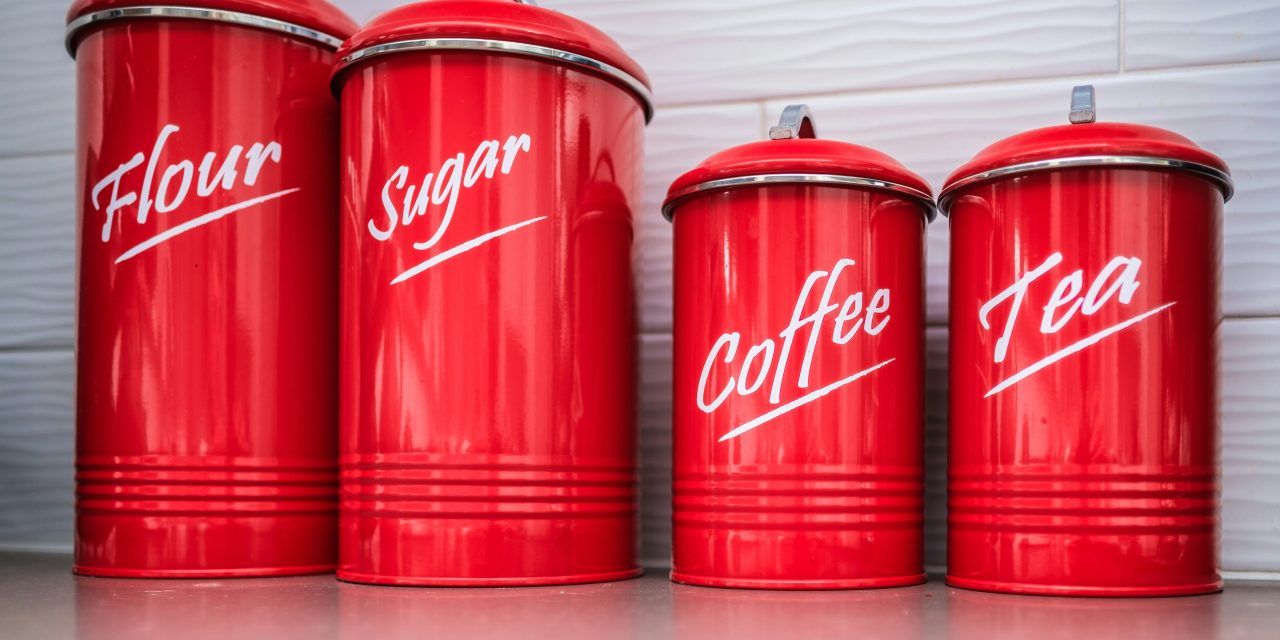
In the realm of kitchen organization, clear, stackable containers serve as a cornerstone for maximizing visibility and accessibility. These containers allow for easy identification of contents, reducing the time spent rummaging through opaque storage solutions. When selecting these containers, opt for BPA-free plastic or glass options that are both durable and safe for food storage. The stackable design not only conserves valuable counter and cabinet space but also promotes an orderly aesthetic, making it easier to maintain a tidy kitchen environment.
Moreover, utilizing clear containers can significantly enhance food preservation. By minimizing exposure to air and light, these containers help maintain the freshness of ingredients, thereby extending their shelf life. For optimal organization, categorize items by type—grains, legumes, snacks, and baking supplies—and label each container accordingly. This systematic approach not only streamlines meal preparation but also encourages healthier eating habits by making nutritious options readily visible.
When it comes to effective food storage, understanding how to properly freeze and reheat cooked meals can significantly extend their shelf life and maintain quality. For instance, if you’re looking to store cooked rice safely, you might find this article helpful: How to Freeze Cooked Rice and Reheat It Safely. It provides valuable tips on freezing techniques and reheating methods that ensure your rice remains delicious and safe to eat.
Label Everything to Avoid Confusion and Waste
Labeling is an essential practice in any organized kitchen, serving as a proactive measure to prevent confusion and minimize waste. By clearly marking containers with their contents and expiration dates, individuals can easily identify what they have on hand, reducing the likelihood of purchasing duplicates or letting items spoil unnoticed. This practice is particularly beneficial for perishable goods, where timely consumption is crucial to avoid food waste.
In addition to labeling food items, consider implementing a color-coded system for different categories of ingredients. For instance, use green labels for vegetables, red for proteins, and blue for grains. This visual cue not only enhances organization but also aids in quickly locating items during meal preparation. Furthermore, digital labeling solutions, such as printable labels or apps that track inventory, can provide an innovative edge in maintaining an organized kitchen.
Repurpose Mason Jars for Dry Goods and Snacks

Mason jars are versatile storage solutions that can be repurposed for a variety of dry goods and snacks. Their airtight seals make them ideal for preserving the freshness of grains, nuts, seeds, and dried fruits. By utilizing these jars, individuals can create an aesthetically pleasing display while simultaneously ensuring that their pantry remains organized. The transparent nature of mason jars allows for easy visibility of contents, encouraging users to consume items before they expire.
Additionally, mason jars can be used creatively to store snacks for on-the-go convenience. Fill them with trail mix, granola bars, or sliced fruits to create portable snack packs that are both healthy and visually appealing. This approach not only reduces reliance on single-use packaging but also promotes sustainable practices in the kitchen. By incorporating mason jars into your storage strategy, you can enhance both functionality and style in your culinary space.
Use Tension Rods to Create Vertical Storage Spaces

Tension rods are an innovative solution for maximizing vertical storage in kitchens where space is at a premium. By installing tension rods in cabinets or under sinks, individuals can create additional storage options for items such as cutting boards, baking sheets, or even pot lids. This vertical organization method not only frees up horizontal space but also allows for easier access to frequently used items.
Furthermore, tension rods can be utilized to hang cleaning supplies or kitchen utensils within reach. By attaching hooks to the rods, you can create a functional and organized system that keeps essential tools readily available while minimizing clutter on countertops. This creative use of tension rods exemplifies how simple adjustments can lead to significant improvements in kitchen organization.
When it comes to effective food storage, understanding the importance of proper techniques can significantly extend the shelf life of your groceries. For instance, using airtight containers can help prevent spoilage and maintain freshness. If you’re interested in learning about maintaining your home in other ways, you might find this article on common household issues insightful. You can read more about it here.
Store Herbs and Greens in Water-Filled Containers
Fresh herbs and greens are essential components of many culinary creations; however, they often wilt quickly if not stored properly. One effective method for prolonging their freshness is to store them upright in water-filled containers. Simply trim the stems of herbs like basil or cilantro and place them in a jar or glass filled with water, similar to how one would store flowers. Covering the tops loosely with a plastic bag can create a mini-greenhouse effect that retains moisture.
This method not only keeps herbs vibrant but also allows for easy access during cooking. For leafy greens such as spinach or kale, consider using a similar approach by placing them in a container with water and covering them with a damp paper towel before sealing the lid. This technique helps maintain crispness and prevents spoilage, ensuring that your greens remain fresh for longer periods.
Freeze Leftovers in Portion-Sized Silicone Bags
Freezing leftovers is an excellent way to minimize food waste while providing convenient meal options for busy days. Utilizing portion-sized silicone bags offers a practical solution for storing these leftovers without the risk of freezer burn associated with traditional plastic wrap or bags. Silicone bags are reusable, eco-friendly, and designed to withstand extreme temperatures, making them ideal for freezing soups, stews, or casseroles.
When freezing meals in silicone bags, ensure that you label each bag with the contents and date of freezing to maintain organization within your freezer. Additionally, flattening the bags before freezing allows for efficient stacking and maximizes space utilization. This method not only preserves the quality of your meals but also simplifies meal planning by providing ready-to-eat options at your fingertips.
Hang Pots and Pans to Free Up Cabinet Space
Cabinet space can often become overcrowded with pots and pans, leading to frustration when searching for specific cookware. Hanging pots and pans from a ceiling-mounted rack or wall-mounted hooks is an effective solution that frees up valuable cabinet space while adding a decorative element to your kitchen. This approach allows for easy access to frequently used cookware while showcasing your collection.
When implementing this storage solution, consider arranging pots and pans by size or type to enhance organization further. Additionally, using S-hooks can provide flexibility in hanging various utensils or lids alongside your cookware. This method not only optimizes space but also transforms your kitchen into a functional yet visually appealing environment.
Use Drawer Dividers to Organize Utensils and Tools
Drawer dividers are essential tools for maintaining order within kitchen drawers filled with utensils and tools. By categorizing items such as spatulas, whisks, measuring cups, and knives into designated sections, individuals can easily locate what they need without sifting through cluttered drawers. This organizational strategy enhances efficiency during meal preparation and contributes to a more streamlined cooking experience.
When selecting drawer dividers, consider adjustable options that can be customized to fit your specific drawer dimensions. Additionally, incorporating labeled dividers can further enhance organization by providing visual cues for where each item belongs. This attention to detail not only improves functionality but also fosters a sense of pride in maintaining an orderly kitchen.
Keep Spices in a Rotating Rack for Easy Access
Spices are integral to flavoring dishes; however, they can quickly become disorganized if not stored properly. A rotating spice rack offers an efficient solution for keeping spices easily accessible while minimizing countertop clutter. These racks allow users to view all available spices at a glance, making it simple to select the right seasoning without rummaging through cabinets.
When organizing spices on a rotating rack, consider grouping them by type—herbs, spices, blends—to streamline the selection process further. Additionally, labeling each container with both the name and expiration date ensures that you are using fresh ingredients while maintaining organization within your spice collection. This method not only enhances culinary creativity but also promotes efficient cooking practices.
Store Baking Sheets and Cutting Boards Vertically
Baking sheets and cutting boards often take up significant horizontal space in cabinets; however, storing them vertically can optimize storage efficiency. Utilizing vertical dividers or file organizers allows these items to stand upright within cabinets or drawers, making them easily accessible while freeing up space for other kitchen essentials.
This vertical storage method also minimizes wear and tear on baking sheets and cutting boards by preventing them from scratching against one another when stacked horizontally. Additionally, consider designating specific areas for different sizes of baking sheets or cutting boards to further enhance organization within your kitchen.
Implement a First-In, First-Out System to Prevent Spoilage
To combat food spoilage and waste effectively, implementing a First-In, First-Out (FIFO) system is crucial in any kitchen setting. This method involves organizing food items so that older products are used before newer ones—ensuring that nothing goes unused until it spoils. By placing newly purchased items behind older ones on shelves or in cabinets, individuals can easily access what needs to be consumed first.
Incorporating FIFO into pantry management requires regular inventory checks to monitor expiration dates and assess what needs to be used soonest. Additionally, labeling items with purchase dates can aid in maintaining this system effectively. By prioritizing older items in meal planning and grocery shopping lists, individuals can significantly reduce food waste while promoting sustainable practices within their kitchens.
In summary, effective kitchen organization is essential for enhancing efficiency and minimizing waste in culinary spaces. By utilizing clear containers for visibility, labeling everything meticulously, repurposing mason jars creatively, employing tension rods for vertical storage solutions, storing herbs properly in water-filled containers, freezing leftovers in silicone bags, hanging pots and pans strategically, using drawer dividers effectively, keeping spices organized on rotating racks, storing baking sheets vertically, and implementing FIFO systems—individuals can transform their kitchens into functional havens that promote sustainability and culinary creativity.
FAQs
What are the best practices for storing fruits and vegetables?
Fruits and vegetables should be stored separately, as some fruits emit ethylene gas which can cause vegetables to spoil faster. Most fruits do well at room temperature, while vegetables are best stored in the refrigerator. Use breathable bags or containers to maintain humidity and prevent spoilage.
How long can leftovers be safely stored in the refrigerator?
Leftovers can typically be stored in the refrigerator for 3 to 4 days. It’s important to keep them in airtight containers to prevent contamination and maintain freshness. If you don’t plan to eat them within this timeframe, consider freezing them for longer storage.
What is the ideal temperature for food storage in the refrigerator?
The ideal temperature for food storage in the refrigerator is between 32°F and 40°F (0°C to 4°C). Keeping your refrigerator at this temperature helps slow down bacterial growth and keeps food fresh for a longer period.
How should dry goods like grains and pasta be stored?
Dry goods such as grains and pasta should be stored in a cool, dry place in airtight containers to protect them from moisture, pests, and odors. It’s best to keep them in a pantry or cupboard away from direct sunlight to maintain their quality.
What are the signs that food has gone bad?
Signs that food has gone bad include changes in color, texture, or smell. For example, mold growth, an off or sour odor, and a slimy texture are indicators that food should not be consumed. Always check expiration dates and use your senses to assess food quality.