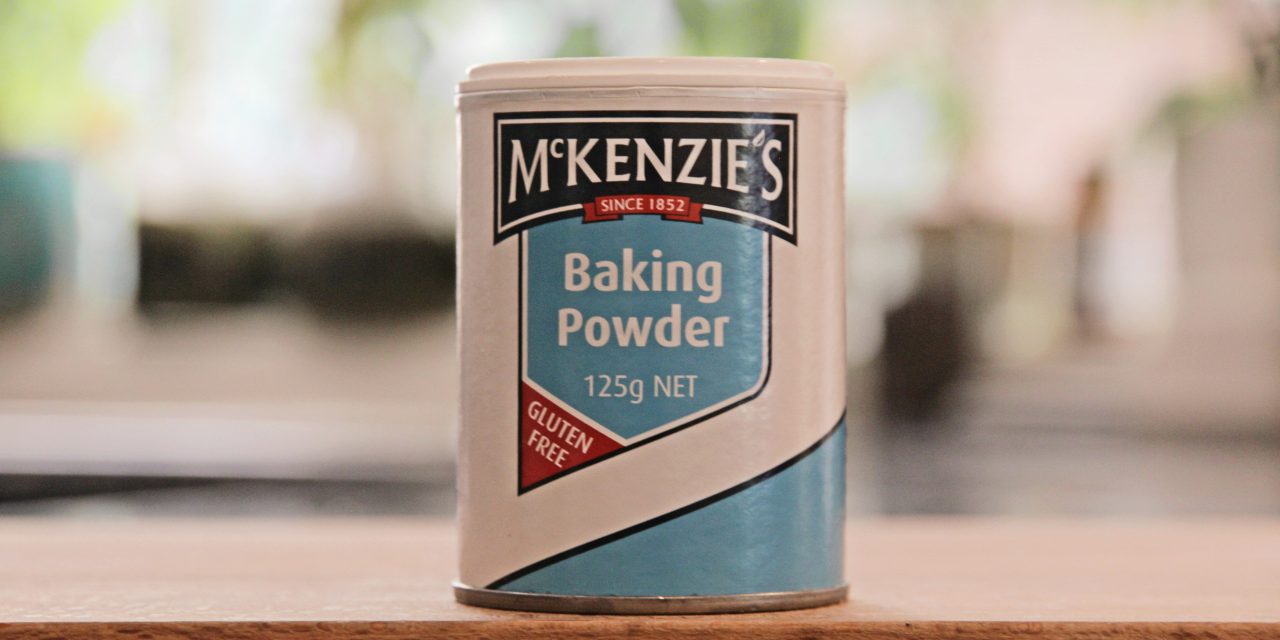
Baking soda, scientifically known as sodium bicarbonate, is a versatile compound that has been utilized for centuries in various applications, including cooking, cleaning, and personal care. Its alkaline nature allows it to neutralize acids, making it an effective agent for stain removal. The granular texture of baking soda also provides mild abrasiveness, which can help lift stains without damaging surfaces. This dual-action capability makes it a preferred choice for households seeking eco-friendly and cost-effective cleaning solutions.
The efficacy of baking soda in stain removal can be attributed to its ability to absorb odors and break down organic compounds. When combined with water, it forms a paste that can penetrate the fibers of fabrics or the surfaces of dishes, loosening the bonds that hold stains in place. This property is particularly beneficial for tackling stubborn stains that have set over time. Furthermore, baking soda is non-toxic and safe for use around children and pets, making it an ideal cleaning agent for families.
If you’re looking for effective ways to tackle stubborn stains in your kitchen, you might find it helpful to explore the benefits of baking soda. This versatile ingredient not only enhances your baking but also serves as a powerful stain remover. For more tips on efficient cooking and meal preparation, check out this informative article on batch cooking basics.
Preparing Your Baking Soda Paste for Maximum Effectiveness
To harness the full potential of baking soda for stain removal, it is essential to prepare a paste that maximizes its cleaning capabilities. The basic recipe involves mixing three parts baking soda with one part water to create a thick consistency. This paste can be adjusted based on the specific stain and surface being treated. For instance, if dealing with a particularly stubborn stain, adding a few drops of dish soap can enhance the paste’s grease-cutting power.
When applying the paste, it is crucial to allow it to sit on the stain for a sufficient amount of time. A general guideline is to let the paste rest for at least 15-30 minutes, depending on the severity of the stain. This waiting period enables the baking soda to penetrate deeper into the material, effectively loosening the stain’s grip. After the designated time has passed, gently scrub the area with a soft cloth or sponge before rinsing thoroughly with water.
Removing Coffee and Tea Stains from Cups and Mugs
Coffee and tea stains are notorious for leaving unsightly marks on cups and mugs, often requiring more than just a simple wash to remove. Baking soda serves as an excellent remedy for these stubborn stains due to its abrasive properties and ability to neutralize odors. To effectively eliminate these stains, create a paste using baking soda and water, then apply it directly to the stained areas.
Using a soft sponge or cloth, gently scrub the stained surface in circular motions. The mild abrasiveness of baking soda will help lift the discoloration without scratching the ceramic or glass. For particularly stubborn stains, allowing the paste to sit for an extended period—up to an hour—can yield even better results. After scrubbing, rinse thoroughly with warm water and dry with a clean towel to restore your cups and mugs to their original shine.
Eliminating Red Wine Stains from Fabric Quickly

Red wine stains can be particularly challenging due to their deep pigmentation and tendency to set quickly. However, baking soda can be an effective solution when time is of the essence. To tackle a fresh red wine stain, immediately blot the area with a clean cloth to absorb excess liquid. Next, sprinkle baking soda generously over the stain; this will help absorb moisture and prevent further penetration into the fabric.
After allowing the baking soda to sit for approximately 10-15 minutes, gently brush off the powder and assess the stain’s progress. If any discoloration remains, create a paste with water and apply it directly to the affected area. Allow this paste to sit for another 30 minutes before rinsing with cold water. For optimal results, launder the fabric as per its care instructions after treating the stain.
Baking soda is a versatile household item that can effectively remove stains from various surfaces, making it a popular choice for cleaning enthusiasts. For those looking to explore more about the benefits of baking soda in everyday life, you might find this article on signs your cat is happy and healthy particularly interesting, as it highlights how a clean environment contributes to your pet’s well-being. You can read more about it here.
Tackling Grease Stains on Clothing with Baking Soda
Grease stains are notorious for their persistence and difficulty in removal. Baking soda’s absorbent properties make it an ideal candidate for tackling these oily blemishes on clothing. To effectively treat grease stains, begin by blotting any excess oil with a paper towel or cloth. Next, sprinkle a generous amount of baking soda directly onto the stain and allow it to sit for at least 30 minutes.
The baking soda will absorb the grease, making it easier to lift from the fabric fibers. After this period, gently brush off the powder and assess whether any stain remains. If necessary, create a paste with water and apply it directly to the stain before laundering as usual. For particularly stubborn grease stains, consider adding a few drops of dish soap to your paste for enhanced cleaning power.
Erasing Ink Marks from Upholstery and Carpets
Ink marks can be particularly vexing when they find their way onto upholstery or carpets. Fortunately, baking soda can assist in removing these unsightly blemishes effectively. Begin by blotting any excess ink with a clean cloth—avoid rubbing, as this may spread the ink further into the fibers. Next, create a paste using baking soda and water and apply it directly onto the ink stain.
Allow the paste to sit for approximately 15-20 minutes before gently scrubbing with a soft-bristled brush or cloth. The baking soda will work to lift the ink from the fibers while absorbing any residual moisture. After scrubbing, rinse the area with a damp cloth to remove any remaining paste and blot dry with a clean towel. For persistent ink stains, repeating this process may be necessary until satisfactory results are achieved.
Getting Rid of Sweat Stains on Shirts and Blouses
Sweat stains can leave unsightly marks on clothing, particularly around the underarms of shirts and blouses. Baking soda can effectively neutralize odors while lifting these stubborn stains from fabric. To treat sweat stains, create a paste using three parts baking soda and one part water, then apply it directly onto the affected area.
Allow this paste to sit for at least 30 minutes before rinsing with cold water. For optimal results, launder the garment as per its care instructions after treatment. If sweat stains persist after washing, consider soaking the garment in a solution of water and baking soda overnight before re-washing.
Cleaning Crayon and Marker Stains from Walls
Crayon and marker stains on walls can be frustrating for parents and homeowners alike. Baking soda offers an effective solution for removing these marks without damaging paint finishes. To tackle crayon or marker stains, create a paste using baking soda and water and apply it directly onto the stained area.
Using a soft cloth or sponge, gently scrub in circular motions until the stain begins to lift. The mild abrasiveness of baking soda will help remove marks without harming the wall’s surface. After scrubbing, wipe away any residue with a damp cloth and dry thoroughly.
Lifting Food Stains from Kitchen Countertops
Food stains on kitchen countertops can detract from their appearance and hygiene. Baking soda serves as an excellent cleaning agent for various countertop materials, including granite, quartz, and laminate. To remove food stains effectively, create a paste using baking soda and water and apply it directly onto the stained area.
Allow this paste to sit for approximately 15-20 minutes before scrubbing gently with a soft sponge or cloth. The baking soda will work to lift food particles while neutralizing odors associated with spills. After scrubbing, rinse thoroughly with warm water and dry with a clean towel to restore your countertops’ shine.
Brightening White Sneakers and Removing Scuff Marks
White sneakers are prone to scuff marks and discoloration over time; however, baking soda can help restore their original brightness. To tackle scuff marks effectively, create a paste using baking soda and water and apply it directly onto the affected areas of your sneakers.
Using an old toothbrush or soft-bristled brush, gently scrub in circular motions until scuff marks begin to lift away. Allow the paste to sit for approximately 10-15 minutes before rinsing with warm water and drying with a clean cloth. For optimal results, consider repeating this process regularly to maintain your sneakers’ pristine appearance.
Tips for Combining Baking Soda with Other Natural Cleaners for Tough Stains
While baking soda is highly effective on its own, combining it with other natural cleaners can enhance its stain-fighting capabilities even further. For example, mixing equal parts baking soda and white vinegar creates a powerful foaming reaction that can tackle tough grime and stains on various surfaces.
Another effective combination involves mixing baking soda with hydrogen peroxide; this mixture is particularly useful for whitening fabrics or removing tough stains from carpets and upholstery. Always test any new cleaning solution on an inconspicuous area first to ensure compatibility with your surfaces.
In conclusion, baking soda is an incredibly versatile cleaning agent that can effectively tackle various types of stains across multiple surfaces in your home. Its non-toxic nature makes it safe for families while providing powerful cleaning capabilities that rival commercial products. By understanding how to prepare baking soda pastes effectively and applying them strategically based on specific stains, you can maintain a clean and fresh environment without resorting to harsh chemicals.
In summary:
– Baking soda is an effective stain remover due to its alkaline nature.
– Preparing a paste enhances its cleaning capabilities.
– It can tackle coffee, tea, red wine, grease, ink, sweat stains, crayon marks, food stains, scuff marks on sneakers.
– Combining baking soda with other natural cleaners can yield even better results.
– Regular use can help maintain cleanliness while being eco-friendly.
FAQs
What types of stains can baking soda effectively remove?
Baking soda is effective in removing a variety of stains, including grease, oil, coffee, tea, and food stains. It works well on fabrics, carpets, and hard surfaces due to its mild abrasive properties and ability to neutralize odors.
How do you use baking soda to remove stains from clothing?
To use baking soda on clothing stains, create a paste by mixing baking soda with a small amount of water. Apply the paste directly to the stain, let it sit for 15-30 minutes, then wash the garment as usual. For tougher stains, you can also add baking soda to your laundry detergent.
Can baking soda be used on all types of fabrics?
Baking soda is generally safe for most fabrics, but it is always best to test it on a small, inconspicuous area first. Delicate fabrics like silk or wool may require special care, so check the care label before using baking soda.
Is baking soda safe for use on carpets?
Yes, baking soda is safe for use on carpets. To remove stains, sprinkle baking soda directly on the stained area, let it sit for several hours or overnight, then vacuum it up. For deeper cleaning, you can mix baking soda with water to form a paste and apply it to the stain.
Are there any precautions to take when using baking soda for stain removal?
While baking soda is generally safe, avoid using it on colored fabrics without testing first, as it may cause discoloration. Additionally, do not mix baking soda with vinegar in a closed container, as the reaction can create pressure and potentially cause an explosion.