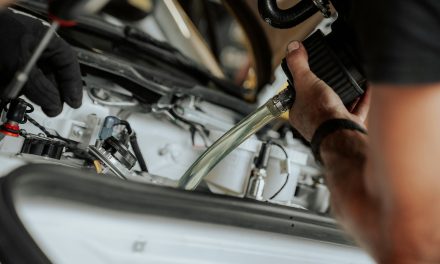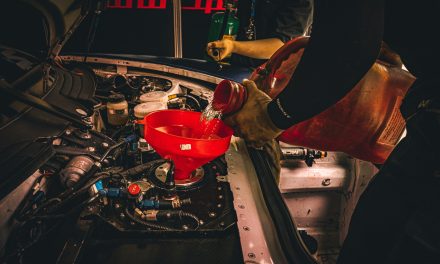
Transmission fluid is a specialized lubricant designed to facilitate the smooth operation of a vehicle’s transmission system. This vital fluid serves multiple functions, including lubrication, cooling, and hydraulic pressure generation. It ensures that the gears shift seamlessly, preventing wear and tear on internal components. The composition of transmission fluid varies depending on the type of transmission—automatic or manual—and can include additives that enhance performance, such as detergents, anti-wear agents, and friction modifiers.
The importance of maintaining optimal transmission fluid levels cannot be overstated. Insufficient fluid can lead to overheating, increased friction, and ultimately, catastrophic failure of the transmission system. Regular checks and timely replacements are essential for prolonging the lifespan of the transmission and ensuring the vehicle operates efficiently. Neglecting this critical aspect of vehicle maintenance can result in costly repairs and diminished performance.
If you’re experiencing issues with your vehicle, such as a transmission fluid leak, it’s essential to understand the potential causes and solutions. For a deeper dive into automotive maintenance and troubleshooting, you might find this related article helpful: How to Cook Broccoli Without Making It Mushy. While it may not directly address transmission issues, it highlights the importance of proper care and attention, which can be applied to vehicle maintenance as well.
Signs Your Transmission Fluid Is Leaking
Detecting a transmission fluid leak early can save vehicle owners from extensive damage and repair costs. One of the most apparent signs is the presence of reddish-brown fluid pooling beneath the vehicle. This fluid is typically thicker than engine oil and has a distinct odor, often described as sweet or burnt. If you notice this discoloration or smell, it is crucial to investigate further.
Other indicators include difficulty in shifting gears, unusual noises such as grinding or whining, and slipping gears while driving. These symptoms suggest that the transmission is not receiving adequate lubrication, which can lead to severe mechanical issues. If any of these signs are present, it is advisable to consult a qualified mechanic for a thorough inspection.
Worn or Damaged Transmission Pan Gasket

The transmission pan gasket plays a critical role in sealing the transmission pan to the transmission housing. Over time, exposure to heat and pressure can cause this gasket to wear out or become damaged, leading to leaks. A compromised gasket may result in fluid seeping out, which can significantly affect the transmission’s performance.
To address this issue, it is essential to replace the worn or damaged gasket promptly. This process typically involves draining the transmission fluid, removing the pan, cleaning the surfaces, and installing a new gasket before reassembling everything. Regular inspections can help identify potential gasket issues before they escalate into more significant problems.
Faulty Transmission Seals

Transmission seals are designed to prevent fluid from escaping at various junctions within the transmission system. These seals can deteriorate due to age, heat exposure, or contamination from debris. When seals fail, they can lead to significant fluid loss and compromise the overall functionality of the transmission.
Replacing faulty seals requires a meticulous approach, as it often involves disassembling parts of the transmission. It is advisable to consult with a professional mechanic who can accurately diagnose seal issues and perform necessary replacements. Regular maintenance checks can help identify seal wear early on, preventing leaks from becoming a more severe concern.
If you’ve noticed a puddle of red fluid under your vehicle, you might be wondering why your transmission fluid is leaking. This issue can stem from various causes, such as worn seals, damaged gaskets, or even a crack in the transmission case. To better understand the potential reasons behind this problem and how to address it, you can check out a related article that provides insights into automotive maintenance. For more information, visit this helpful resource.
Cracked or Damaged Transmission Pan
The transmission pan serves as a reservoir for transmission fluid and protects internal components from external contaminants. A cracked or damaged pan can lead to significant fluid loss and may result from corrosion, impact damage, or manufacturing defects. Identifying a damaged pan early is crucial to prevent further complications.
Repairing a cracked transmission pan may involve welding or sealing minor cracks; however, in many cases, replacement is the most effective solution. A new pan will ensure proper containment of fluid and maintain optimal operating conditions for the transmission system. Regular inspections can help detect any signs of damage before they lead to leaks.
Loose or Missing Transmission Pan Bolts
Transmission pan bolts secure the pan to the transmission housing, ensuring a tight seal that prevents leaks. Over time, these bolts may loosen due to vibrations or improper installation during previous maintenance work. Missing bolts can also create gaps that allow fluid to escape.
To remedy this issue, it is essential to inspect the bolts regularly and tighten them as needed. In cases where bolts are missing, replacements should be installed promptly to maintain the integrity of the transmission system. A thorough inspection during routine maintenance can help identify loose or missing bolts before they lead to significant leaks.
Damaged Transmission Cooler Lines
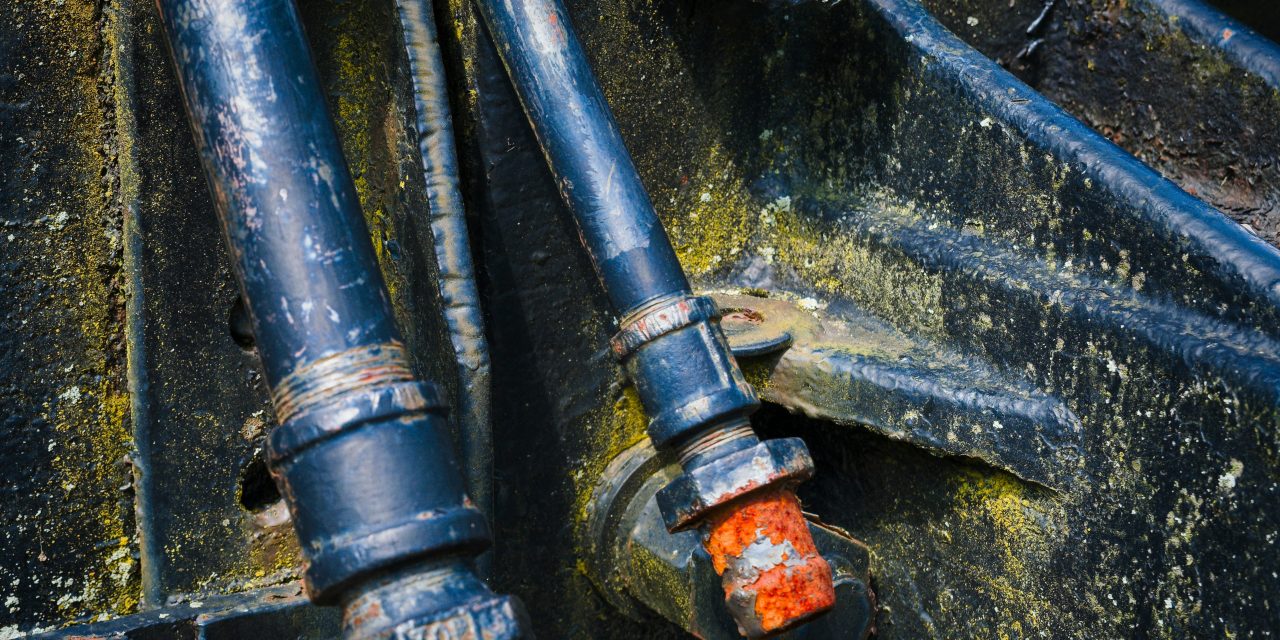
Transmission cooler lines transport fluid between the transmission and the cooler, helping regulate temperature and maintain optimal performance. These lines can become damaged due to corrosion, impact from road debris, or improper installation. A leak in these lines can lead to significant fluid loss and overheating of the transmission.
Repairing damaged cooler lines typically involves replacing the affected sections with new lines made from durable materials. It is crucial to ensure that all connections are secure and that there are no additional leaks present after repairs are made. Regular inspections of cooler lines can help identify potential issues before they escalate into more severe problems.
Overfilled Transmission Fluid Levels
While low fluid levels are often associated with leaks, overfilling transmission fluid can also lead to complications. Excess fluid can cause foaming, which reduces lubrication efficiency and may result in erratic shifting or overheating. Identifying overfilled levels requires checking the dipstick while ensuring that the vehicle is on level ground.
To address overfilling, it is essential to drain excess fluid carefully until levels return to the manufacturer’s recommended specifications. This process should be performed with caution to avoid introducing air into the system or causing further complications. Regular checks of fluid levels can help prevent overfilling and maintain optimal performance.
Worn or Broken Transmission Shaft Seals
Transmission shaft seals are critical components that prevent fluid from leaking where the driveshaft enters or exits the transmission housing. Over time, these seals can wear out due to friction and heat exposure, leading to leaks that compromise performance. Identifying worn or broken seals early is essential for preventing further damage.
Replacing these seals typically requires disassembling parts of the transmission system, making it advisable to seek professional assistance for accurate diagnosis and repair. Regular maintenance checks can help identify seal wear before it leads to significant leaks and costly repairs.
Impact Damage from Road Debris
Road debris poses a significant risk to various vehicle components, including the transmission system. Objects such as rocks, metal shards, or other debris can strike the transmission pan or cooler lines, leading to cracks or punctures that result in fluid leaks. Identifying impact damage requires thorough inspections after encountering rough terrain or debris-laden roads.
To mitigate this risk, vehicle owners should be vigilant about avoiding hazardous road conditions whenever possible. Additionally, installing protective shields or guards can help safeguard vulnerable components from potential impact damage.
Preventative Measures to Avoid Transmission Fluid Leaks
Preventing transmission fluid leaks involves proactive maintenance and regular inspections of key components within the transmission system. Here are several effective measures:
1. **Regular Fluid Checks**: Monitor transmission fluid levels frequently and look for signs of discoloration or odor.
2. **Scheduled Maintenance**: Adhere to manufacturer-recommended service intervals for fluid changes and inspections.
3. **Visual Inspections**: Routinely inspect for signs of leaks under the vehicle and around critical components.
4. **Protective Shields**: Consider installing shields for vulnerable areas prone to impact damage.
5. **Professional Inspections**: Engage qualified mechanics for comprehensive inspections during routine service appointments.
By implementing these preventative measures, vehicle owners can significantly reduce the risk of transmission fluid leaks and ensure optimal performance throughout their vehicle’s lifespan.
In summary, understanding transmission fluid’s role in vehicle operation is crucial for maintaining performance and preventing costly repairs due to leaks. Recognizing signs of leakage early on—such as discoloration under the vehicle—can lead to timely interventions that preserve the integrity of the transmission system. Addressing issues related to worn gaskets, faulty seals, damaged pans, loose bolts, compromised cooler lines, overfilled levels, worn shaft seals, impact damage from debris, and implementing preventative measures will contribute significantly to avoiding leaks altogether.
FAQ Section:
1. **What color should healthy transmission fluid be?**
Healthy transmission fluid typically appears bright red or pink when new; however, it may darken slightly with use but should not turn brown or black.
2. **How often should I check my transmission fluid?**
It is advisable to check your transmission fluid at least once every month or during routine oil changes.
3. **Can I drive with a leaking transmission?**
Driving with a leaking transmission is not recommended as it can lead to severe damage and costly repairs.
4. **What should I do if I suspect a leak?**
If you suspect a leak, inspect your vehicle for signs of fluid pooling underneath and consult a qualified mechanic for an assessment.
5. **How much does it cost to repair a transmission leak?**
Repair costs vary widely depending on the source of the leak but can range from $150 for minor seal replacements to several thousand dollars for major repairs.
6. **Is there a way to prevent leaks?**
Regular maintenance checks and timely replacements of worn components are effective strategies for preventing leaks.
7. **What happens if I ignore a leaking transmission?**
Ignoring a leaking transmission can lead to complete failure of the system, resulting in expensive repairs or even necessitating a full replacement.
8. **Can I use stop-leak products?**
While some stop-leak products may provide temporary relief for minor leaks, they are not a substitute for proper repairs and should be used cautiously.
9. **How do I know if my transmission needs flushing?**
Signs that your transmission may need flushing include slipping gears, delayed engagement when shifting into gear, or unusual noises during operation.
10. **What type of transmission fluid should I use?**
Always refer to your vehicle’s owner manual for specific recommendations regarding the type of transmission fluid suitable for your make and model.
By understanding these aspects of transmission fluid management and addressing potential issues proactively, vehicle owners can ensure their transmissions operate smoothly and efficiently for years to come.
FAQs
What are the common causes of transmission fluid leaks?
Common causes of transmission fluid leaks include worn or damaged seals and gaskets, loose or damaged transmission pan bolts, a cracked transmission case, or a faulty transmission cooler line. Over time, these components can degrade due to heat and wear, leading to leaks.
How can I identify a transmission fluid leak?
You can identify a transmission fluid leak by looking for reddish-brown fluid spots under your vehicle, particularly near the transmission area. Additionally, you may notice a burning smell or experience difficulty shifting gears, which can indicate low fluid levels due to a leak.
Is it safe to drive with a transmission fluid leak?
Driving with a transmission fluid leak is not safe. Low transmission fluid levels can lead to overheating, poor shifting performance, and potential transmission failure. It is advisable to address the leak as soon as possible to avoid costly repairs.
How can I fix a transmission fluid leak?
Fixing a transmission fluid leak typically involves identifying the source of the leak and replacing any damaged seals, gaskets, or components. In some cases, tightening bolts or replacing the transmission pan may be sufficient. However, for significant leaks or complex issues, it is recommended to consult a professional mechanic.
How often should I check my transmission fluid?
It is advisable to check your transmission fluid at least once every 30,000 miles or as recommended in your vehicle’s owner manual. Regular checks can help you catch leaks early and maintain proper fluid levels, ensuring optimal transmission performance.