Cooking is an art form that transcends mere sustenance; it is a means of expression, creativity, and cultural heritage. Mastering various cooking methods is essential for anyone who wishes to elevate their culinary skills. Each technique offers unique advantages, flavors, and textures that can transform ordinary ingredients into extraordinary dishes. Understanding these methods not only enhances your cooking repertoire but also empowers you to make informed decisions about meal preparation, nutrition, and flavor profiles.
The significance of mastering cooking techniques lies in their ability to unlock the full potential of ingredients. For instance, sautéing can intensify flavors through the Maillard reaction, while roasting caramelizes sugars, enhancing sweetness. By grasping the fundamentals of each method, cooks can manipulate heat, time, and moisture to achieve desired outcomes. This knowledge fosters creativity in the kitchen, allowing for experimentation and innovation in recipe development.
If you’re interested in enhancing your culinary skills, you might find it helpful to explore various cooking methods that can elevate your dishes. For instance, understanding the differences between baking, grilling, and sautéing can significantly impact the flavors and textures of your meals. To further enrich your knowledge, you can check out this related article on how to get yellow sunscreen stains out of white clothes, which highlights the importance of maintaining a clean cooking environment: How to Get Yellow Sunscreen Stains Out of White Clothes.
Sautéing: Quick and Flavorful Cooking
Sautéing is a cooking technique that involves quickly cooking food in a small amount of fat over relatively high heat. This method is particularly effective for vegetables, meats, and seafood, as it allows for rapid cooking while preserving texture and flavor. The key to successful sautéing lies in the choice of fat—olive oil, butter, or ghee—and the temperature at which the food is cooked. A hot pan ensures that the food sears rather than steams, resulting in a delightful crust and enhanced flavor.
To sauté effectively, it is crucial to prepare ingredients uniformly. Cutting vegetables into similar sizes ensures even cooking, while marinating proteins can infuse them with flavor. Additionally, incorporating aromatics such as garlic or onions at the beginning of the process can create a fragrant base for your dish. Sautéing is not only quick but also versatile; it can be used to create everything from stir-fries to pasta dishes in a matter of minutes.
Roasting: Bringing Out Natural Flavors

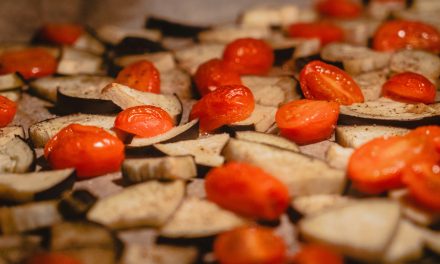
Roasting is a dry heat cooking method that involves cooking food evenly in an oven. This technique is particularly well-suited for larger cuts of meat, root vegetables, and even fruits. The beauty of roasting lies in its ability to enhance the natural flavors of ingredients through caramelization and browning. When food is roasted, the exterior develops a rich, golden-brown crust while the interior remains tender and juicy.
To achieve optimal results when roasting, it is essential to preheat the oven and use appropriate cookware. A roasting pan with a rack allows for even heat circulation around the food, promoting uniform cooking. Seasoning ingredients with herbs, spices, and oils before roasting can further elevate flavors. For instance, a simple combination of rosemary, garlic, and olive oil can transform roasted potatoes into a gourmet side dish. Roasting not only enhances taste but also creates visually appealing dishes that are perfect for entertaining.
Boiling: The Foundation of Many Dishes

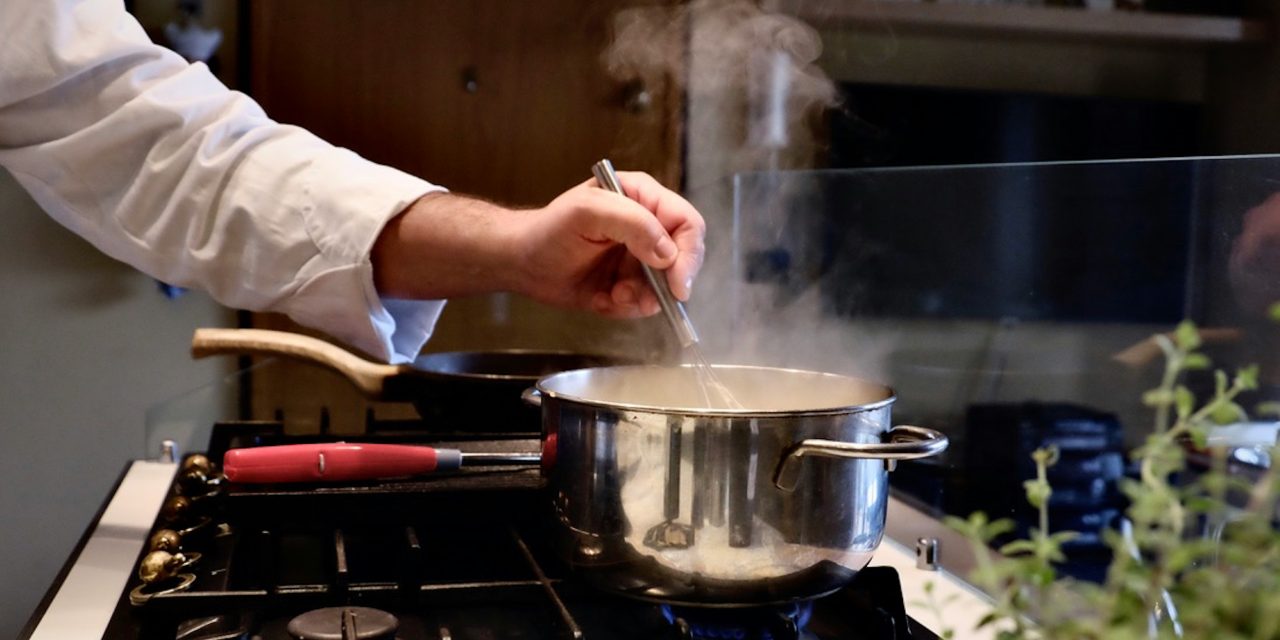
Boiling is one of the most fundamental cooking methods and serves as the foundation for countless recipes. This technique involves cooking food in water or broth at high temperatures until it reaches a rolling boil. Boiling is particularly effective for pasta, grains, and vegetables, as it allows for quick cooking while retaining nutrients when done correctly.
To boil effectively, it is important to use ample water and salt to enhance flavor. Adding ingredients gradually ensures that the water temperature remains consistent. For vegetables, blanching—briefly boiling followed by shocking in ice water—can preserve color and texture while making them easier to peel or chop. While boiling may seem straightforward, mastering this technique can significantly impact the quality of your dishes.
When exploring various cooking methods, it’s essential to consider how the ingredients are sourced and prepared. For those interested in enhancing their culinary skills, understanding the importance of fresh produce can significantly elevate your dishes. A great resource for this is an article that outlines how to create your own vegetable garden planting calendar, which can help you grow your ingredients right at home. You can read more about it in this informative piece on creating a vegetable garden planting calendar. This knowledge not only enriches your cooking experience but also connects you to the food you prepare.
Steaming: Healthy and Nutrient-Rich Meals
Steaming is a gentle cooking method that utilizes steam to cook food without direct contact with water. This technique is particularly beneficial for preserving nutrients and flavors in vegetables, fish, and poultry. Steaming retains vitamins and minerals that may be lost during other cooking methods, making it an excellent choice for health-conscious individuals.
To steam effectively, a steamer basket or an electric steamer can be employed. It is essential to ensure that the water does not touch the food during steaming to prevent sogginess. Seasoning ingredients before steaming can enhance flavor without adding extra fat or calories. For example, adding ginger or lemon slices to fish while steaming can impart delightful aromas and tastes. Steaming not only promotes healthy eating but also allows for quick meal preparation.
Grilling: Adding a Smoky Char to Your Food
Grilling is a popular cooking method that imparts a distinct smoky flavor to food through direct exposure to heat sources such as charcoal or gas flames. This technique is ideal for meats, vegetables, and even fruits, as it creates a delicious charred exterior while keeping the interior moist and tender. The high heat of grilling promotes the Maillard reaction, resulting in complex flavors that are hard to replicate through other methods.
To grill successfully, it is crucial to preheat the grill and oil grates to prevent sticking. Marinating proteins before grilling can enhance tenderness and flavor while adding moisture during cooking. Additionally, using indirect heat for larger cuts of meat allows for thorough cooking without burning the exterior. Grilling not only creates mouthwatering dishes but also fosters social interaction during outdoor gatherings.
Baking: Perfect for Breads, Desserts, and More
Baking is a dry heat cooking method that involves surrounding food with hot air in an oven. This technique is essential for creating baked goods such as bread, pastries, cakes, and casseroles. Baking relies on precise measurements and timing; even slight variations can significantly impact the final product’s texture and flavor.
To bake effectively, it is important to follow recipes closely and understand ingredient functions—such as how yeast causes dough to rise or how eggs provide structure in cakes. Preheating the oven ensures even cooking from the start. Additionally, using parchment paper or silicone mats can prevent sticking and facilitate easy removal of baked goods from pans. Baking not only produces delectable treats but also fills homes with enticing aromas.
Stir-Frying: Fast and Versatile Asian-Inspired Cooking
Stir-frying is a high-heat cooking method that originated in Asian cuisine and involves quickly cooking small pieces of food in a wok or skillet with minimal oil. This technique allows for rapid cooking while preserving color, texture, and nutrients in vegetables and proteins alike. Stir-frying is particularly versatile; it can accommodate various ingredients and flavors based on personal preferences.
To stir-fry effectively, it is essential to prepare all ingredients beforehand since the cooking process occurs quickly. Using a wok allows for even heat distribution and ample space for tossing ingredients without overcrowding. Incorporating sauces such as soy sauce or oyster sauce during the final stages of cooking can enhance flavors without overwhelming the dish. Stir-frying not only promotes healthy eating but also encourages creativity through ingredient combinations.
Tips for Combining Methods to Elevate Your Dishes
Combining different cooking methods can elevate your culinary creations by introducing diverse textures and flavors into a single dish. For instance, starting with sautéing vegetables before roasting them can enhance their sweetness while adding depth to their flavor profile. Similarly, grilling meats before finishing them in the oven can create a beautifully charred exterior while ensuring thorough cooking.
Experimentation is key when combining methods; consider how different techniques interact with various ingredients. For example, steaming fish before finishing it on the grill can retain moisture while imparting smoky flavors. Additionally, incorporating elements from multiple cuisines can lead to innovative dishes that surprise and delight diners.
Essential Tools to Support Each Cooking Method
Having the right tools at your disposal can significantly enhance your cooking experience across various methods. For sautéing, a heavy-bottomed skillet or sauté pan ensures even heat distribution while preventing warping over time. A roasting pan with a rack is essential for achieving optimal results when roasting meats or vegetables.
For boiling and steaming, stockpots with lids are indispensable; they allow for efficient boiling while retaining heat during steaming processes. A grill thermometer ensures precise temperature control when grilling meats or vegetables over direct heat. Investing in quality baking sheets and pans will yield better results when baking breads or desserts.
Troubleshooting Common Cooking Challenges
Even experienced cooks encounter challenges in the kitchen from time to time. One common issue is overcooking or undercooking food; using timers and thermometers can help ensure precise cooking times and temperatures are maintained across various methods. Another challenge may arise from inadequate seasoning; tasting throughout the cooking process allows for adjustments that enhance flavors.
If food sticks to pans during sautéing or baking, consider using non-stick cookware or properly preheating pans before adding ingredients. Additionally, if baked goods do not rise as expected, double-check ingredient freshness—particularly baking powder or yeast—as expired leavening agents can hinder desired outcomes.
In summary, mastering various cooking methods is essential for any aspiring chef or home cook looking to elevate their culinary skills. Each technique offers unique advantages that enhance flavors and textures across diverse dishes—from sautéing quick meals to roasting hearty vegetables or baking delectable desserts. By understanding these methods and employing essential tools while troubleshooting common challenges, cooks can create memorable dining experiences that celebrate creativity and flavor diversity in every bite.
FAQs
What are the main cooking methods?
The main cooking methods include boiling, steaming, frying, baking, roasting, grilling, and sautéing. Each method utilizes different techniques and heat sources to prepare food, affecting the texture and flavor of the final dish.
How does boiling differ from steaming?
Boiling involves cooking food in water or broth at high temperatures, typically around 100°C (212°F), which can lead to nutrient loss. Steaming, on the other hand, cooks food using steam from boiling water, preserving more nutrients and flavors while preventing the food from becoming waterlogged.
What is the advantage of using the grilling method?
Grilling imparts a distinct smoky flavor to food and allows excess fat to drip away, making it a healthier cooking option. It also creates a desirable char and caramelization on the surface of the food, enhancing its taste and texture.
Can you explain the difference between baking and roasting?
Baking typically refers to cooking food using dry heat in an oven, often at lower temperatures, and is commonly used for bread, pastries, and casseroles. Roasting, while also using dry heat, usually involves higher temperatures and is often applied to meats and vegetables to achieve a browned exterior.
What is sautéing and when is it used?
Sautéing is a cooking method that involves cooking food quickly in a small amount of oil or fat over relatively high heat. It is commonly used for vegetables, meats, and seafood to enhance flavors while maintaining a crisp texture, making it ideal for stir-fries and quick meals.