Buttermilk, a staple in many culinary traditions, is a fermented dairy product that has gained popularity for its unique tangy flavor and versatile applications in cooking and baking. Traditionally, buttermilk was the liquid left behind after churning butter from cream. However, modern buttermilk is often cultured, meaning that beneficial bacteria are added to milk, resulting in a thicker consistency and a slightly sour taste. This delightful ingredient not only enhances the flavor profile of various dishes but also contributes to their texture and moisture content.
The use of buttermilk extends beyond mere flavor enhancement; it serves as a leavening agent in baked goods due to its acidity. This acidity reacts with baking soda or baking powder, producing carbon dioxide bubbles that help dough rise. Additionally, buttermilk is rich in nutrients such as calcium, potassium, and vitamins B12 and riboflavin, making it a healthier alternative to regular milk in many recipes. Its probiotic properties also promote gut health, making it a beneficial addition to a balanced diet.
If you’re looking to enhance your cooking skills, you might find it interesting to learn how to make buttermilk using just milk and lemon juice. This simple method is perfect for those who need buttermilk for recipes but don’t have any on hand. For more tips on how to care for your garden during colder months, check out this related article on protecting your plants from frost overnight at 7 Easy Ways to Protect Your Plants from Frost Overnight.
How to Make Buttermilk at Home Using Milk and Lemon Juice
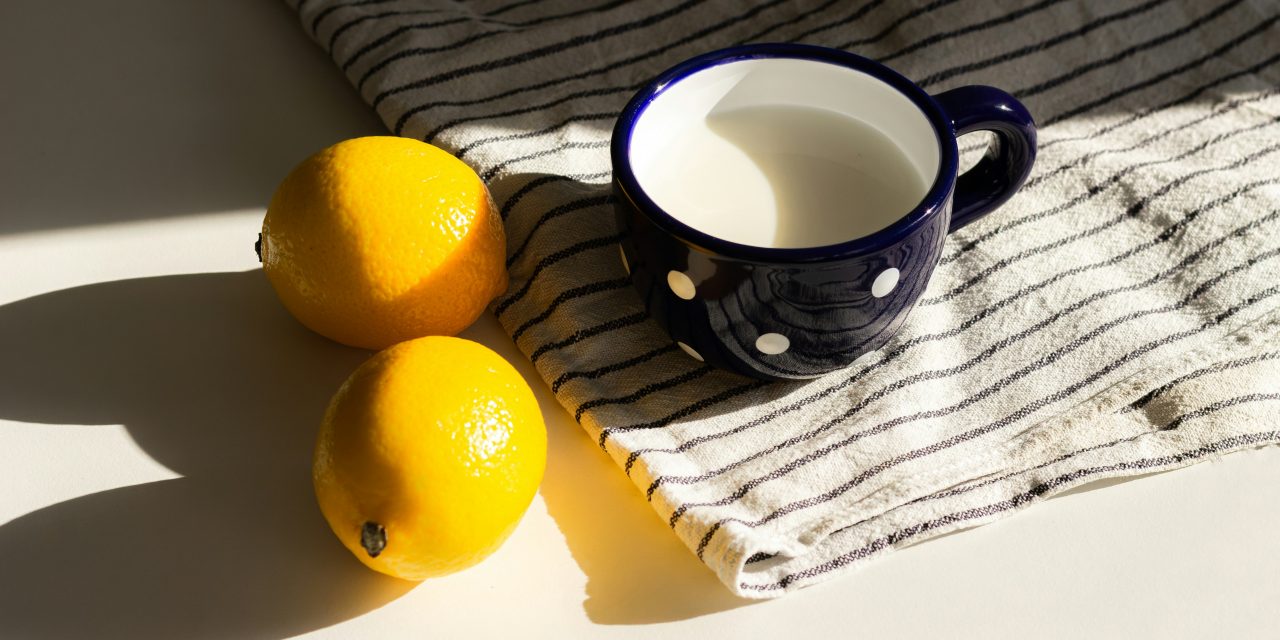
Creating homemade buttermilk is a straightforward process that requires minimal ingredients and time. To make approximately one cup of buttermilk, combine one tablespoon of lemon juice or white vinegar with enough milk to reach the one-cup mark. Whole milk is often preferred for its richness, but low-fat or skim milk can also be used depending on dietary preferences. Stir the mixture gently and let it sit at room temperature for about 10 minutes. During this time, the acid from the lemon juice or vinegar will curdle the milk slightly, resulting in a thickened, tangy liquid that mimics store-bought buttermilk.
This homemade version not only saves money but also allows for customization based on personal taste preferences. For instance, using flavored vinegars or adding herbs can impart unique flavors to the buttermilk. Furthermore, this method ensures that you have fresh buttermilk on hand whenever you need it for your culinary endeavors.
The Science Behind Homemade Buttermilk

The transformation of regular milk into buttermilk involves a fascinating interplay of chemistry and microbiology. When an acid such as lemon juice or vinegar is introduced to milk, it lowers the pH level, causing the proteins in the milk—primarily casein—to denature and coagulate. This process results in the formation of curds and whey, giving buttermilk its characteristic texture. The beneficial bacteria present in cultured buttermilk further enhance this process by fermenting lactose into lactic acid, which contributes to the tangy flavor.
Moreover, the acidity of buttermilk plays a crucial role in baking. When combined with alkaline ingredients like baking soda, a chemical reaction occurs that produces carbon dioxide gas. This gas expands during baking, creating a light and airy texture in pancakes, biscuits, and other baked goods. Understanding this scientific foundation allows cooks to manipulate recipes effectively, ensuring optimal results every time.
Classic Buttermilk Pancakes Recipe

Buttermilk pancakes are a breakfast classic that epitomizes comfort food. To prepare these fluffy delights, start by whisking together one cup of all-purpose flour, two tablespoons of sugar, one teaspoon of baking powder, half a teaspoon of baking soda, and a pinch of salt in a mixing bowl. In another bowl, combine one cup of buttermilk, one large egg, and two tablespoons of melted butter. Gradually pour the wet ingredients into the dry mixture, stirring gently until just combined; be careful not to overmix as this can lead to tough pancakes.
Heat a non-stick skillet or griddle over medium heat and lightly grease it with butter or oil. Pour about a quarter cup of batter onto the skillet for each pancake. Cook until bubbles form on the surface and the edges appear set, then flip and cook until golden brown on both sides. Serve warm with maple syrup, fresh fruit, or whipped cream for an indulgent breakfast experience.
If you’re looking to create a quick and easy substitute for buttermilk, combining milk and lemon juice is a fantastic method. This simple technique not only saves you a trip to the store but also ensures you have fresh buttermilk on hand for your baking needs. For those interested in enhancing their culinary skills, you might find it helpful to explore related articles that provide tips on various kitchen techniques. One such article discusses essential puppy training techniques that can be surprisingly useful in establishing routines, much like how you would perfect your buttermilk preparation. You can check it out here: puppy training techniques.
Moist and Fluffy Buttermilk Biscuits
Buttermilk biscuits are renowned for their tender crumb and flaky layers. To create these delectable treats, begin by preheating your oven to 450°F (232°C). In a large bowl, combine two cups of all-purpose flour, one tablespoon of baking powder, half a teaspoon of baking soda, and one teaspoon of salt. Cut in half a cup of cold unsalted butter until the mixture resembles coarse crumbs. Next, stir in three-quarters of a cup of buttermilk until just combined.
Turn the dough onto a floured surface and gently knead it just until it comes together. Pat it into a rectangle about one inch thick and fold it over itself several times to create layers. Cut out biscuits using a round cutter and place them on a baking sheet lined with parchment paper. Bake for 12-15 minutes or until golden brown on top. These biscuits are perfect as a side dish or served with gravy for a hearty meal.
Tangy Buttermilk Fried Chicken
Buttermilk fried chicken is a Southern classic that boasts crispy skin and juicy meat. To prepare this dish, begin by marinating chicken pieces in a mixture of two cups of buttermilk, one tablespoon of hot sauce (optional), and spices such as garlic powder, onion powder, paprika, salt, and pepper for at least four hours or overnight in the refrigerator. This marinade not only infuses flavor but also tenderizes the chicken through the action of lactic acid.
After marinating, remove the chicken from the buttermilk and allow excess liquid to drip off. Dredge each piece in seasoned flour (a mixture of flour with salt, pepper, and additional spices) before frying in hot oil at 350°F (175°C). Fry until golden brown and cooked through—about 15-18 minutes depending on the size of the pieces. Serve with coleslaw or cornbread for an authentic Southern feast.
Creamy Buttermilk Ranch Dressing
Buttermilk ranch dressing is a versatile condiment that can elevate salads or serve as a dip for vegetables and wings. To create this creamy dressing, whisk together one cup of buttermilk with half a cup of mayonnaise and half a cup of sour cream in a bowl. Add minced garlic (one clove), chopped fresh herbs such as dill and parsley (about two tablespoons each), salt, pepper, and a squeeze of lemon juice for brightness.
Adjust the seasoning according to your taste preferences; more herbs can enhance flavor while additional buttermilk can thin out the dressing if desired. Refrigerate for at least 30 minutes before serving to allow flavors to meld together fully.
Buttermilk Banana Bread for a Sweet Treat
Buttermilk banana bread is an excellent way to use overripe bananas while adding moisture and flavor to this beloved baked good. Start by preheating your oven to 350°F (175°C) and greasing a loaf pan. In a mixing bowl, mash three ripe bananas before adding half a cup of melted butter, one cup of sugar (or brown sugar), one large egg, and half a cup of buttermilk; mix until well combined.
In another bowl, whisk together one and a half cups of all-purpose flour, one teaspoon of baking soda, and half a teaspoon of salt before gradually incorporating it into the wet mixture until just combined. Pour the batter into the prepared loaf pan and bake for 60-70 minutes or until a toothpick inserted into the center comes out clean. Allow cooling before slicing into this moist treat.
Light and Fluffy Buttermilk Waffles
Buttermilk waffles are another delightful breakfast option that pairs perfectly with syrup or fresh fruit. To make these light waffles, combine two cups of all-purpose flour with two tablespoons of sugar, one tablespoon of baking powder, half a teaspoon of baking soda, and half a teaspoon of salt in a bowl. In another bowl, whisk together two cups of buttermilk, two large eggs, and half a cup of melted butter.
Gradually mix the wet ingredients into the dry ingredients until just combined; avoid overmixing to maintain fluffiness. Preheat your waffle iron according to manufacturer instructions and pour an appropriate amount of batter onto the hot surface. Cook until golden brown and crisp before serving with toppings such as whipped cream or berries.
Buttermilk Mashed Potatoes: A Comfort Food Twist
Buttermilk mashed potatoes offer an elevated twist on traditional mashed potatoes by adding creaminess and tanginess that enhances their flavor profile. Begin by peeling and cubing about two pounds of potatoes before boiling them in salted water until tender—approximately 15-20 minutes. Drain well before returning them to the pot.
Add half a cup of buttermilk along with four tablespoons of unsalted butter to the potatoes while mashing them until smooth and creamy; season with salt and pepper to taste. The result is an indulgent side dish that pairs beautifully with roasted meats or stews.
Tips for Storing and Using Homemade Buttermilk Effectively
Homemade buttermilk can be stored in an airtight container in the refrigerator for up to two weeks; however, it’s best used within five days for optimal freshness. If you find yourself with excess buttermilk after cooking or baking projects, consider freezing it in ice cube trays for easy portioning later on—simply thaw as needed for future recipes.
When using homemade buttermilk in recipes requiring leavening agents like baking soda or powder, remember that its acidity will enhance their effectiveness; adjust quantities accordingly if substituting regular milk instead. Additionally, always shake or stir well before using since separation may occur during storage.
In summary, buttermilk is an incredibly versatile ingredient that enhances both flavor and texture across various dishes—from pancakes to fried chicken—while providing nutritional benefits as well. Making it at home is simple and cost-effective; understanding its scientific properties allows cooks to utilize it effectively in their culinary creations while enjoying delicious results every time they cook or bake with this delightful dairy product.
FAQs
What ingredients do I need to make buttermilk with milk and lemon juice?
To make buttermilk using milk and lemon juice, you will need just two ingredients: milk (whole, low-fat, or skim) and fresh lemon juice. The typical ratio is 1 cup of milk to 1 tablespoon of lemon juice.
How do I prepare buttermilk using milk and lemon juice?
To prepare buttermilk, simply measure out 1 cup of milk and add 1 tablespoon of lemon juice. Stir the mixture gently and let it sit at room temperature for about 5 to 10 minutes until it thickens slightly and curdles. This will create a homemade buttermilk substitute.
Can I use vinegar instead of lemon juice to make buttermilk?
Yes, you can use white vinegar or apple cider vinegar as an alternative to lemon juice. The process is the same: mix 1 cup of milk with 1 tablespoon of vinegar and let it sit for about 5 to 10 minutes to achieve a similar buttermilk effect.
How long can I store homemade buttermilk?
Homemade buttermilk can be stored in the refrigerator for up to 1 week. Make sure to keep it in a sealed container to maintain its freshness and prevent it from absorbing other odors from the fridge.
What recipes can I use buttermilk in?
Buttermilk is a versatile ingredient that can be used in various recipes, including pancakes, waffles, biscuits, salad dressings, marinades, and baked goods like cakes and muffins. It adds moisture and a slight tangy flavor to these dishes.