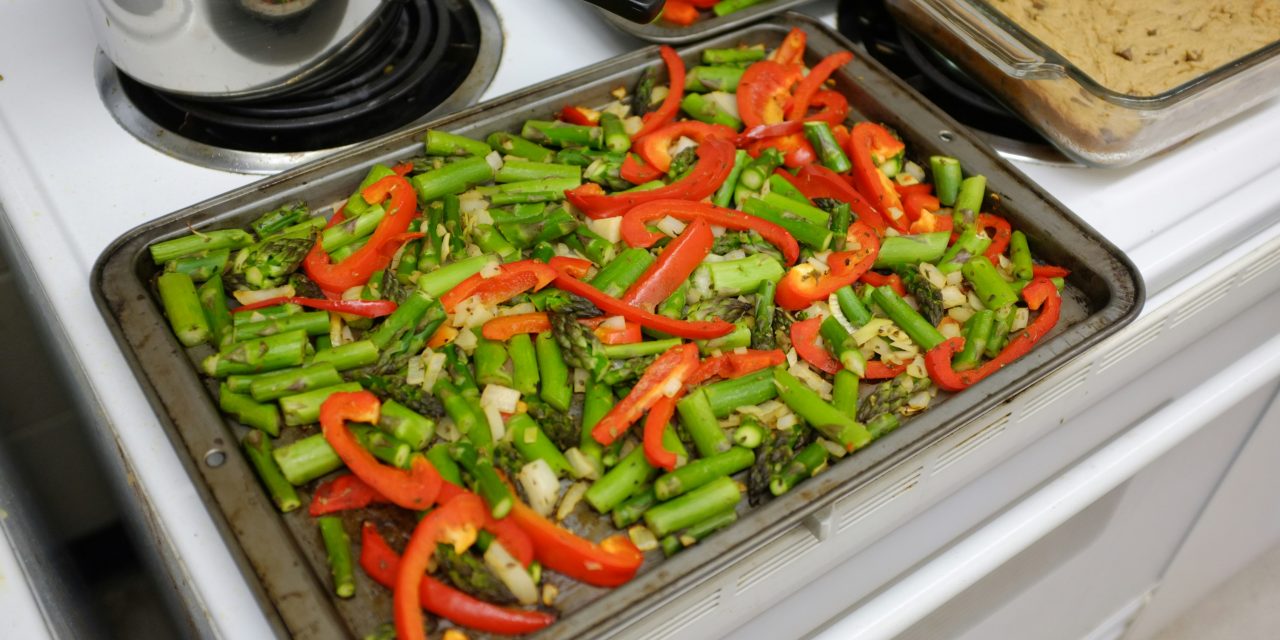
Meal prepping has gained immense popularity in recent years, particularly among health-conscious individuals and busy professionals. One of the most versatile and nutritious components of meal prep is roasted vegetables. Roasting not only enhances the natural flavors of vegetables but also provides a convenient way to incorporate a variety of nutrients into your diet. This cooking method caramelizes the sugars in vegetables, resulting in a delightful texture and taste that can elevate any meal. By preparing roasted vegetables in advance, you can save time during the week while ensuring that you have healthy options readily available.
The process of meal prepping roasted vegetables is straightforward and can be tailored to suit individual preferences. Whether you are looking to create a colorful medley for a side dish, a hearty addition to salads, or a flavorful component for grain bowls, roasted vegetables can be adapted to fit any culinary need. This article will guide you through the essential steps of selecting, preparing, and storing roasted vegetables, as well as provide creative ideas for incorporating them into your meals throughout the week.
If you’re looking to enhance your meal prep routine, consider incorporating roasted vegetables into your weekly plan. Not only are they nutritious and versatile, but they can also save you time during busy weekdays. For more tips on how to effectively meal prep, you might find this article on the shelf life of oat milk helpful, as it discusses how to store various ingredients properly to minimize waste. Check it out here: How Long Does Oat Milk Last in the Fridge?.
Choosing the Right Vegetables for Roasting
Selecting the appropriate vegetables is crucial for achieving optimal flavor and texture when roasting. Some vegetables are particularly well-suited for this cooking method due to their natural sugars and moisture content. Root vegetables such as carrots, sweet potatoes, and beets are excellent choices, as they caramelize beautifully and develop a rich flavor profile when roasted. Cruciferous vegetables like broccoli, cauliflower, and Brussels sprouts also yield fantastic results, becoming tender yet slightly crispy on the edges.
In addition to root and cruciferous vegetables, consider incorporating bell peppers, zucchini, asparagus, and onions into your roasting repertoire. These vegetables not only add vibrant colors to your dish but also contribute a variety of vitamins and minerals essential for overall health. When selecting produce, aim for seasonal options whenever possible, as they tend to be fresher and more flavorful. Additionally, consider the cooking time required for each vegetable; denser varieties may need longer roasting times compared to softer ones.
Gathering Your Ingredients and Tools

Before embarking on your meal prep journey, it is essential to gather all necessary ingredients and tools. Start with fresh vegetables of your choice, ensuring they are free from blemishes or spoilage. You may also want to include herbs and spices for seasoning, such as garlic powder, paprika, thyme, or rosemary. Olive oil is a staple for roasting, as it helps to enhance flavor while promoting even cooking.
In terms of tools, having a sturdy cutting board and a sharp knife is vital for efficient vegetable preparation. A large baking sheet or roasting pan will be necessary for cooking the vegetables evenly in the oven. Parchment paper can be used to line the baking sheet for easier cleanup and to prevent sticking. Additionally, having mixing bowls and measuring spoons on hand will facilitate the seasoning process. By organizing your workspace with these essentials, you can streamline your meal prep experience.
Prepping and Cutting Vegetables Uniformly

Uniformity in cutting vegetables is key to achieving even cooking during the roasting process. When vegetables are cut into similar sizes, they will cook at the same rate, preventing some pieces from becoming overcooked while others remain underdone. Begin by washing all vegetables thoroughly to remove any dirt or pesticides. Once cleaned, peel any necessary vegetables, such as carrots or sweet potatoes.
Next, use a sharp knife to cut the vegetables into uniform pieces. For root vegetables like carrots and sweet potatoes, aim for 1-inch cubes or sticks. Cruciferous vegetables should be broken down into florets of similar size to ensure even roasting. For softer vegetables like zucchini or bell peppers, slices or chunks of about 1-inch thickness work well. Taking the time to prep your vegetables uniformly will result in a more visually appealing dish and enhance the overall dining experience.
If you’re looking to streamline your weekly cooking routine, meal prepping roasted vegetables can be a game changer. Not only does it save time during busy weekdays, but it also ensures you have healthy options readily available. For additional tips on how to enhance your gardening experience, you might find this article on setting up a rain barrel for easy garden watering particularly useful. By incorporating efficient watering techniques, you can grow your own fresh vegetables to roast. Check it out here.
Seasoning: Tips for Flavorful Roasted Veggies
Seasoning is an integral part of preparing roasted vegetables that can elevate their taste significantly. A simple combination of olive oil, salt, and pepper serves as a solid foundation for flavor enhancement. However, feel free to experiment with various herbs and spices to create unique flavor profiles tailored to your preferences. For instance, adding garlic powder or minced fresh garlic can impart a savory depth, while smoked paprika adds a hint of smokiness.
Consider using fresh herbs such as thyme, rosemary, or oregano for an aromatic touch. Tossing the vegetables with balsamic vinegar or lemon juice before roasting can also brighten their flavors and add acidity that balances sweetness. When seasoning, it’s essential to coat the vegetables evenly with oil and spices; this can be achieved by using your hands or a large mixing bowl to ensure every piece is well-covered. Remember that seasoning can always be adjusted after roasting; start with a moderate amount and add more if needed.
Arranging Vegetables on the Baking Sheet
The arrangement of vegetables on the baking sheet plays a significant role in achieving optimal roasting results. To ensure even cooking and browning, spread the vegetables out in a single layer without overcrowding the pan. Overcrowding can lead to steaming rather than roasting, resulting in soggy textures instead of crispy edges. If necessary, use multiple baking sheets to accommodate all your prepped vegetables.
When arranging the vegetables, consider placing denser varieties like carrots and potatoes on one side of the sheet while lighter options like zucchini and bell peppers occupy another section. This allows for better control over cooking times since denser vegetables typically require longer roasting periods. Additionally, leaving space between each piece promotes airflow around the vegetables, enhancing caramelization.
Roasting Time and Temperature Guidelines
Roasting temperatures typically range from 400°F to 450°F (204°C to 232°C), depending on the type of vegetable being prepared. A higher temperature promotes browning and caramelization while maintaining tenderness within the vegetable. As a general guideline, root vegetables may require approximately 25-35 minutes at 425°F (218°C), while softer varieties may only need 15-25 minutes at the same temperature.
To ensure even cooking, it’s advisable to toss or flip the vegetables halfway through the roasting time. This allows all sides to develop that desirable golden-brown color while preventing any burning on one side. Keep an eye on your veggies during the last few minutes of cooking; they can quickly go from perfectly roasted to overdone if left unattended.
Cooling and Storing Roasted Vegetables Properly
Once your roasted vegetables have reached their peak flavor and texture, it’s essential to cool them properly before storing them for later use. Allow them to cool on the baking sheet for about 10-15 minutes at room temperature before transferring them to airtight containers. This cooling period helps prevent condensation from forming inside the container, which can lead to sogginess.
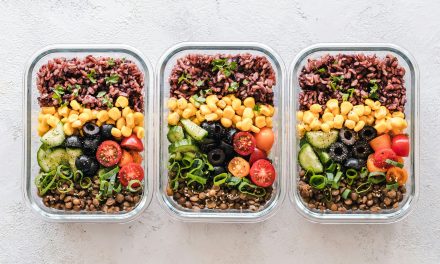
When storing roasted vegetables in the refrigerator, use glass or BPA-free plastic containers with tight-fitting lids to maintain freshness. Properly stored roasted veggies can last up to five days in the fridge without losing their quality. For longer storage options, consider freezing them in freezer-safe bags or containers; they can last up to three months in the freezer while retaining their nutritional value.
Creative Ways to Use Your Prepped Roasted Vegetables
The versatility of roasted vegetables allows for endless culinary creativity throughout the week. One popular option is incorporating them into salads; simply toss them with leafy greens, grains like quinoa or farro, nuts or seeds for added crunch, and your favorite dressing for a satisfying meal. Roasted veggies can also serve as toppings for grain bowls alongside proteins such as grilled chicken or chickpeas.
Another innovative way to utilize prepped roasted vegetables is by blending them into soups or purees for added depth of flavor and nutrition. They can also be mixed into omelets or frittatas for a hearty breakfast option or served as a side dish alongside proteins at dinner. The possibilities are truly limitless when it comes to integrating these flavorful components into various meals.
Tips for Keeping Roasted Vegetables Fresh Throughout the Week
To maintain the freshness of your roasted vegetables throughout the week, proper storage techniques are crucial. As mentioned earlier, allow them to cool completely before sealing them in airtight containers; this minimizes moisture buildup that could lead to spoilage. When reheating leftovers, consider using an oven or air fryer rather than a microwave; this helps retain their crispiness rather than making them soggy.
If you notice any signs of spoilage such as off smells or discoloration during storage, it’s best to discard those portions immediately to avoid foodborne illness risks. Additionally, consider portioning out servings ahead of time; this not only makes it easier to grab meals on busy days but also helps prevent overconsumption of leftovers that may lead to waste.
Benefits of Weekly Roasted Vegetable Meal Prep
In conclusion, meal prepping roasted vegetables offers numerous benefits that extend beyond mere convenience. This method allows individuals to enjoy nutritious meals throughout the week while saving time in busy schedules. The ability to customize flavors through seasoning and pairing with various dishes enhances culinary creativity while promoting healthy eating habits.
By following proper preparation techniques—from selecting suitable vegetables and cutting them uniformly to seasoning effectively—you can create delicious roasted vegetable medleys that elevate any meal. With thoughtful storage practices in place, you can enjoy these flavorful components all week long without compromising quality or taste. Embrace the art of meal prepping roasted vegetables today and reap the rewards of enhanced nutrition and culinary delight!
FAQs
What vegetables are best for roasting and meal prepping?
Some of the best vegetables for roasting and meal prepping include bell peppers, zucchini, carrots, broccoli, cauliflower, sweet potatoes, and Brussels sprouts. These vegetables hold up well during cooking and maintain their flavor and texture when stored in the refrigerator.
How do I properly prepare vegetables for roasting?
To prepare vegetables for roasting, start by washing and peeling (if necessary) the vegetables. Cut them into uniform pieces to ensure even cooking. Toss the vegetables in olive oil, salt, pepper, and any desired herbs or spices before spreading them out on a baking sheet in a single layer.
What temperature should I roast vegetables at?
The ideal temperature for roasting vegetables is typically between 400°F to 425°F (200°C to 220°C). This high heat allows the vegetables to caramelize and develop a rich flavor while ensuring they cook through without becoming mushy.
How long can roasted vegetables be stored in the refrigerator?
Roasted vegetables can be stored in an airtight container in the refrigerator for up to 4 to 5 days. To maintain their quality, it’s best to reheat them in the oven or on the stovetop rather than the microwave, which can make them soggy.
Can I freeze roasted vegetables for later use?
Yes, you can freeze roasted vegetables for later use. Allow them to cool completely, then place them in a freezer-safe container or bag. They can be stored in the freezer for up to 3 months. When ready to use, thaw them in the refrigerator and reheat in the oven or on the stovetop.