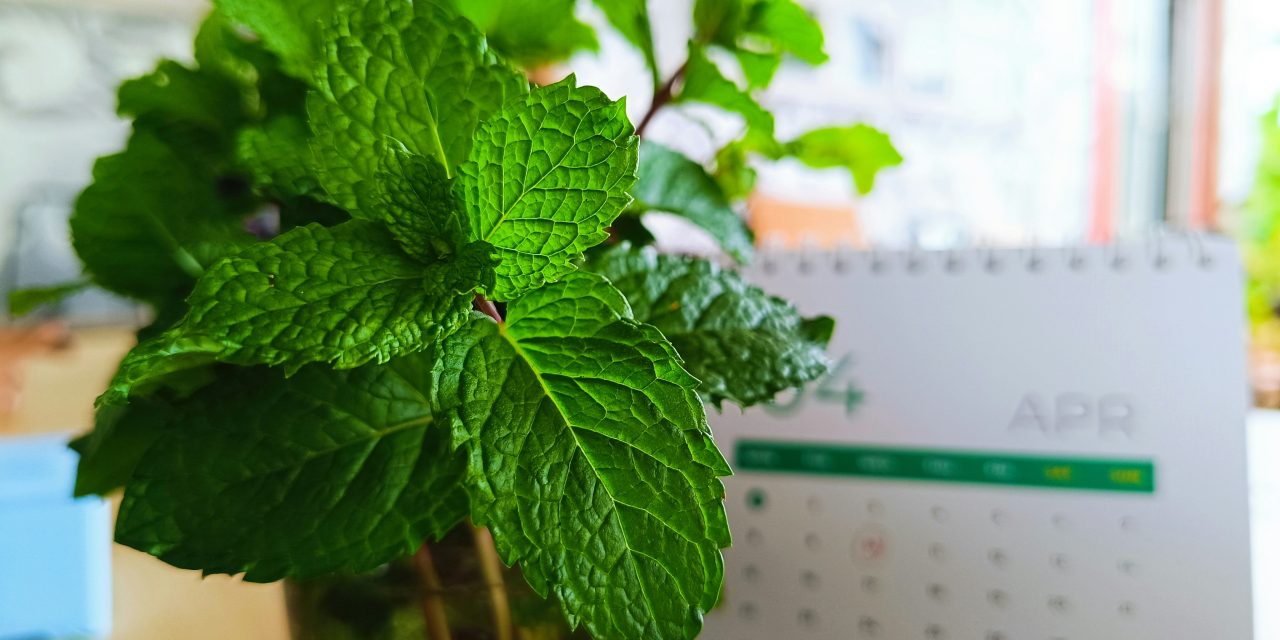
When embarking on the journey of cultivating mint indoors, selecting the appropriate variety is paramount. Mint encompasses a plethora of species, each with unique characteristics and growth habits. The most popular varieties include Peppermint (Mentha × piperita), Spearmint (Mentha spicata), and Chocolate Mint (Mentha × piperita ‘Chocolate’). Peppermint is renowned for its robust flavor and high menthol content, making it ideal for culinary uses and herbal teas. Spearmint, on the other hand, is milder and sweeter, often preferred for garnishing dishes and beverages. Chocolate Mint offers a delightful twist with its subtle cocoa aroma, appealing to those seeking a unique flavor profile.
When choosing a mint variety for indoor growth, consider factors such as growth rate, leaf size, and aroma. Peppermint tends to grow vigorously, requiring more frequent pruning to maintain its shape. Spearmint is slightly more forgiving in terms of space and can thrive in smaller pots. Chocolate Mint, while slower to establish, rewards growers with its distinctive scent and taste. Ultimately, the choice of mint variety should align with personal preferences and intended culinary applications.
If you’re interested in growing mint plants indoors, you might find it helpful to read about the best practices for maintaining indoor plants in general. A related article that provides useful tips is available at this link: Top 10 Tips for Choosing the Best Cat Vet Clinic Near You. While the article focuses on pet care, it also emphasizes the importance of creating a healthy environment for all living things, including your indoor mint plants.
Selecting the Perfect Pot and Soil Mix
The selection of an appropriate pot and soil mix is crucial for the successful cultivation of mint indoors. Mint plants thrive in containers that provide adequate drainage while allowing for sufficient root expansion. A pot with drainage holes at the bottom is essential to prevent waterlogging, which can lead to root rot. A standard size for indoor mint pots ranges from 6 to 12 inches in diameter, depending on the variety and growth stage.
In terms of soil mix, mint prefers a well-draining medium rich in organic matter. A combination of potting soil, perlite, and compost creates an ideal environment for healthy root development. The potting soil provides essential nutrients, while perlite enhances aeration and drainage. Compost contributes beneficial microorganisms that promote soil health. Additionally, incorporating a slow-release fertilizer into the soil mix can provide a steady supply of nutrients as the plant grows.
Providing Adequate Light for Optimal Mint Growth

Light is a critical factor influencing the growth and development of indoor mint plants. Mint thrives in bright, indirect sunlight; therefore, placing pots near a south or west-facing window is ideal. If natural light is insufficient, consider supplementing with grow lights that emit a full spectrum of light wavelengths. LED grow lights are particularly effective due to their energy efficiency and low heat output.
Mint typically requires around 12 to 16 hours of light daily for optimal growth. During the winter months or in low-light conditions, adjusting the duration of light exposure can help maintain healthy foliage. Observing the plant’s response to light conditions is essential; if leaves become leggy or pale, it may indicate insufficient light. Conversely, if leaves scorch or fade, it may be necessary to reduce light exposure.
Maintaining Proper Watering Practices

Watering practices play a pivotal role in the health of indoor mint plants. Mint prefers consistently moist soil but is susceptible to overwatering, which can lead to root rot. A general rule of thumb is to water when the top inch of soil feels dry to the touch. This approach ensures that the roots receive adequate moisture without becoming waterlogged.
To enhance watering efficiency, consider using a moisture meter to gauge soil moisture levels accurately. Additionally, employing a self-watering pot can help maintain consistent moisture levels while reducing the risk of overwatering. When watering, aim to saturate the soil thoroughly until water drains from the bottom of the pot. This practice encourages deep root growth and overall plant vigor.
If you’re considering growing a mint plant indoors, you’ll find that it can thrive in a variety of conditions, making it a great addition to your home. For tips on how to care for your mint and ensure it flourishes, you might want to check out this informative article on the subject. Additionally, if you’re curious about other household topics, you can explore how to preserve food effectively, such as in this article about freezing milk, which discusses what changes occur after thawing. For more details, visit this link.
Ensuring Good Air Circulation and Humidity Levels
Air circulation and humidity levels are vital components in fostering a healthy indoor environment for mint plants. Good air circulation helps prevent fungal diseases and promotes robust growth by allowing leaves to dry quickly after watering. Placing fans near your mint plants can enhance airflow without creating harsh drafts that may stress the plants.
Mint thrives in moderate humidity levels ranging from 40% to 60%. If indoor air is excessively dry, especially during winter months when heating systems are in use, consider using a humidifier or placing a tray of water near the plants to increase humidity levels. Regular misting can also help maintain moisture in the air around the plants while providing additional hydration to the leaves.
Feeding Your Mint: Fertilizer Tips and Schedule
Feeding mint plants with appropriate fertilizers is essential for promoting healthy growth and vibrant foliage. A balanced liquid fertilizer with an N-P-K ratio of 10-10-10 or similar can be applied every four to six weeks during the growing season (spring through early fall). This schedule ensures that mint receives adequate nutrients without overwhelming the plant.
Organic options such as fish emulsion or seaweed extract can also be beneficial for mint cultivation. These fertilizers provide essential micronutrients while enhancing soil health through microbial activity. When applying fertilizers, always follow package instructions to avoid over-fertilization, which can lead to nutrient burn and compromised plant health.
Pruning Techniques to Encourage Bushy Growth
Pruning is an essential practice for maintaining bushy growth in indoor mint plants. Regularly trimming back stems encourages lateral branching, resulting in a fuller plant with more leaves available for harvest. The best time to prune mint is during active growth periods in spring and summer when the plant is most vigorous.
To prune effectively, use clean, sharp scissors or pruning shears to cut back stems just above a leaf node. This technique stimulates new growth from that node while preventing leggy growth patterns. Additionally, removing any flowers that may develop helps redirect energy back into leaf production rather than seed formation.
Managing Common Pests and Diseases Indoors
Indoor mint plants can be susceptible to various pests and diseases that may hinder their growth and overall health. Common pests include aphids, spider mites, and whiteflies, which can cause leaf discoloration and stunted growth if left unchecked. Regularly inspecting plants for signs of infestation is crucial; early detection allows for prompt intervention.
To manage pests organically, consider using insecticidal soap or neem oil sprays that target soft-bodied insects without harming beneficial organisms. Additionally, maintaining good air circulation and proper watering practices can help prevent fungal diseases such as powdery mildew. If disease symptoms appear, promptly remove affected leaves and adjust environmental conditions to promote recovery.
Repotting Your Mint Plant for Continued Health
Repotting is an essential practice for maintaining healthy indoor mint plants as they grow and develop over time. Mint has a vigorous root system that can quickly outgrow its container, leading to stunted growth if not addressed. Signs that repotting is necessary include roots emerging from drainage holes or water pooling on the surface of the soil.
When repotting mint, choose a slightly larger pot with fresh potting mix to provide ample space for root expansion. Gently remove the plant from its current container, taking care not to damage the roots. Trim any excessively long or damaged roots before placing it in the new pot with fresh soil. Water thoroughly after repotting to help settle the soil around the roots.
Harvesting Mint Leaves Without Harming the Plant
Harvesting mint leaves correctly is crucial for ensuring continued growth and vitality of the plant. The best time to harvest is in the morning when essential oils are most concentrated in the leaves. Use clean scissors or pruning shears to snip off stems just above a leaf node; this encourages new growth from that point.
Avoid removing more than one-third of the plant at any given time to prevent stress on the plant. Regular harvesting not only provides fresh leaves for culinary use but also promotes bushier growth by stimulating lateral branching.
Troubleshooting Common Indoor Mint Growing Problems
Despite best efforts, indoor mint plants may encounter various challenges that require troubleshooting. Common issues include yellowing leaves, which may indicate overwatering or nutrient deficiencies; adjusting watering practices or fertilizing appropriately can often resolve this problem.
Leggy growth may signal insufficient light exposure; relocating plants closer to a light source or supplementing with grow lights can help rectify this issue. Additionally, if pests or diseases are suspected, prompt action should be taken to identify and treat them effectively.
In summary, cultivating mint indoors requires careful attention to various factors including variety selection, potting conditions, light exposure, watering practices, air circulation, feeding schedules, pruning techniques, pest management, repotting strategies, harvesting methods, and troubleshooting common problems. By adhering to these guidelines and maintaining vigilance over your plants’ needs, you can enjoy a thriving indoor mint garden that provides fresh leaves year-round for culinary delights and herbal remedies alike.
FAQs
Can mint plants be grown indoors?
Yes, mint plants can be successfully grown indoors. They thrive in pots and containers, making them ideal for indoor gardening. Ensure they receive adequate sunlight and are planted in well-draining soil.
What type of light do indoor mint plants need?
Indoor mint plants require at least 6 hours of bright, indirect sunlight each day. A south-facing window is ideal, but if natural light is insufficient, consider using grow lights to supplement their light needs.
How often should I water my indoor mint plant?
Indoor mint plants prefer consistently moist soil but should not be overwatered. Water them when the top inch of soil feels dry to the touch, typically every 1-2 weeks, depending on humidity and temperature conditions.
What is the best soil for growing mint indoors?
The best soil for growing mint indoors is a well-draining potting mix that retains some moisture. A mix containing peat moss, perlite, and compost is ideal, as it provides the necessary nutrients and drainage for healthy growth.
How can I encourage bushier growth in my indoor mint plant?
To encourage bushier growth in your indoor mint plant, regularly pinch back the tips of the stems. This promotes branching and results in a fuller, more compact plant. Additionally, ensure the plant receives adequate light and nutrients.