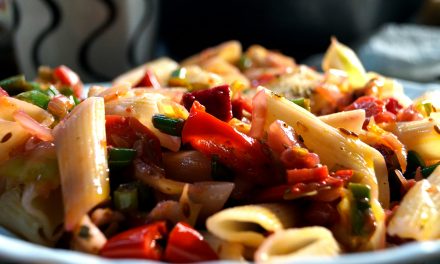
Evaporated milk serves as a versatile ingredient in the preparation of mac and cheese, contributing to its signature creamy texture and rich flavor profile. This concentrated dairy product is created by removing approximately 60% of the water content from fresh milk, resulting in a thicker consistency that enhances the overall mouthfeel of the dish. The natural sweetness of evaporated milk complements the sharpness of cheese, creating a harmonious balance that elevates the dish beyond mere comfort food.
In addition to its flavor-enhancing properties, evaporated milk is also a practical choice for home cooks. Its long shelf life makes it an ideal pantry staple, allowing for spontaneous mac and cheese creations without the need for fresh dairy products. When incorporated into cheese sauces, evaporated milk helps to achieve a velvety texture that clings to pasta, ensuring that each bite is indulgently creamy. Furthermore, its nutritional profile, which includes essential vitamins and minerals such as calcium and vitamin D, adds a healthful dimension to this beloved dish.
If you’re looking for a delicious way to make mac and cheese without using evaporated milk, you might find it helpful to explore alternative ingredients that can still give you that creamy texture. For more culinary tips and tricks, you can check out this related article on how to properly store your leftovers, which is especially useful after big meals like Thanksgiving. You can read more about it here: How Long Does Cooked Turkey Last After Thanksgiving?.
Using Heavy Cream as a Creamy Substitute
Heavy cream is another excellent alternative for achieving a luxurious texture in mac and cheese. With a fat content ranging from 36% to 40%, heavy cream provides an unparalleled richness that can transform a simple cheese sauce into a decadent experience. When heated, heavy cream emulsifies beautifully with cheese, creating a smooth and cohesive sauce that envelops the pasta perfectly.
Incorporating heavy cream into mac and cheese not only enhances its creaminess but also allows for greater flexibility in flavor profiles. By adjusting the ratio of heavy cream to cheese, cooks can create a sauce that ranges from mildly creamy to intensely rich. Additionally, heavy cream can be combined with other ingredients such as garlic or herbs to introduce complexity and depth to the dish. However, it is essential to monitor the cooking temperature carefully, as overheating can lead to separation and curdling.
Incorporating Cream Cheese for Extra Richness

Cream cheese is a delightful addition to mac and cheese, offering an extra layer of richness and tanginess that complements traditional cheese varieties. This soft cheese has a high-fat content and a smooth texture, making it an ideal candidate for blending into sauces. When melted into the cheese mixture, cream cheese contributes to a luscious consistency while imparting a subtle flavor that enhances the overall dish.
To incorporate cream cheese effectively, it is advisable to soften it at room temperature before mixing it with other ingredients. This ensures that it blends seamlessly into the sauce without clumping. For those seeking a more pronounced flavor, flavored cream cheeses—such as garlic herb or jalapeño—can be used to add an exciting twist to classic mac and cheese recipes. The result is a dish that is not only creamy but also bursting with flavor.
Adding Sour Cream to Enhance Creaminess

Sour cream is another ingredient that can elevate mac and cheese by introducing a delightful tanginess while enhancing its creamy texture. The acidity of sour cream balances the richness of cheese, creating a well-rounded flavor profile that tantalizes the palate. Additionally, sour cream contributes moisture to the dish, ensuring that it remains luscious and satisfying.
When using sour cream in mac and cheese, it is best to add it towards the end of the cooking process to preserve its tangy flavor. This allows the sour cream to meld with the other ingredients without losing its distinctive taste. For those who enjoy experimenting with flavors, adding spices or herbs to sour cream before incorporating it into the sauce can create unique variations that cater to individual preferences.
If you’re looking for a delicious way to make mac and cheese without using evaporated milk, you might find it helpful to explore some creative alternatives that can enhance the creaminess of your dish. For instance, using cream cheese or a blend of different cheeses can yield a rich flavor and texture. Additionally, if you’re interested in other cooking tips, you can check out this informative article on how to groom a Maine Coon and maintain its thick coat, which offers great insights into caring for your furry friend while you whip up your favorite comfort food. You can read more about it here.
Utilizing Whole Milk and Butter Combination
A classic combination of whole milk and butter can serve as an effective base for mac and cheese sauces. Whole milk provides a creamy consistency while maintaining a lighter profile compared to heavier dairy options. The addition of butter enhances the richness of the sauce, creating a velvety texture that coats the pasta beautifully.
To achieve optimal results with this combination, it is crucial to use high-quality ingredients. Unsalted butter allows for better control over seasoning, while whole milk should be at room temperature for easier incorporation into the sauce. By gradually whisking in the milk after melting the butter, cooks can create a smooth base before adding cheese. This method ensures that the sauce remains lump-free and achieves the desired consistency.
Blending Greek Yogurt for a Tangy Twist
Greek yogurt is an innovative ingredient that can add both creaminess and tanginess to mac and cheese while providing a healthier alternative to traditional dairy products. With its high protein content and lower fat levels compared to heavy cream or sour cream, Greek yogurt offers a nutritious option without sacrificing flavor or texture.
When incorporating Greek yogurt into mac and cheese, it is essential to choose plain varieties without added sugars or flavors. Mixing Greek yogurt into the cheese sauce at lower temperatures prevents curdling while allowing it to blend smoothly with other ingredients. The result is a creamy sauce with a delightful tang that enhances the overall flavor profile of the dish.
Mixing in Cottage Cheese for Texture and Creaminess
Cottage cheese is often overlooked as an ingredient in mac and cheese but can provide both texture and creaminess when used thoughtfully. Its curds add an interesting dimension to the dish while contributing moisture and protein. When blended into the cheese sauce, cottage cheese creates a unique texture that contrasts beautifully with traditional melted cheeses.
To incorporate cottage cheese effectively, it is advisable to blend it until smooth before adding it to the sauce mixture. This ensures that any curds are broken down, resulting in a cohesive sauce without lumps. For those who enjoy experimenting with flavors, adding herbs or spices to cottage cheese before mixing it in can create exciting variations on classic mac and cheese recipes.
Employing Cashew Cream for a Dairy-Free Option
For those seeking dairy-free alternatives, cashew cream presents an excellent option for achieving creaminess in mac and cheese without compromising on flavor or texture. Made by soaking cashews in water and blending them until smooth, cashew cream offers a rich consistency that mimics traditional dairy products.
To create cashew cream for mac and cheese, soak raw cashews in water for several hours or overnight before draining and blending them with water or vegetable broth until smooth. This versatile ingredient can be seasoned with nutritional yeast for a cheesy flavor or garlic powder for added depth. The result is a creamy sauce that satisfies cravings while accommodating dietary restrictions.
Using Condensed Milk Carefully for Sweetness and Cream
Condensed milk can be an unconventional yet effective ingredient in mac and cheese when used judiciously. This sweetened dairy product adds both creaminess and sweetness, creating an interesting contrast with savory cheeses. However, caution must be exercised when incorporating condensed milk, as its sweetness can easily overpower other flavors if not balanced appropriately.
To use condensed milk effectively in mac and cheese, consider reducing other sweet ingredients or adjusting seasoning levels accordingly. A small amount can enhance richness without overwhelming the dish’s savory elements. Combining condensed milk with sharp cheeses can create an intriguing flavor profile that surprises and delights diners.
Experimenting with Half-and-Half for Balanced Creaminess
Half-and-half—a blend of equal parts whole milk and heavy cream—offers an ideal compromise between richness and lightness in mac and cheese recipes. With its moderate fat content, half-and-half provides a creamy texture without being overly indulgent. This makes it an excellent choice for those who desire a balanced approach to their comfort food.
When using half-and-half in mac and cheese, it can be substituted directly for milk or combined with other creamy ingredients like butter or cream cheese for added richness. The key is to monitor cooking temperatures carefully to prevent curdling while ensuring that flavors meld harmoniously throughout the dish.
Tips for Achieving the Perfect Cheese Sauce Consistency Without Evaporated Milk
Achieving the perfect consistency in cheese sauce requires attention to detail and technique, especially when avoiding evaporated milk. Start by selecting high-quality cheeses known for their melting properties—such as cheddar, Gruyère, or Monterey Jack—to ensure optimal results. Grating cheese rather than using pre-packaged varieties allows for better melting and integration into sauces.
Incorporating starches like flour or cornstarch can help thicken sauces effectively without relying on evaporated milk. Creating a roux by cooking equal parts flour and butter before gradually whisking in liquid creates a stable base for your sauce. Additionally, using low heat during cooking prevents separation while allowing flavors to develop fully.
In conclusion, there are numerous alternatives available for achieving creamy mac and cheese without relying solely on evaporated milk. From heavy cream and cream cheese to Greek yogurt and cashew cream, each ingredient offers unique benefits that enhance flavor profiles while accommodating dietary preferences. By experimenting with these options and employing effective techniques, home cooks can create deliciously creamy mac and cheese tailored to their tastes.
### FAQ Section
1. **Can I use almond milk instead of evaporated milk?**
Yes! Almond milk can be used as a dairy-free alternative; however, it may require additional thickening agents like cornstarch due to its thinner consistency.
2. **What type of cheese works best for mac and cheese?**
Cheddar is classic; however, combining different cheeses like Gruyère or mozzarella can enhance flavor complexity.
3. **How do I prevent my cheese sauce from becoming grainy?**
Use freshly grated cheeses instead of pre-shredded varieties; also avoid overheating your sauce once the cheese has been added.
4. **Can I make mac and cheese ahead of time?**
Absolutely! Prepare your dish ahead of time; just ensure you store it properly in an airtight container in the refrigerator.
5. **Is there a gluten-free option for thickening sauces?**
Yes! Cornstarch or gluten-free flour blends can be used as thickening agents instead of traditional wheat flour.
6. **How do I reheat leftover mac and cheese?**
Reheat gently on low heat on the stovetop or microwave; adding a splash of milk can help restore creaminess.
7. **Can I freeze mac and cheese?**
Yes! Mac and cheese freezes well; just ensure it’s stored in an airtight container or freezer bag.
8. **What herbs or spices can I add for extra flavor?**
Consider adding garlic powder, paprika, or fresh herbs like thyme or parsley for added depth.
9. **How do I make my mac and cheese spicier?**
Incorporate jalapeños or hot sauce into your sauce mixture for an extra kick!
10. **What’s the best way to achieve crispy topping?**
Combine breadcrumbs with melted butter before sprinkling over your mac and cheese; broil briefly until golden brown.
In summary, there are numerous ways to achieve creamy mac and cheese without relying solely on evaporated milk by utilizing various dairy products or alternatives such as heavy cream, Greek yogurt, or cashew cream while employing effective cooking techniques for optimal results.
FAQs
Can I use regular milk instead of evaporated milk in mac and cheese?
Yes, you can use regular milk instead of evaporated milk in mac and cheese. However, you may need to adjust the amount of cheese and flour to achieve the desired creaminess and thickness, as regular milk has a higher water content.
What are some alternatives to evaporated milk for making mac and cheese?
Some alternatives to evaporated milk include heavy cream, half-and-half, or a combination of milk and cream. You can also use non-dairy milk options like almond milk or oat milk, but be sure to choose unsweetened varieties for the best flavor.
How can I thicken my mac and cheese without evaporated milk?
You can thicken your mac and cheese by using a roux made from butter and flour, or by adding shredded cheese gradually while stirring. Additionally, you can incorporate ingredients like cream cheese or sour cream for added creaminess and thickness.
Is it possible to make mac and cheese without any milk at all?
Yes, it is possible to make mac and cheese without any milk. You can use broth or stock as a base, and then add cheese and other ingredients to create a creamy texture. Alternatively, you can use pureed vegetables like cauliflower or butternut squash for a dairy-free option.
What type of cheese works best for mac and cheese without evaporated milk?
Cheddar cheese is the most popular choice for mac and cheese, but you can also use a combination of cheeses like mozzarella, gouda, or Monterey Jack for added flavor and creaminess. Experimenting with different cheeses can enhance the overall taste of your dish.