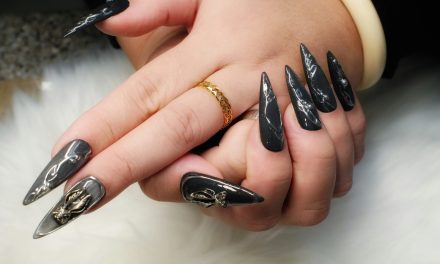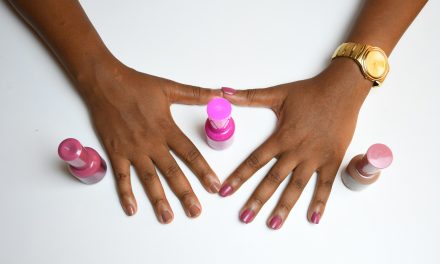
Nail glue, a common adhesive used in the beauty industry, serves as a bonding agent for artificial nails, nail tips, and nail art embellishments. Typically composed of cyanoacrylate, a fast-acting adhesive, nail glue is designed to create a strong bond that can withstand daily wear and tear. However, while it provides a temporary solution for enhancing the appearance of nails, it can also have detrimental effects on natural nails if not handled properly. Prolonged exposure to nail glue can lead to weakened nail structures, brittleness, and even potential infections if the adhesive seeps into the nail bed.
The chemical composition of nail glue allows it to adhere quickly and firmly, which is advantageous for cosmetic purposes but poses risks for natural nails. When removed improperly, the adhesive can strip away layers of the nail plate, leading to thinning and increased susceptibility to breakage. Additionally, the removal process can cause trauma to the surrounding skin and cuticles, resulting in inflammation or irritation. Understanding these effects is crucial for anyone who frequently uses nail glue, as it emphasizes the importance of safe removal techniques.
If you’re looking for effective methods to remove nail glue from your natural nails, you might find it helpful to explore related topics on maintaining cleanliness and safety in your home. For instance, understanding how to clean a dryer vent and remove dangerous lint buildup can enhance your overall home care routine. You can read more about this essential maintenance task in the article found here: How to Clean a Dryer Vent and Remove Dangerous Lint Buildup.
Why Removing Nail Glue Safely Matters
The significance of safely removing nail glue cannot be overstated. Improper removal techniques can lead to a myriad of complications, including damage to the natural nail matrix and surrounding tissues. When adhesive is forcibly pulled off, it may take layers of the nail with it, leading to painful exposure of the nail bed and increasing the risk of infections. Furthermore, damaged nails can become prone to fungal infections, which may require extensive treatment and time to heal.
Moreover, safe removal practices contribute to overall nail health and aesthetics. Healthy nails are not only visually appealing but also serve as a protective barrier for the underlying tissues. By prioritizing safe removal methods, individuals can maintain the integrity of their natural nails while enjoying the benefits of artificial enhancements. This proactive approach minimizes long-term damage and promotes healthier nail growth.
Gather Your Materials Before Starting

Before embarking on the nail glue removal process, it is essential to gather all necessary materials to ensure a smooth and effective experience. The following items are recommended:
1. **Warm Water**: A bowl or basin filled with warm water will help soften the glue.
2. **Mild Soap**: A gentle soap will aid in breaking down the adhesive properties of the glue.
3. **Acetone-Based Nail Polish Remover**: This solvent is effective in dissolving cyanoacrylate adhesives.
4. **Olive Oil or Coconut Oil**: These natural oils can help moisturize and soften both the glue and the surrounding skin.
5. **Cuticle Stick**: A wooden or plastic cuticle stick is useful for gently pushing off softened glue.
6. **Petroleum Jelly**: This product can create a barrier that protects the skin during the removal process.
7. **Nail Buffer**: A fine-grit buffer can help smooth out any rough edges after glue removal.
8. **Cotton Balls or Pads**: These will be used for applying acetone or oils.
Having these materials ready will streamline the process and minimize potential complications during glue removal.
Method 1: Soaking Nails in Warm Soapy Water

One of the gentlest methods for removing nail glue involves soaking nails in warm soapy water. This technique utilizes heat and moisture to soften the adhesive bond without causing damage to the natural nails. Begin by filling a bowl with warm water and adding a few drops of mild soap. Soak your fingers in this solution for approximately 15-20 minutes, allowing the warmth to penetrate and loosen the glue.
After soaking, gently rub your nails with your fingertips or a soft cloth to help dislodge any remaining adhesive. If necessary, you can repeat this process until the glue begins to lift away from the nail surface. This method is particularly beneficial for individuals with sensitive skin or those who prefer a non-invasive approach to glue removal.
If you’re struggling with stubborn nail glue on your natural nails, you might find it helpful to explore some effective techniques for removal. One useful resource is an article that provides insights into maintaining your nails while ensuring they remain healthy. For more information on caring for your nails, check out this informative piece on nail care tips.
Method 2: Using Acetone-Based Nail Polish Remover
Acetone-based nail polish remover is widely recognized as one of the most effective solutions for dissolving nail glue. The solvent properties of acetone break down cyanoacrylate adhesives quickly and efficiently. To utilize this method, saturate a cotton ball or pad with acetone and place it directly on the glued area of your nail. Secure it in place using aluminum foil or tape to create a seal that enhances absorption.
Allow the acetone to sit for approximately 10-15 minutes, during which time it will penetrate the adhesive bond. Afterward, gently wipe away the cotton ball while applying slight pressure to help lift off any remaining glue. It is important to note that acetone can be drying to both nails and skin; therefore, it is advisable to follow up with a moisturizing treatment after using this method.
If you’re struggling with stubborn nail glue on your natural nails, you might find it helpful to explore some effective removal techniques. One useful resource that offers insights on this topic can be found in a related article that discusses various methods to safely eliminate adhesive without damaging your nails. You can read more about it by visiting this helpful guide that provides tips and tricks for nail care.
Method 3: Applying Olive Oil or Coconut Oil
For those seeking a more natural approach, olive oil or coconut oil can be effective alternatives for removing nail glue. These oils possess emollient properties that help soften both the adhesive and surrounding skin without harsh chemicals. To use this method, apply a generous amount of olive oil or coconut oil directly onto the glued area and massage it gently into the nail and cuticle.
Allow the oil to sit for at least 15-20 minutes to facilitate penetration into the adhesive bond. Afterward, use a cuticle stick to gently push off any softened glue residue. This method not only aids in glue removal but also nourishes and hydrates the nails and cuticles, promoting overall nail health.
Method 4: Gently Pushing Off Glue with a Cuticle Stick
Once you have softened the nail glue using one of the aforementioned methods, you may find that gently pushing off the adhesive with a cuticle stick is an effective way to complete the removal process. It is crucial to approach this step with caution; excessive force can lead to damage or discomfort. Begin by positioning the cuticle stick at one edge of the glued area and applying gentle pressure.
Work your way around the perimeter of the adhesive, gradually lifting it away from the natural nail surface. If resistance is encountered, do not forcefully pry it off; instead, return to soaking or applying oil until further softening occurs. This method allows for precise control during removal while minimizing trauma to both nails and surrounding tissues.
Method 5: Using Petroleum Jelly for Softening Glue
Petroleum jelly serves as an excellent barrier that protects skin during adhesive removal while also aiding in softening stubborn glue residues. To utilize this method effectively, apply a generous layer of petroleum jelly around the edges of your nails and cuticles before attempting any removal techniques. This protective layer helps prevent irritation from acetone or other solvents while also providing moisture.
After applying petroleum jelly, proceed with one of the previous methods—such as soaking in warm soapy water or using acetone-based remover—to dissolve the glue effectively. The combination of petroleum jelly with these methods enhances safety and comfort during removal while ensuring that your skin remains hydrated throughout the process.
Method 6: Employing a Nail Buffer Carefully
Once you have successfully removed most of the nail glue, employing a fine-grit nail buffer can help smooth out any rough patches left behind on your natural nails. It is essential to use this tool sparingly; excessive buffing can lead to thinning of the nail plate and increased susceptibility to breakage. Begin by lightly buffing over areas where glue residue remains, focusing on smoothing rather than removing layers of your natural nails.
This method not only enhances aesthetics but also prepares your nails for subsequent treatments or polish applications by creating an even surface. After buffing, be sure to apply a nourishing cuticle oil or moisturizer to replenish hydration lost during both glue removal and buffing processes.
Seeking Professional Help When Needed
In some cases, individuals may find themselves struggling with stubborn nail glue that resists all home removal methods. If you encounter persistent adhesive that does not respond to soaking or solvents, seeking professional assistance may be necessary. Nail technicians possess specialized tools and expertise that allow them to safely remove adhesives without causing damage.
Additionally, if you experience signs of infection—such as redness, swelling, or discharge—consulting a healthcare professional is imperative. They can provide appropriate treatment options tailored to your specific condition while ensuring that your nails remain healthy throughout recovery.
Tips for Maintaining Healthy Nails After Glue Removal
After successfully removing nail glue, implementing strategies for maintaining healthy nails is crucial for long-term care. Here are several tips:
1. **Hydration**: Regularly apply cuticle oil or moisturizing creams to nourish both nails and surrounding skin.
2. **Avoid Harsh Chemicals**: Limit exposure to harsh cleaning agents or solvents that can weaken nails.
3. **Balanced Diet**: Consume foods rich in vitamins and minerals—such as biotin, zinc, and omega-3 fatty acids—to promote healthy nail growth.
4. **Gentle Filing**: Use a fine-grit file instead of clippers to shape nails without causing splits or tears.
5. **Regular Breaks**: Allow your natural nails time to recover between applications of artificial enhancements.
By following these guidelines, individuals can foster an environment conducive to healthy nail growth while minimizing potential damage from future adhesive applications.
In summary, understanding nail glue’s effects on natural nails is essential for maintaining their health during cosmetic enhancements. Safe removal techniques are paramount in preventing damage and promoting recovery post-adhesive use. Various methods exist for effective removal—ranging from soaking in warm soapy water to utilizing acetone-based removers—each offering unique benefits tailored to individual preferences. Following up with proper care ensures that nails remain strong and resilient against future challenges associated with artificial enhancements.
FAQs
What is nail glue made of?
Nail glue is typically made from cyanoacrylate, a fast-drying adhesive that bonds quickly and strongly. Some formulations may also include other ingredients to enhance flexibility and durability.
How can I safely remove nail glue from my natural nails?
To safely remove nail glue, soak a cotton ball in acetone or nail polish remover containing acetone. Place the soaked cotton on the glued area, wrap it with aluminum foil, and let it sit for about 10-15 minutes. This will help dissolve the glue, making it easier to gently scrape off with a wooden stick or your fingernail.
Are there any home remedies for removing nail glue?
Yes, some home remedies include using warm soapy water, olive oil, or vinegar. Soaking your nails in warm soapy water can help loosen the glue, while olive oil or vinegar can help break down the adhesive properties of the glue when massaged into the area.
Is it safe to use acetone on natural nails?
While acetone is effective for removing nail glue, it can be drying to natural nails and surrounding skin. It is advisable to use it sparingly and follow up with a moisturizing lotion or cuticle oil to restore hydration after the removal process.
What should I avoid when trying to remove nail glue?
Avoid using sharp objects or excessive force to scrape off the glue, as this can damage your natural nails. Additionally, steer clear of using non-acetone removers, as they may not effectively dissolve the glue, leading to prolonged exposure to the adhesive.