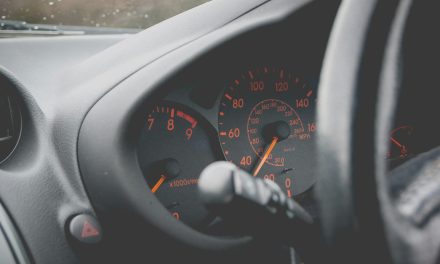
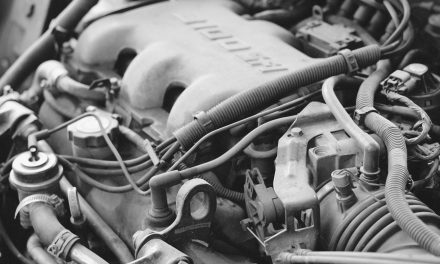
Insufficient engine power is a prevalent issue that can significantly affect vehicle performance. This condition manifests as a lack of acceleration, sluggishness during driving, and an overall decrease in engine responsiveness. Various factors contribute to this phenomenon, including mechanical failures, fuel delivery issues, and electronic malfunctions. Understanding the underlying causes is crucial for diagnosing and rectifying the problem effectively.
One of the primary reasons for insufficient engine power is a malfunctioning engine component. This could range from a failing turbocharger to a compromised exhaust system. Additionally, electronic control units (ECUs) that regulate engine performance may also malfunction, leading to suboptimal power output. Regular diagnostic checks can help identify these issues early, allowing for timely interventions that restore engine efficiency.
If you’ve ever wondered why your car struggles to accelerate uphill, you might find it helpful to explore related topics that can affect vehicle performance. For instance, understanding the importance of regular maintenance can play a crucial role in ensuring your car runs smoothly, especially when faced with challenging terrains. To learn more about essential care practices, you can check out this informative article on aftercare tips for your pet’s recovery, which emphasizes the significance of proper attention and care: 10 Essential Aftercare Tips for Your Cat’s Spay Surgery Recovery.
Clogged Air Filter Restricting Airflow
A clogged air filter is a common culprit behind reduced engine performance. The air filter’s primary function is to prevent contaminants from entering the engine’s combustion chamber. When this filter becomes obstructed with dirt and debris, it restricts airflow, leading to an inadequate air-fuel mixture. This imbalance can result in decreased power output and increased fuel consumption.
To mitigate this issue, it is essential to perform routine maintenance on the air filter. Most manufacturers recommend replacing the air filter every 12,000 to 15,000 miles, although this can vary based on driving conditions. Drivers should also inspect the filter regularly, especially in dusty environments, to ensure optimal airflow and engine performance.
Dirty or Failing Fuel Injectors

Fuel injectors play a critical role in delivering the precise amount of fuel into the combustion chamber. Over time, these components can become dirty or fail altogether, leading to poor fuel atomization and inefficient combustion. Symptoms of this issue include rough idling, decreased acceleration, and increased emissions.
Cleaning or replacing fuel injectors can restore engine performance significantly. Fuel injector cleaning services are available at many automotive repair shops and involve using specialized solvents to remove carbon deposits. In cases where injectors are severely damaged, replacement may be necessary. Regular use of high-quality fuel can also help maintain injector cleanliness and functionality.
Worn Spark Plugs Affecting Combustion

Worn or faulty spark plugs can severely impact engine performance by disrupting the ignition process. Spark plugs are responsible for igniting the air-fuel mixture within the combustion chamber. When they become worn or fouled with carbon deposits, they may fail to produce a strong spark, leading to misfires and reduced power output.
Replacing spark plugs is a straightforward maintenance task that can yield significant improvements in engine performance. Most manufacturers recommend changing spark plugs every 30,000 to 100,000 miles, depending on the type used. Utilizing high-quality spark plugs designed for specific engine requirements can enhance combustion efficiency and overall vehicle performance.
If you’ve ever wondered why your car struggles to accelerate uphill, you might find it helpful to explore related topics that delve into vehicle performance. For instance, understanding the differences between various types of automotive maintenance can shed light on potential issues affecting your car’s power. A great resource to consider is an article that discusses the importance of choosing the right tools for grooming your dog, which can be surprisingly analogous to maintaining your vehicle’s health. You can read more about it here. By ensuring that both your car and your pet are well cared for, you can enhance their performance and overall well-being.
Transmission Issues Impacting Power Delivery
Transmission problems can significantly hinder a vehicle’s ability to deliver power effectively. Automatic transmissions may experience slipping, delayed engagement, or harsh shifting, while manual transmissions may suffer from clutch wear or gear synchronization issues. These problems can lead to a noticeable decrease in acceleration and overall driving experience.
To address transmission issues, regular maintenance is essential. This includes checking fluid levels and quality, as well as replacing transmission fluid according to manufacturer recommendations. In cases of severe transmission failure, professional diagnosis and repair may be necessary to restore proper power delivery.
Low or Contaminated Engine Oil
Engine oil plays a vital role in lubricating moving parts and reducing friction within the engine. Low or contaminated oil can lead to increased wear and tear on engine components, resulting in decreased performance and potential engine damage. Symptoms of oil-related issues include unusual noises, overheating, and warning lights on the dashboard.
To prevent these problems, regular oil changes are crucial. Most vehicles require oil changes every 5,000 to 7,500 miles, depending on the type of oil used and driving conditions. Additionally, monitoring oil levels and quality can help identify potential issues before they escalate into more significant problems.
Faulty Oxygen Sensors Causing Poor Fuel Mixture
Oxygen sensors are integral components of modern vehicles’ emission control systems. They monitor the oxygen levels in exhaust gases and provide feedback to the ECU for optimal fuel mixture adjustments. A faulty oxygen sensor can lead to an incorrect air-fuel ratio, resulting in poor combustion efficiency and reduced engine power.
Replacing faulty oxygen sensors is essential for maintaining optimal engine performance and fuel efficiency. Most sensors have a lifespan of approximately 60,000 to 100,000 miles; however, they should be inspected regularly for signs of wear or damage. Utilizing high-quality replacement sensors can ensure accurate readings and improved vehicle performance.
Overloaded Vehicle Weight
Overloading a vehicle beyond its recommended weight limit can significantly impact its performance and safety. Excess weight places additional strain on the engine, transmission, and suspension components, leading to decreased acceleration and increased fuel consumption. Furthermore, overloading can compromise braking efficiency and handling characteristics.
To prevent these issues, it is essential to adhere to the manufacturer’s specified weight limits for passengers and cargo. Regularly checking load distribution can also help maintain optimal vehicle performance and safety during operation.
Tire Traction Problems on Inclines
Tire traction is crucial for maintaining control and stability while driving on inclines or slippery surfaces. Worn or improperly inflated tires can lead to reduced grip, resulting in difficulty accelerating or maintaining speed on hills. This issue can be particularly problematic in adverse weather conditions such as rain or snow.
To enhance tire traction, regular tire maintenance is essential. This includes checking tire pressure monthly and ensuring that tires are rotated according to manufacturer recommendations. Additionally, investing in high-quality tires designed for specific driving conditions can improve traction and overall vehicle performance.
Exhaust System Blockages
Blockages within the exhaust system can lead to increased back pressure, which negatively affects engine performance. Common causes of exhaust blockages include damaged catalytic converters or mufflers filled with debris. Symptoms may include reduced acceleration, unusual noises from the exhaust system, and increased emissions.
To address exhaust system blockages, regular inspections are necessary. If blockages are detected, professional cleaning or replacement of affected components may be required to restore optimal exhaust flow and engine performance.
Ignition Timing Problems Affecting Performance
Ignition timing refers to the precise moment when the spark plug ignites the air-fuel mixture within the combustion chamber. Incorrect ignition timing can lead to poor combustion efficiency, resulting in reduced power output and increased emissions. Symptoms of ignition timing issues include rough idling, knocking sounds from the engine, and decreased acceleration.
To resolve ignition timing problems, it is essential to have the vehicle’s timing checked regularly by a qualified technician. Adjustments may be necessary based on manufacturer specifications to ensure optimal engine performance.
In summary, insufficient engine power can stem from various factors ranging from mechanical failures to electronic malfunctions. Regular maintenance practices such as changing air filters, cleaning fuel injectors, replacing spark plugs, and monitoring transmission fluid levels are crucial for maintaining optimal vehicle performance. By addressing these issues proactively and adhering to manufacturer recommendations for maintenance schedules, drivers can enhance their vehicle’s efficiency and longevity.
FAQ Section:
1. What are common symptoms of insufficient engine power?
– Common symptoms include sluggish acceleration, rough idling, decreased responsiveness during driving, and increased fuel consumption.
2. How often should I replace my air filter?
– It is generally recommended to replace the air filter every 12,000 to 15,000 miles; however, this may vary based on driving conditions.
3. What are signs of dirty fuel injectors?
– Signs include rough idling, decreased acceleration response, poor fuel economy, and increased emissions.
4. How frequently should spark plugs be replaced?
– Spark plugs should typically be replaced every 30,000 to 100,000 miles depending on their type and manufacturer recommendations.
5. What maintenance is required for my transmission?
– Regularly check fluid levels and quality; replace transmission fluid according to manufacturer guidelines.
6. How do I know if my oxygen sensor is faulty?
– Symptoms of a faulty oxygen sensor include poor fuel economy, rough idling, increased emissions, and illuminated check engine light.
7. What should I do if my vehicle is overloaded?
– Adhere to manufacturer weight limits for passengers and cargo; redistribute weight if necessary for optimal performance.
8. How can I improve tire traction?
– Regularly check tire pressure and tread depth; rotate tires according to manufacturer recommendations; consider investing in high-quality tires suited for your driving conditions.
9. What causes exhaust system blockages?
– Common causes include damaged catalytic converters or mufflers filled with debris; regular inspections can help identify blockages early.
10. How do I check ignition timing?
– Ignition timing should be checked by a qualified technician who can make necessary adjustments based on manufacturer specifications.
In conclusion, understanding the various factors contributing to insufficient engine power allows drivers to take proactive measures in maintaining their vehicles effectively. Regular inspections and adherence to maintenance schedules are vital for ensuring optimal performance and longevity of automotive systems.
FAQs
What causes a car to struggle to accelerate uphill?
A car may struggle to accelerate uphill due to several factors, including insufficient engine power, a malfunctioning transmission, or issues with the fuel system. Additionally, a heavy load or steep incline can exacerbate the problem, making it harder for the vehicle to gain speed.
Can a dirty air filter affect uphill acceleration?
Yes, a dirty air filter can restrict airflow to the engine, leading to reduced power and efficiency. This can result in poor acceleration, especially when climbing hills, as the engine may not receive the necessary air to mix with fuel for optimal combustion.
How does tire pressure influence uphill acceleration?
Improper tire pressure can significantly affect a car’s performance, including uphill acceleration. Under-inflated tires create more rolling resistance, making it harder for the vehicle to move forward. Maintaining the recommended tire pressure can help improve acceleration and overall handling.
Is it normal for older cars to struggle on inclines?
Yes, older cars may struggle more on inclines due to wear and tear on engine components, transmission issues, or outdated technology. As vehicles age, their performance can decline, making it more challenging to accelerate uphill compared to newer models.
What role does the fuel system play in uphill acceleration?
The fuel system is crucial for delivering the right amount of fuel to the engine. If there are issues such as a clogged fuel filter or failing fuel pump, the engine may not receive enough fuel, leading to poor acceleration, especially when climbing hills where more power is needed.